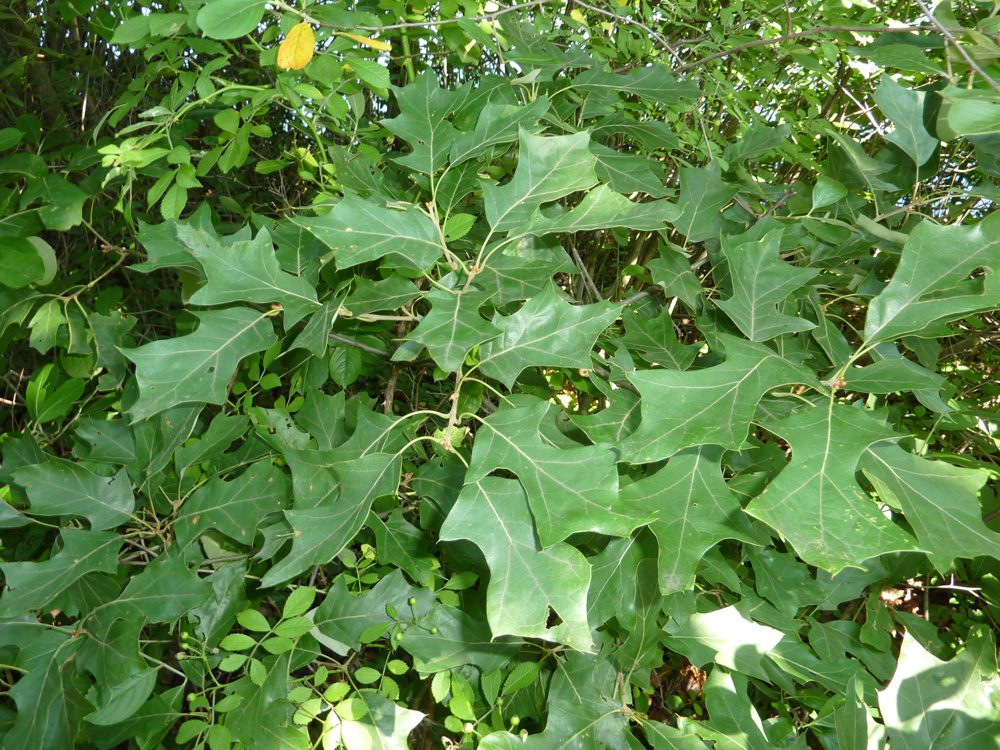
Bear Oak (leaves) in Frederick Co., Maryland (7/19/2012).
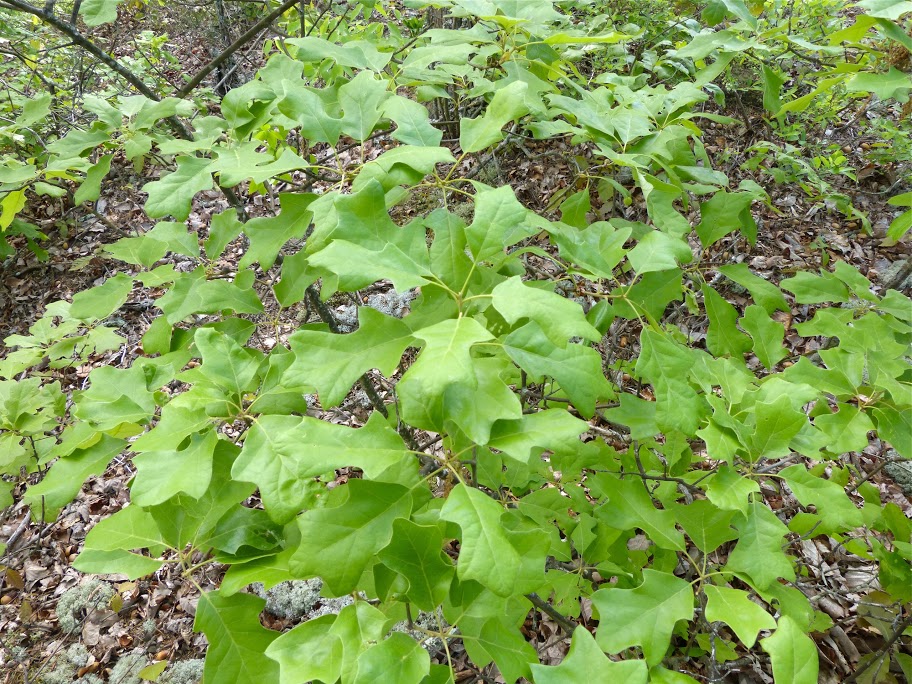
Bear Oak in Allegany Co., Maryland (5/12/2013).
Photo by
Jim Brighton
MBP List
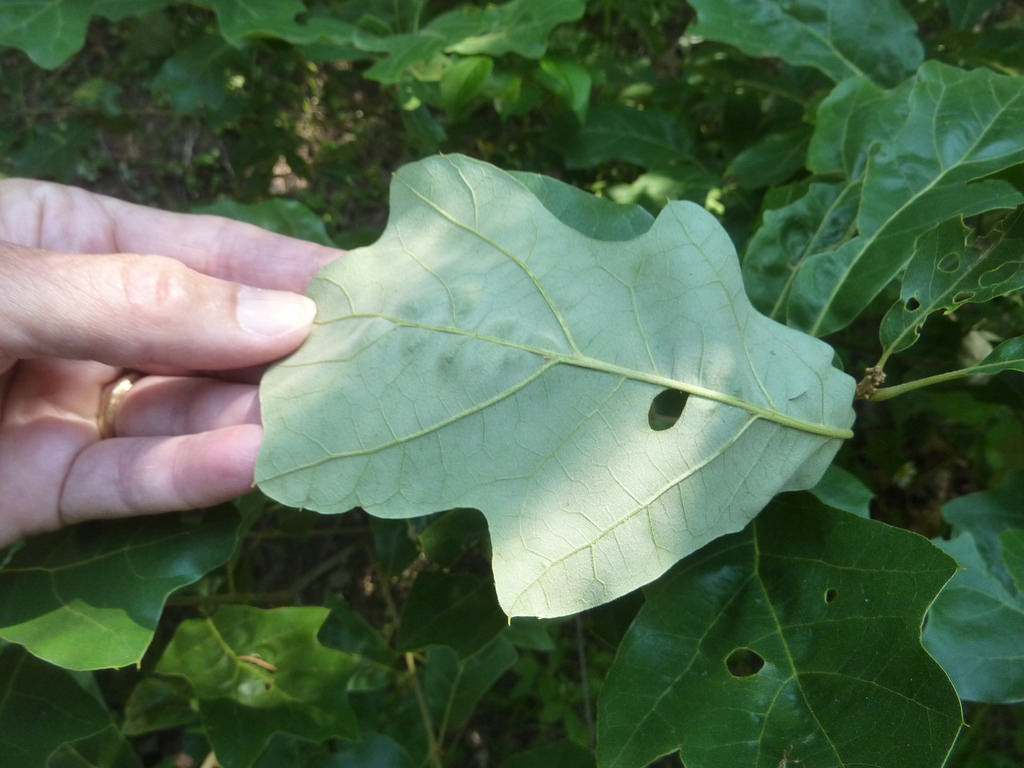
Bear Oak in Montgomery Co., Maryland (6/26/2016). Note characteristic white underside of leaf.

Bear Oak (acorn and acorn cups) in Frederick Co., Maryland (9/28/2014).
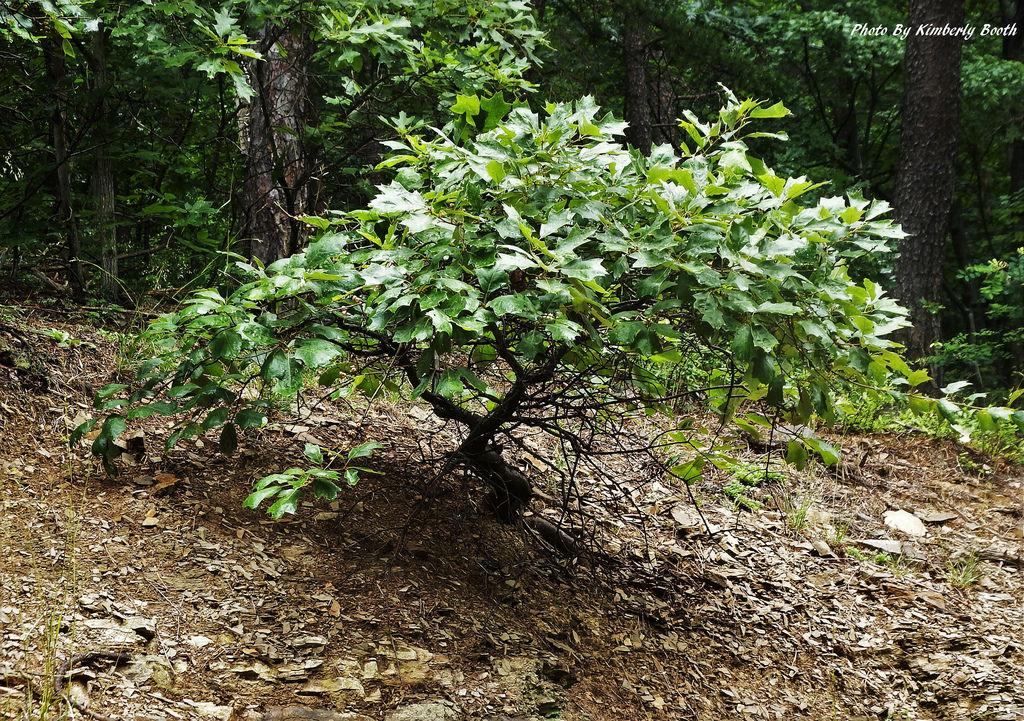
Bear Oak, showing characteristic shrubby form on typical rocky, sloping substrate, in Allegany Co., Maryland (6/20/2018).
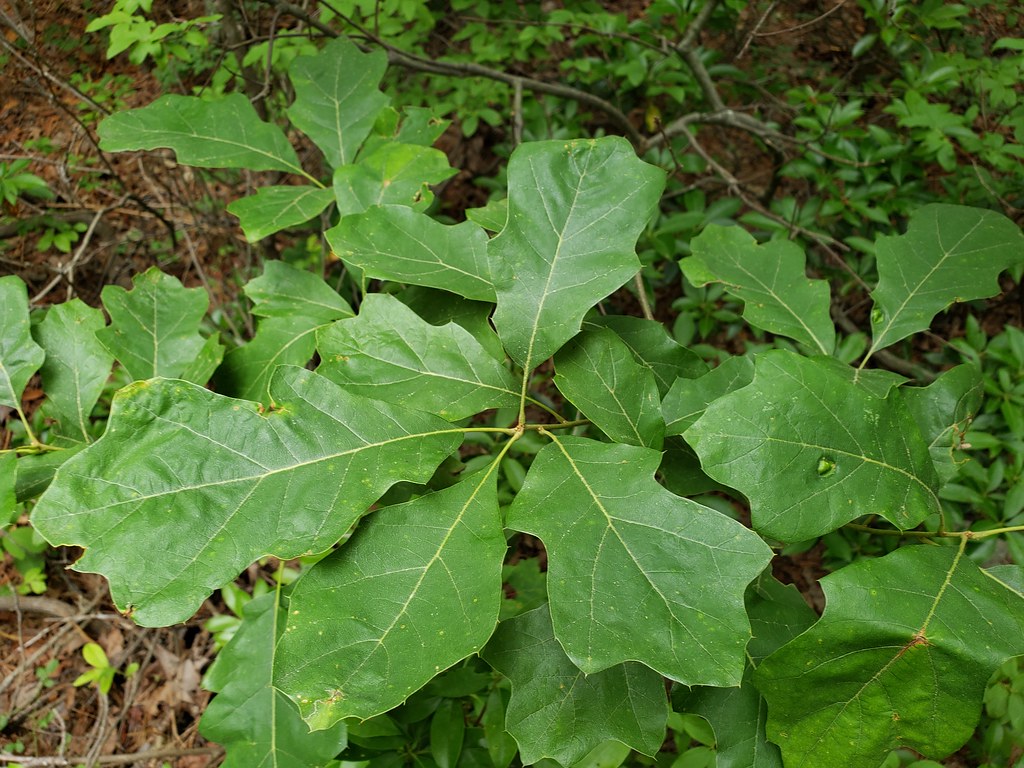
Bear Oak in Frederick Co., Maryland (6/15/2019).
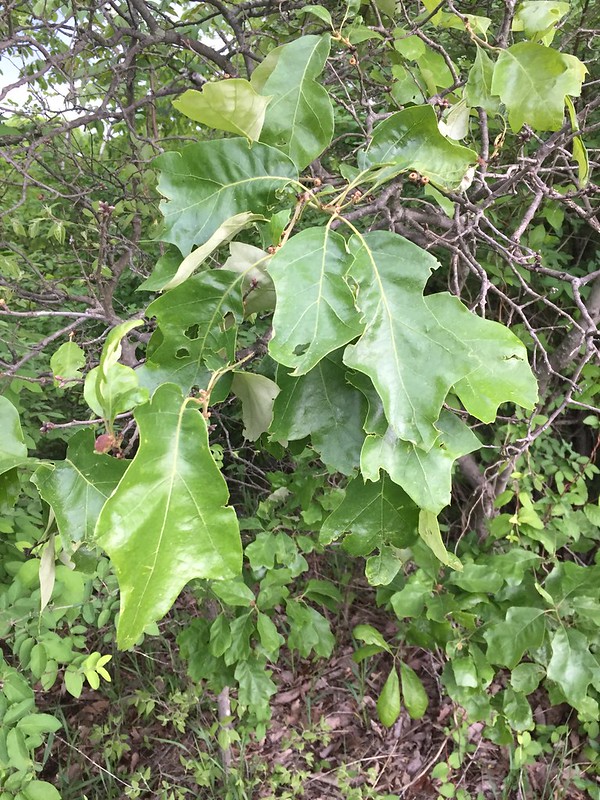
Bear Oak in Allegany Co., Maryland (5/9/2019).

Bear Oak in Allegany Co., Maryland (5/12/2013).
Photo by
Jim Brighton
MBP List
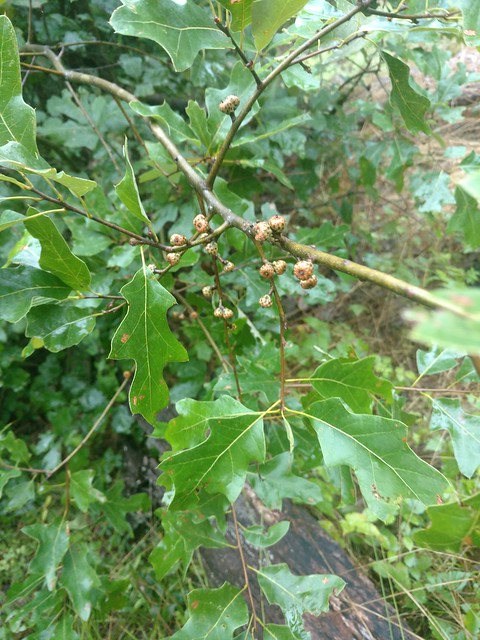
Bear Oak in Allegany Co., Maryland (7/8/2019).
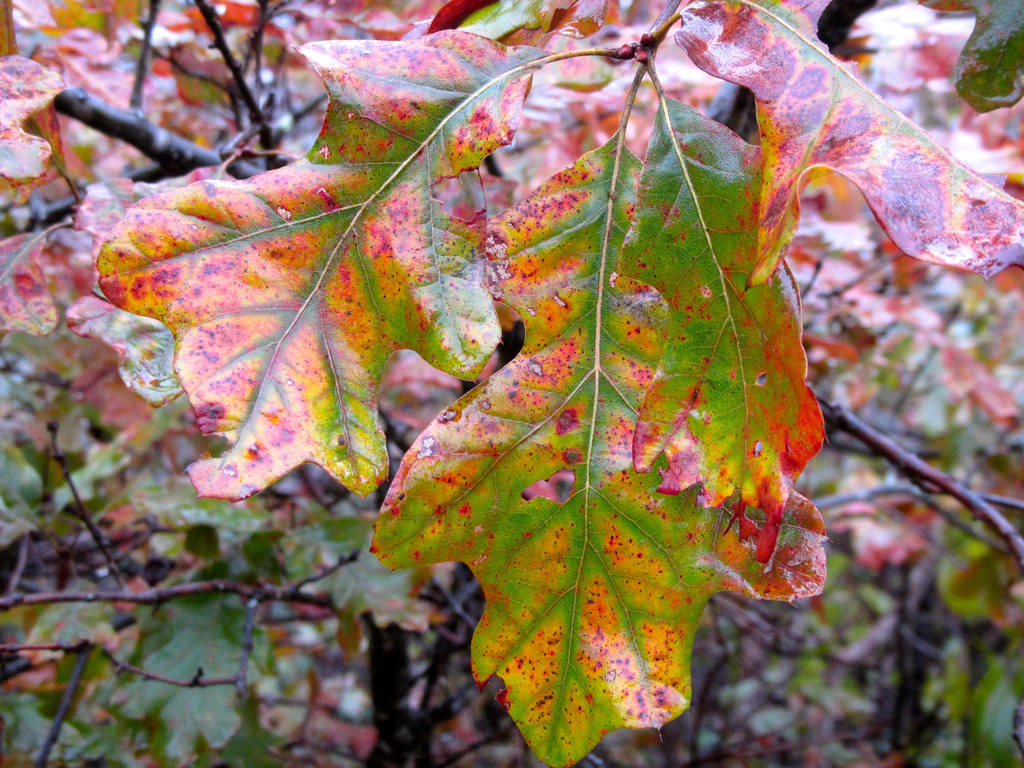
Bear Oak in Garrett Co., Maryland (10/28/2018).
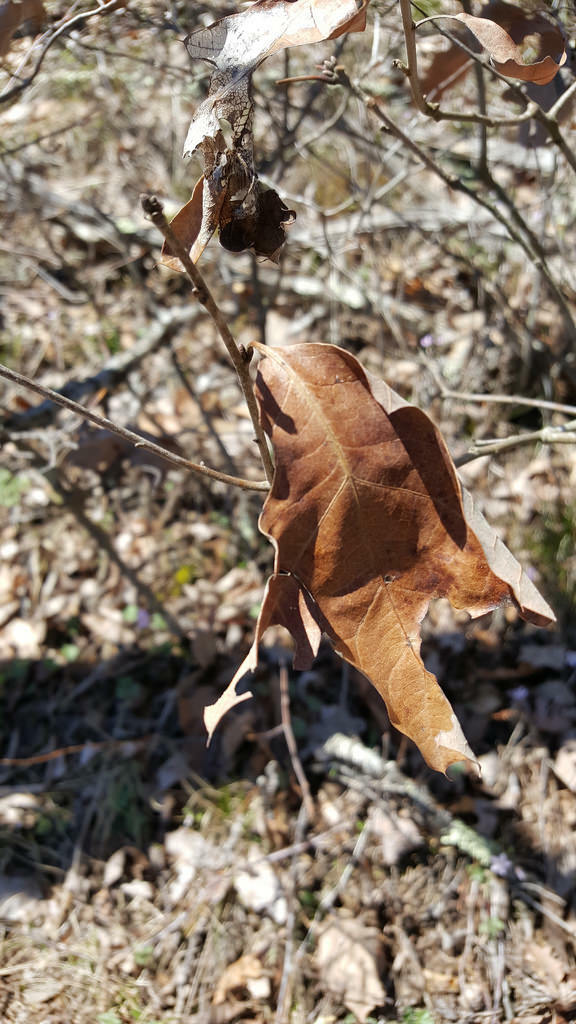
Bear Oak in Allegany Co., Maryland (4/8/2017). (c) Bill Hubick, all rights reserved.

Bear Oak in Anne Arundel Co., Maryland (12/26/2018).
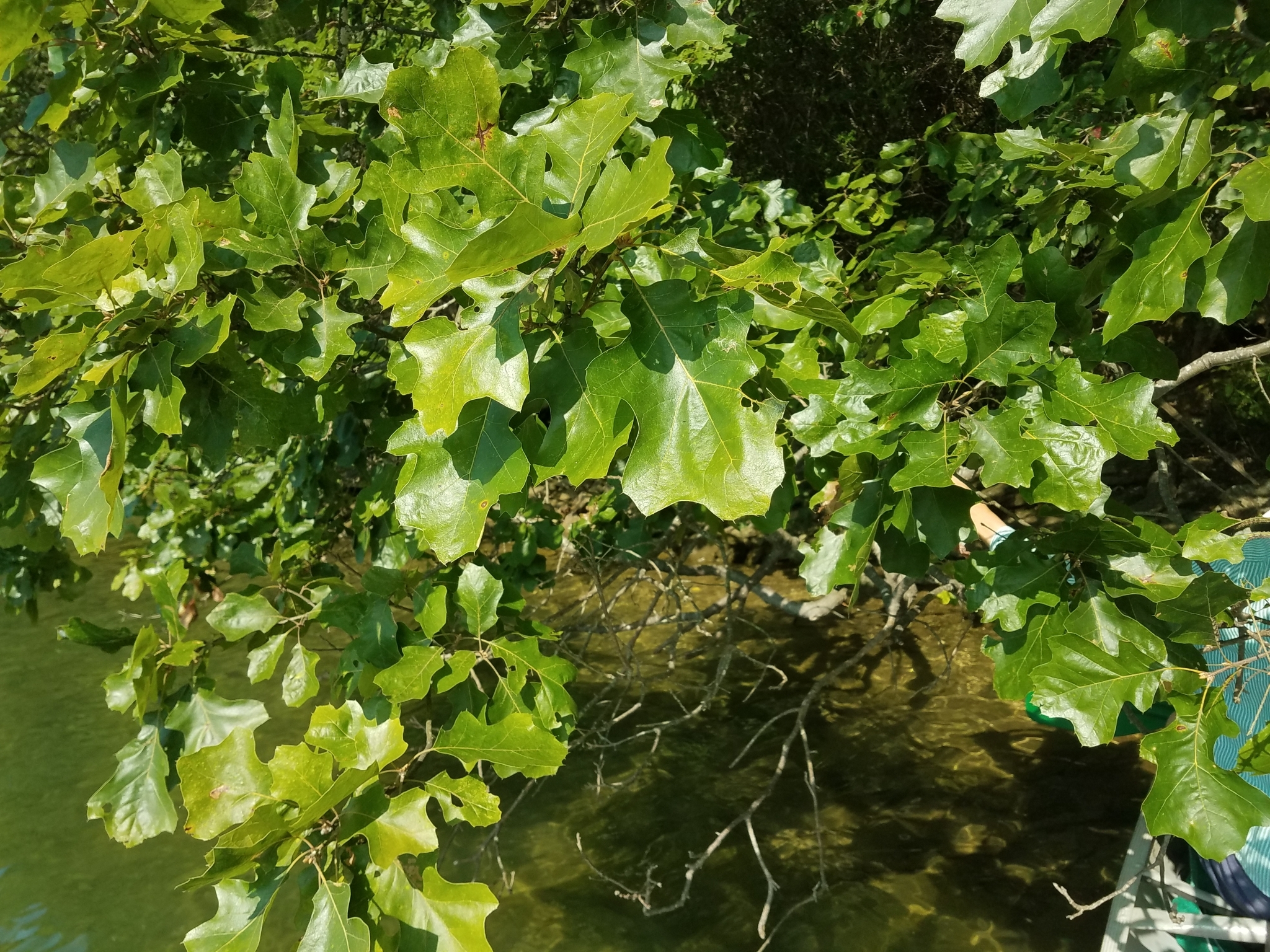
Bear Oak in Baltimore Co., Maryland (8/4/2019). (c) Charlie Davis, some rights reserved (CC BY-NC).
Map Snapshot


91 Records
Status
This diminutive oak (a shrub or small tree, 5-40 feet in height) occurs in a limited geographic range--the northeastern and mid-Atlantic states, from Maine to North Carolina. Also known as Scrub Oak, it is very intolerant of shade, and, when over-topped by larger trees, the stems die unless site disturbance, as by fire or clear-cutting, stimulates the sprouting of new stems from its long-lived roots. The stems tend to form dense thickets, which help hold the soil in place.
Bear Oak grows mainly in sandy, rocky, well-drained, nutrient-poor soils of mountains, uplands, barrens, and slopes. In Maryland, it is most typical of mountainous areas, but also occurs in the Piedmont, and rarely on the Coastal Plain.
Bear Oak grows mainly in sandy, rocky, well-drained, nutrient-poor soils of mountains, uplands, barrens, and slopes. In Maryland, it is most typical of mountainous areas, but also occurs in the Piedmont, and rarely on the Coastal Plain.
Description
Bear Oak is identifiable by its leaves, which are small, with only a few shallow, bristle-tipped lobes and distinctly whitish, hairy undersides. The acorns are brownish and striped.
Where To Find
Bear Oak is common on the shale barrens of Green Ridge State Forest.
Relationships
The dense stems provide good cover and food (acorns) for small animals during the early stages of succession.
Host plant for various butterfly species including Edwards' Hairstreak, Banded Hairstreak, and Sleepy Duskywing.
Host plant for various moth species including the Buck Moth (Database of the World's Lepidopteran Hostplants).
Host plant for various butterfly species including Edwards' Hairstreak, Banded Hairstreak, and Sleepy Duskywing.
Host plant for various moth species including the Buck Moth (Database of the World's Lepidopteran Hostplants).
Citations
No citations linked for this taxon yet.
Use of media featured on Maryland
Biodiversity Project is only permitted with express permission of the
photographer.
Bear Oak (leaves) in Frederick Co., Maryland (7/19/2012).
View Record Details
Media by
Jane Hill.
Bear Oak in Allegany Co., Maryland (5/12/2013).
Media by
Jim Brighton.
Bear Oak in Montgomery Co., Maryland (6/26/2016). Note characteristic white underside of leaf.
View Record Details
Media by
Bill Hill.
Bear Oak (acorn and acorn cups) in Frederick Co., Maryland (9/28/2014).
View Record Details
Media by
Jane Hill.
Bear Oak, showing characteristic shrubby form on typical rocky, sloping substrate, in Allegany Co., Maryland (6/20/2018).
View Record Details
Media by
Kimberly Booth.
Bear Oak in Frederick Co., Maryland (6/15/2019).
View Record Details
Media by
Bill Hubick.
Bear Oak in Allegany Co., Maryland (5/9/2019).
View Record Details
Media by
Mark Eanes.
Bear Oak in Allegany Co., Maryland (5/12/2013).
Media by
Jim Brighton.
Bear Oak in Allegany Co., Maryland (7/8/2019).
View Record Details
Media by
Wayne Longbottom.
Bear Oak in Garrett Co., Maryland (10/28/2018).
View Record Details
Media by
Boyer and McDowell.
Bear Oak in Allegany Co., Maryland (4/8/2017). (c) Bill Hubick, all rights reserved.
View Record Details
Media by
Bill Hubick.
Bear Oak in Anne Arundel Co., Maryland (12/26/2018).
View Record Details
Media by
Matt Grey.
Bear Oak in Baltimore Co., Maryland (8/4/2019). (c) Charlie Davis, some rights reserved (CC BY-NC).
View Record Details
Media by
Charlie Davis.