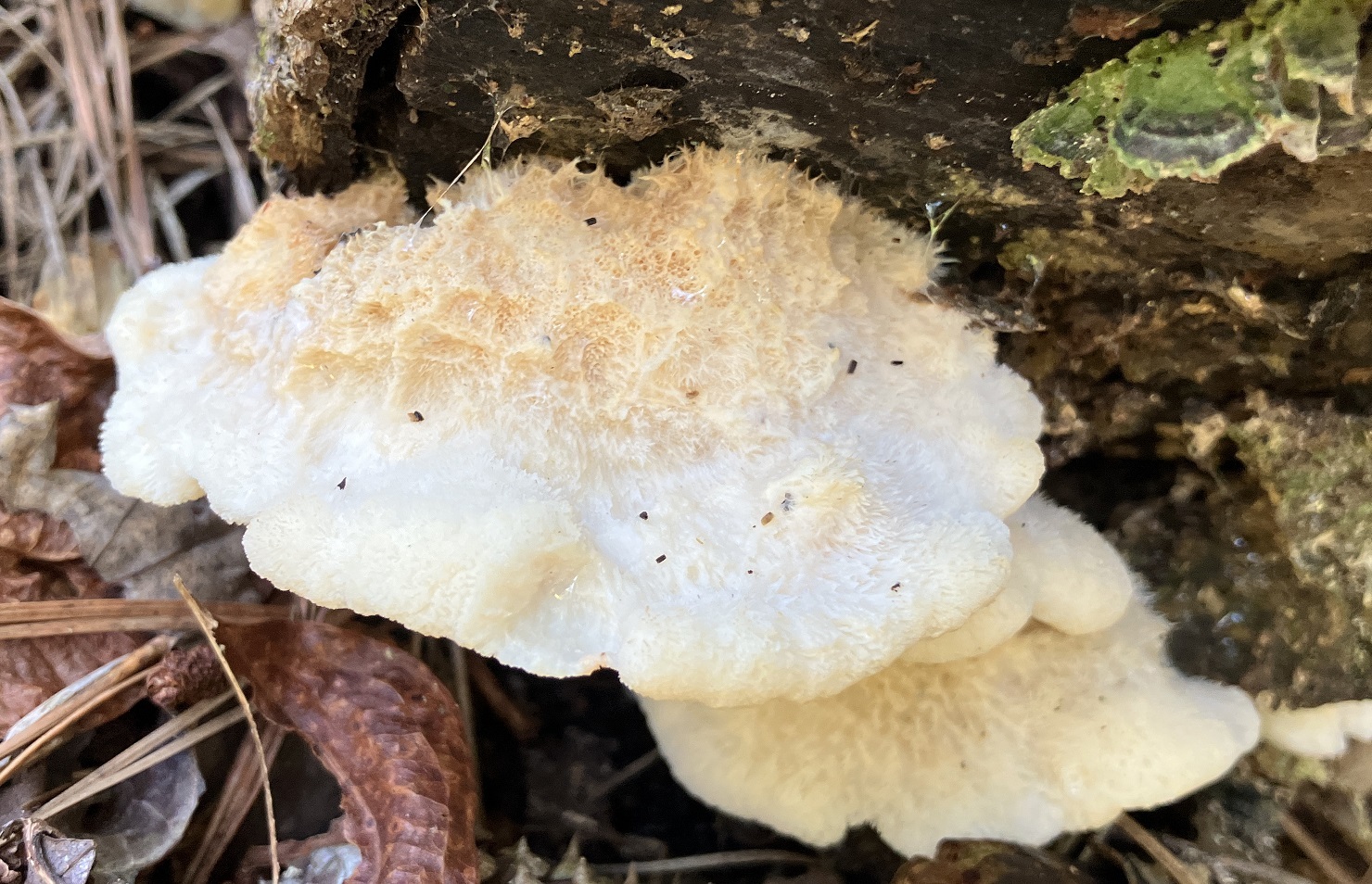
Donkia pulcherrima in Wicomico Co., Maryland (10/9/2022). (c) Cindi Fitzgerald, some rights reserved (CC BY-NC)
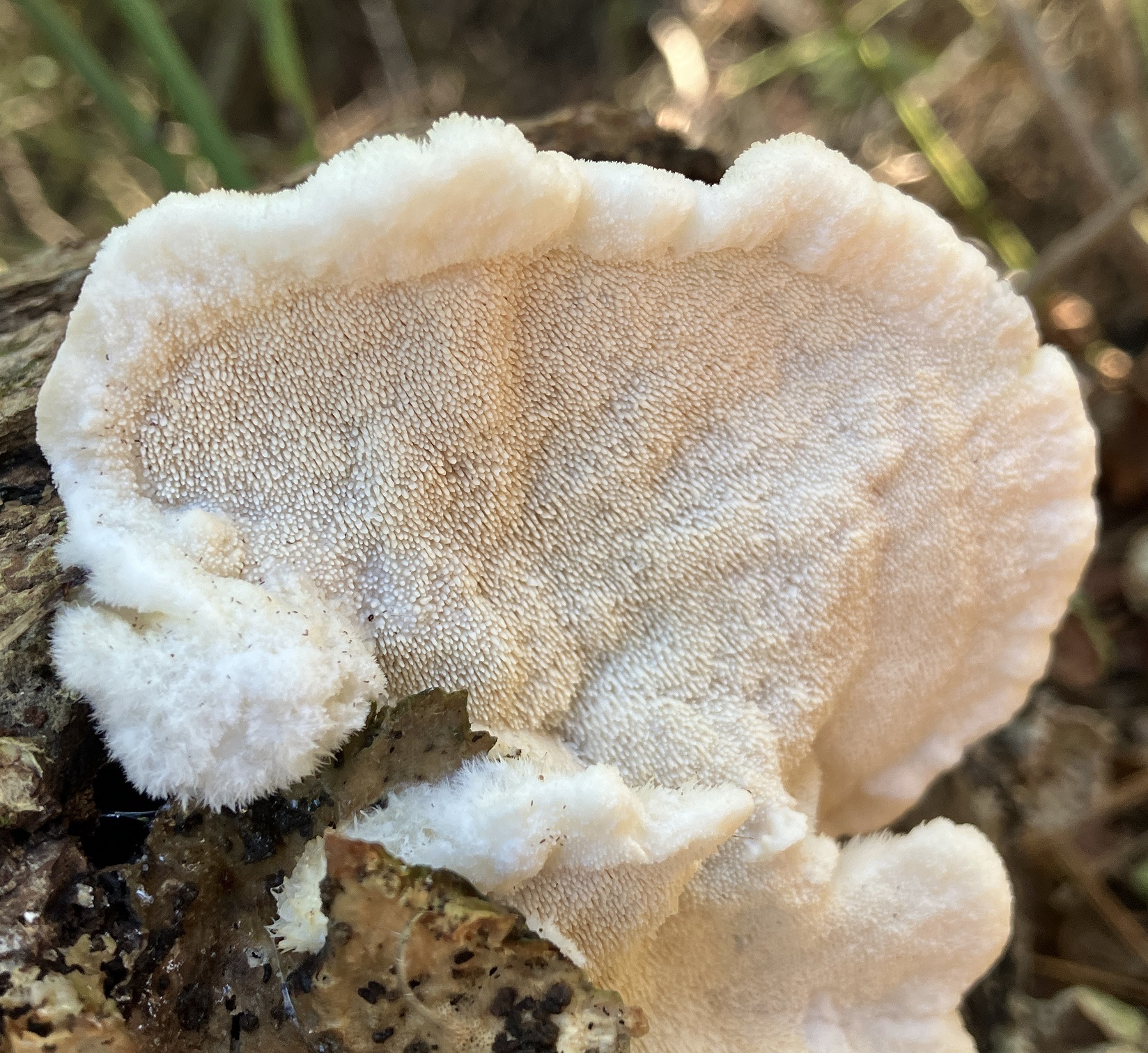
Donkia pulcherrima in Wicomico Co., Maryland (10/9/2022). (c) Cindi Fitzgerald, some rights reserved (CC BY-NC)
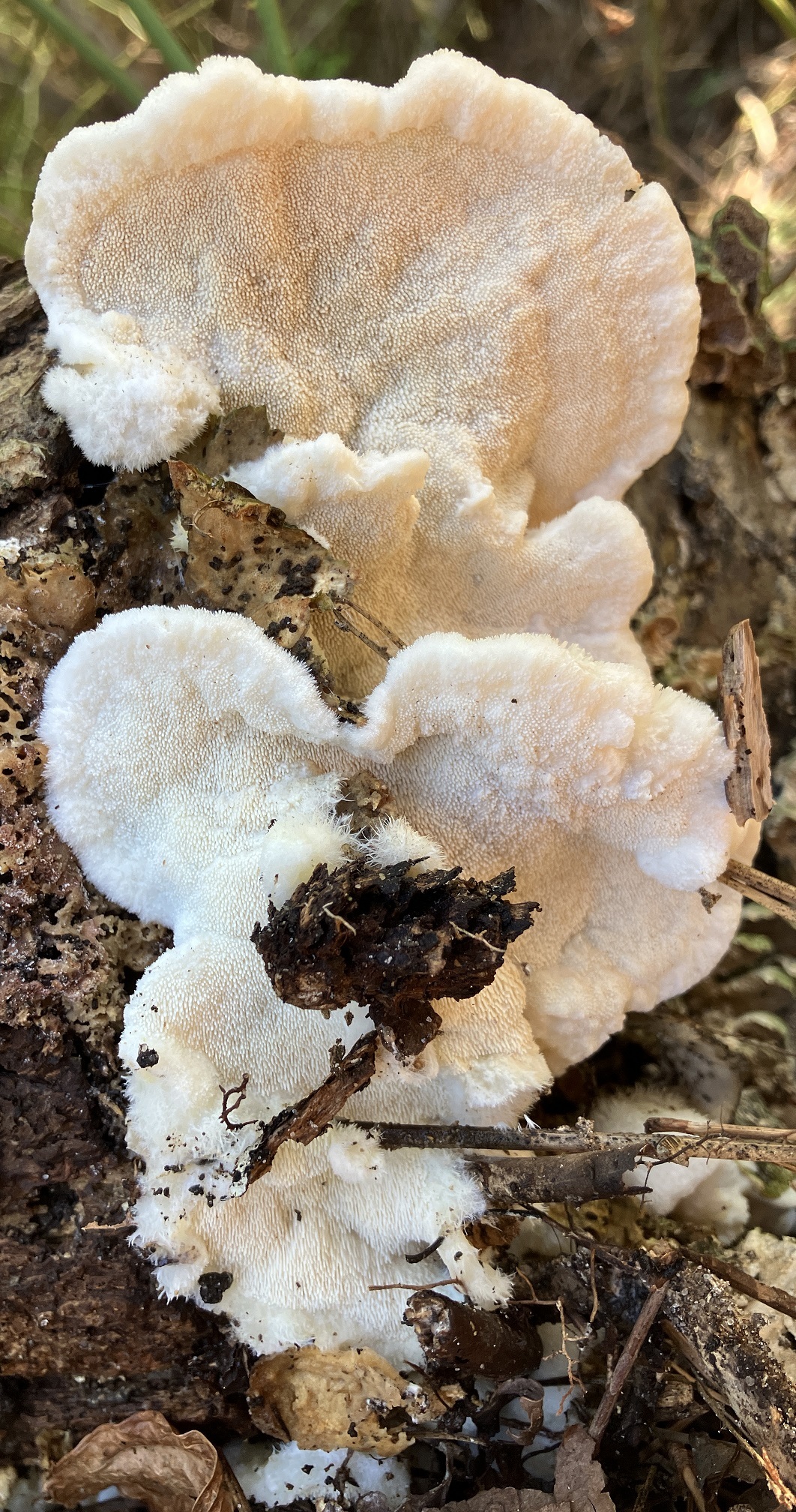
Donkia pulcherrima in Wicomico Co., Maryland (10/9/2022). (c) Cindi Fitzgerald, some rights reserved (CC BY-NC)
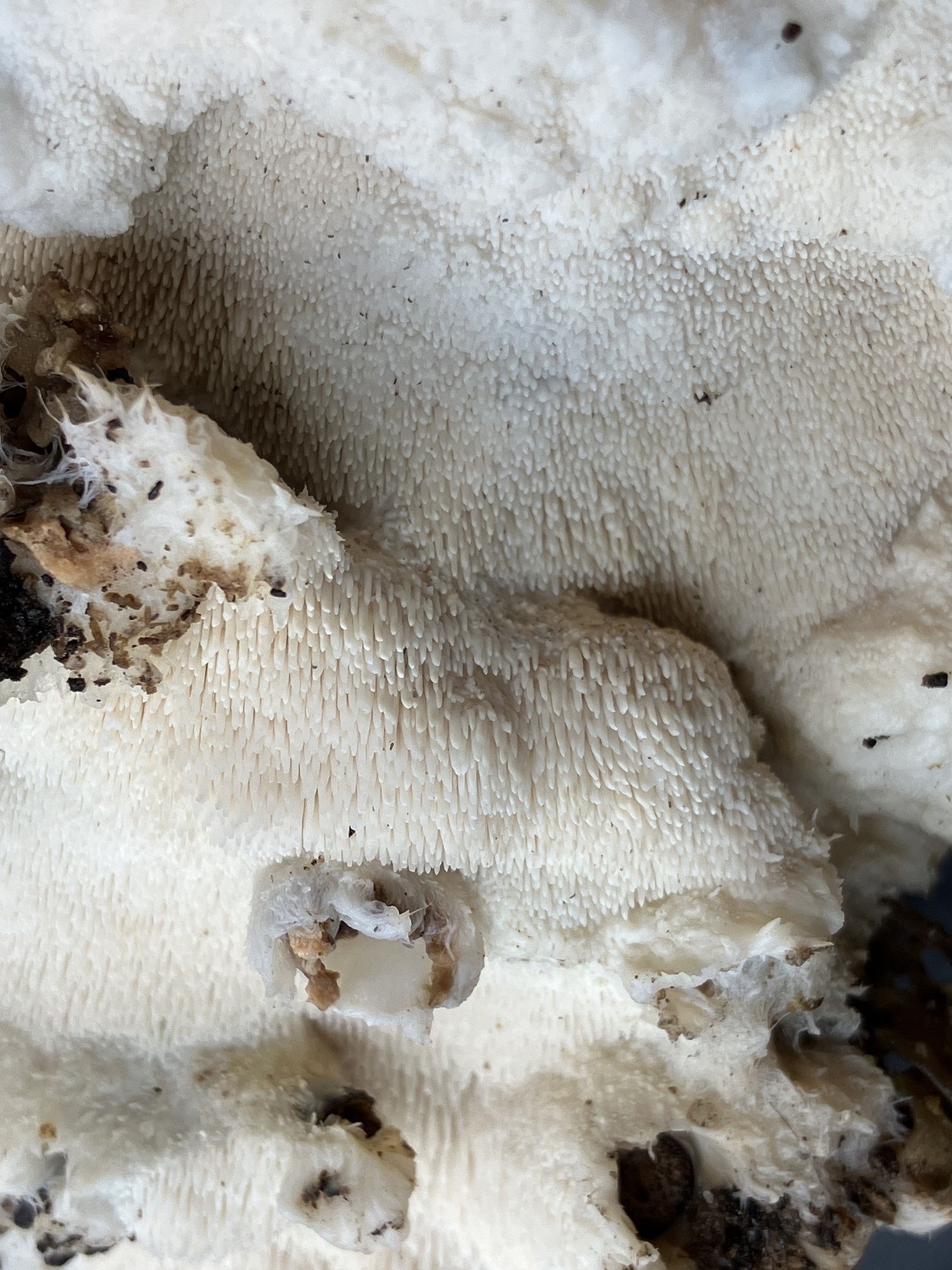
Donkia pulcherrima in Wicomico Co., Maryland (10/9/2022). (c) Cindi Fitzgerald, some rights reserved (CC BY-NC)
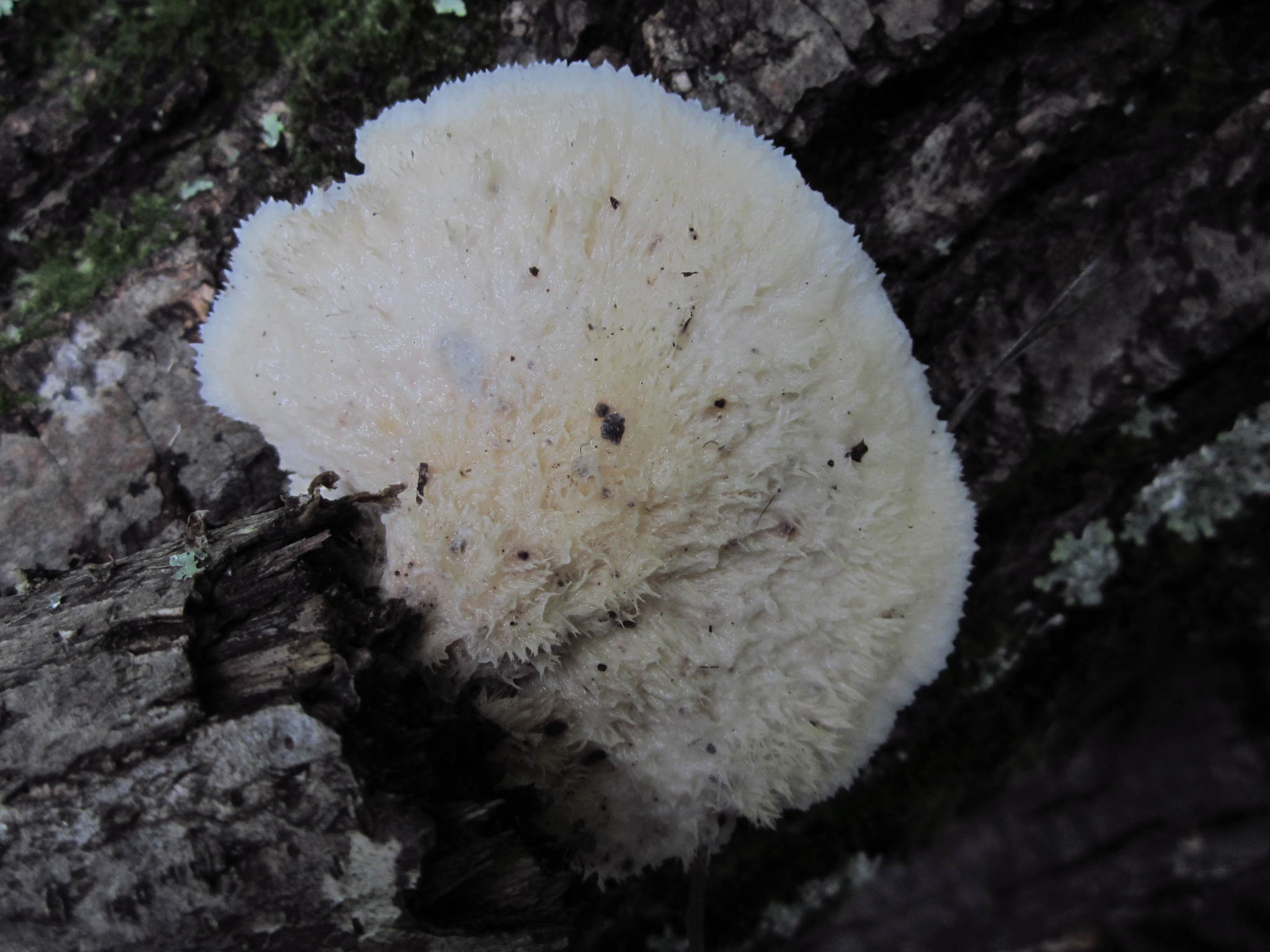
Donkia pulcherrima in Howard Co., Maryland (8/2/2014). (c) Joanne and Robert Solem, some rights reserved (CC BY-NC)
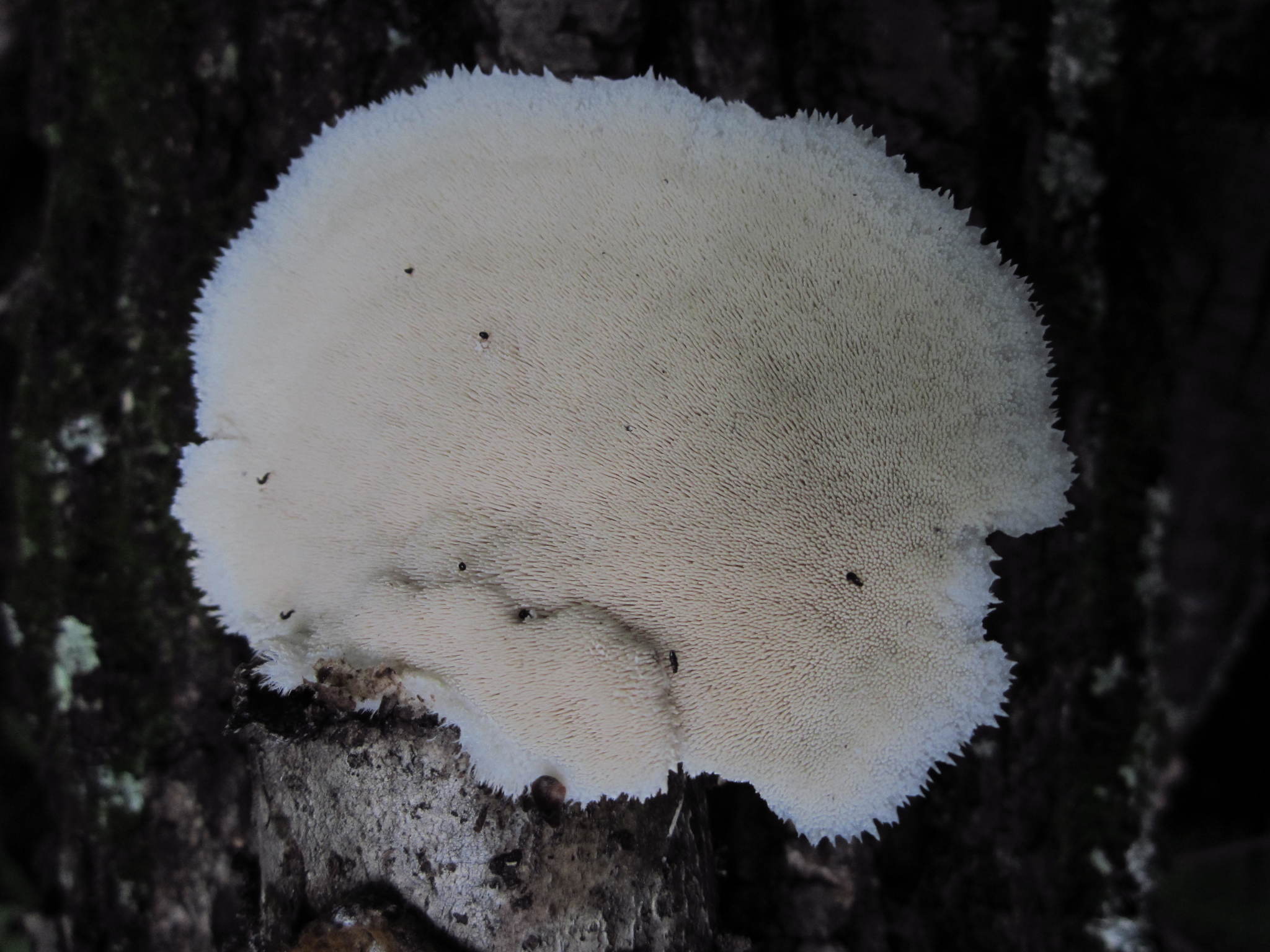
Donkia pulcherrima in Howard Co., Maryland (8/2/2014). (c) Joanne and Robert Solem, some rights reserved (CC BY-NC)
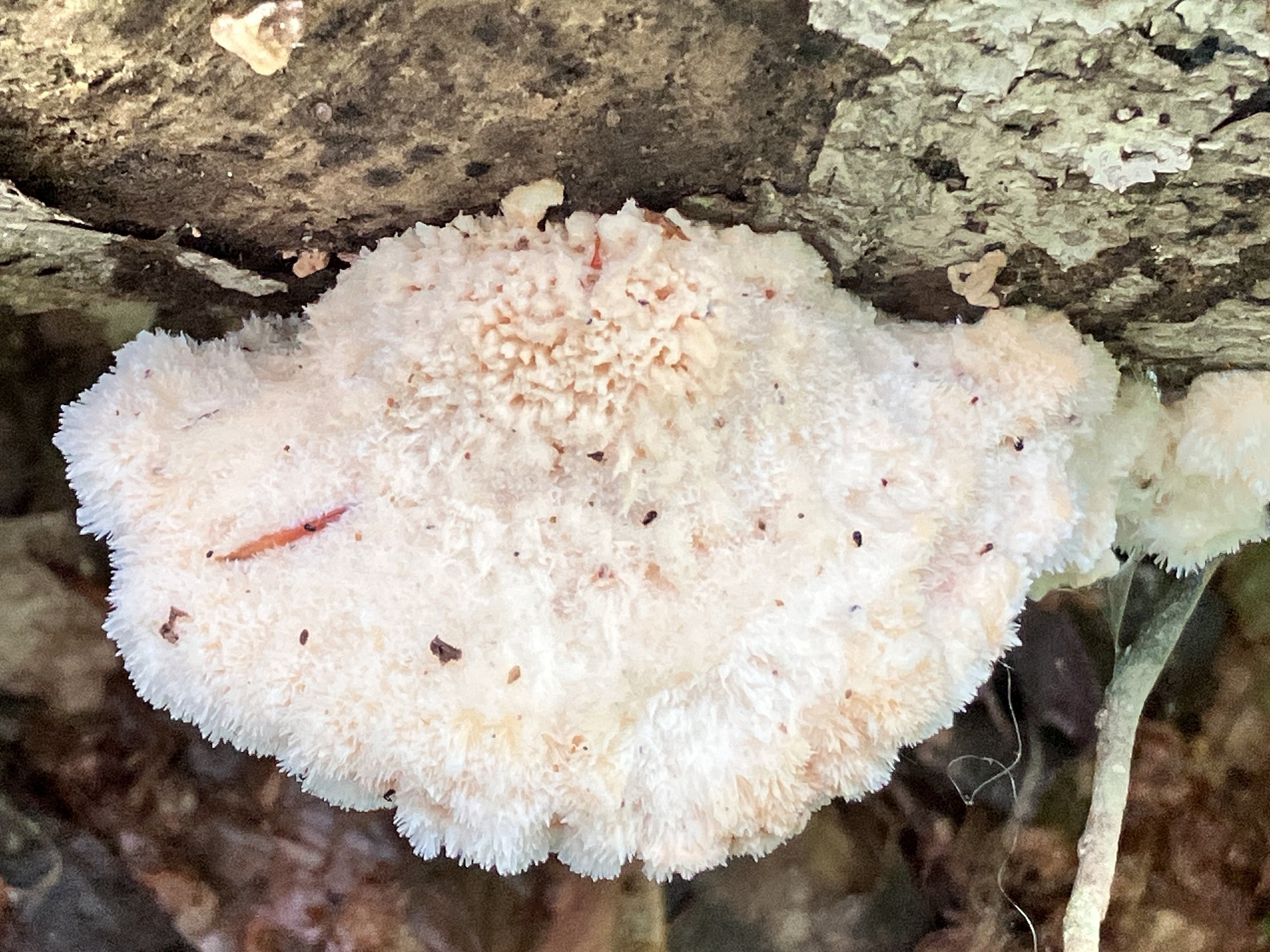
Donkia pulcherrima in Maryland (Date obscured). (c) Cindi Fitzgerald, some rights reserved (CC BY-NC)
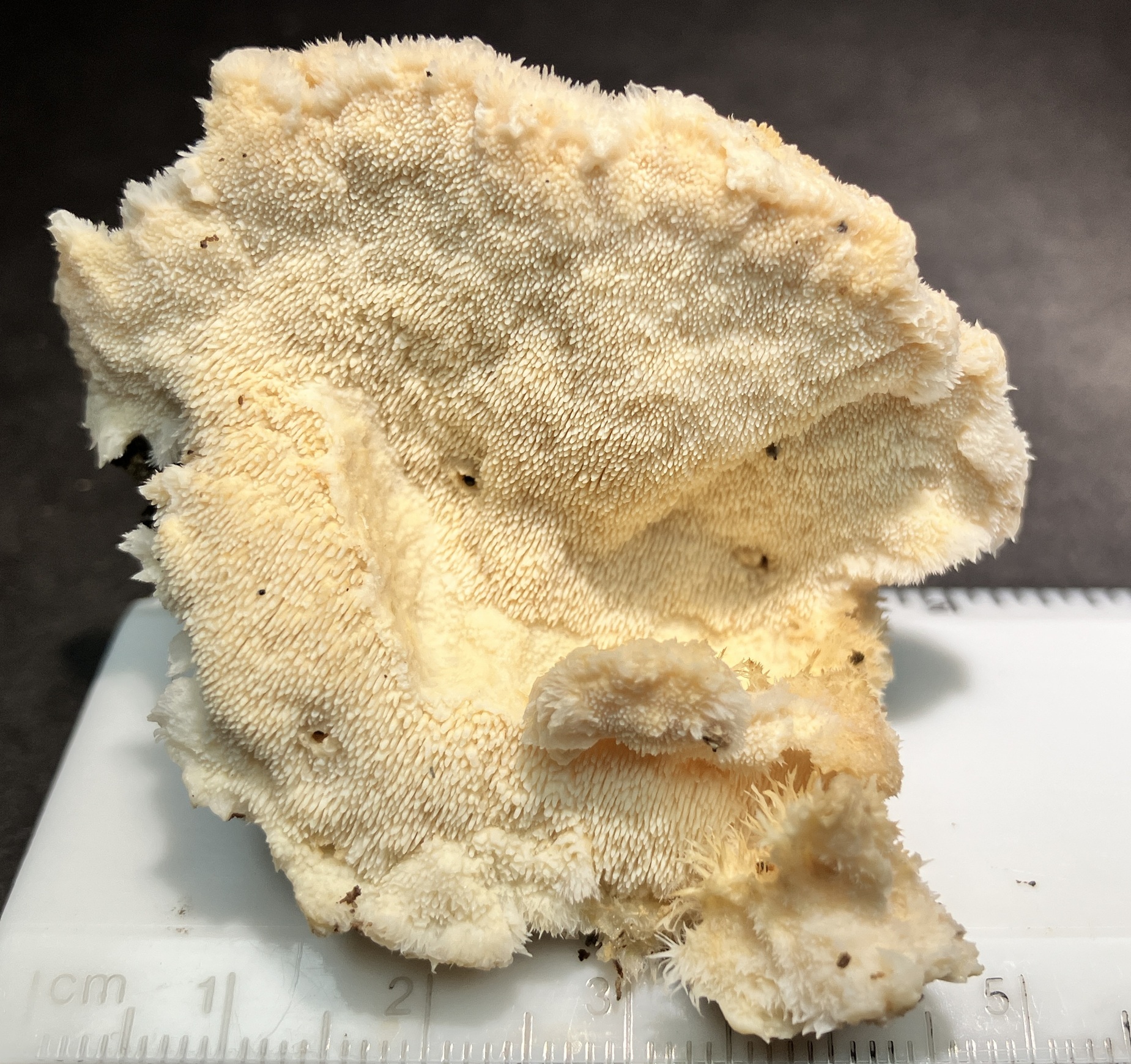
Donkia pulcherrima in Maryland (Date obscured). (c) Cindi Fitzgerald, some rights reserved (CC BY-NC)
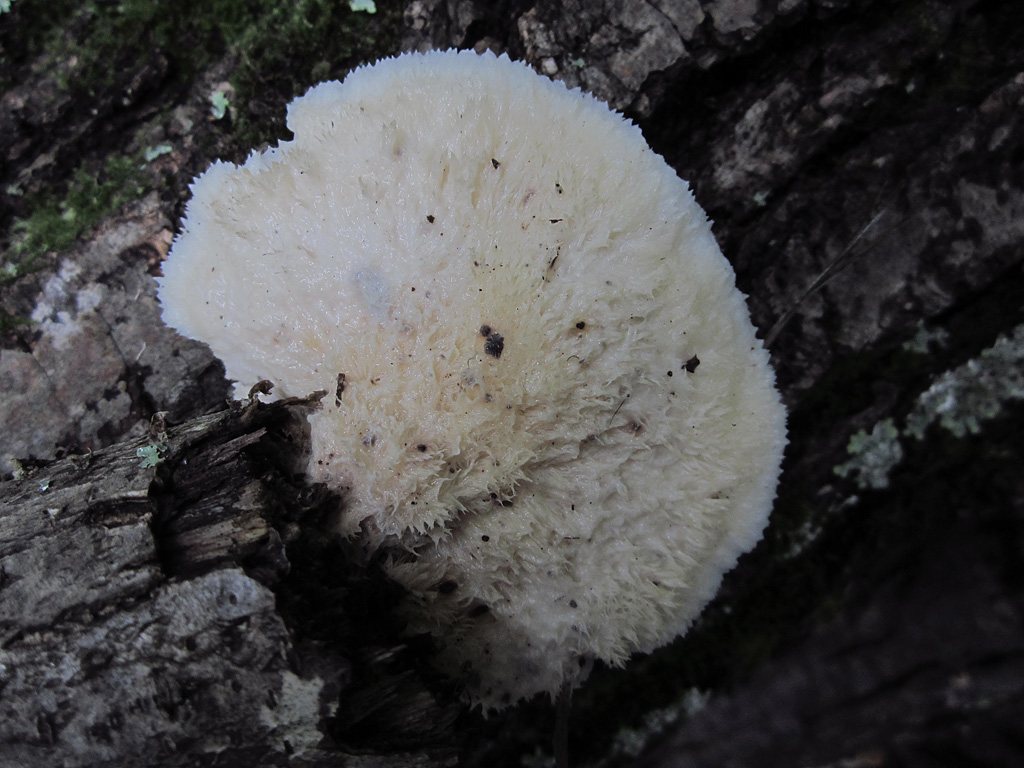
Climacodon pulcherrimus (infertile surface) in Howard Co., Maryland (8/2/2014).

Climacodon pulcherrimus (fertile surface with spines) in Howard Co., Maryland (8/2/2014).
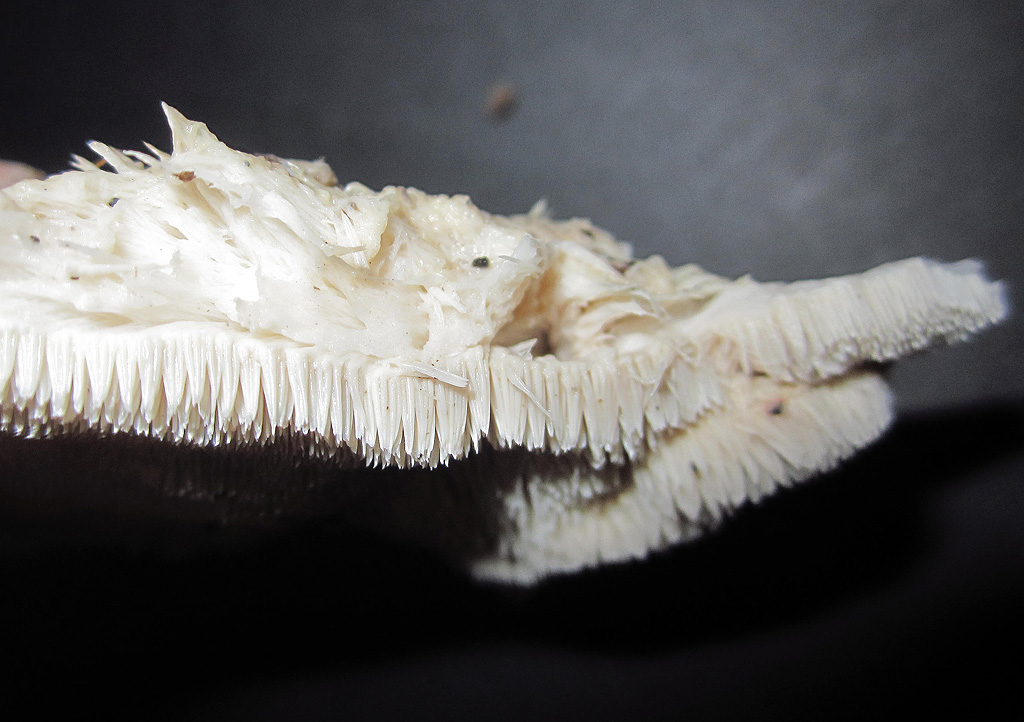
Climacodon pulcherrimus (cross-section of fruiting body) in Howard Co., Maryland (8/2/2014). KOH turned spot of flesh pink.
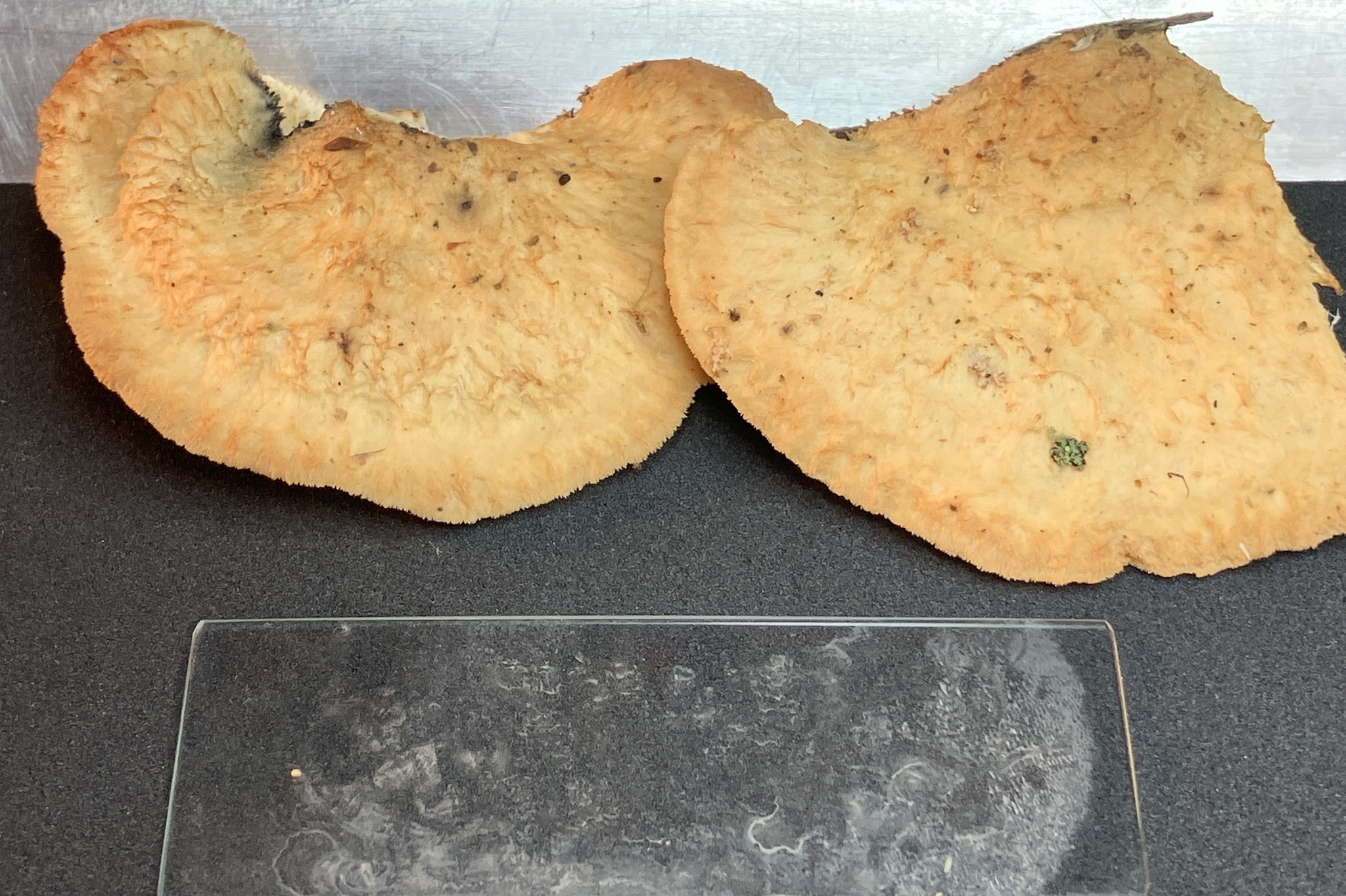
Spore print of Donkia pulcherrima in Maryland (Date obscured). (c) Cindi Fitzgerald, some rights reserved (CC BY-NC)
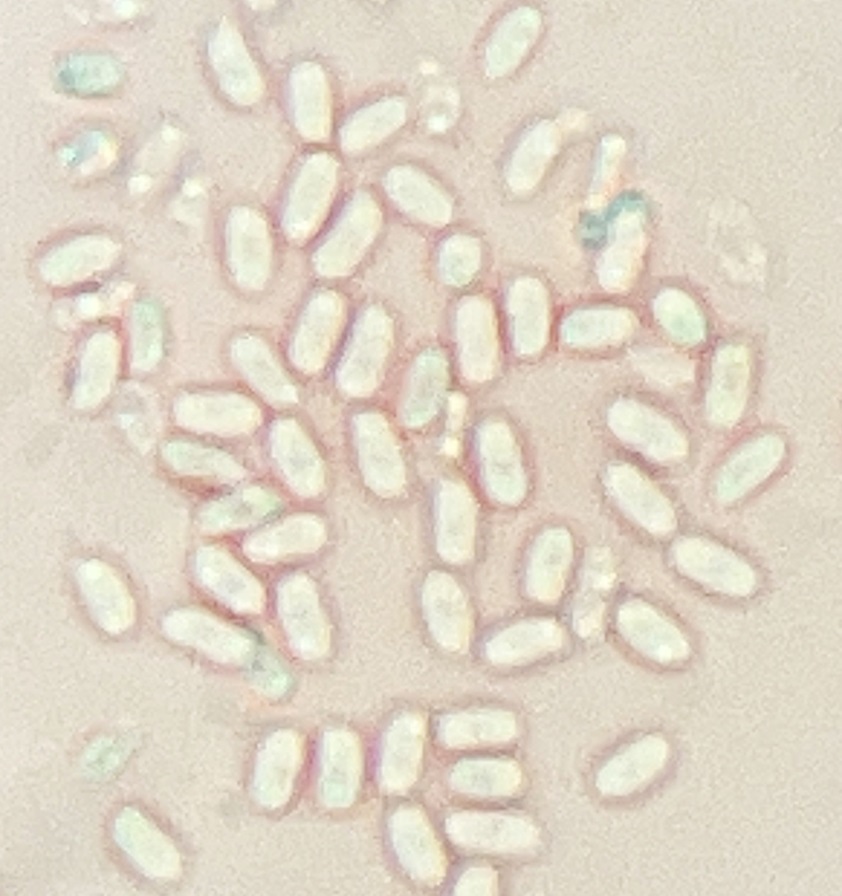
Spores of Donkia pulcherrima in Maryland (Date obscured). (c) Cindi Fitzgerald, some rights reserved (CC BY-NC)
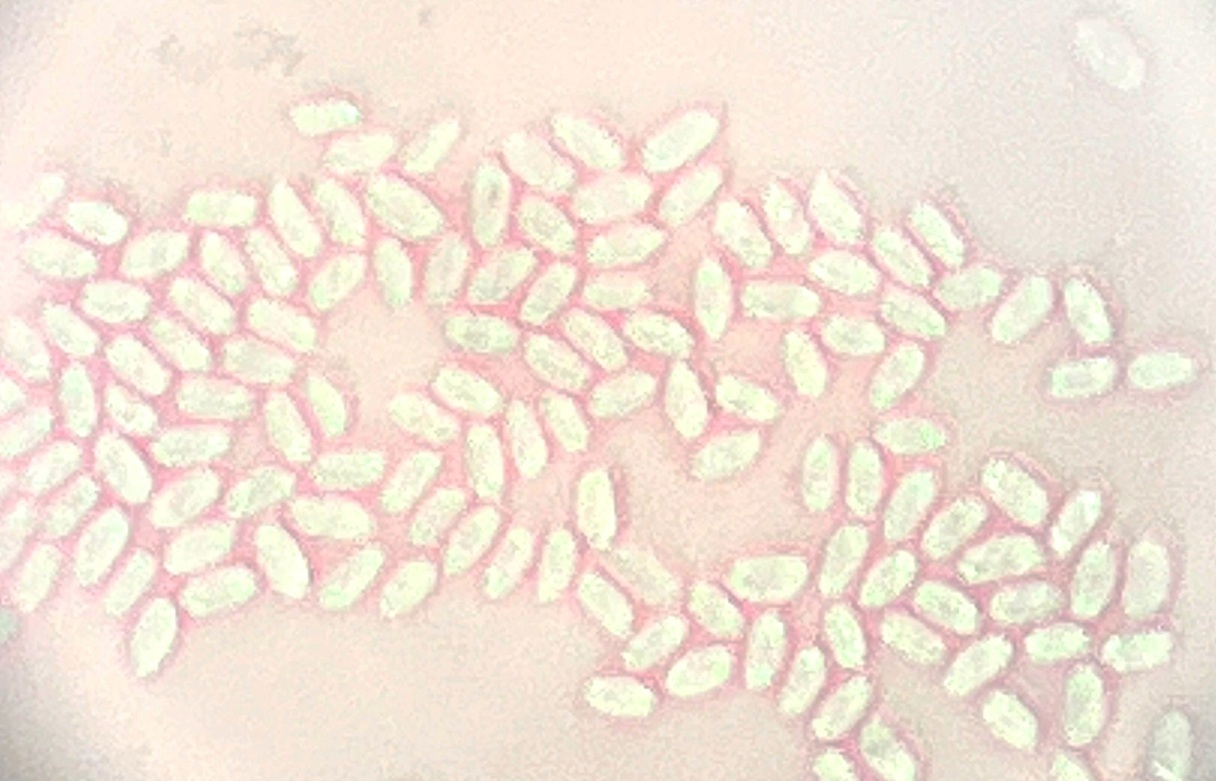
Spores of Donkia pulcherrima in Maryland (Date obscured). (c) Cindi Fitzgerald, some rights reserved (CC BY-NC)
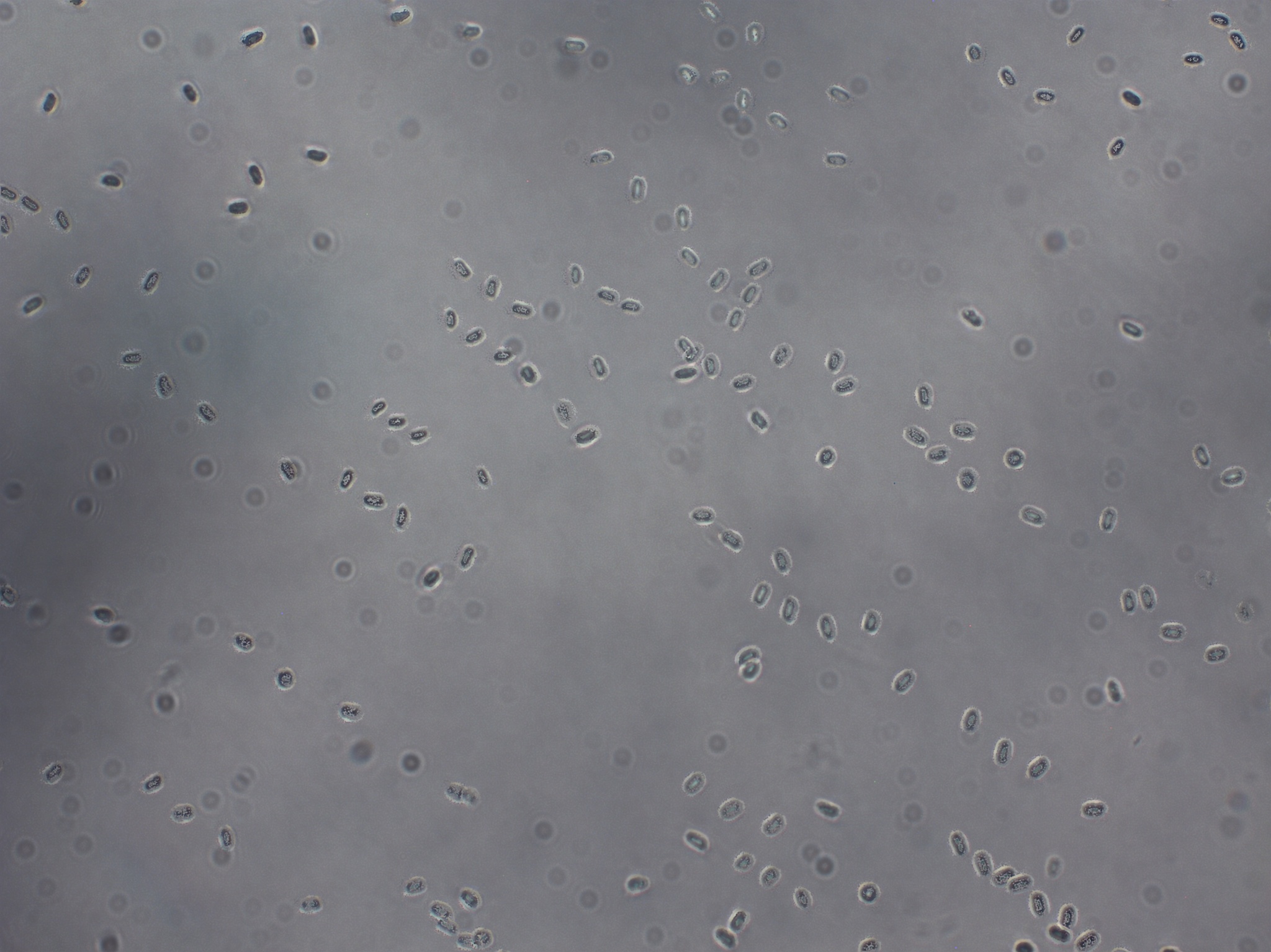
Spores of Donkia pulcherrima in Howard Co., Maryland (8/2/2014). (c) Joanne and Robert Solem, some rights reserved (CC BY-NC)

Spores collected from a Climacodon pulcherrimus specimen in Howard Co., Maryland (8/2/2014). Ellipsoid, smooth, hyaline; measured 4.0-4.8 X 2.0-2.3 microns.
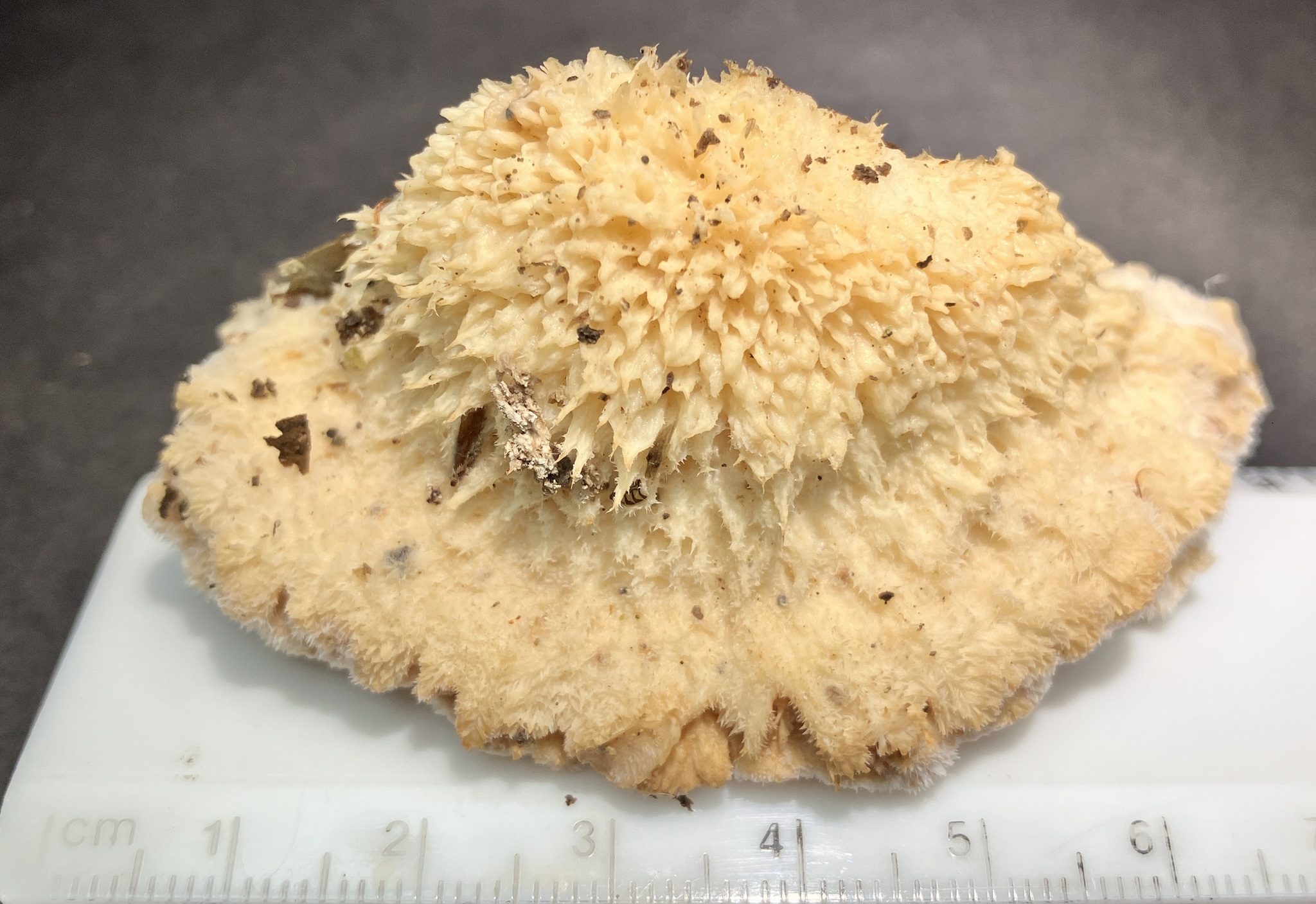
Donkia pulcherrima in Maryland (Date obscured). (c) Cindi Fitzgerald, some rights reserved (CC BY-NC)
Map Snapshot


21 Records
Description
Fruiting body: Whitish to pale tan; semicircular or fan-shaped; densely hairy; white fibrous flesh oozes a clear, sticky liquid. Fertile surface: Densely packed with white spines (1/8"+ [4-5 mm]). Stalk: Short or absent.
Relationships
Found in fused or overlapping clusters on decaying hardwoods. (J. Solem, pers. comm.)
Citations
No citations linked for this taxon yet.
Eating mushrooms can be dangerous. One should do so only with expert advice and great care. MBP accepts no liability for injury sustained in consuming fungi or other biodiversity. Use of media featured on Maryland
Biodiversity Project is only permitted with express permission of the
photographer.
Donkia pulcherrima in Wicomico Co., Maryland (10/9/2022). (c) Cindi Fitzgerald, some rights reserved (CC BY-NC)
View Record Details
Media by
cin579 via iNaturalist.
Donkia pulcherrima in Wicomico Co., Maryland (10/9/2022). (c) Cindi Fitzgerald, some rights reserved (CC BY-NC)
View Record Details
Media by
cin579 via iNaturalist.
Donkia pulcherrima in Wicomico Co., Maryland (10/9/2022). (c) Cindi Fitzgerald, some rights reserved (CC BY-NC)
View Record Details
Media by
cin579 via iNaturalist.
Donkia pulcherrima in Wicomico Co., Maryland (10/9/2022). (c) Cindi Fitzgerald, some rights reserved (CC BY-NC)
View Record Details
Media by
cin579 via iNaturalist.
Donkia pulcherrima in Howard Co., Maryland (8/2/2014). (c) Joanne and Robert Solem, some rights reserved (CC BY-NC)
View Record Details
Media by
Joanne Solem.
Donkia pulcherrima in Howard Co., Maryland (8/2/2014). (c) Joanne and Robert Solem, some rights reserved (CC BY-NC)
View Record Details
Media by
Joanne Solem.
Donkia pulcherrima in Maryland (Date obscured). (c) Cindi Fitzgerald, some rights reserved (CC BY-NC)
View Record Details
Media by
cin579 via iNaturalist.
Donkia pulcherrima in Maryland (Date obscured). (c) Cindi Fitzgerald, some rights reserved (CC BY-NC)
View Record Details
Media by
cin579 via iNaturalist.
Climacodon pulcherrimus (infertile surface) in Howard Co., Maryland (8/2/2014).
View Record Details
Media by
Joanne Solem.
Climacodon pulcherrimus (fertile surface with spines) in Howard Co., Maryland (8/2/2014).
View Record Details
Media by
Joanne Solem.
Climacodon pulcherrimus (cross-section of fruiting body) in Howard Co., Maryland (8/2/2014). KOH turned spot of flesh pink.
View Record Details
Media by
Joanne Solem.
Spore print of Donkia pulcherrima in Maryland (Date obscured). (c) Cindi Fitzgerald, some rights reserved (CC BY-NC)
View Record Details
Media by
cin579 via iNaturalist.
Spores of Donkia pulcherrima in Maryland (Date obscured). (c) Cindi Fitzgerald, some rights reserved (CC BY-NC)
View Record Details
Media by
cin579 via iNaturalist.
Spores of Donkia pulcherrima in Maryland (Date obscured). (c) Cindi Fitzgerald, some rights reserved (CC BY-NC)
View Record Details
Media by
cin579 via iNaturalist.
Spores of Donkia pulcherrima in Howard Co., Maryland (8/2/2014). (c) Joanne and Robert Solem, some rights reserved (CC BY-NC)
View Record Details
Media by
Joanne Solem.
Spores collected from a Climacodon pulcherrimus specimen in Howard Co., Maryland (8/2/2014). Ellipsoid, smooth, hyaline; measured 4.0-4.8 X 2.0-2.3 microns.
View Record Details
Media by
Robert Solem.
Donkia pulcherrima in Maryland (Date obscured). (c) Cindi Fitzgerald, some rights reserved (CC BY-NC)
View Record Details
Media by
cin579 via iNaturalist.
Source: Wikipedia
| Climacodon pulcherrimus | |
|---|---|

| |
Scientific classification 
| |
| Kingdom: | Fungi |
| Division: | Basidiomycota |
| Class: | Agaricomycetes |
| Order: | Polyporales |
| Family: | Phanerochaetaceae |
| Genus: | Climacodon |
| Species: | C. pulcherrimus
|
| Binomial name | |
| Climacodon pulcherrimus | |
| Synonyms | |
| |
Climacodon pulcherrimus is a white rot–causing species of tooth fungus in the family Phanerochaetaceae.
The species was first described as a species of Hydnum by Miles Berkeley and Moses Ashley Curtis in 1849.[2] T. L. Nikolajeva transferred it to its current genus, Climacodon, in 1962,[3] but research published in 2007 suggests it should be placed in a different genus.[4]
It is widely distributed in subtropical and tropical areas, where it grows on decomposing hardwoods, causing a white rot.[5]
References
[edit]- ^ Peck, C.H. (1907). "New Species of Fungi". Bulletin of the Torrey Botanical Club. 34 (7): 345–349. doi:10.2307/2478989. JSTOR 2478989.
- ^ Berkeley, M.J.; Curtis, M.A. (1849). "Decades of fungi. Decades XXIII and XXIV. North and South Carolina Fungi". Hooker's Journal of Botany and Kew Garden Miscellany. 1: 234–239.
- ^ Nikolajeva, T.L. (1961). Flora plantarum cryptogamarum URSS. Fungi. Familia Hydnaceae (in Russian). Vol. 6. Moscow, Leningrad. p. 194.
{{cite book}}: CS1 maint: location missing publisher (link) - ^ Moreno, G.; Blanco, M.N.; Olariaga, I.; Checa, J. (2007). "Climacodon pulcherrimus a badly known tropical species, present in Europe". Cryptogamie, Mycologie. 28 (1): 3–11.
- ^ Kuo, Michael (May 2010). "Climacodon pulcherrimus". MushroomExpert.com. Retrieved 2014-08-08.
 | This Polyporales-related article is a stub. You can help Wikipedia by adding missing information. |