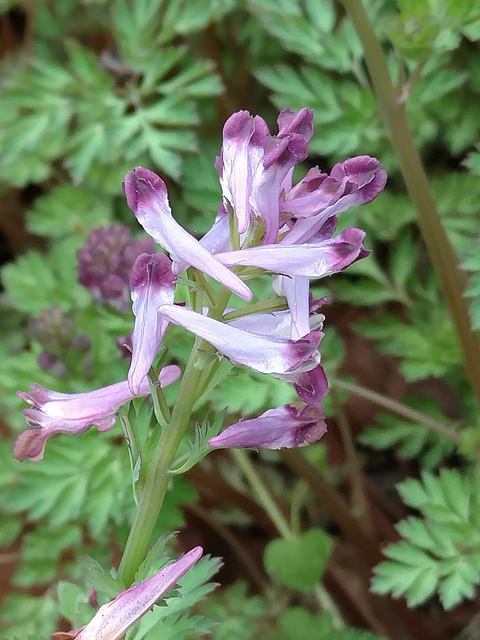
Incised Fumewort in Washington Co., Maryland (4/15/2018).

Incised Fumewort in Washington Co., Maryland (4/15/2018).

Incised Fumewort in Montgomery Co., Maryland (4/22/2019).
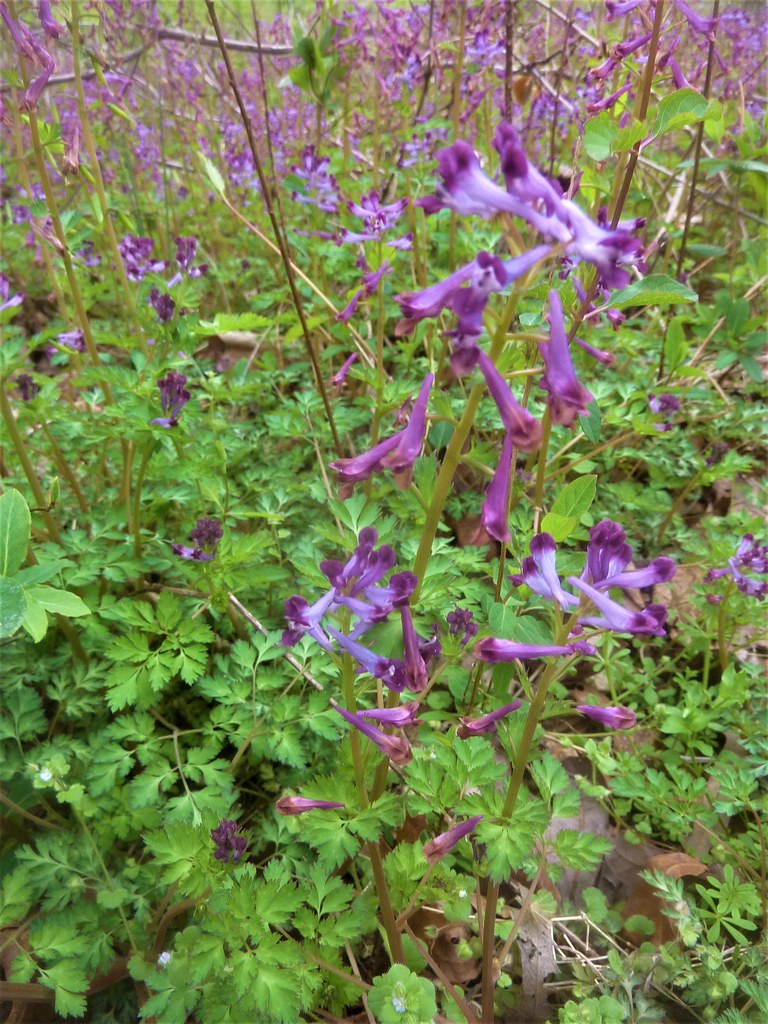
Incised Fumewort in Montgomery Co., Maryland (March 27, 2020).
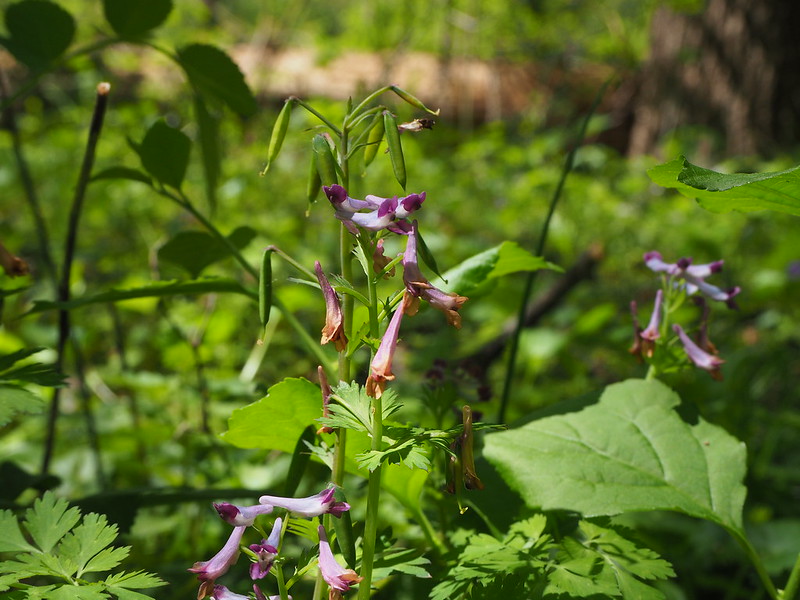
Incised Fumewort in Montgomery Co., Maryland (4/22/2019).
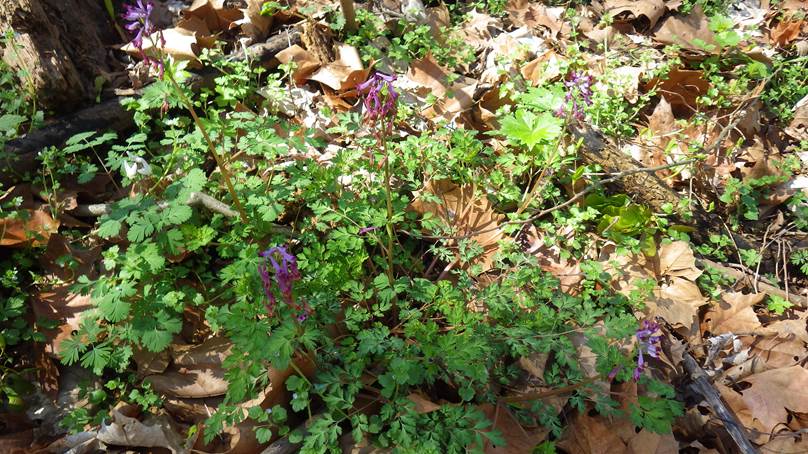
Incised Fumewort in Montgomery Co., Maryland (3/30/2020).

Incised Fumewort in Montgomery Co., Maryland (3/21/2020). (c) thosmoore, some rights reserved (CC BY-NC).
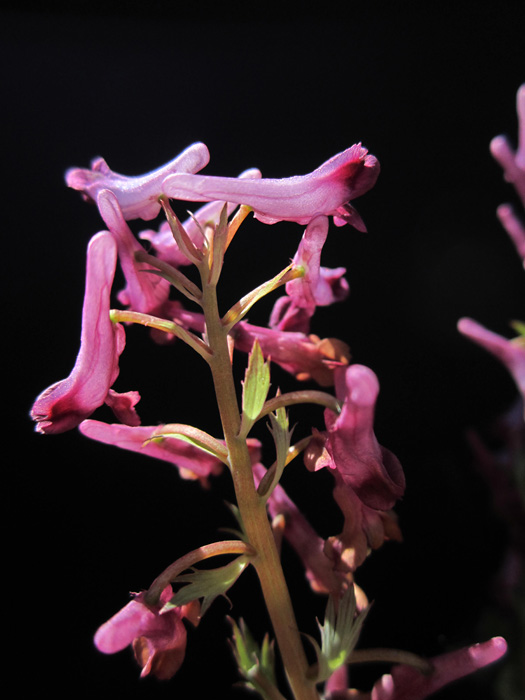
Incised Fumewort (portion of flower spike) in Howard Co., Maryland (4/24/2014).
Photo by
Joanne Solem
MBP List
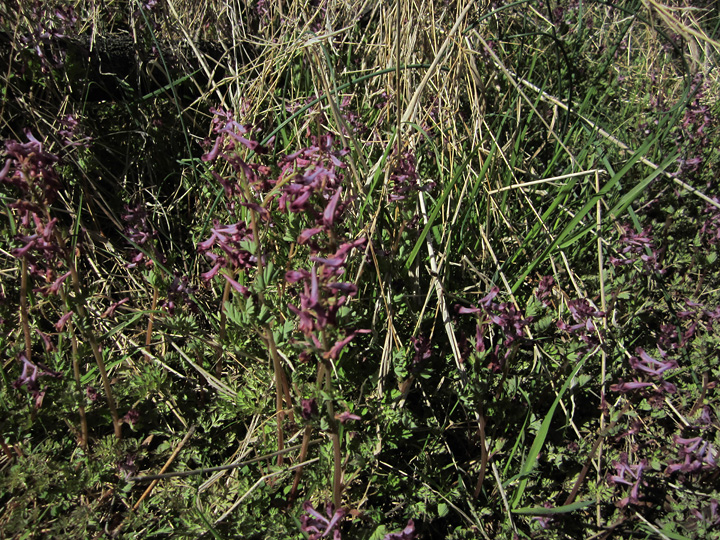
Incised Fumewort blooming in Howard Co., Maryland (4/24/2014).
Photo by
Joanne Solem
MBP List
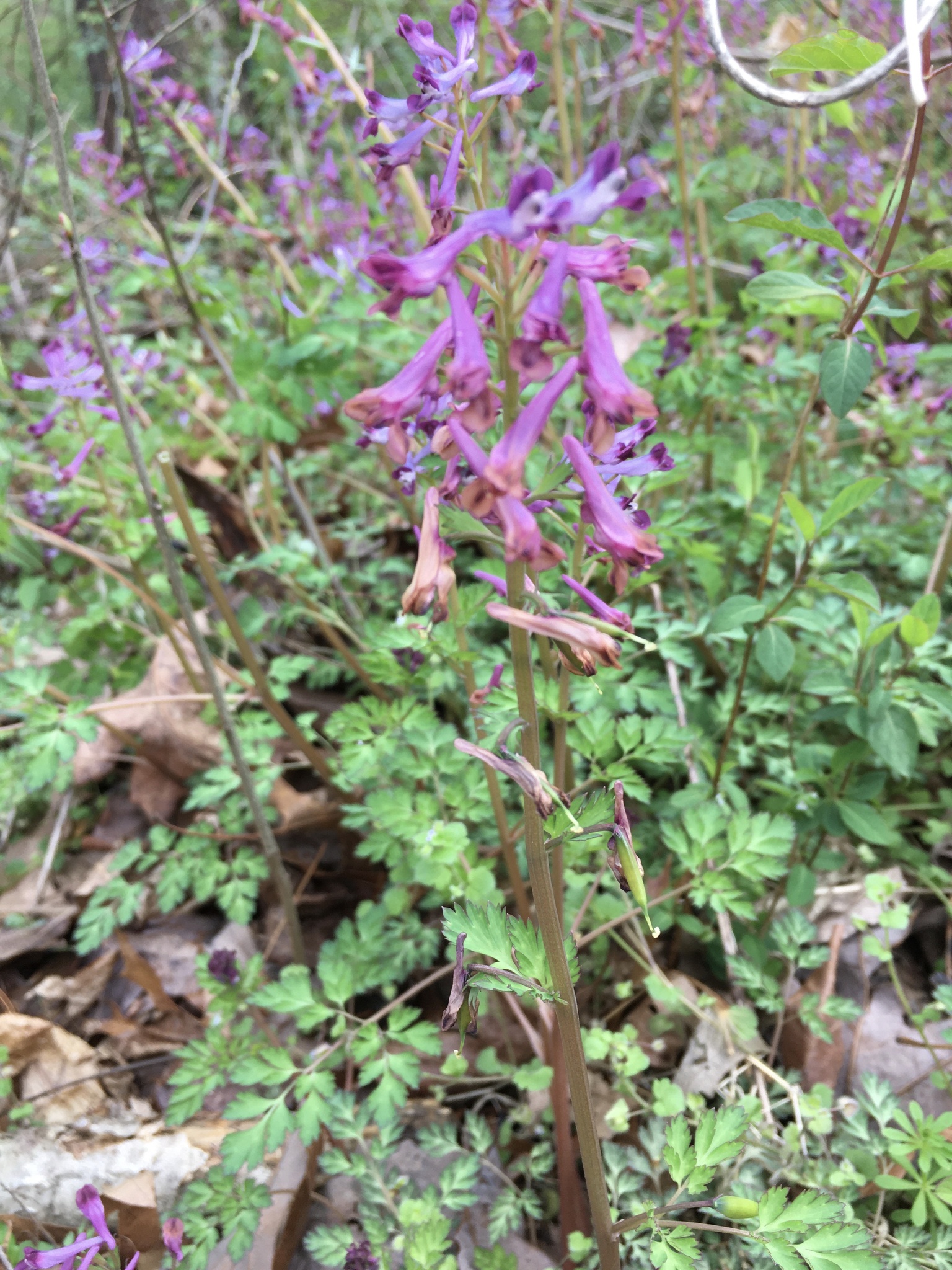
Incised Fumewort in Montgomery Co., Maryland (3/27/2020). (c) Jane Hill, some rights reserved (CC BY-NC).
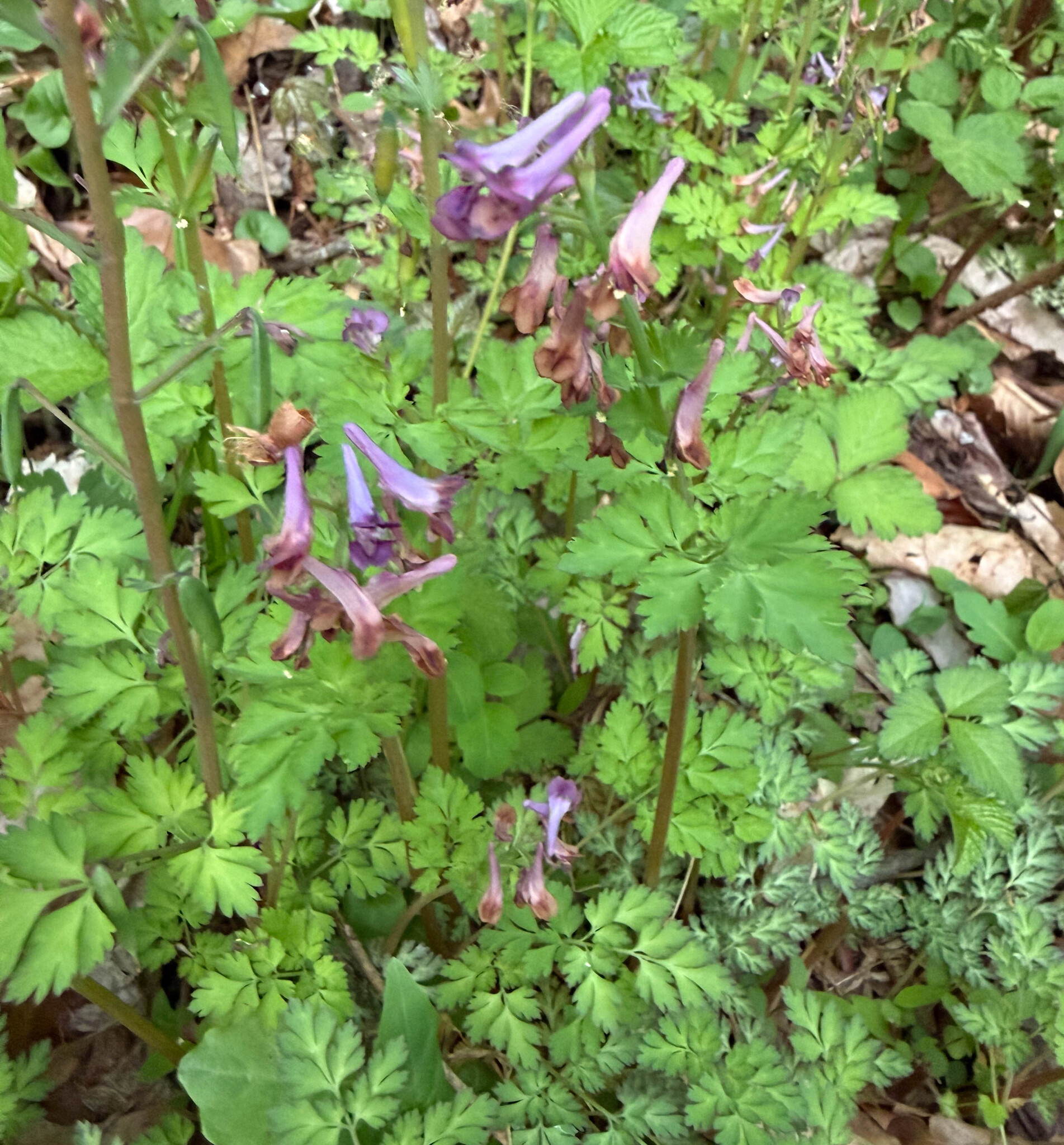
Incised Fumewort in Howard Co., Maryland (Date obscured). (c) johnbotany, all rights reserved
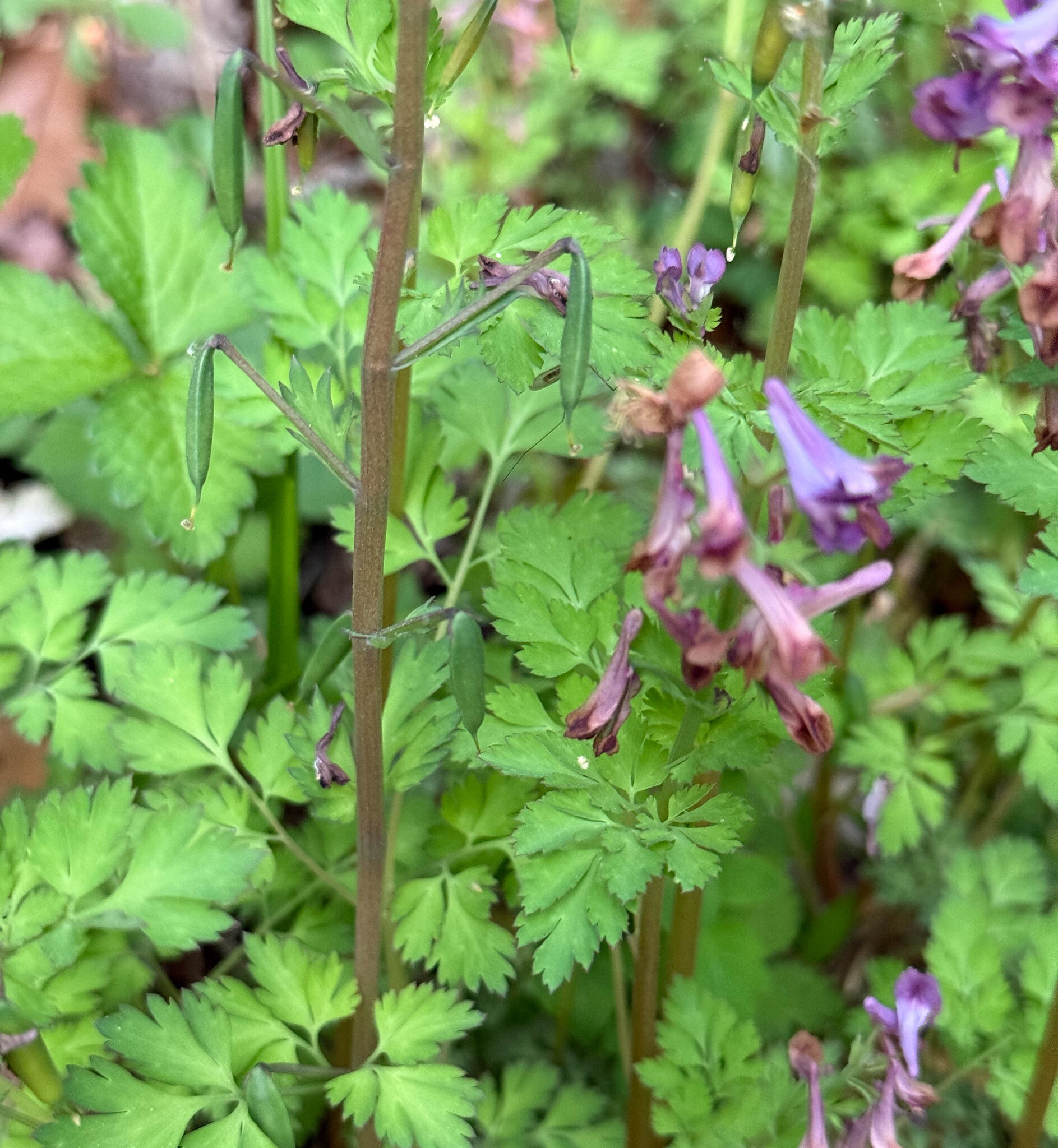
Incised Fumewort in Howard Co., Maryland (Date obscured). (c) johnbotany, all rights reserved
Map Snapshot


107 Records
Status
Incised Fumewort is native to Asia. It was first discovered as an escape from cultivation in New York in 2005. It is now known from several States on the East Coast including Maryland.
Description
Incised Fumewort should be compared to Drug Fumitory. Without flowers, it can be difficult to distinguish Incised Fumewort from other Papaveraceae. Plants with flowers and fruits can be confidently identified. The pink to purple flower color sets this species apart from other locally-occurring Papaveraceae except Drug Fumitory. Drug Fumitory has globose fruits while Incised Fumewort has elongate, flattened fruits.
Where To Find
Incised Fumewort can be found in disturbed habitats including flood plains, roadsides and along trails. It seems to be particularly common along the suburban corridor between Washington, D.C. and Baltimore. However, the range of this species is expanding rapidly.
Citations
No citations linked for this taxon yet.
MBP marks as "Invasive" any taxon listed in the Maryland Invasive Species Council (MISC) list of Invasive Species of Concern in Maryland. You can read their criteria and review the lists here: https://mdinvasives.org/species-of-concern/. Use of media featured on Maryland
Biodiversity Project is only permitted with express permission of the
photographer.
Incised Fumewort in Washington Co., Maryland (4/15/2018).
View Record Details
Media by
Wayne Longbottom.
Incised Fumewort in Washington Co., Maryland (4/15/2018).
View Record Details
Media by
Wayne Longbottom.
Incised Fumewort in Montgomery Co., Maryland (4/22/2019).
View Record Details
Media by
Kevin McDonald.
Incised Fumewort in Montgomery Co., Maryland (March 27, 2020).
View Record Details
Media by
Bill Hill.
Incised Fumewort in Montgomery Co., Maryland (4/22/2019).
View Record Details
Media by
Kevin McDonald.
Incised Fumewort in Montgomery Co., Maryland (3/30/2020).
View Record Details
Media by
Rod Simmons.
Incised Fumewort in Montgomery Co., Maryland (3/21/2020). (c) thosmoore, some rights reserved (CC BY-NC).
View Record Details
Media by
thosmoore via iNaturalist.
Incised Fumewort (portion of flower spike) in Howard Co., Maryland (4/24/2014).
Media by
Joanne Solem.
Incised Fumewort blooming in Howard Co., Maryland (4/24/2014).
Media by
Joanne Solem.
Incised Fumewort in Montgomery Co., Maryland (3/27/2020). (c) Jane Hill, some rights reserved (CC BY-NC).
View Record Details
Media by
Jane Hill.
Incised Fumewort in Howard Co., Maryland (Date obscured). (c) johnbotany, all rights reserved
View Record Details
Media by
John Hall.
Incised Fumewort in Howard Co., Maryland (Date obscured). (c) johnbotany, all rights reserved
View Record Details
Media by
John Hall.