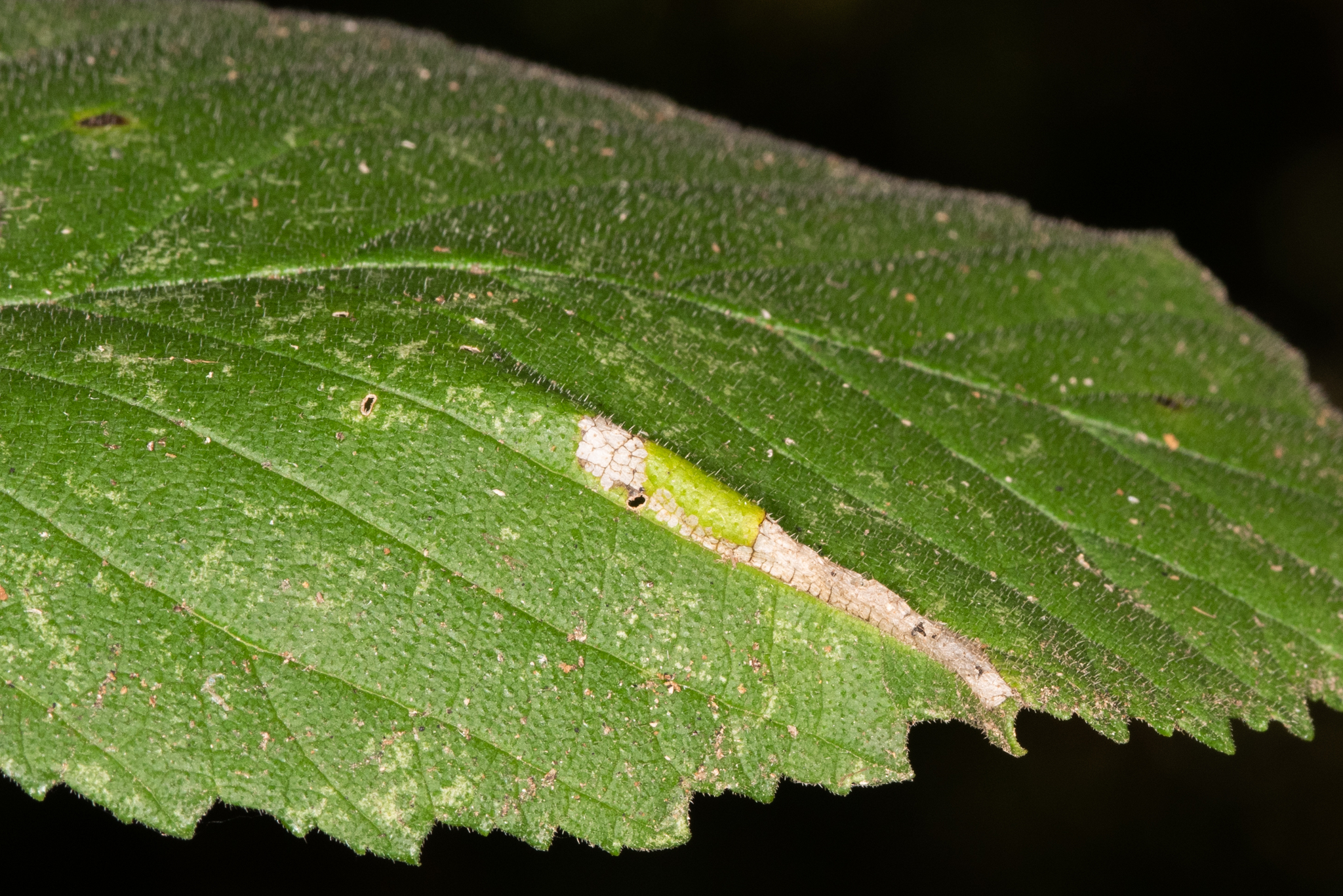
Phyllonorycter argentinotella in Washington Co., Maryland (9/30/2020). (c) Mark Etheridge, some rights reserved (CC BY-NC).
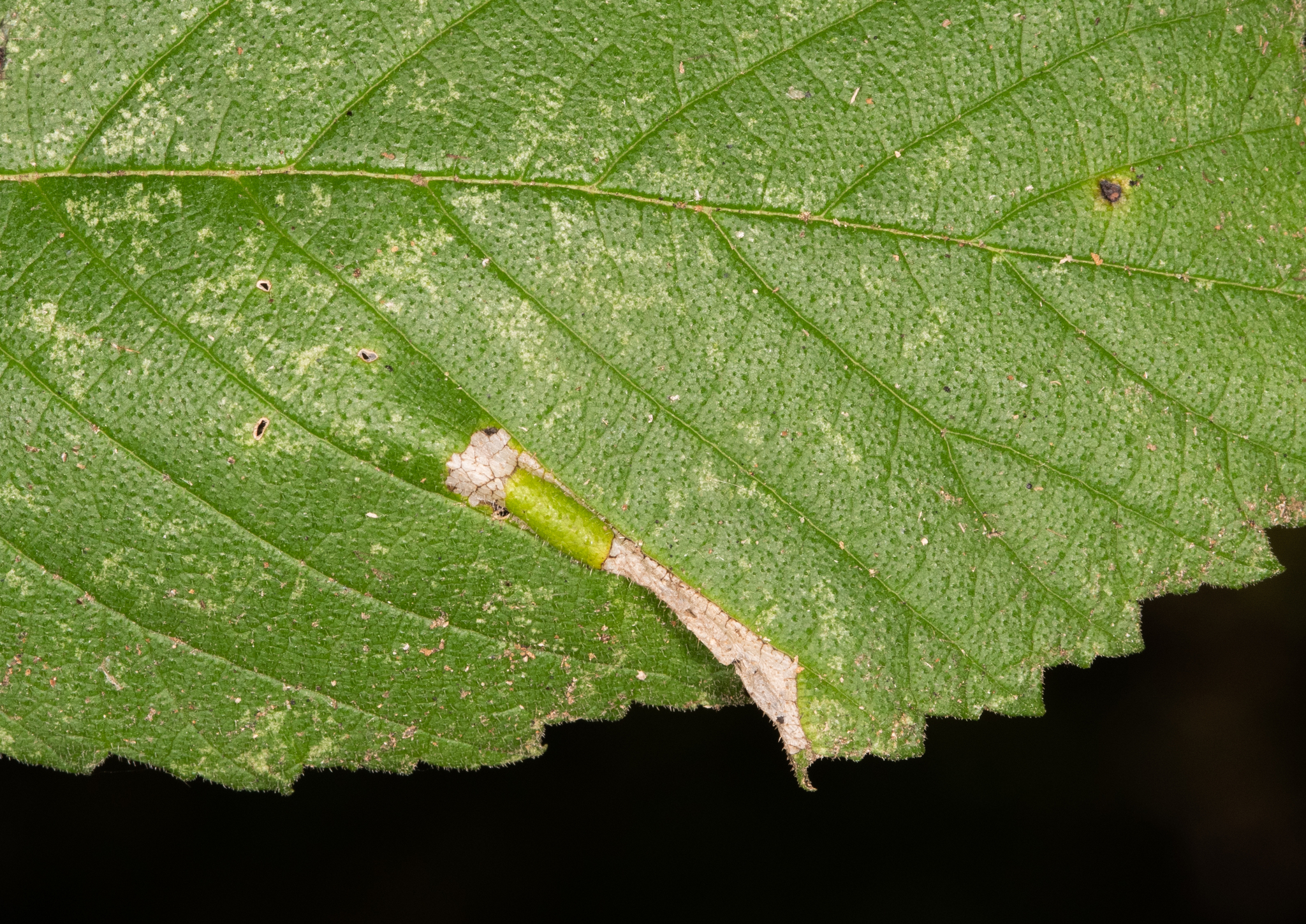
Phyllonorycter argentinotella in Washington Co., Maryland (9/30/2020). (c) Mark Etheridge, some rights reserved (CC BY-NC).
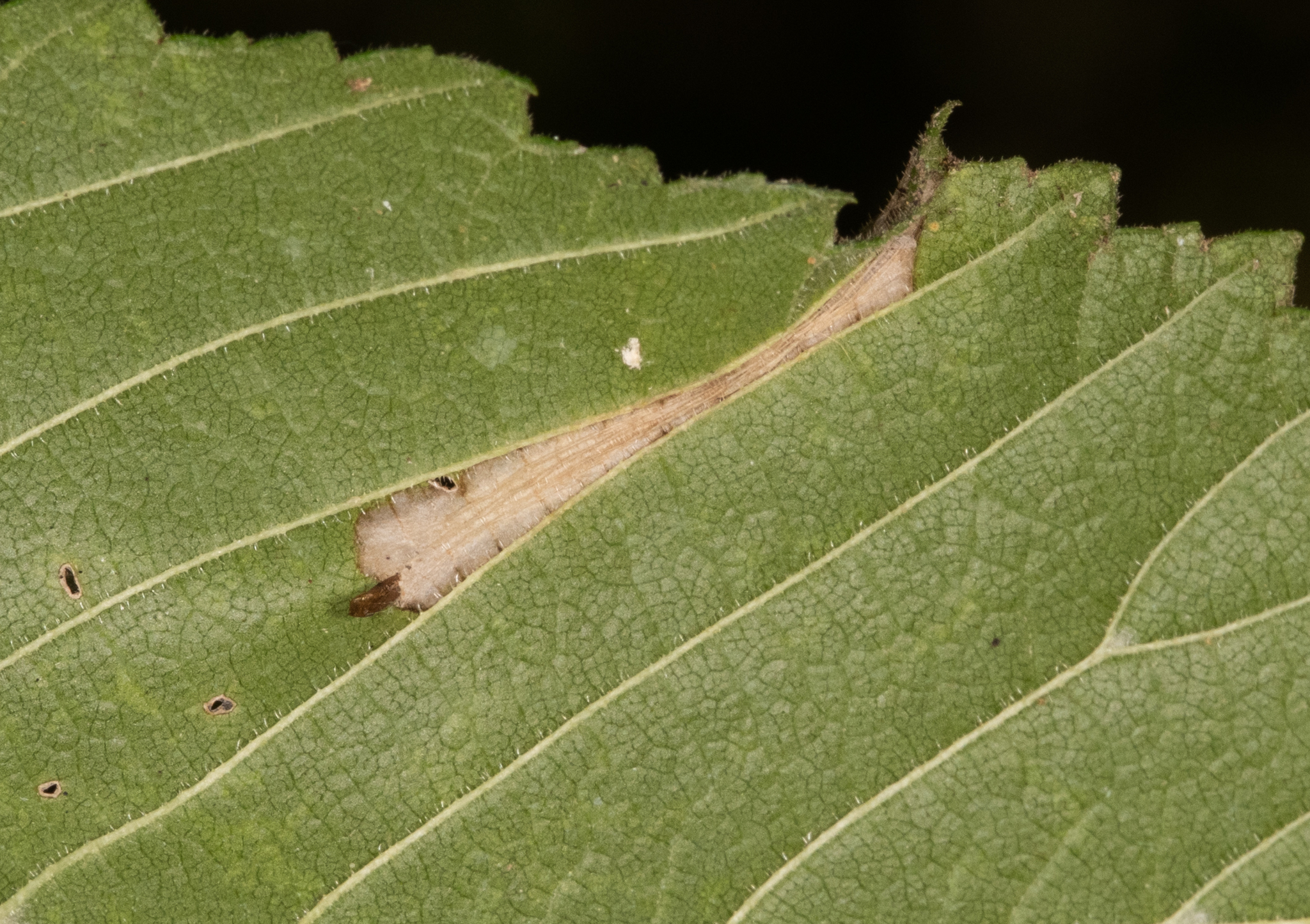
Phyllonorycter argentinotella in Washington Co., Maryland (9/30/2020). (c) Mark Etheridge, some rights reserved (CC BY-NC).
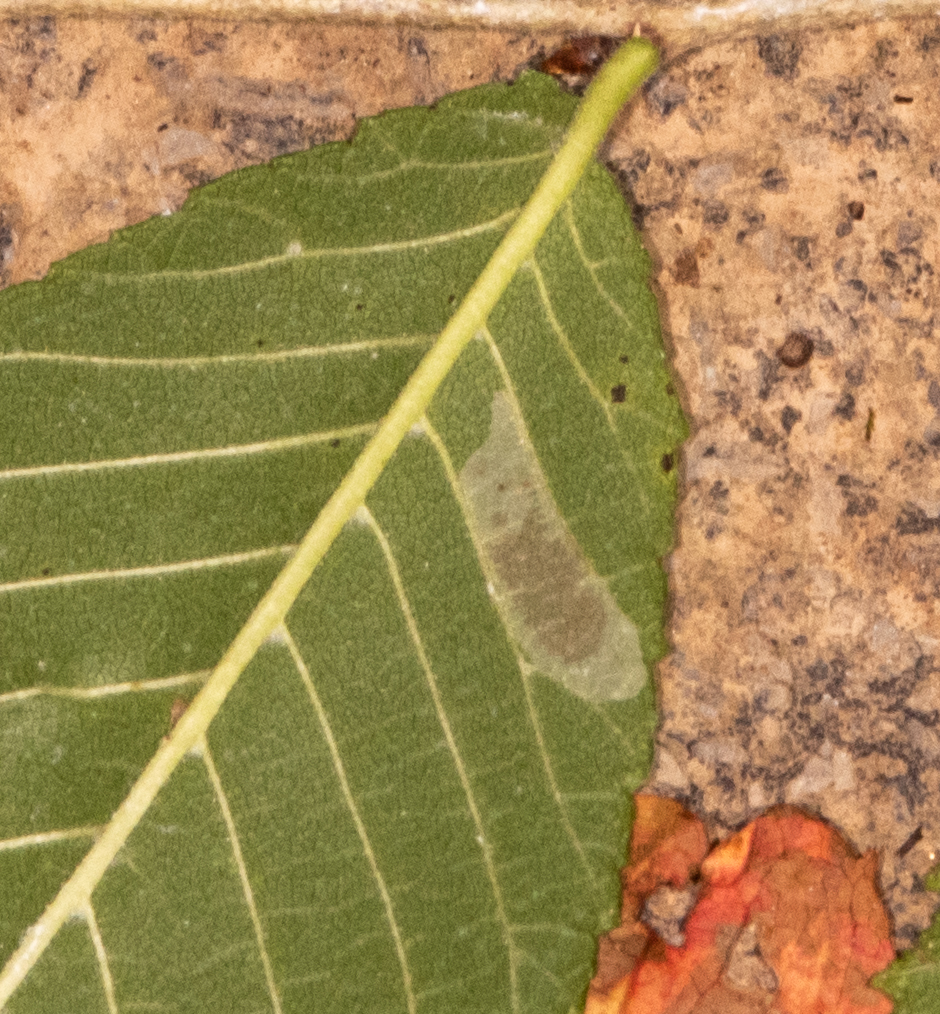
Phyllonorycter argentinotella in Washington Co., Maryland (9/30/2020). (c) Mark Etheridge, some rights reserved (CC BY-NC).

A Phyllonorycter argentinotella mine on an Ulmus leaf in Baltimore City, Maryland (7/29/2013). Determined by Charley Eiseman/BugGuide.
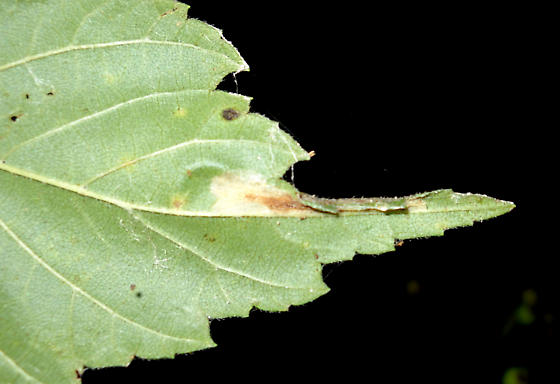
A Phyllonorycter argentinotella mine on an Ulmus leaf in Baltimore City, Maryland (7/29/2013). Determined by Charley Eiseman/BugGuide.
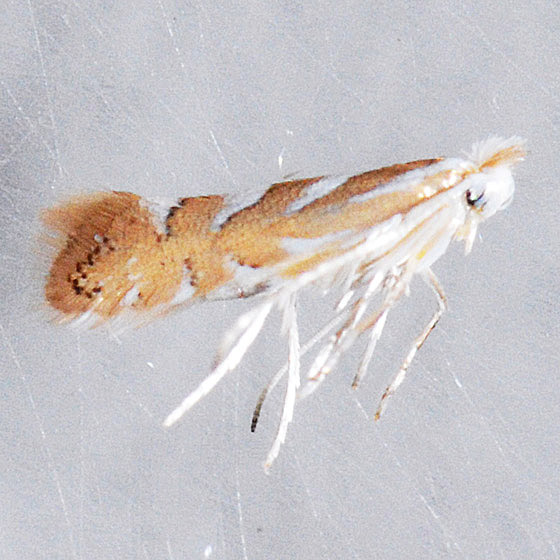
A Phyllonorycter argentinotella in Washington Co., Oklahoma (5/31/2010).
Map Snapshot


7 Records
Citations
No citations linked for this taxon yet.
Use of media featured on Maryland
Biodiversity Project is only permitted with express permission of the
photographer.
Phyllonorycter argentinotella in Washington Co., Maryland (9/30/2020). (c) Mark Etheridge, some rights reserved (CC BY-NC).
View Record Details
Media by
Mark Etheridge.
Phyllonorycter argentinotella in Washington Co., Maryland (9/30/2020). (c) Mark Etheridge, some rights reserved (CC BY-NC).
View Record Details
Media by
Mark Etheridge.
Phyllonorycter argentinotella in Washington Co., Maryland (9/30/2020). (c) Mark Etheridge, some rights reserved (CC BY-NC).
View Record Details
Media by
Mark Etheridge.
Phyllonorycter argentinotella in Washington Co., Maryland (9/30/2020). (c) Mark Etheridge, some rights reserved (CC BY-NC).
View Record Details
Media by
Mark Etheridge.
A Phyllonorycter argentinotella mine on an Ulmus leaf in Baltimore City, Maryland (7/29/2013). Determined by Charley Eiseman/BugGuide.
View Record Details
Media by
Thomas Wilson.
A Phyllonorycter argentinotella mine on an Ulmus leaf in Baltimore City, Maryland (7/29/2013). Determined by Charley Eiseman/BugGuide.
View Record Details
Media by
Thomas Wilson.
A Phyllonorycter argentinotella in Washington Co., Oklahoma (5/31/2010).
View Record Details
Media by
Mark Dreiling.
Source: Wikipedia
| Phyllonorycter argentinotella | |
|---|---|

| |
Scientific classification 
| |
| Kingdom: | Animalia |
| Phylum: | Arthropoda |
| Clade: | Pancrustacea |
| Class: | Insecta |
| Order: | Lepidoptera |
| Family: | Gracillariidae |
| Genus: | Phyllonorycter |
| Species: | P. argentinotella
|
| Binomial name | |
| Phyllonorycter argentinotella | |
| Synonyms | |
| |
Phyllonorycter argentinotella is a moth of the family Gracillariidae. It is known from Québec in Canada and Illinois, Kentucky, Pennsylvania, New York, Vermont, Connecticut and Massachusetts in the United States.[2]
The wingspan is 6.5–8 mm.
The larvae feed on Ulmus species, including Ulmus americana, Ulmus fulva and Ulmus rubra. They mine the leaves of their host plant.
References
[edit]External links
[edit]
 | This article relating to moths in genus Phyllonorycter is a stub. You can help Wikipedia by adding missing information. |