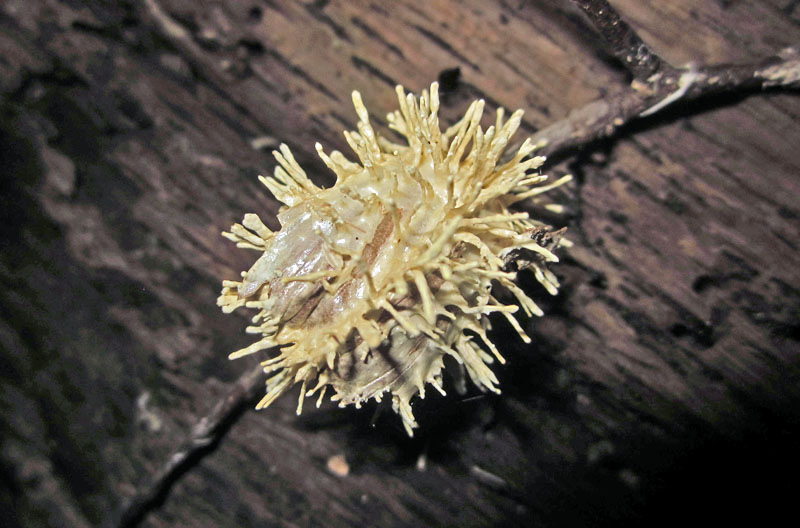
Akanthomyces aculeatus infecting moth specimen in Howard Co., Maryland (9/21/2018). Photo shows host moth with fungal rods covered with conidia (asexual spores).
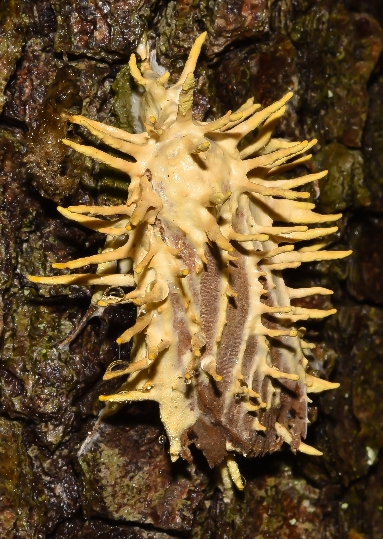
A moth parasitized by Akanthomyces aculeatus in Howard Co., Maryland (2/11/2018). Determined by Alan Bessette via microscopic examination.
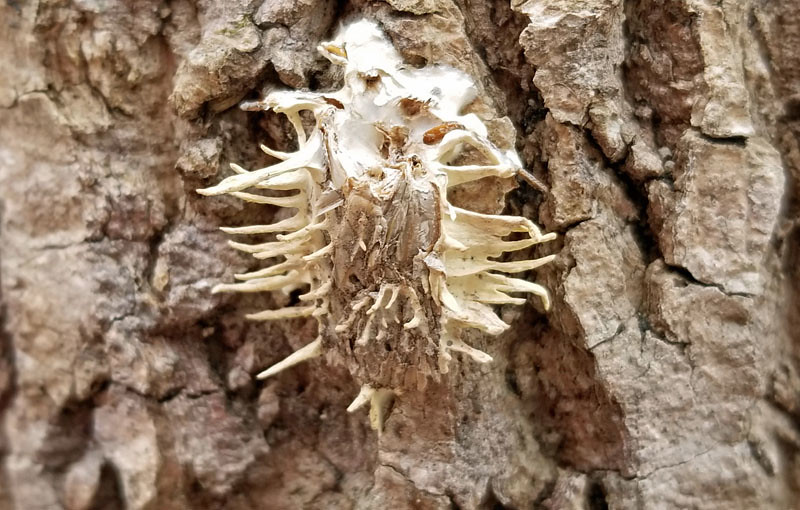
Akanthomyces aculeatus infecting a moth specimen in Howard Co., Maryland (1/23/2019). Verified by Jo Solem. Identification based solely on macrocharacteristics.
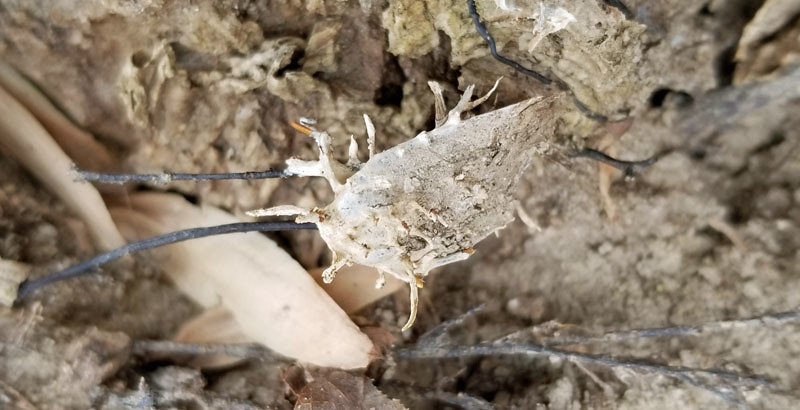
Akanthomyces aculeatus infecting a moth specimen in Howard Co., Maryland (1/23/2019). Verified by Jo Solem. Identification based solely on macrocharacteristics.
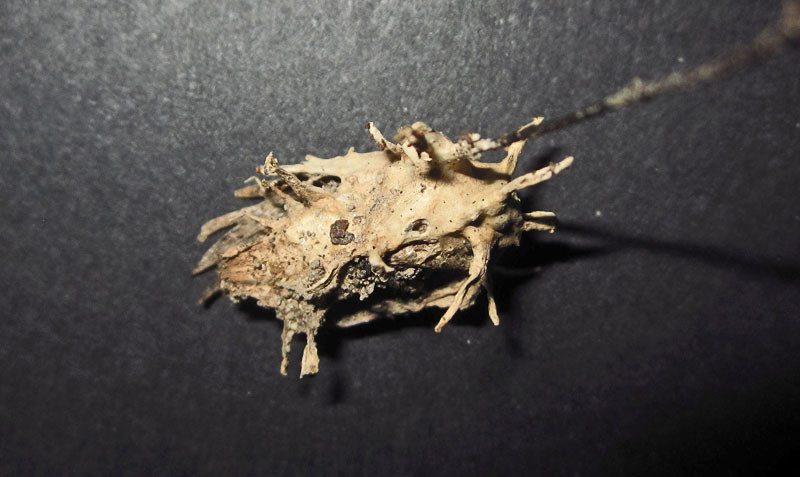
Akanthomyces aculeatus infecting a moth specimen in Howard Co., Maryland (1/23/2019). Identification based solely on macrocharacteristics.
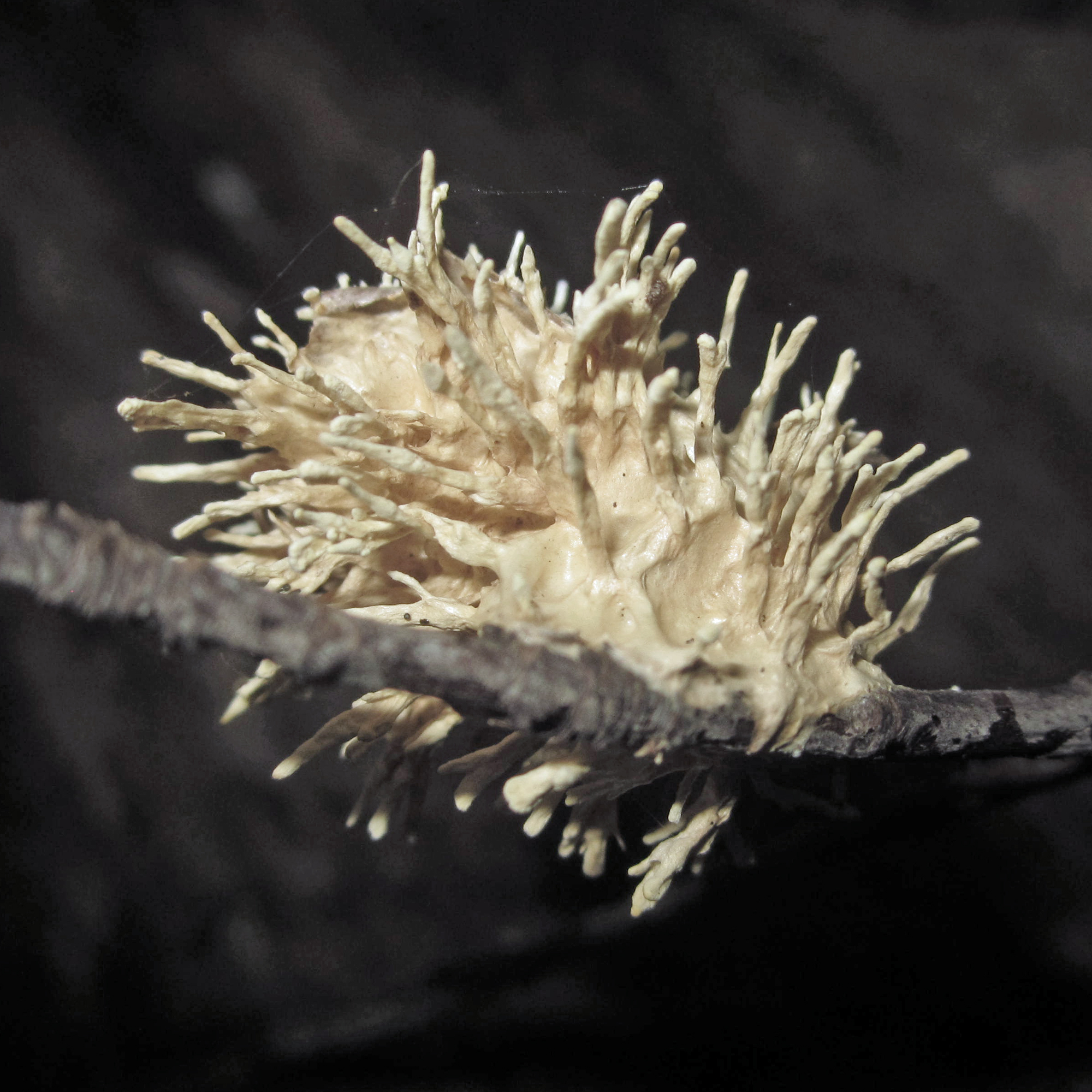
Akanthomyces aculeatus in Howard Co., Maryland (9/21/2018). (c) Joanne and Robert Solem, some rights reserved (CC BY-NC).

Akanthomyces aculeatus infecting a moth specimen in Howard Co., Maryland (1/8/2019). Verified by Jo Solem. Identification based solely on macrocharacteristics.

Akanthomyces aculeatus in Howard Co., Maryland (2/17/2020). Determined by Jo Solem.
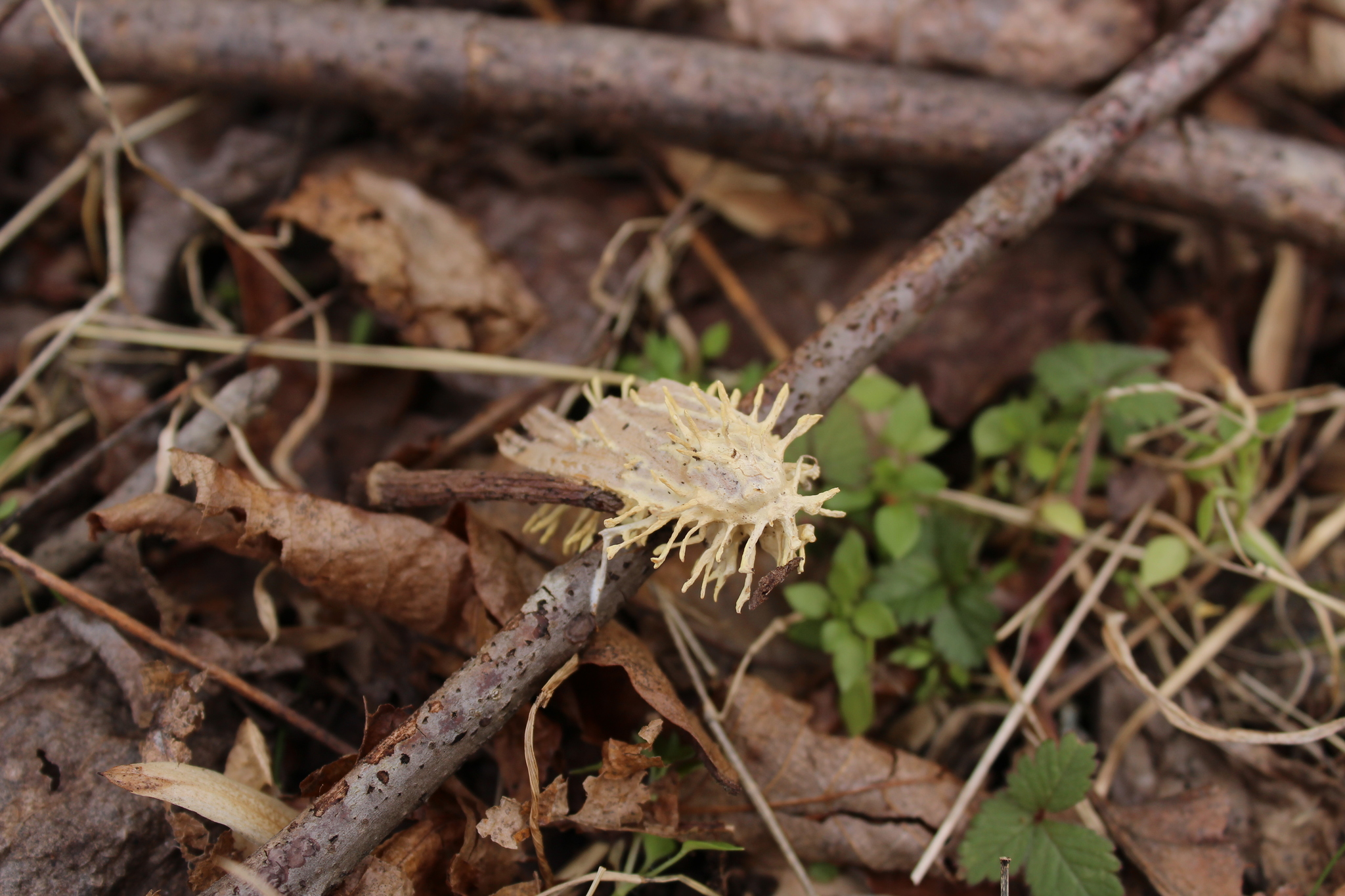
Akanthomyces aculeatus in Howard Co., Maryland (2/15/2020). (c) prettycoolman, some rights reserved (CC BY-NC).
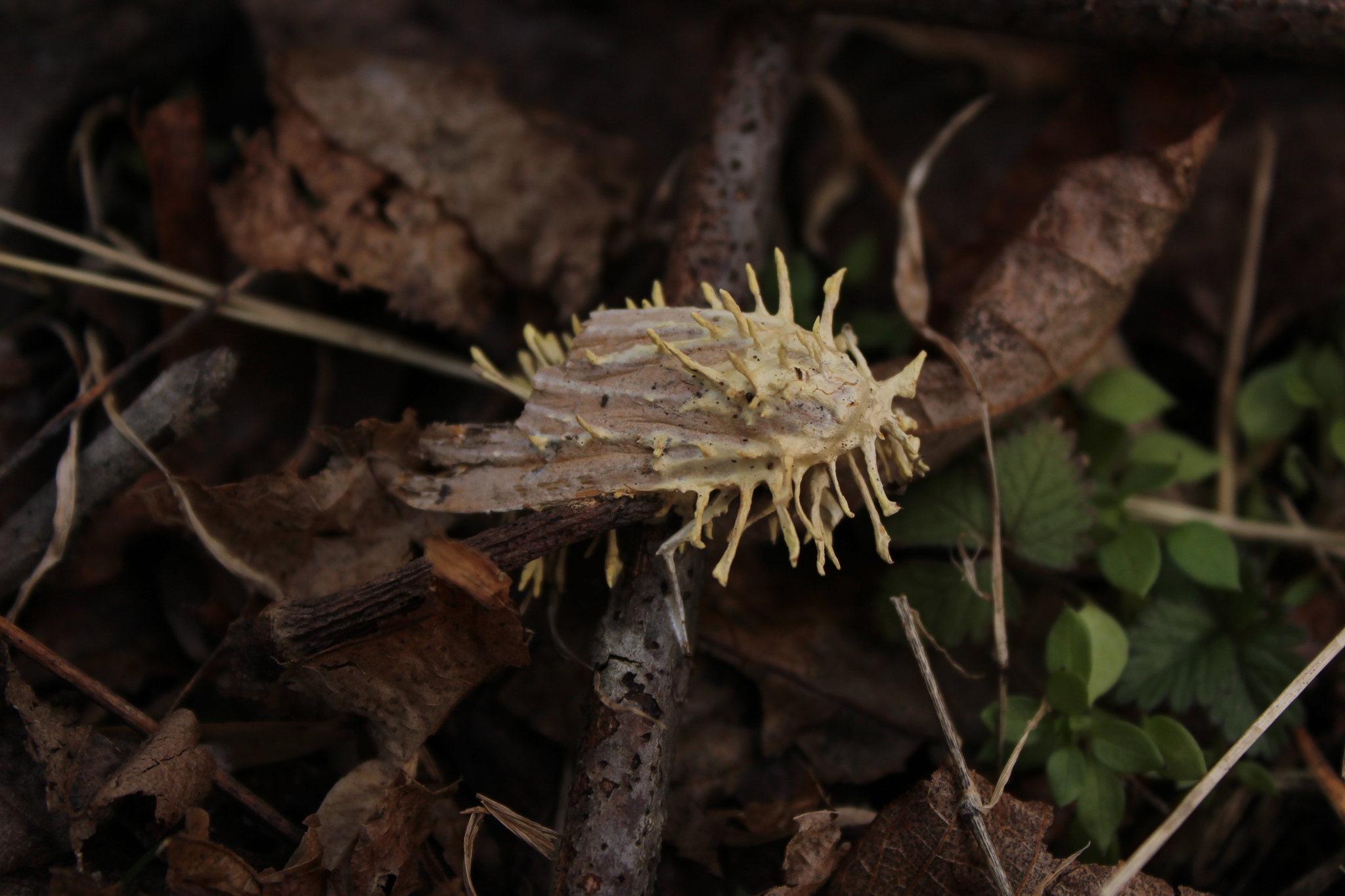
Akanthomyces aculeatus in Howard Co., Maryland (2/15/2020). (c) prettycoolman, some rights reserved (CC BY-NC).
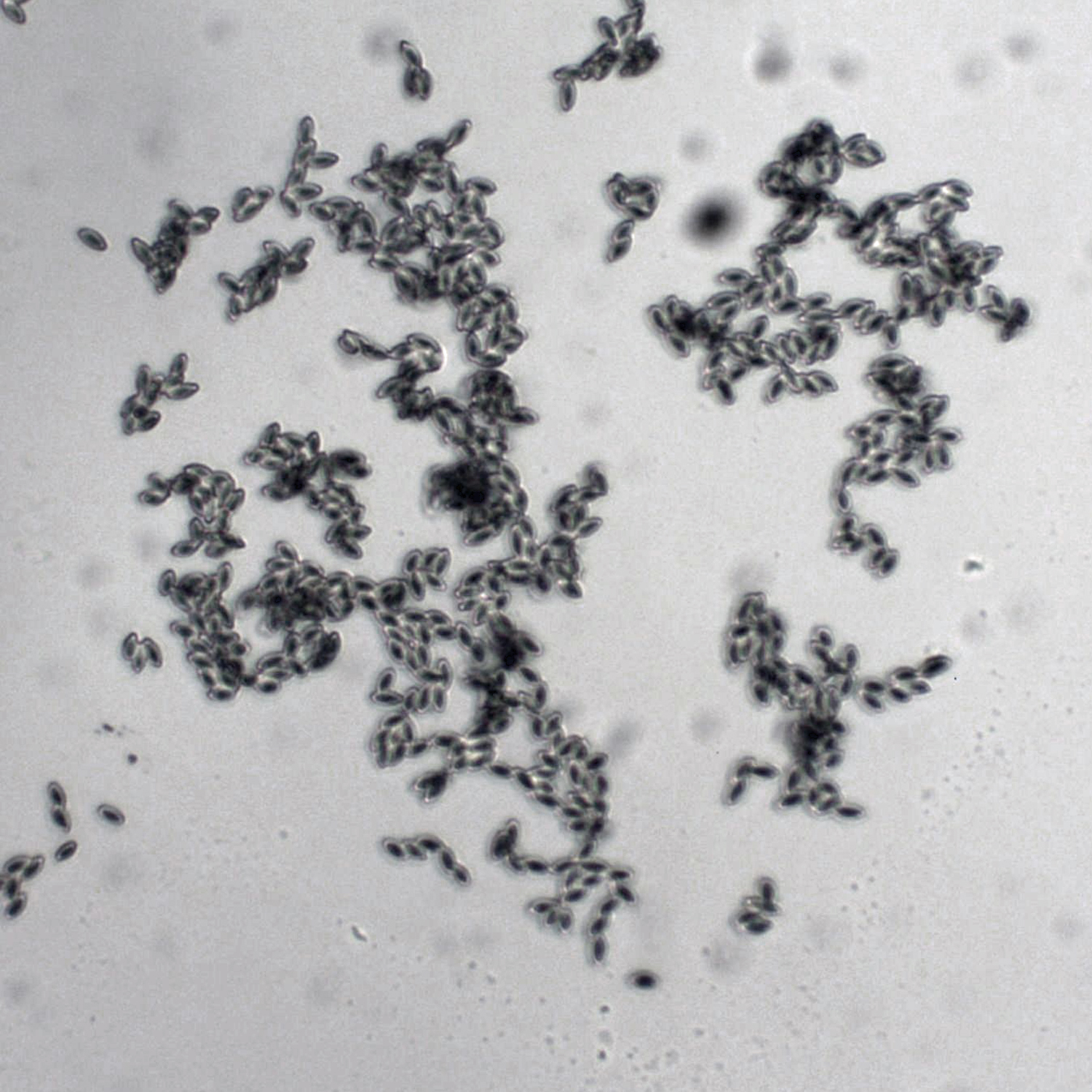
Spores of Akanthomyces aculeatus in Howard Co., Maryland (9/21/2018). (c) Joanne and Robert Solem, some rights reserved (CC BY-NC).
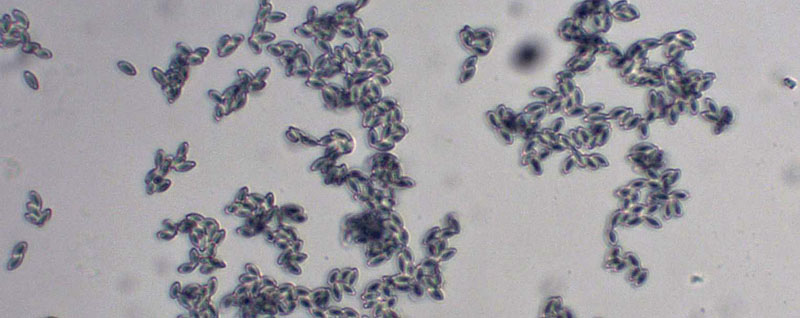
Conidia (asexual spores) of anamorph stage of Akanthomyces aculeatus collected in Howard Co., Maryland (9/21/2018). Fusiform, smooth, hyaline; measured 3.9-5.0 x 2.2-2.6 microns.

Akanthomyces aculeatus in Howard Co., Maryland (2/17/2020). (c) smuller, some rights reserved (CC BY-NC).

Akanthomyces aculeatus in Howard Co., Maryland (5/8/2020).
Map Snapshot


14 Records
Status
"Parasitizing and emerging from the bodies of moths with multiple rod-like structures arising from a single moth" (Elliott & Stephenson). The anamorph (asexual) stage of this fungus is marked by rod-like structures arising from a white mycelium on the host. The rods are covered by conidia (asexual spores). The infected moth is attached firmly to a branch or other substrate by mycelium. (J. Solem, pers. comm.)
Because certain stages of Cordyceps tuberculata and C. sphingum (and perhaps others) can be confused with Akanthomyces aculeatus, microscopic examination is necessary to establish certain identity (Ascomycetes of North America, M. Beug, A. E. Bessette, A. R. Bessette, 279-80).
Citations
No citations linked for this taxon yet.
Eating mushrooms can be dangerous. One should do so only with expert advice and great care. MBP accepts no liability for injury sustained in consuming fungi or other biodiversity. Use of media featured on Maryland
Biodiversity Project is only permitted with express permission of the
photographer.
Akanthomyces aculeatus infecting moth specimen in Howard Co., Maryland (9/21/2018). Photo shows host moth with fungal rods covered with conidia (asexual spores).
View Record Details
Media by
Joanne Solem.
A moth parasitized by Akanthomyces aculeatus in Howard Co., Maryland (2/11/2018). Determined by Alan Bessette via microscopic examination.
View Record Details
Media by
Bonnie Ott.
Akanthomyces aculeatus infecting a moth specimen in Howard Co., Maryland (1/23/2019). Verified by Jo Solem. Identification based solely on macrocharacteristics.
View Record Details
Media by
Sue Muller.
Akanthomyces aculeatus infecting a moth specimen in Howard Co., Maryland (1/23/2019). Verified by Jo Solem. Identification based solely on macrocharacteristics.
View Record Details
Media by
Sue Muller.
Akanthomyces aculeatus infecting a moth specimen in Howard Co., Maryland (1/23/2019). Identification based solely on macrocharacteristics.
View Record Details
Media by
Joanne Solem.
Akanthomyces aculeatus in Howard Co., Maryland (9/21/2018). (c) Joanne and Robert Solem, some rights reserved (CC BY-NC).
View Record Details
Media by
Joanne Solem.
Akanthomyces aculeatus infecting a moth specimen in Howard Co., Maryland (1/8/2019). Verified by Jo Solem. Identification based solely on macrocharacteristics.
View Record Details
Media by
Anna Schrad.
Akanthomyces aculeatus in Howard Co., Maryland (2/17/2020). Determined by Jo Solem.
View Record Details
Media by
Sue Muller.
Akanthomyces aculeatus in Howard Co., Maryland (2/15/2020). (c) prettycoolman, some rights reserved (CC BY-NC).
View Record Details
Media by
prettycoolman via iNaturalist.
Akanthomyces aculeatus in Howard Co., Maryland (2/15/2020). (c) prettycoolman, some rights reserved (CC BY-NC).
View Record Details
Media by
prettycoolman via iNaturalist.
Spores of Akanthomyces aculeatus in Howard Co., Maryland (9/21/2018). (c) Joanne and Robert Solem, some rights reserved (CC BY-NC).
View Record Details
Media by
Joanne Solem.
Conidia (asexual spores) of anamorph stage of Akanthomyces aculeatus collected in Howard Co., Maryland (9/21/2018). Fusiform, smooth, hyaline; measured 3.9-5.0 x 2.2-2.6 microns.
View Record Details
Media by
Robert Solem.
Akanthomyces aculeatus in Howard Co., Maryland (2/17/2020). (c) smuller, some rights reserved (CC BY-NC).
View Record Details
Media by
Sue Muller.
Akanthomyces aculeatus in Howard Co., Maryland (5/8/2020).
View Record Details
Media by
Bonnie Ott.
Source: Wikipedia
| Akanthomyces aculeatus | |
|---|---|

| |
| Akanthomyces aculeatus consuming a moth | |
Scientific classification 
| |
| Kingdom: | Fungi |
| Division: | Ascomycota |
| Class: | Sordariomycetes |
| Order: | Hypocreales |
| Family: | Cordycipitaceae |
| Genus: | Akanthomyces |
| Species: | A. aculeatus
|
| Binomial name | |
| Akanthomyces aculeatus Lebert
| |
Akanthomyces aculeatus is a species of fungus belonging to the family Cordycipitaceae.[1]
It is native to Europe and America.[1]
References
[edit]- ^ a b "Akanthomyces aculeatus Lebert". www.gbif.org. Retrieved 8 February 2021.
 | This Hypocreales-related article is a stub. You can help Wikipedia by adding missing information. |