Map Snapshot


19 Records
Citations
No citations linked for this taxon yet.
Source: Wikipedia
| Pholiota aurivella | |
|---|---|

| |
Scientific classification 
| |
| Kingdom: | Fungi |
| Division: | Basidiomycota |
| Class: | Agaricomycetes |
| Order: | Agaricales |
| Family: | Strophariaceae |
| Genus: | Pholiota |
| Species: | P. aurivella
|
| Binomial name | |
| Pholiota aurivella | |
| Synonyms[1][2] | |
| Pholiota aurivella | |
|---|---|
| Mycological characteristics | |
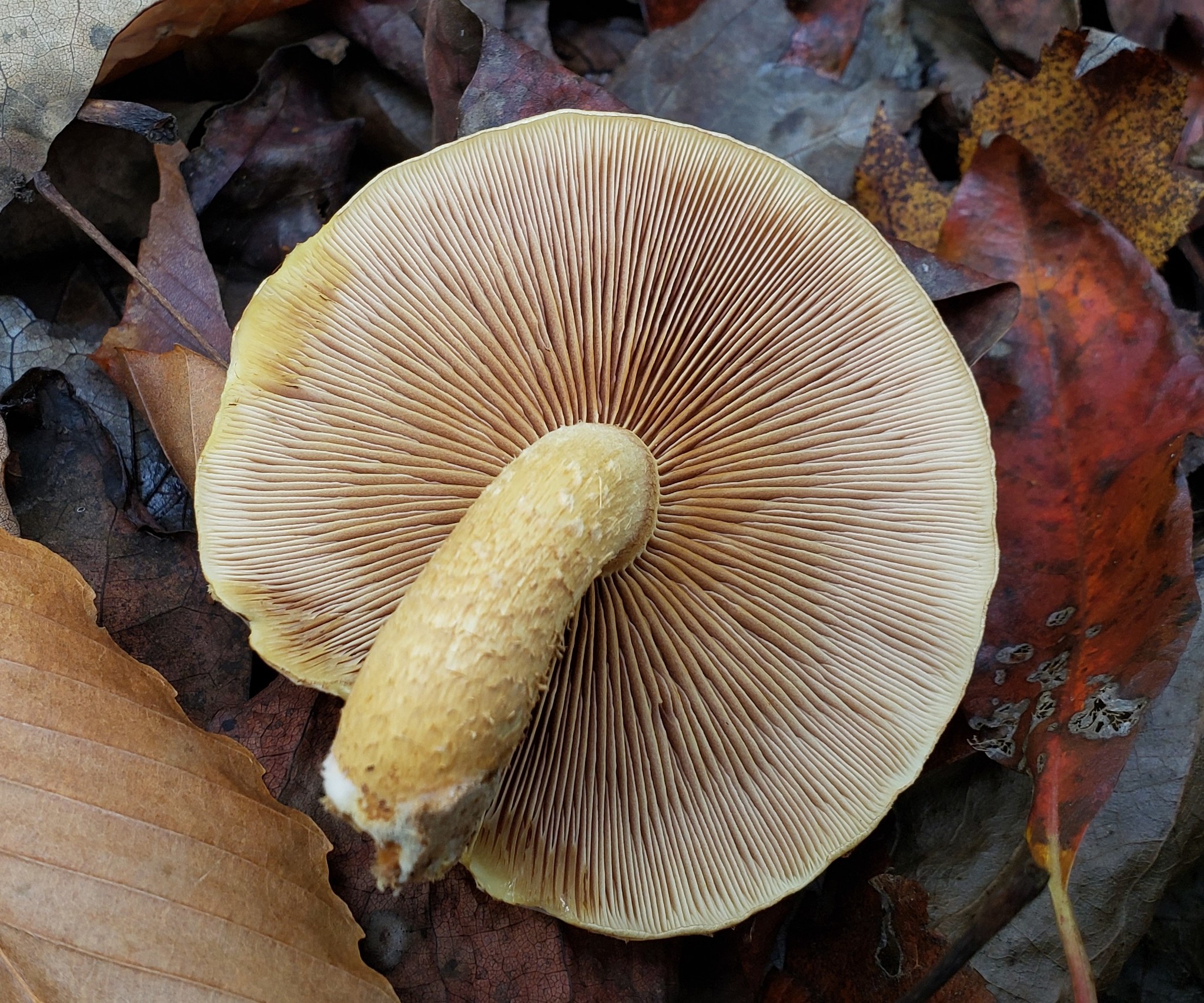
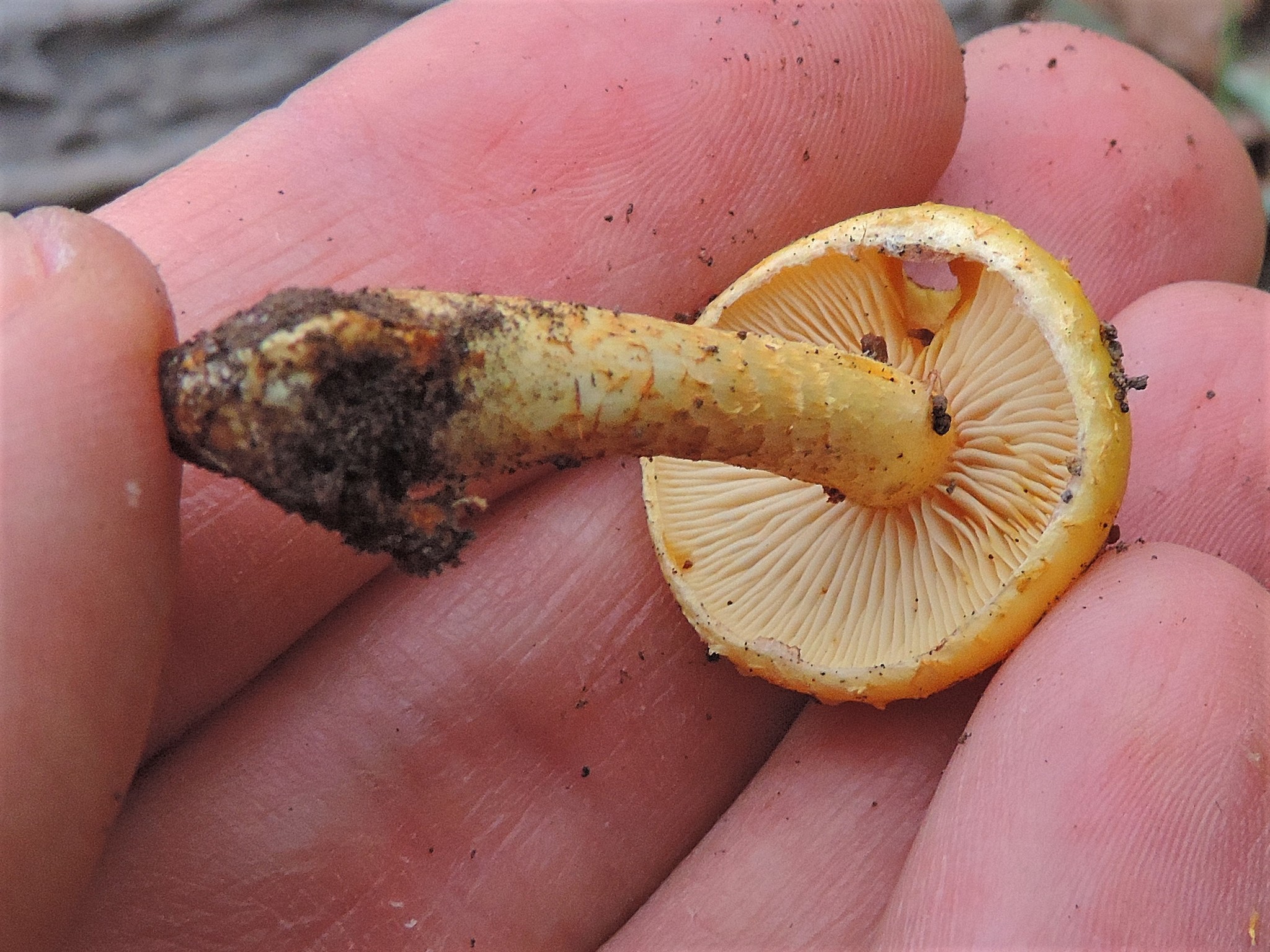
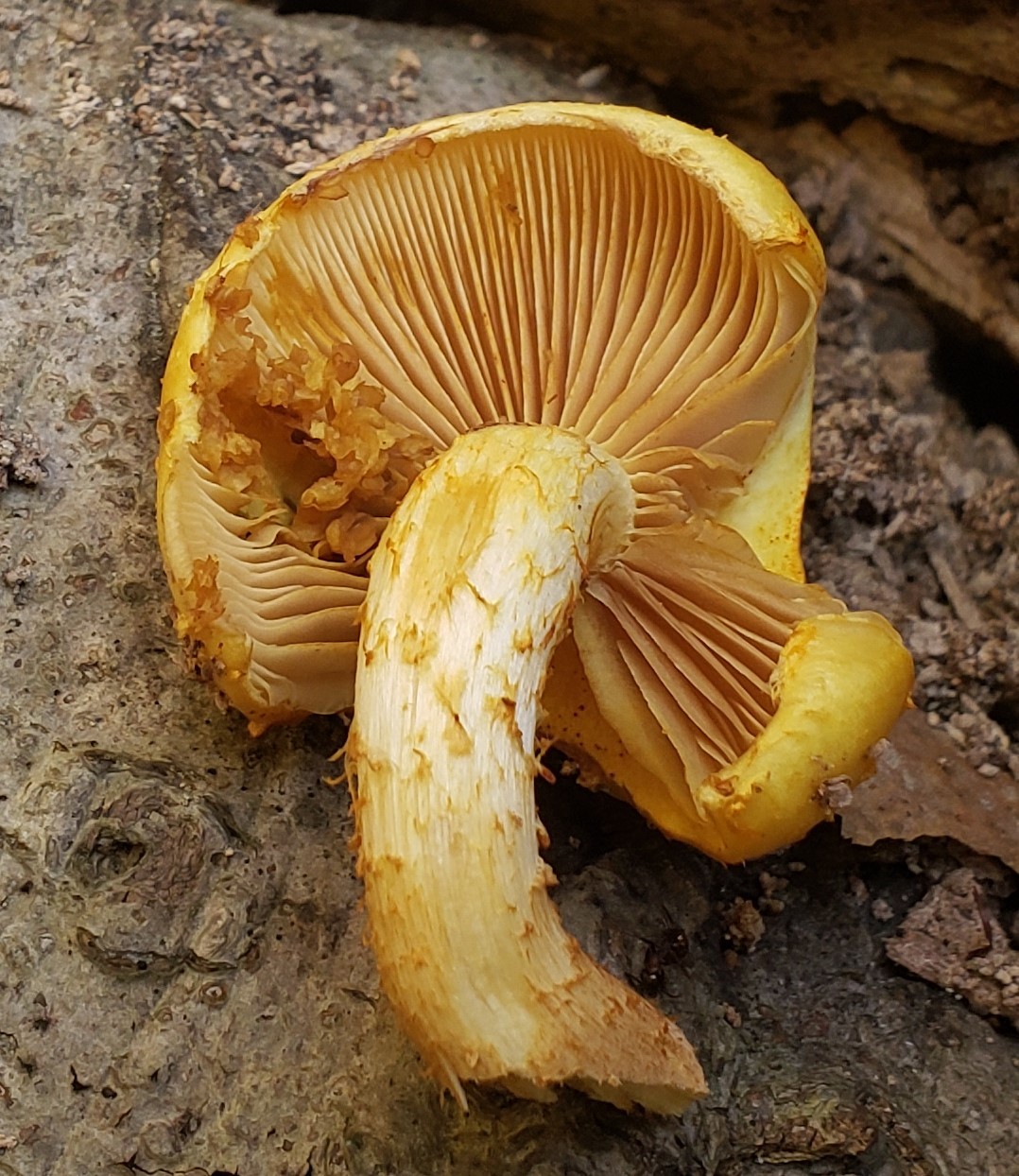
 | Gills on hymenium |
 | Cap is campanulate |
 | Hymenium is adnate |
 | Stipe has a ring |
 | Spore print is brown |
 | Ecology is saprotrophic |
 | Edibility is not recommended |
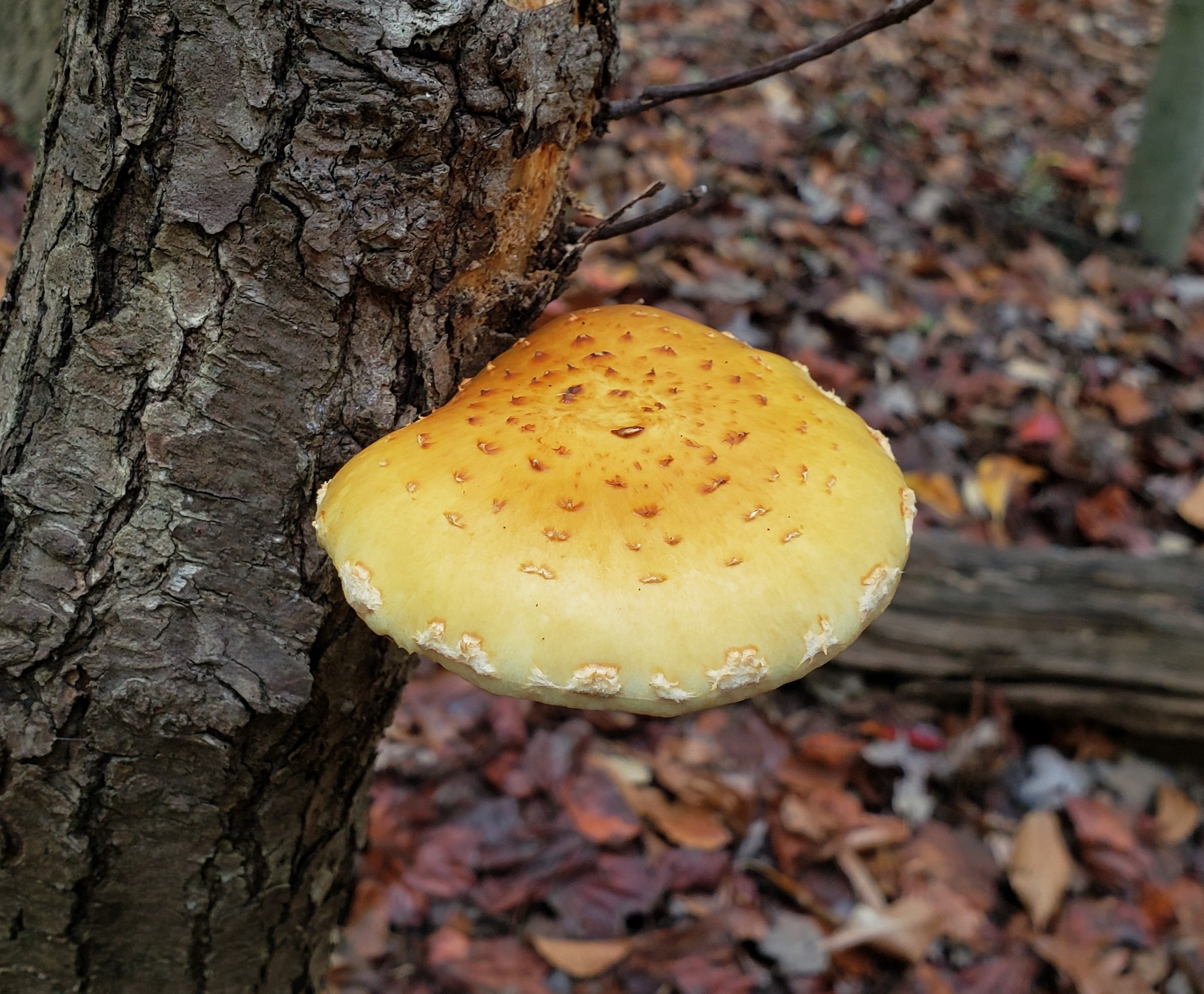
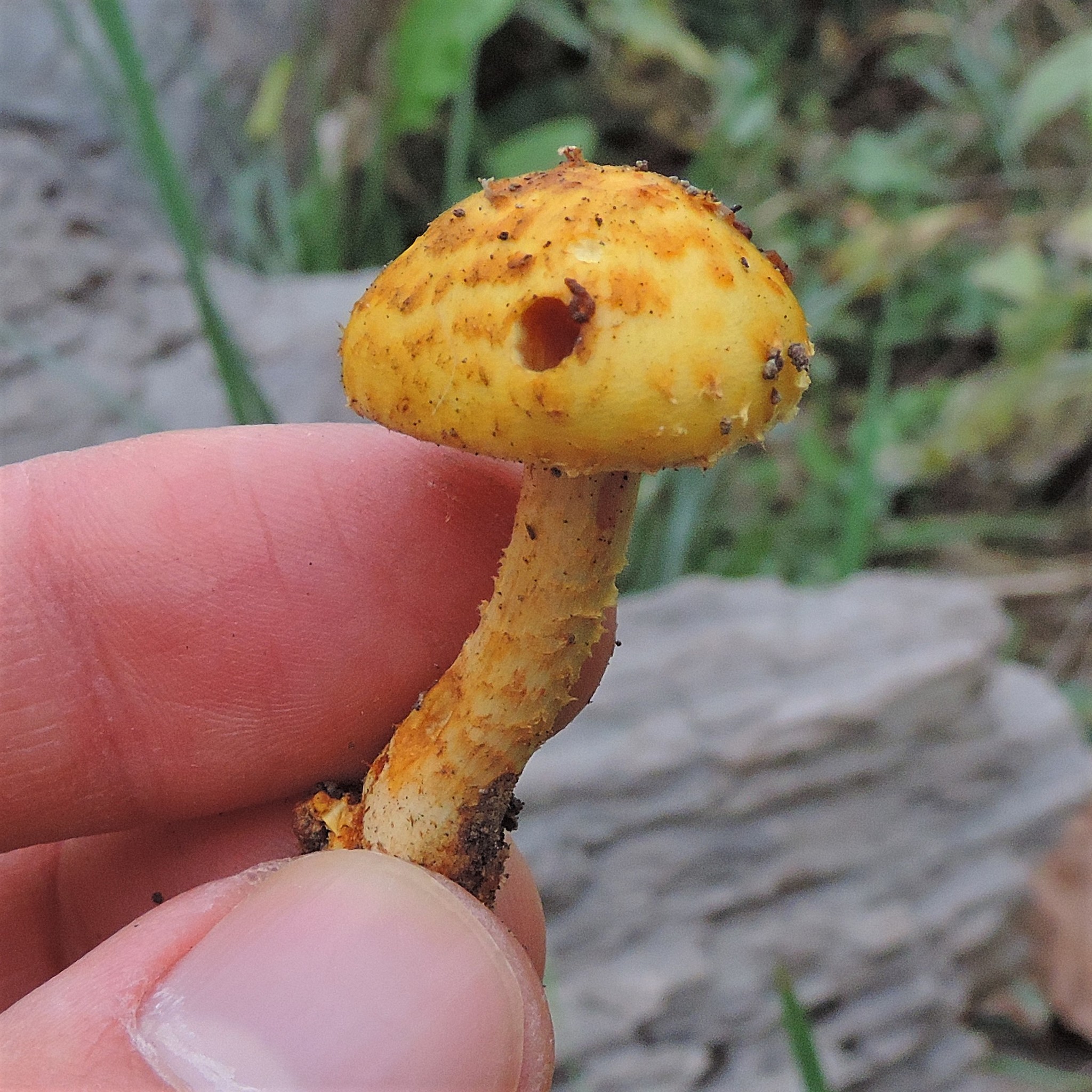
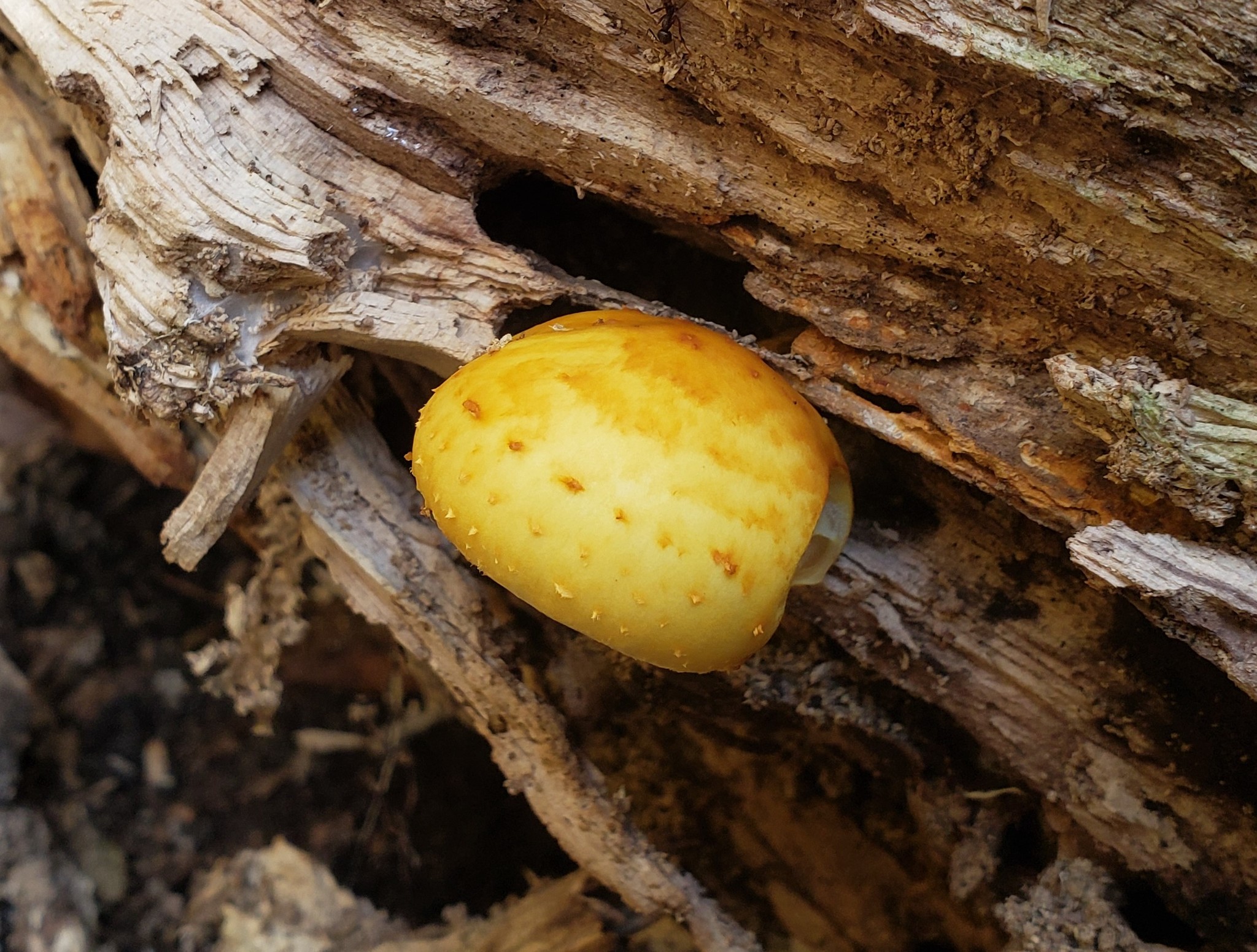
Pholiota aurivella, commonly known as the golden pholiota,[3] is a species of fungus in the family Strophariaceae.
Description
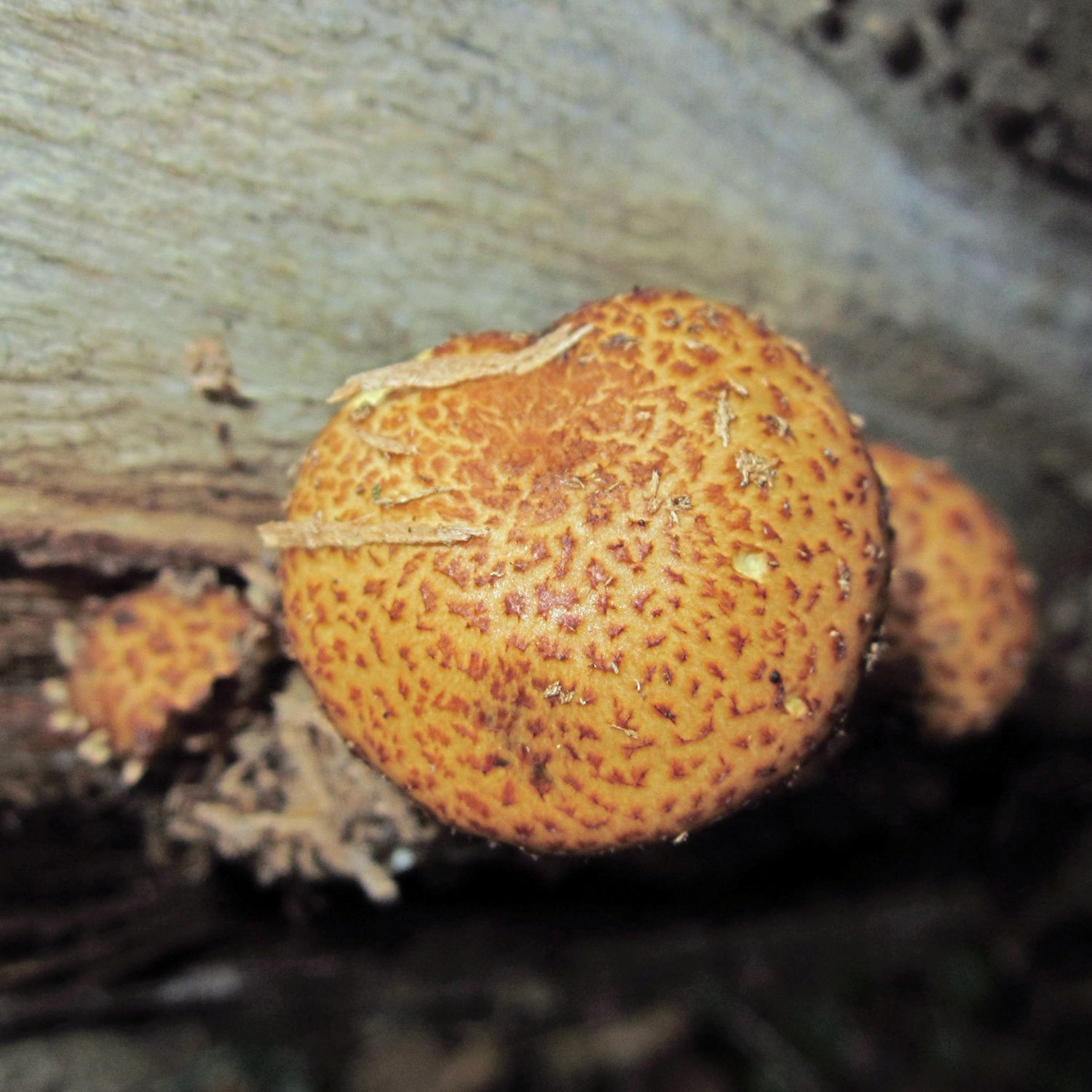
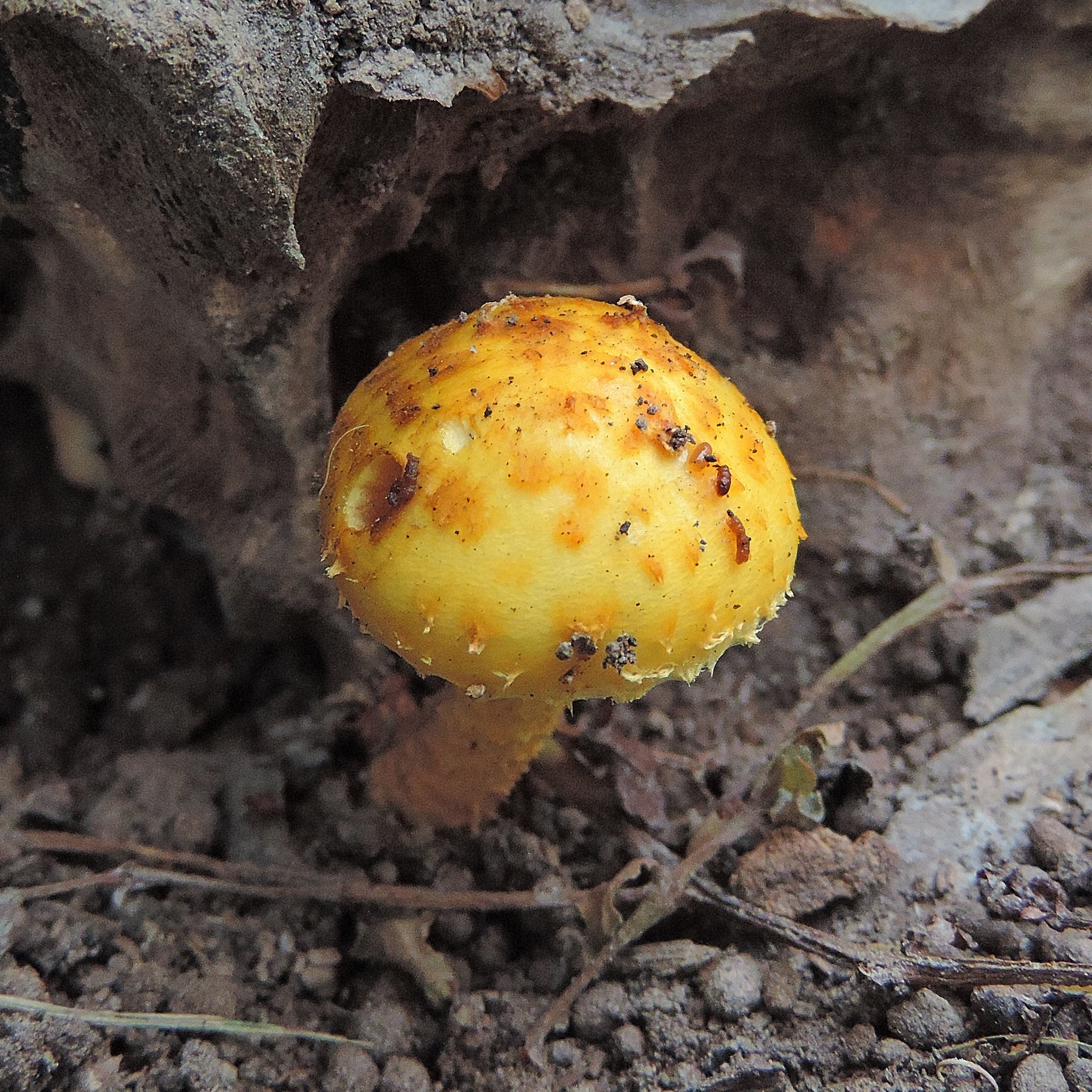
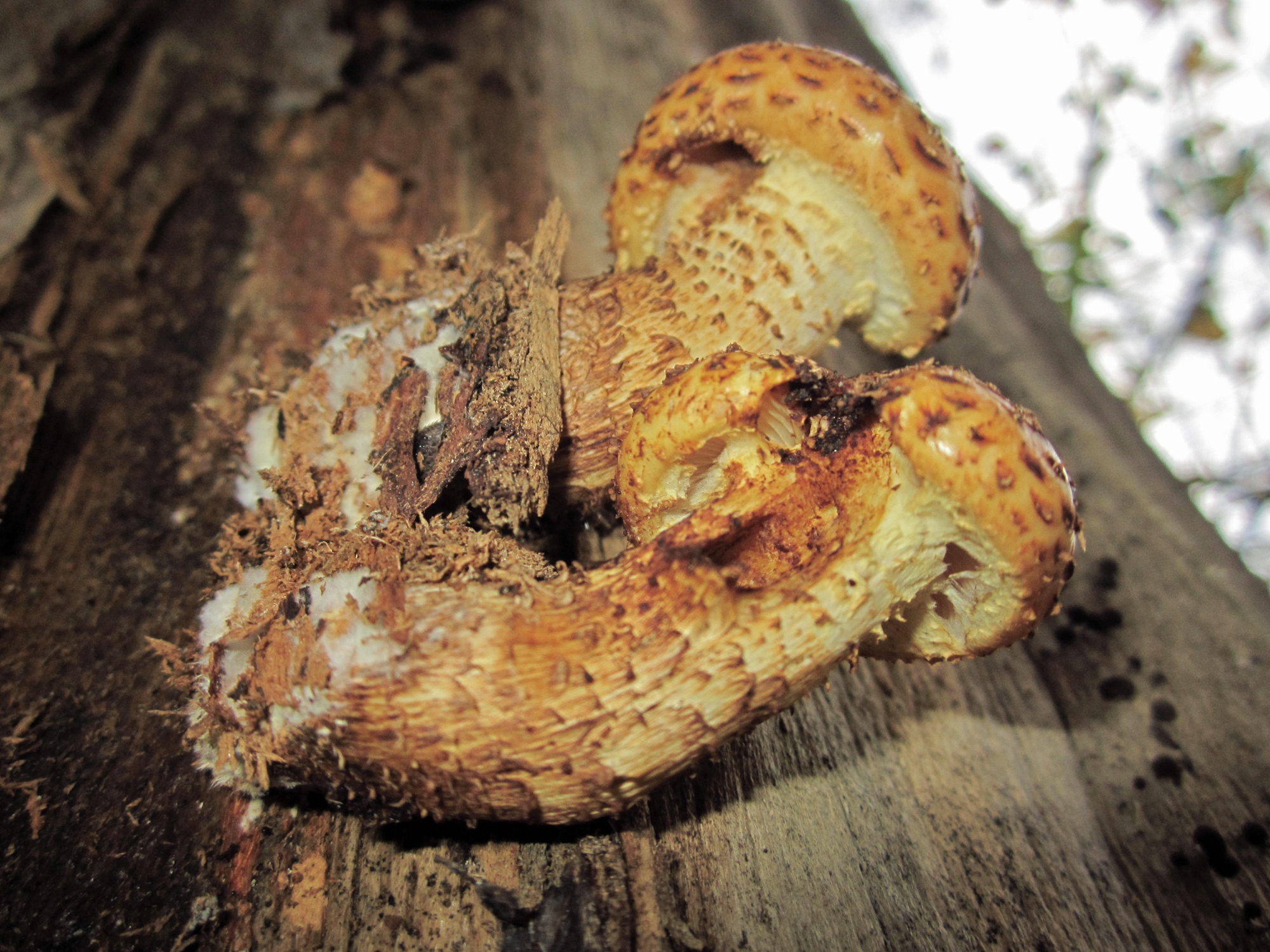
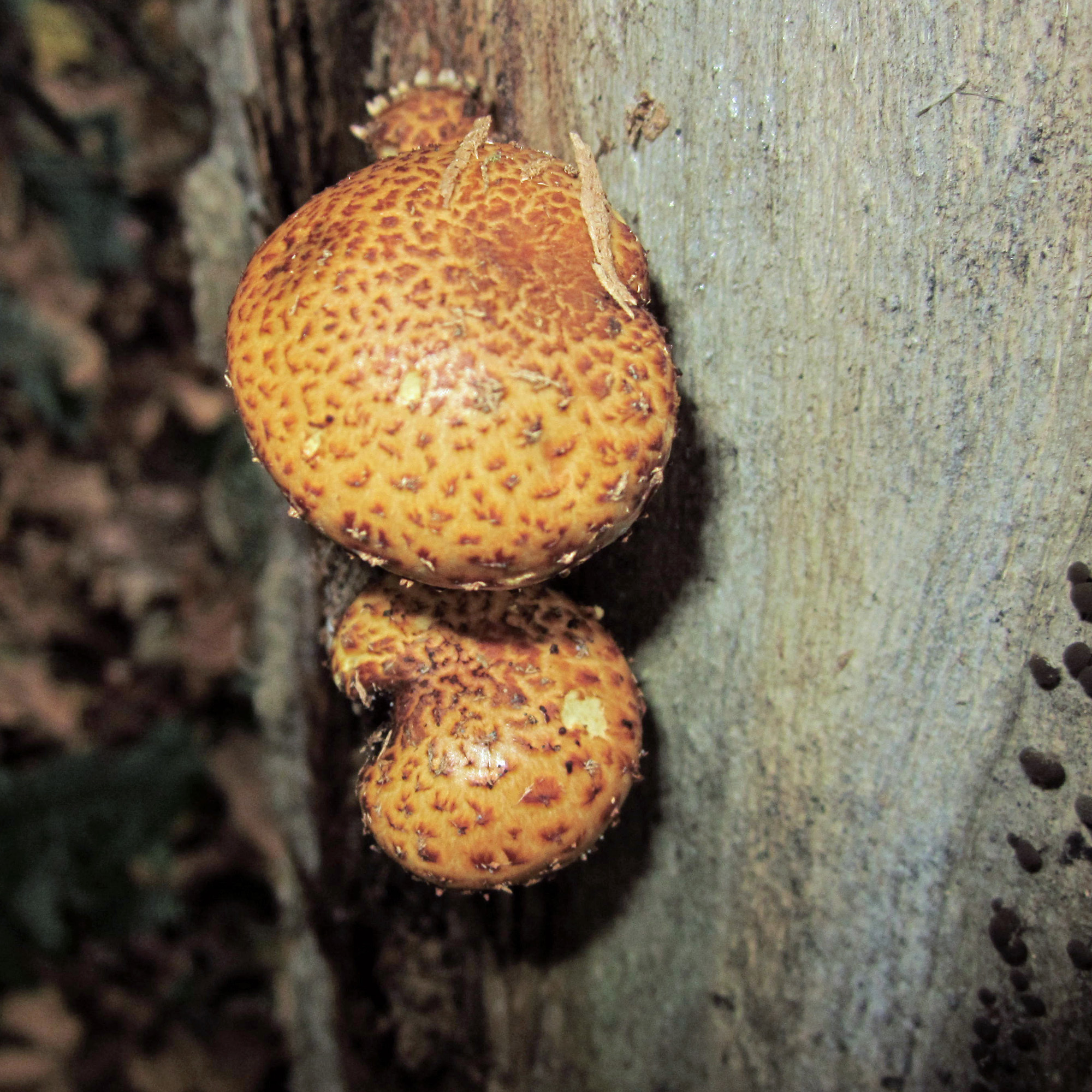
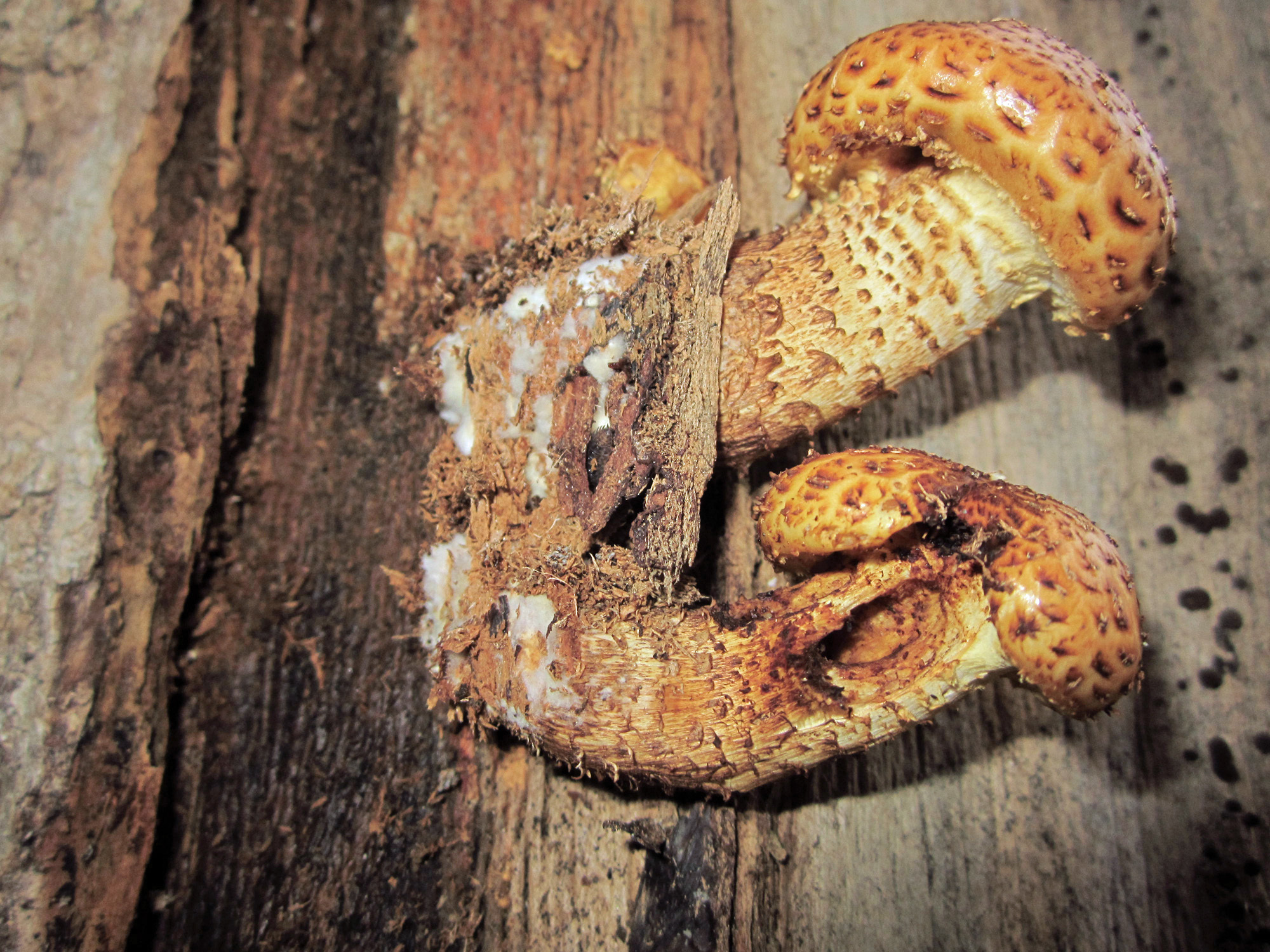
[edit]The cap is up to 16 centimetres (6+1⁄4 in) wide,[3] bright to golden yellow, viscid when young and with relatively dark scales. The stem is up to 15 cm long,[3] pale and is scaly closer to the bottom.[2] It is sticky or slimy when moist.[3] It reportedly tastes like unsweet marshmallows.[2][3]
Similar species
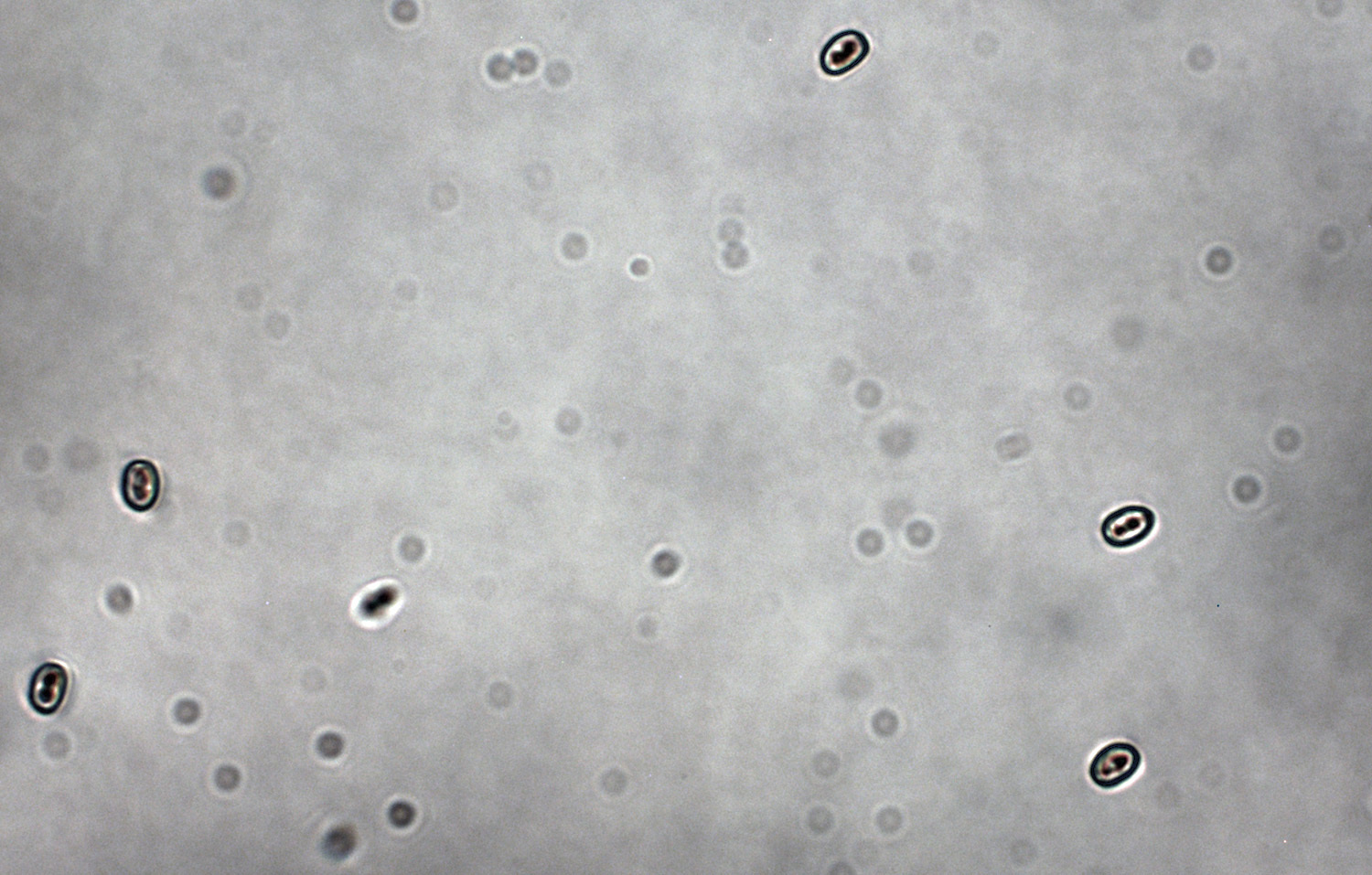
[edit]Pholiota limonella and its subspecies are very similar, seeming to differ only in the spores.[2]
Habitat and distribution
[edit]It grows in clusters on live or dead trees.[4][3] It is found in native forest of New Zealand,[5] southern Canada, and in the United States. It is frequently found in the American West and Southwest, especially in late summer and fall.
Edibility
[edit]Most field guides list it as inedible,[3][6][4] and though it has sometimes been consumed, it or similar species contain toxins that cause gastric upset.[3][7]
See also
[edit]References
[edit]- ^ "Pholiota aurivella (Batsch) P. Kumm. 1871". MycoBank. International Mycological Association. Retrieved 2013-04-06.
- ^ a b c d Trudell, Steve; Ammirati, Joe (2009). Mushrooms of the Pacific Northwest. Timber Press Field Guides. Portland, OR: Timber Press. p. 174. ISBN 978-0-88192-935-5.
- ^ a b c d e f g h Arora, David (1986) [1979]. Mushrooms Demystified: A Comprehensive Guide to the Fleshy Fungi (2nd ed.). Berkeley, CA: Ten Speed Press. pp. 390–91. ISBN 978-0-89815-170-1.
- ^ a b Bessette, Alan E. (1997). Mushrooms of Northeastern North America. Syracuse, New York: Syracuse University Press. ISBN 0815603886.
- ^ Phillips, Roger (2010). Mushrooms and Other Fungi of North America. Buffalo, NY: Firefly Books. p. 201. ISBN 978-1-55407-651-2.
- ^ Miller Jr., Orson K.; Miller, Hope H. (2006). North American Mushrooms: A Field Guide to Edible and Inedible Fungi. Guilford, CN: FalconGuide. p. 265. ISBN 978-0-7627-3109-1.
External links
[edit] Media related to Pholiota aurivella at Wikimedia Commons
- "Pholiota aurivella, Golden Scalycap Mushroom". www.first-nature.com.
- "Taste of the Wild: Golden Pholiota". www.bio.brandeis.edu.
