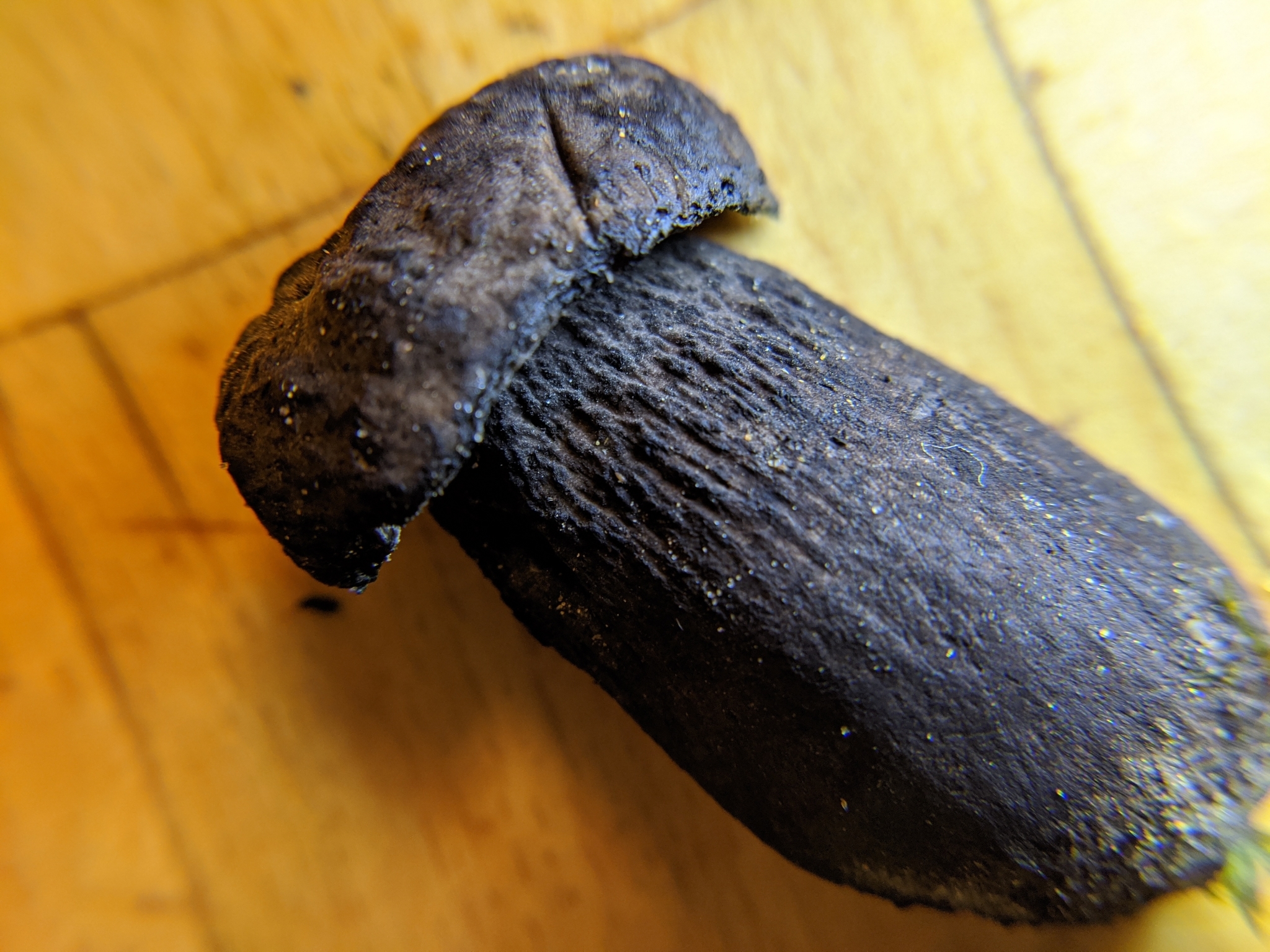
Grayflesh Tylopilus in Montgomery Co., Maryland (9/13/2020). (c) Joseph Andracchio, some rights reserved (CC BY)
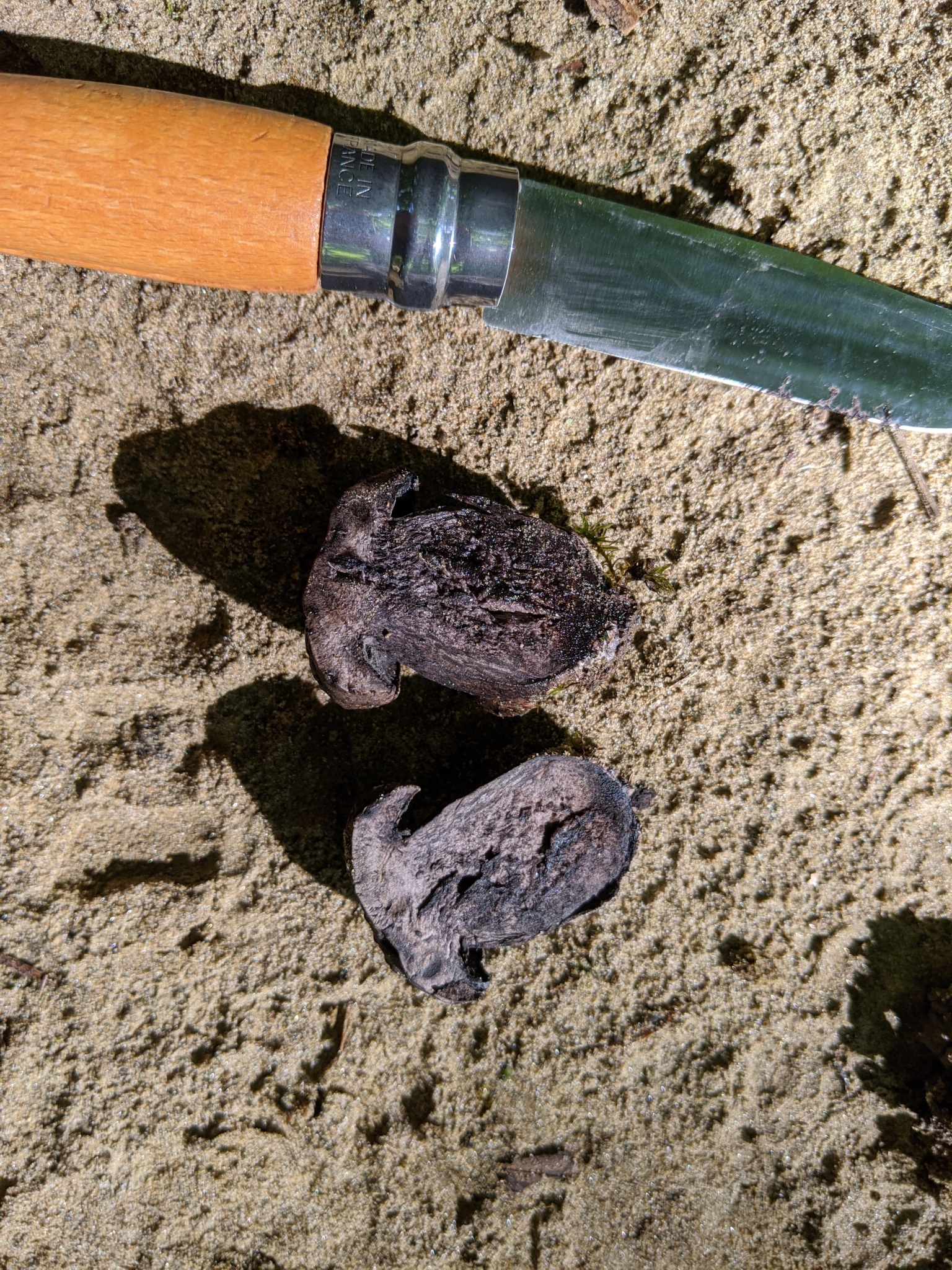
Grayflesh Tylopilus in Montgomery Co., Maryland (9/13/2020). (c) Joseph Andracchio, some rights reserved (CC BY)
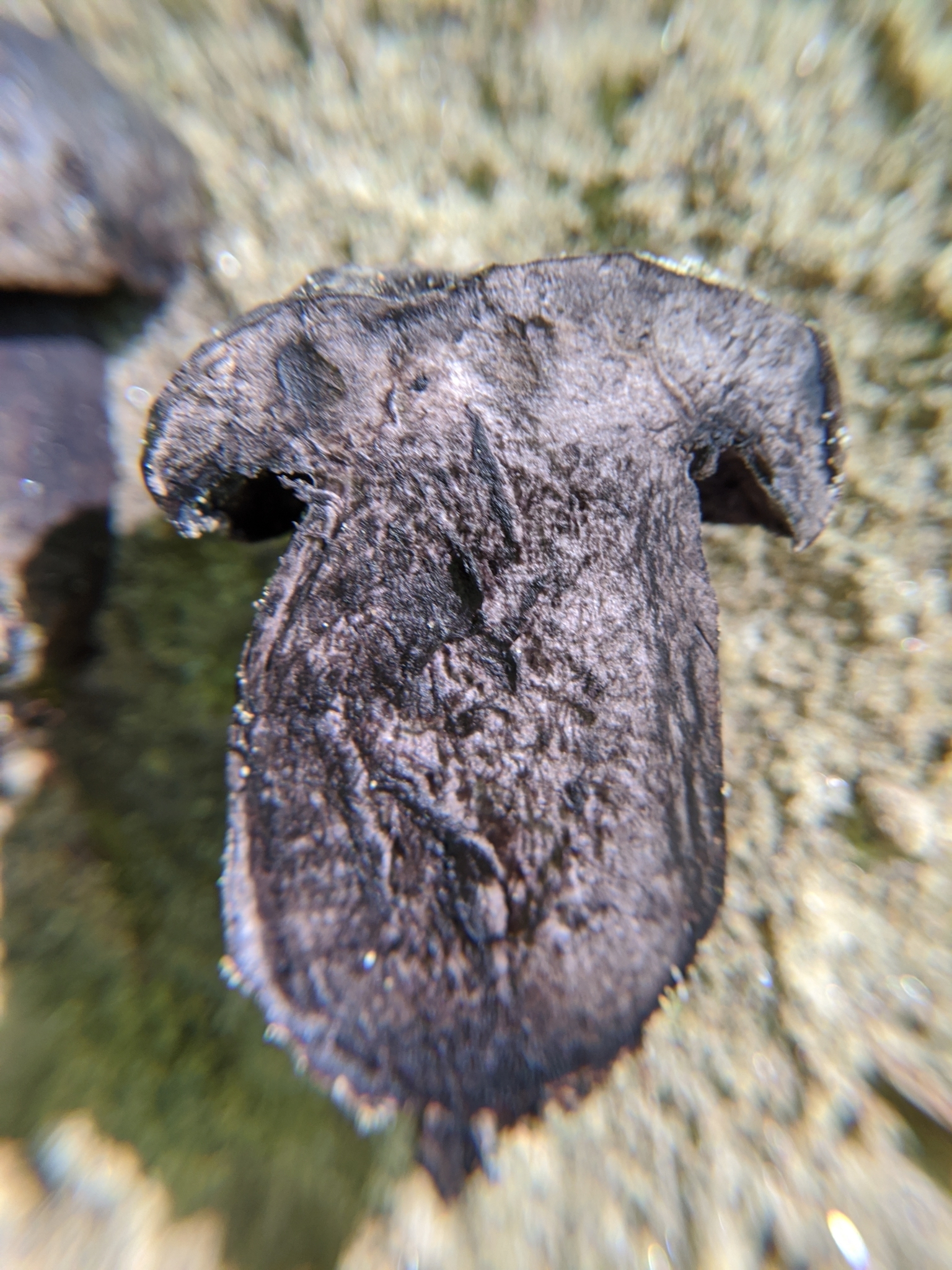
Grayflesh Tylopilus in Montgomery Co., Maryland (9/13/2020). (c) Joseph Andracchio, some rights reserved (CC BY)
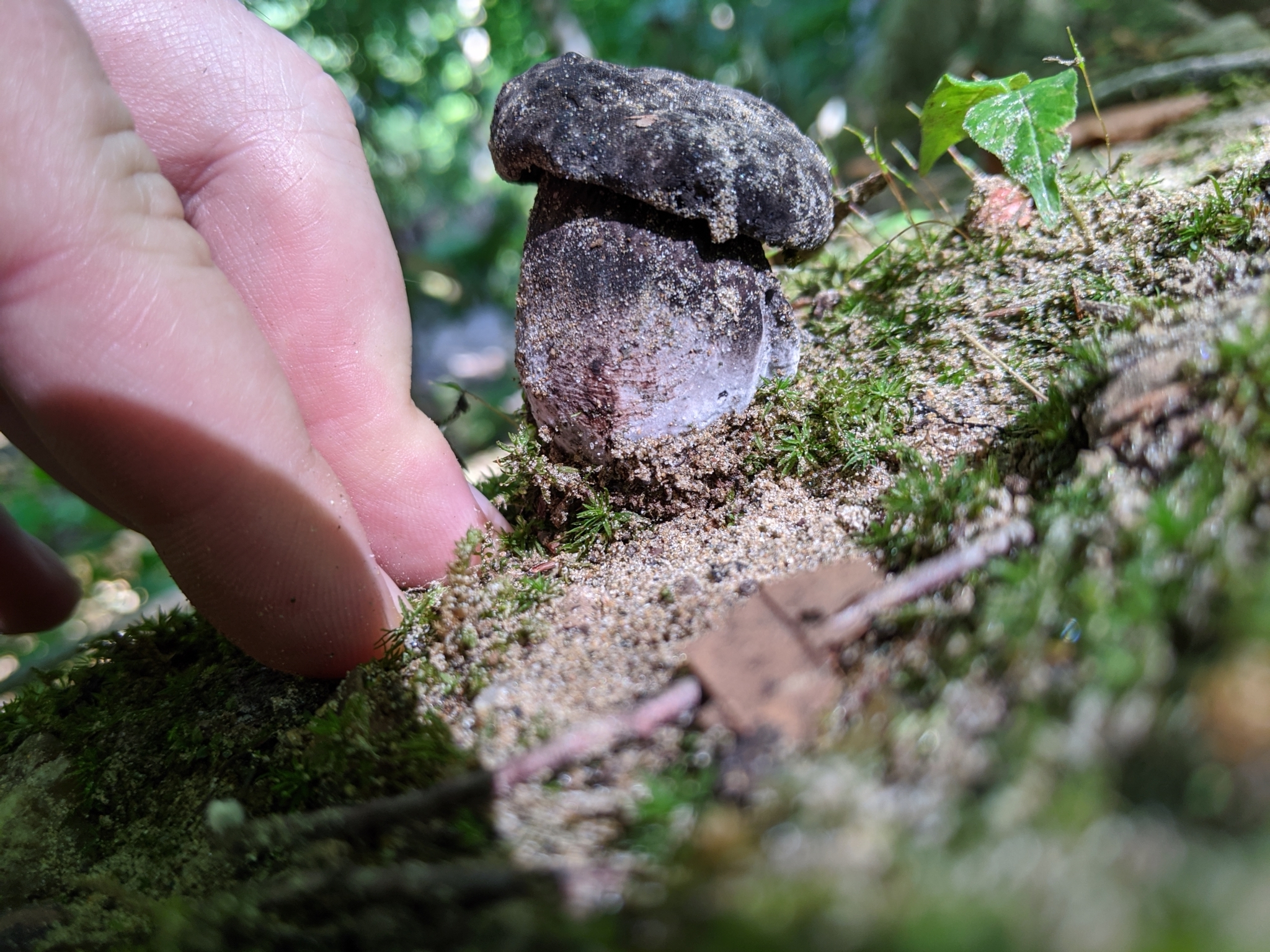
Grayflesh Tylopilus in Montgomery Co., Maryland (9/13/2020). (c) Joseph Andracchio, some rights reserved (CC BY)
Map Snapshot


1 Record
Citations
No citations linked for this taxon yet.
Eating mushrooms can be dangerous. One should do so only with expert advice and great care. MBP accepts no liability for injury sustained in consuming fungi or other biodiversity. Use of media featured on Maryland
Biodiversity Project is only permitted with express permission of the
photographer.
Grayflesh Tylopilus in Montgomery Co., Maryland (9/13/2020). (c) Joseph Andracchio, some rights reserved (CC BY)
View Record Details
Media by
jandracchio via iNaturalist.
Grayflesh Tylopilus in Montgomery Co., Maryland (9/13/2020). (c) Joseph Andracchio, some rights reserved (CC BY)
View Record Details
Media by
jandracchio via iNaturalist.
Grayflesh Tylopilus in Montgomery Co., Maryland (9/13/2020). (c) Joseph Andracchio, some rights reserved (CC BY)
View Record Details
Media by
jandracchio via iNaturalist.
Grayflesh Tylopilus in Montgomery Co., Maryland (9/13/2020). (c) Joseph Andracchio, some rights reserved (CC BY)
View Record Details
Media by
jandracchio via iNaturalist.
Source: Wikipedia
| Tylopilus griseocarneus | |
|---|---|

| |
Scientific classification 
| |
| Kingdom: | Fungi |
| Division: | Basidiomycota |
| Class: | Agaricomycetes |
| Order: | Boletales |
| Family: | Boletaceae |
| Genus: | Tylopilus |
| Species: | T. griseocarneus
|
| Binomial name | |
| Tylopilus griseocarneus Wolfe & Halling (1989)
| |
Tylopilus griseocarneus is a fungus of the family Boletaceae. Described as new to science in 1989, it is found in the coastal plains of southern New Jersey and southern Louisiana in the United States, where it grows in sandy soil under oak and pine trees. Its fruit bodies have a convex, pale charcoal-colored cap measuring 4.3–11 cm (1.7–4.3 in) and 1.5–3 cm (0.6–1.2 in) thick.[1]
See also
[edit]References
[edit]- ^ Wolfe CB Jr, Halling RE. (1989). "Tylopilus griseocarneus, a new species from the North American Atlantic and Gulf Coastal Plain". Mycologia. 81 (3): 342–6. doi:10.2307/3760072.
External links
[edit]
 | This Boletales-related article is a stub. You can help Wikipedia by adding missing information. |