Map Snapshot

4 Records
Status
Description
Where To Find
Citations
No citations linked for this taxon yet.
Source: Wikipedia
| Scleroderma areolatum | |
|---|---|

| |
Scientific classification 
| |
| Kingdom: | Fungi |
| Division: | Basidiomycota |
| Class: | Agaricomycetes |
| Order: | Boletales |
| Family: | Sclerodermataceae |
| Genus: | Scleroderma |
| Species: | S. areolatum
|
| Binomial name | |
| Scleroderma areolatum | |
| Scleroderma areolatum | |
|---|---|
| Mycological characteristics | |
 | Glebal hymenium |
 | No distinct cap |
 | Hymenium attachment is not applicable |
| Lacks a stipe |
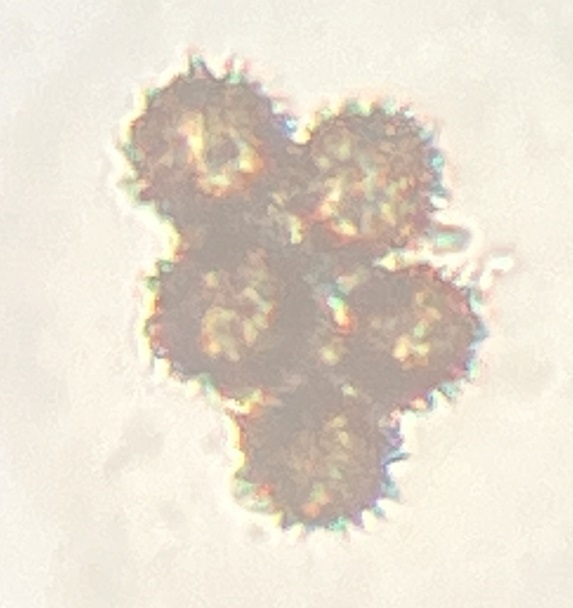
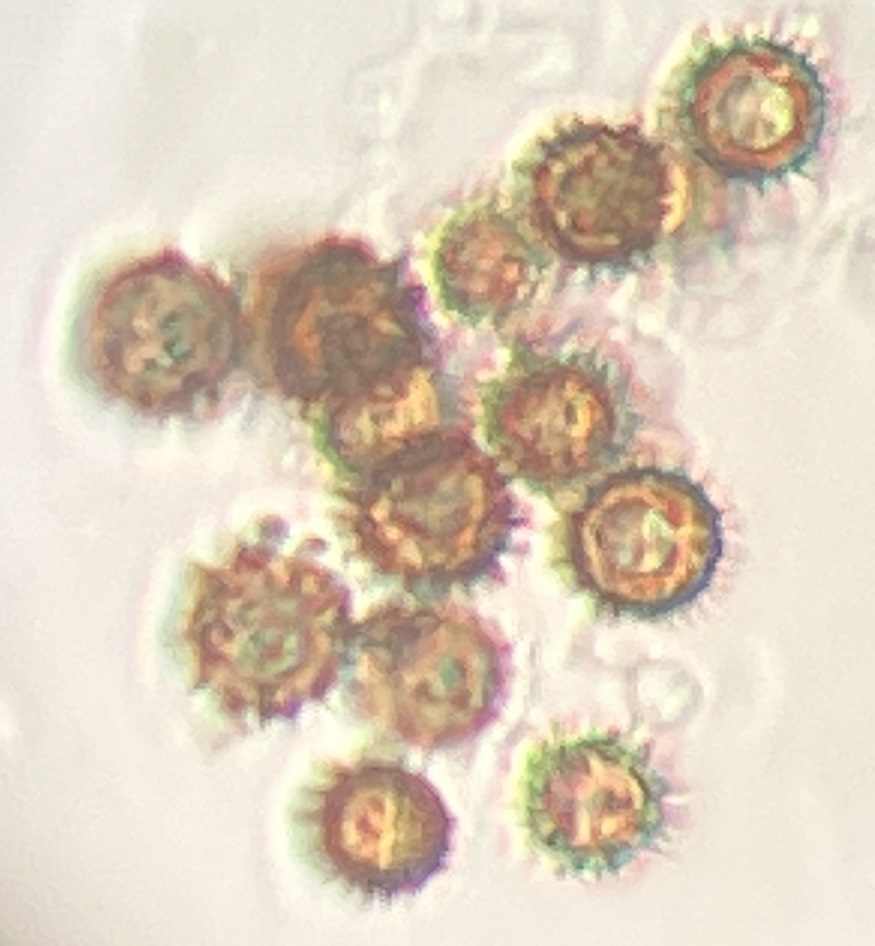
 | Spore print is purple-black to olive |
 | Ecology is mycorrhizal |
 | Edibility is poisonous |
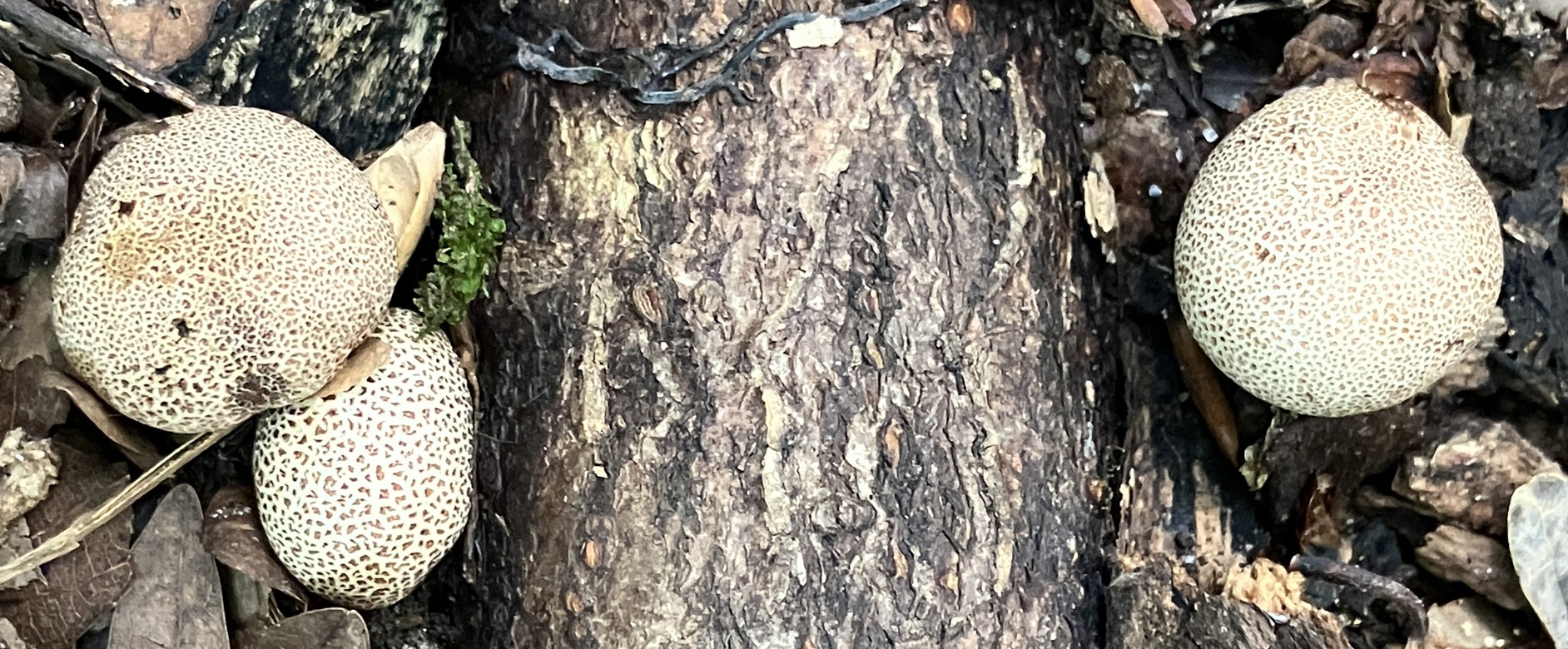
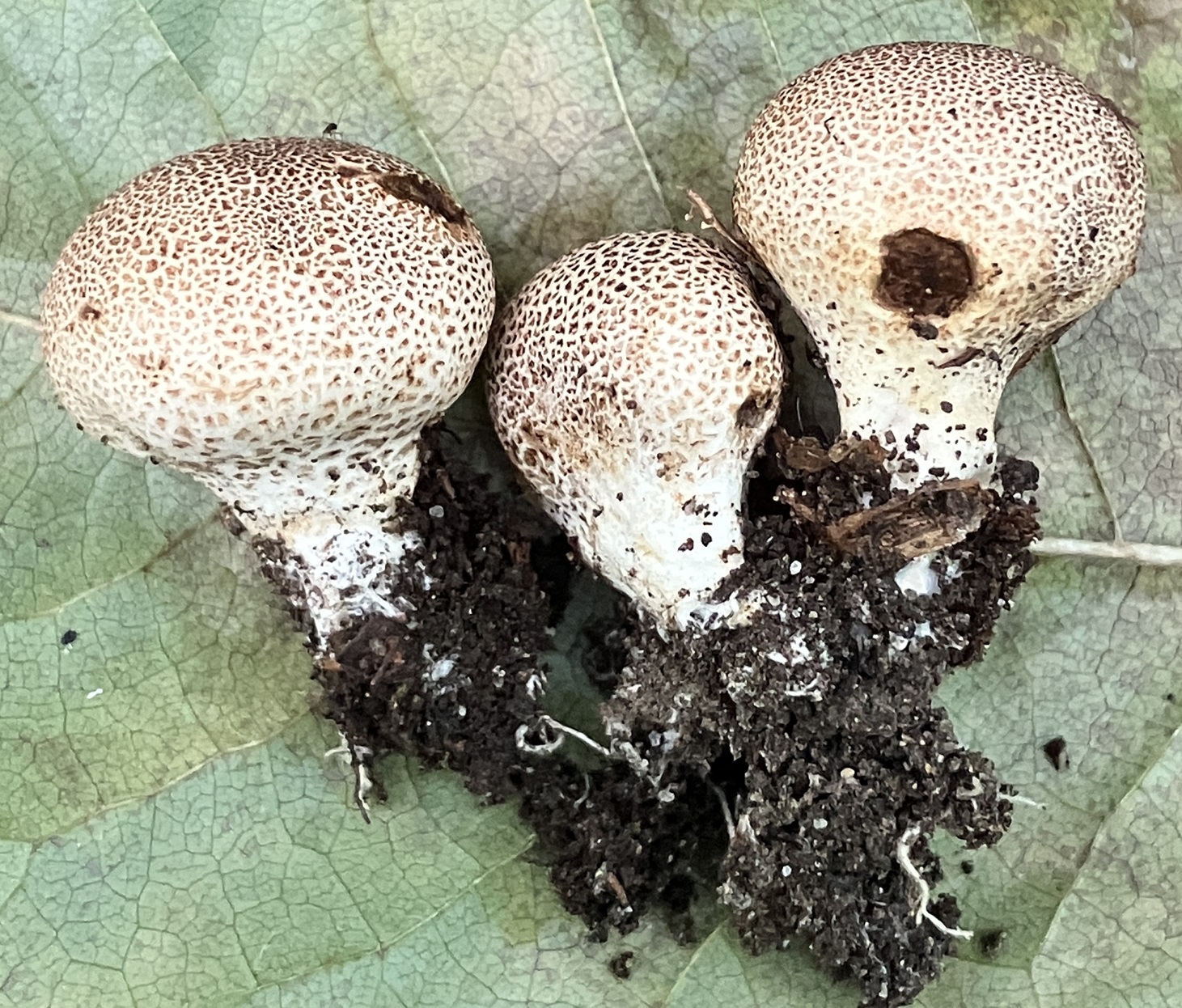
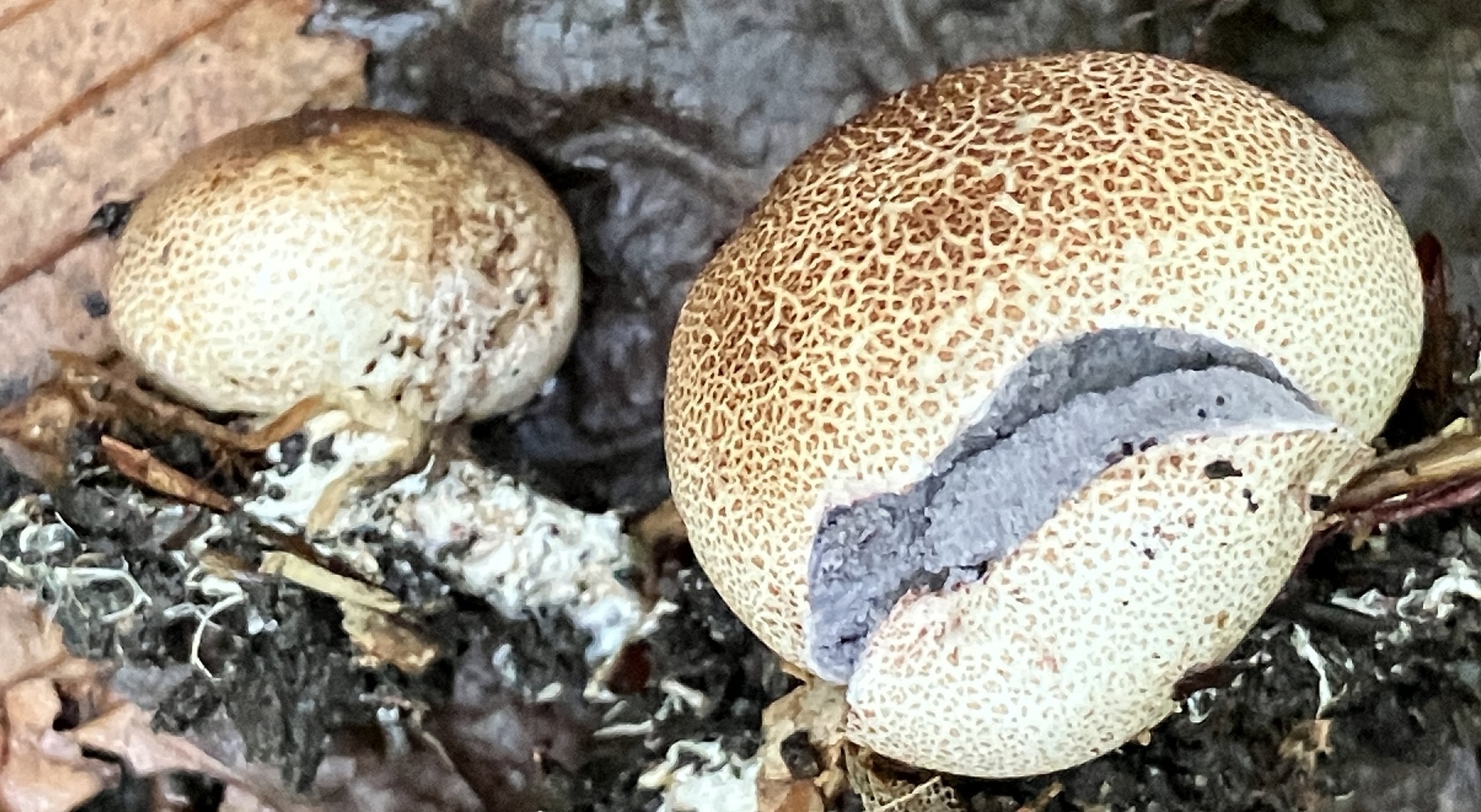
Scleroderma areolatum is a basidiomycete fungus and a member of the genus Scleroderma, or "earth balls".
Description
[edit]They are usually 1–5 centimetres (3⁄8–2 in) in diameter, and grow individually or in small groups.[1]
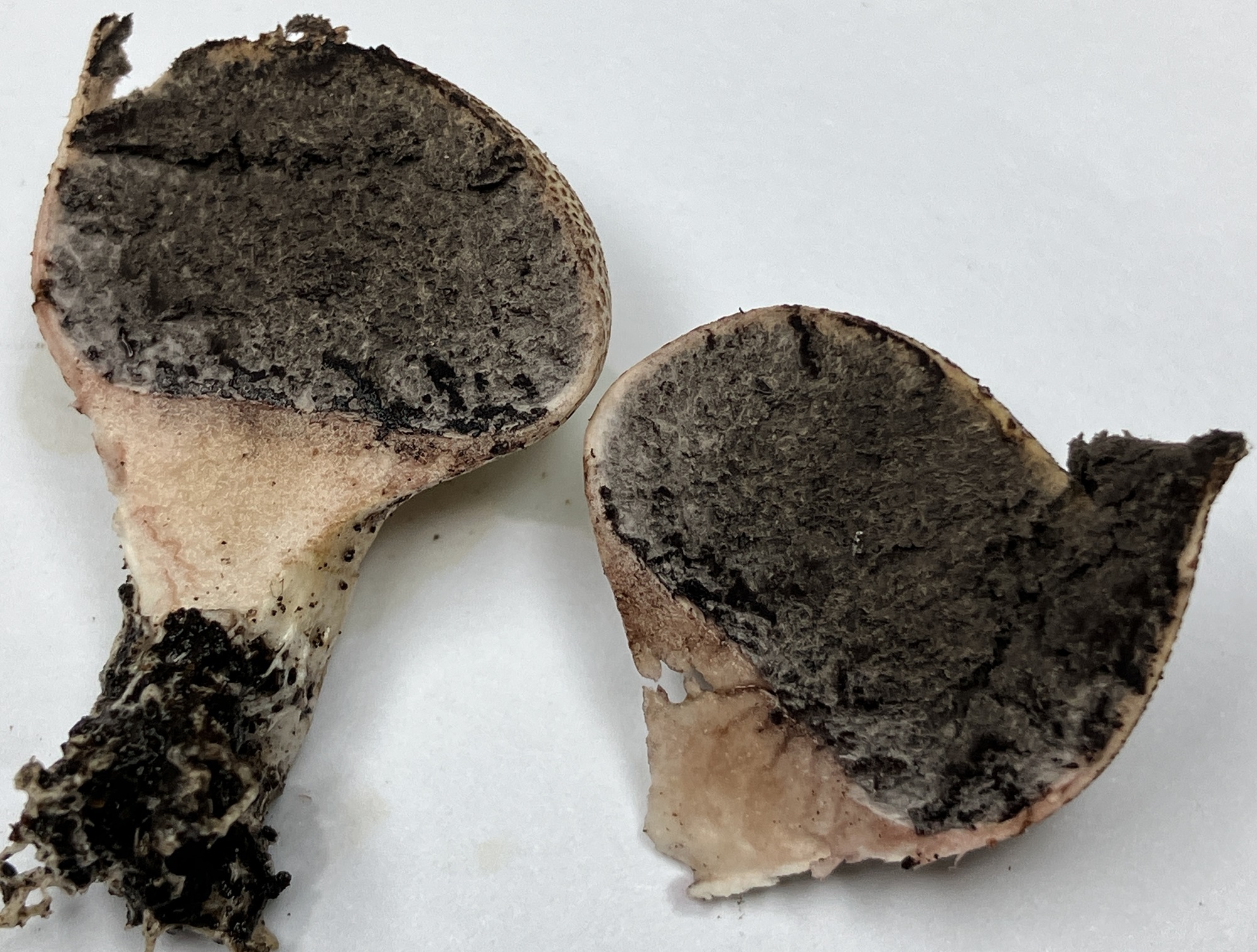
Like most members of Scleroderma, S. areolatum resembles but is only distantly related to the giant puffball. It can be distinguished from the giant puffball by cutting it in half; the puffball will have a solid, denser middle, with no signs of a developing cap mushroom.
Habitat
[edit]They are commonly found in deciduous forests, in neutral soil.
Toxicity
[edit]They are poisonous,[2] and ingestion can lead to vomiting, diarrhea, and in larger quantities, fainting.
References
[edit]- ^ Kuo M. "Scleroderma areolatum". MushroomExpert.Com. Retrieved 2009-11-26.
- ^ Phillips, Roger (2010). Mushrooms and Other Fungi of North America. Buffalo, NY: Firefly Books. p. 334. ISBN 978-1-55407-651-2.
 | This Boletales-related article is a stub. You can help Wikipedia by adding missing information. |