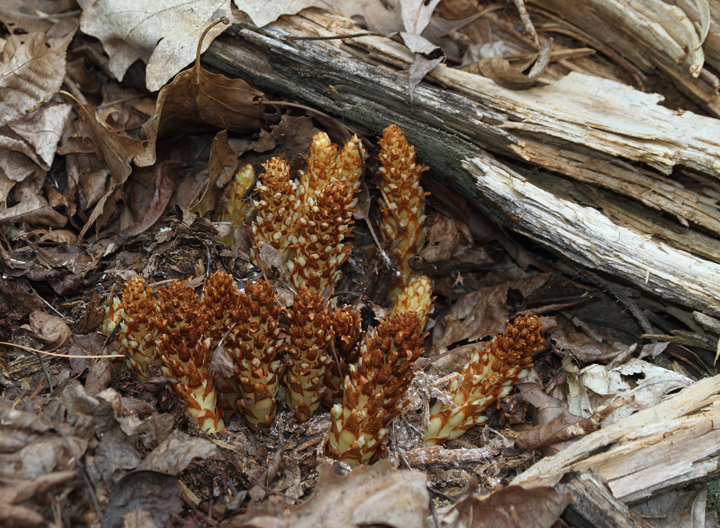
Bear Corn in Green Ridge State Forest, Maryland (4/23/2010).
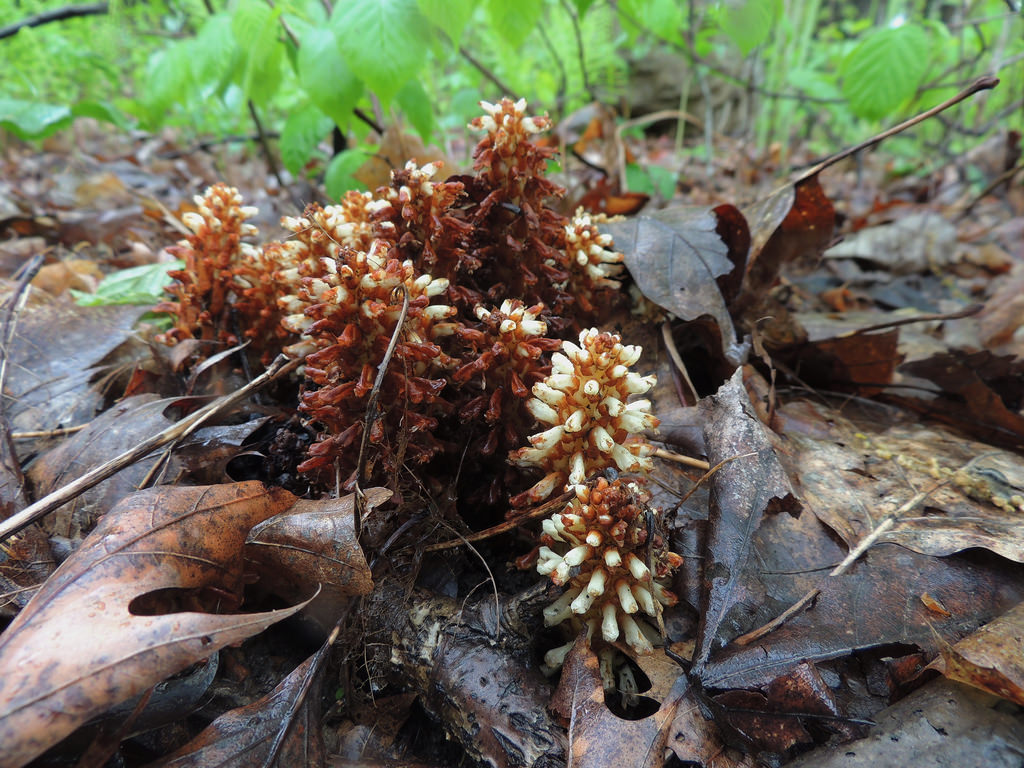
Bear Corn in Garrett Co., Maryland (5/22/2016).
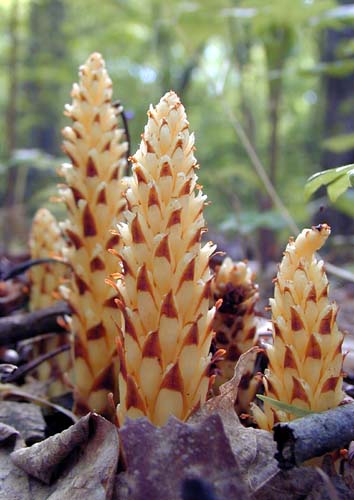
Bear Corn in Frederick Co., Maryland (5/13/2007).
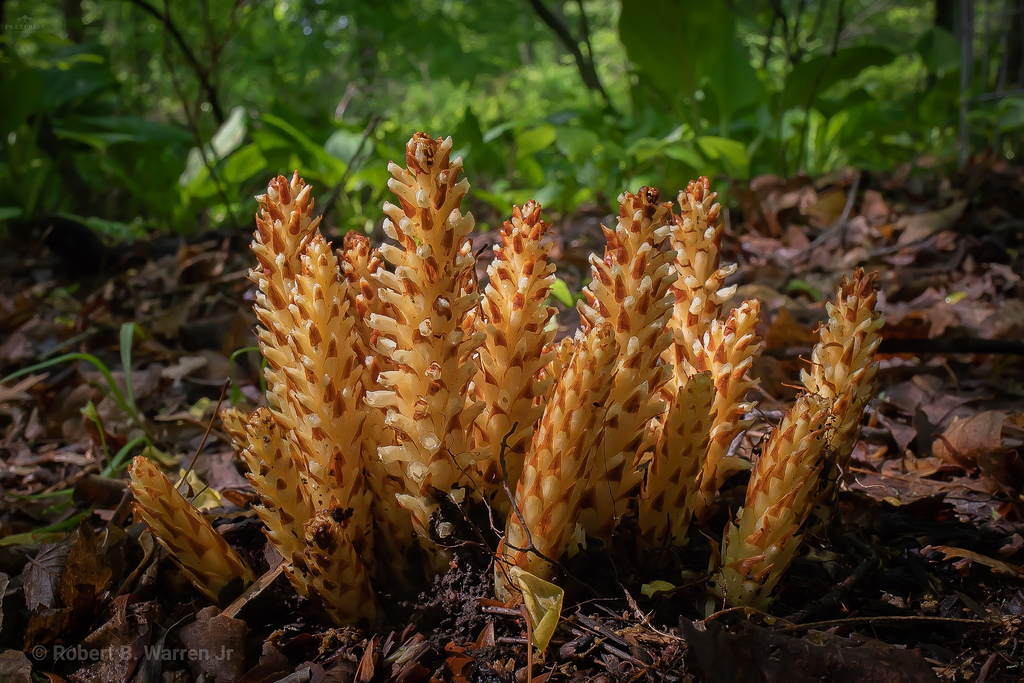
Bear Corn in Frederick Co., Maryland (5/15/2018).

Bear Corn in Garrett Co., Maryland (5/10/2016).

Bear Corn growing in Garrett Co., Maryland (5/10/2016).
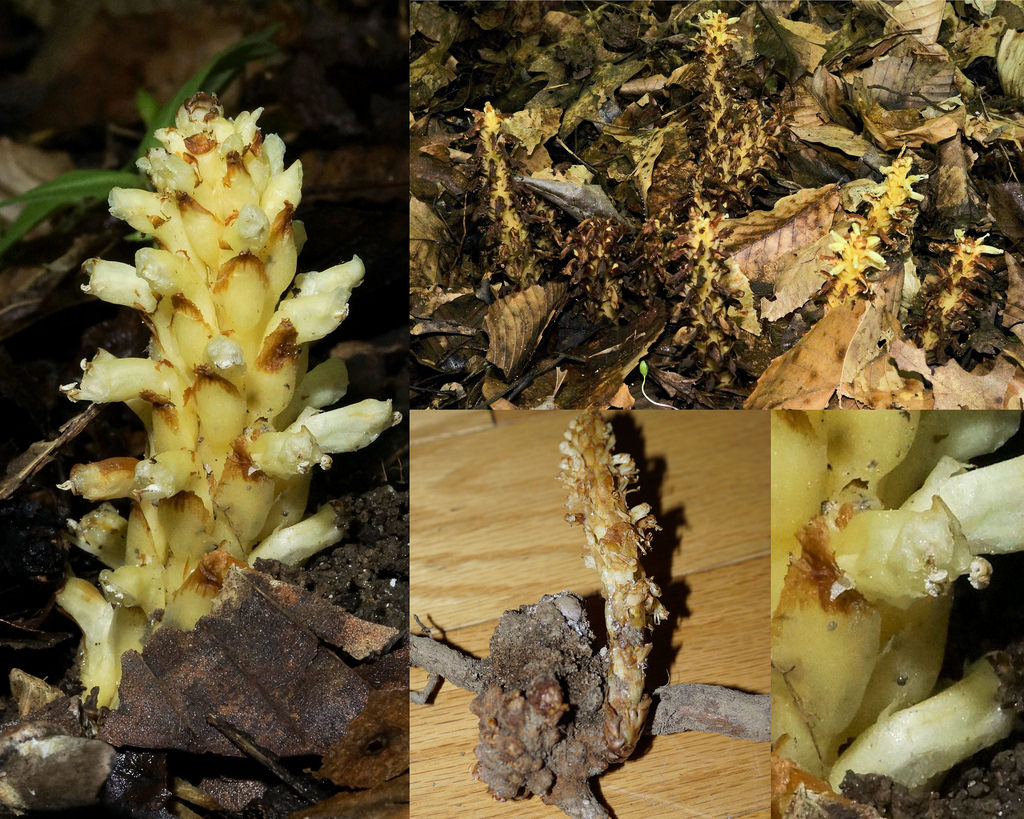
Bear Corn in Prince George's Co., Maryland (5/14/2016).

Bear Corn in Frederick Co., Maryland (5/3/2018).
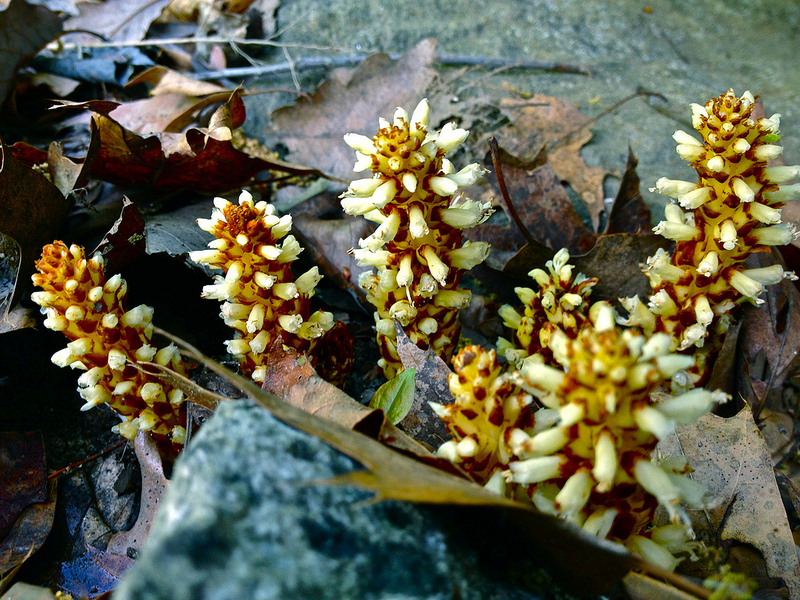
Bear Corn in Montgomery Co., Maryland (5/19/2012).
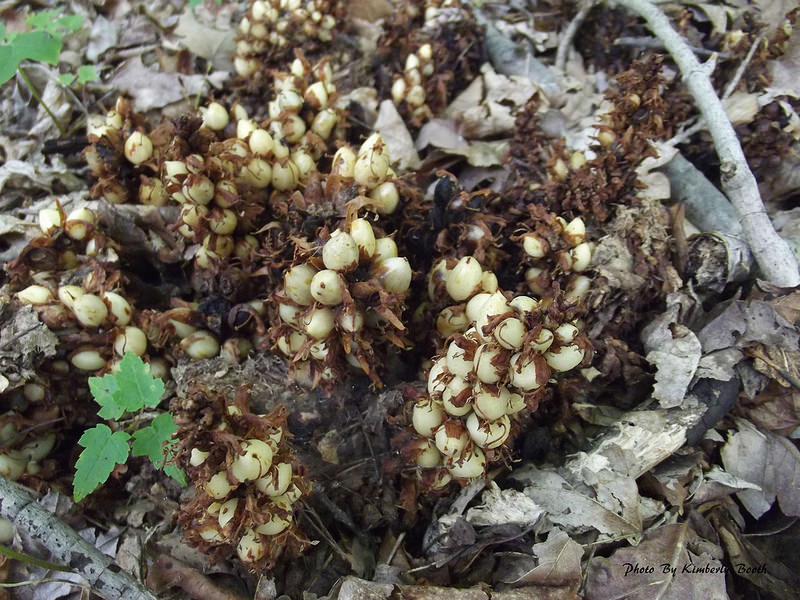
Bear Corn growing in Allegany Co., Maryland (6/27/2016).
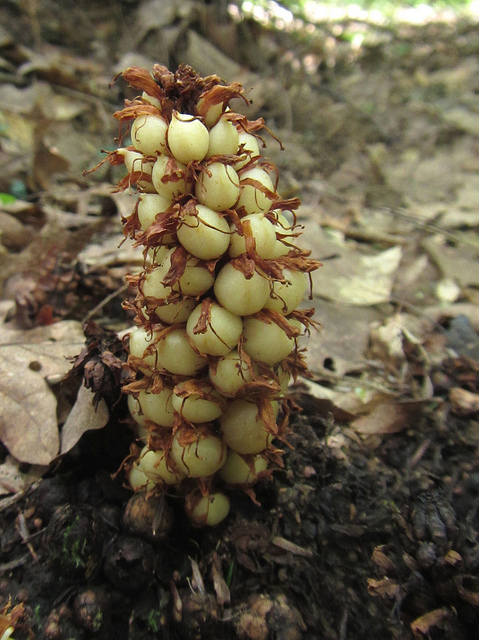
Bear Corn about to go to seed in Garrett Co., Maryland (7/6/2013).
Photo by
Matt Tillett
MBP List
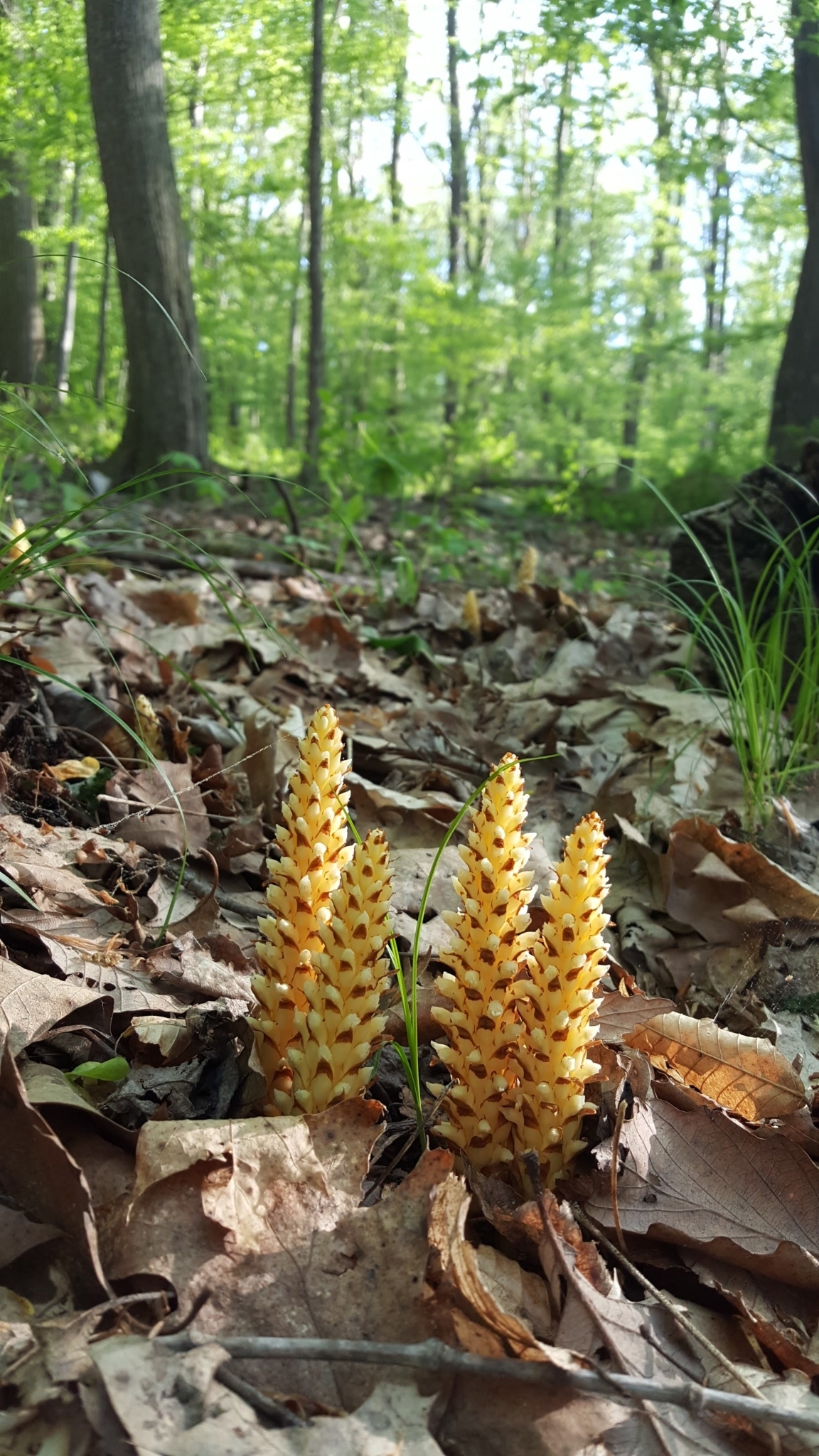
Bear Corn in Frederick Co., Maryland (5/3/2017). (c) Krishun Karau, some rights reserved (CC BY-NC).
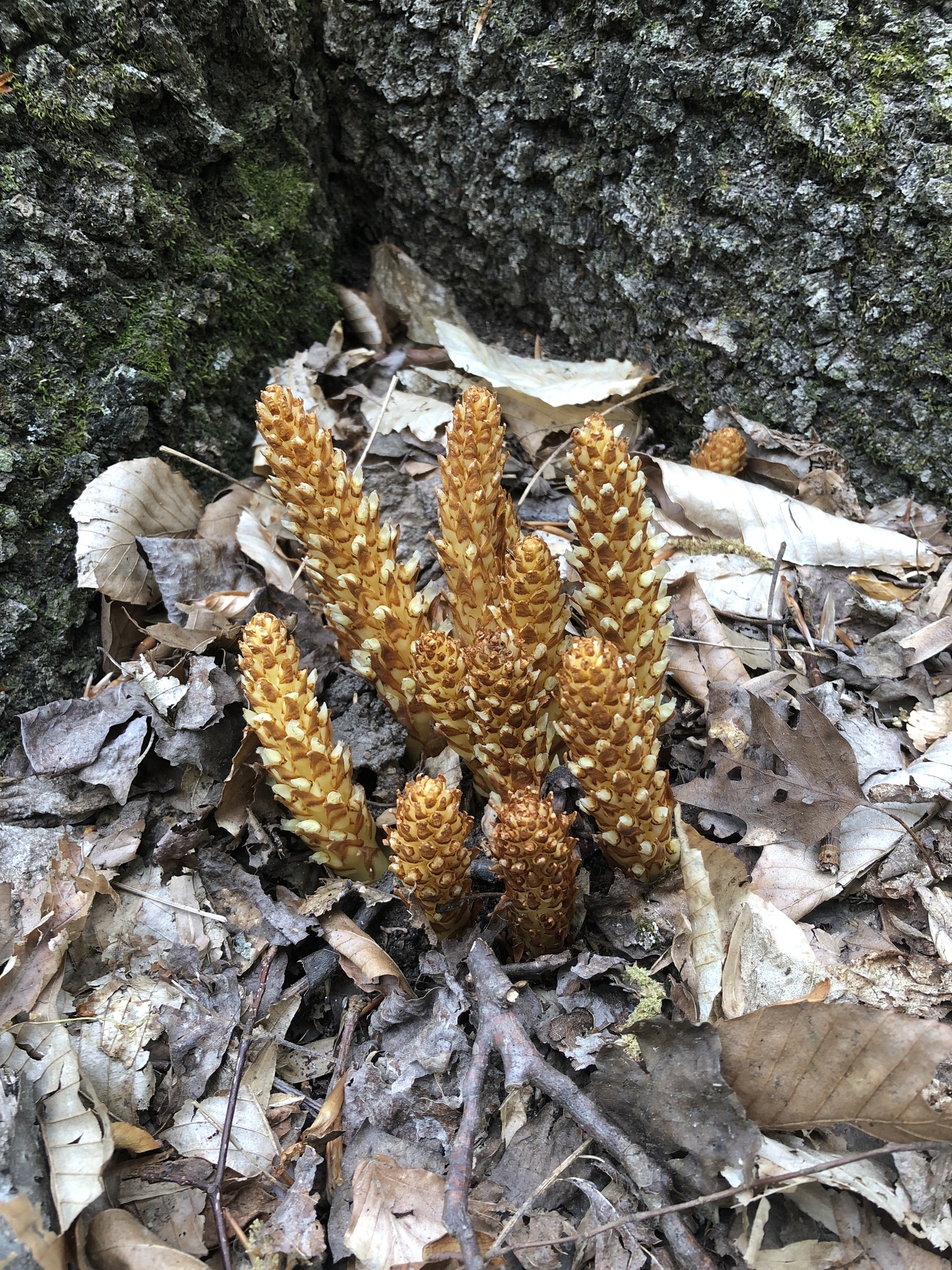
Bear Corn in Montgomery Co., Maryland (4/24/2021). (c) dbstern, some rights reserved (CC BY-NC).
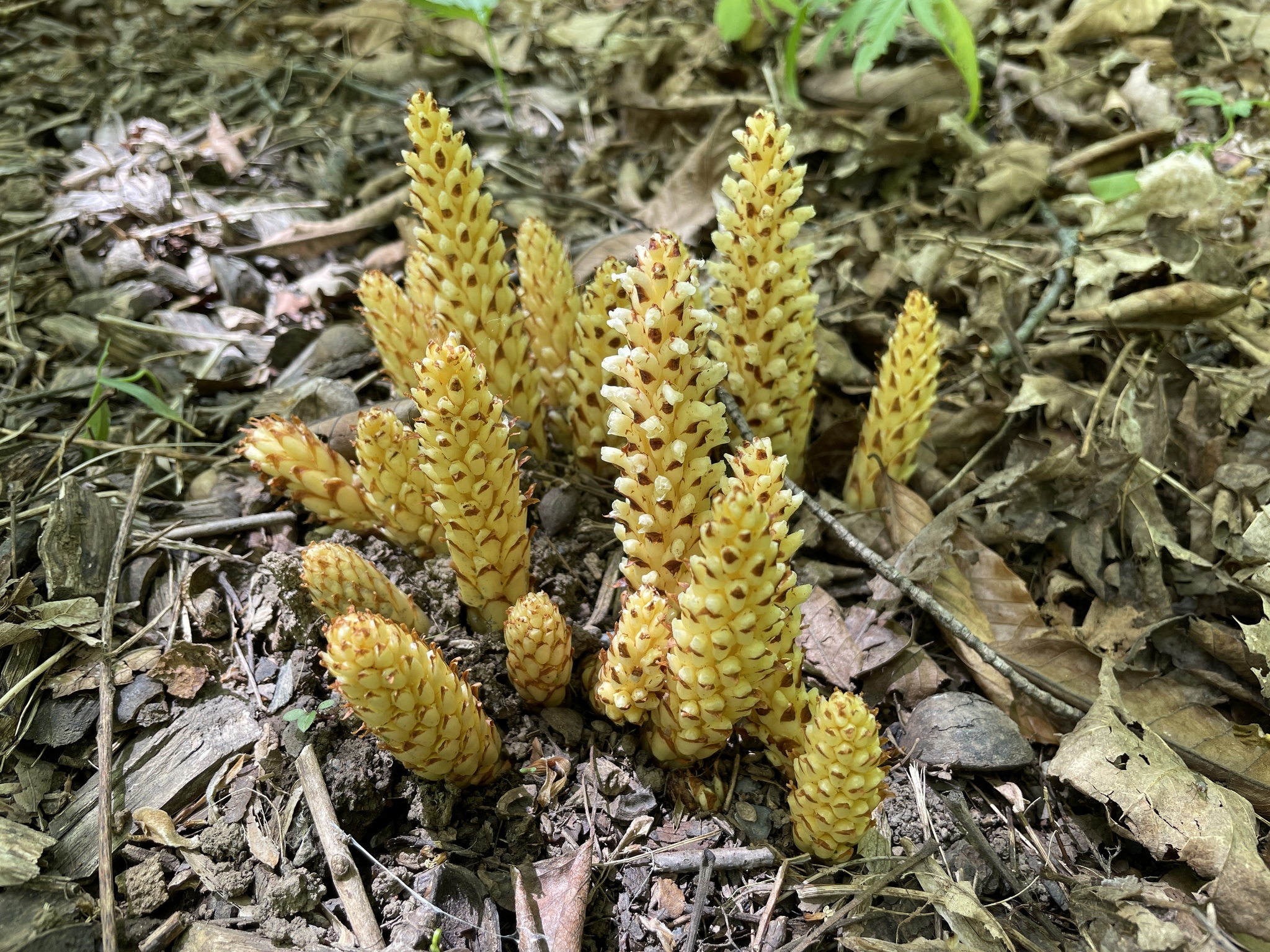
Bear Corn in Frederick Co., Maryland (5/13/2021). (c) smct, some rights reserved (CC BY-NC).
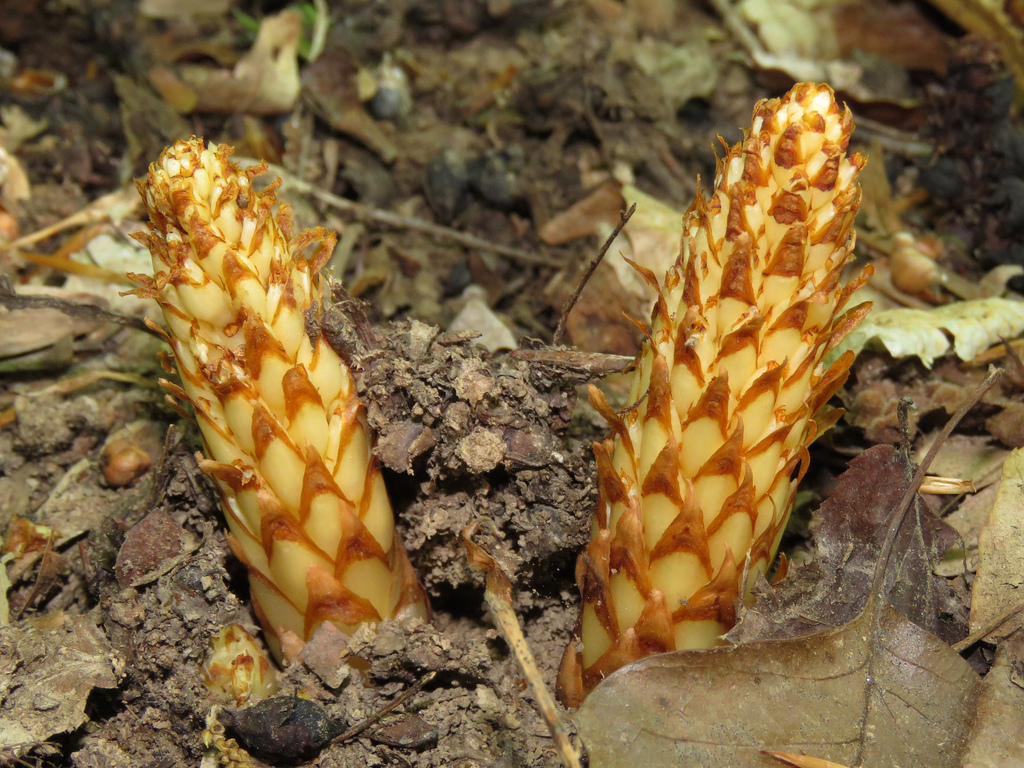
Bear Corn in Harford Co., Maryland (5/9/2018).
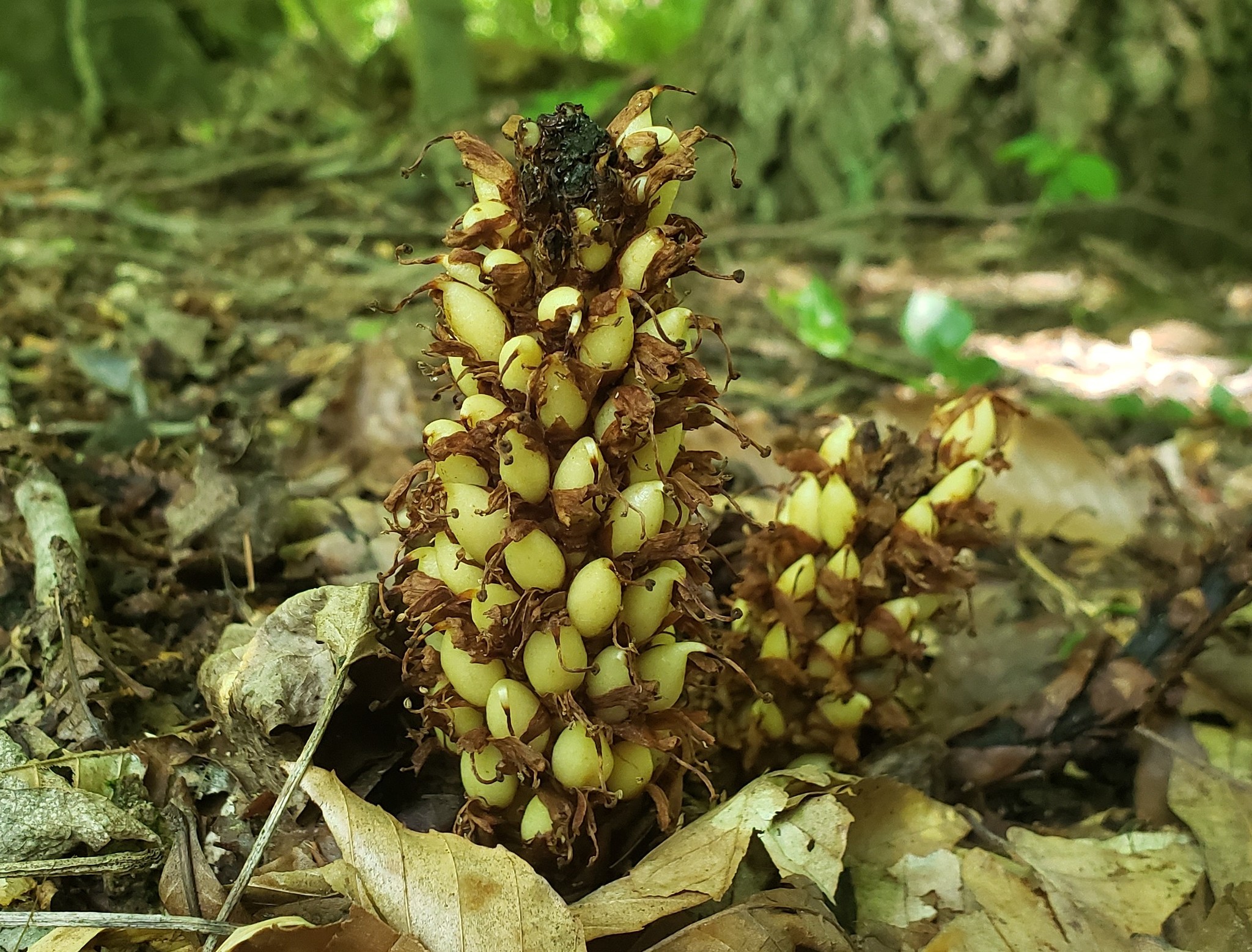
Bear Corn in Prince George's Co., Maryland (5/31/2019). (c) Matthew Beziat, some rights reserved (CC BY-NC).
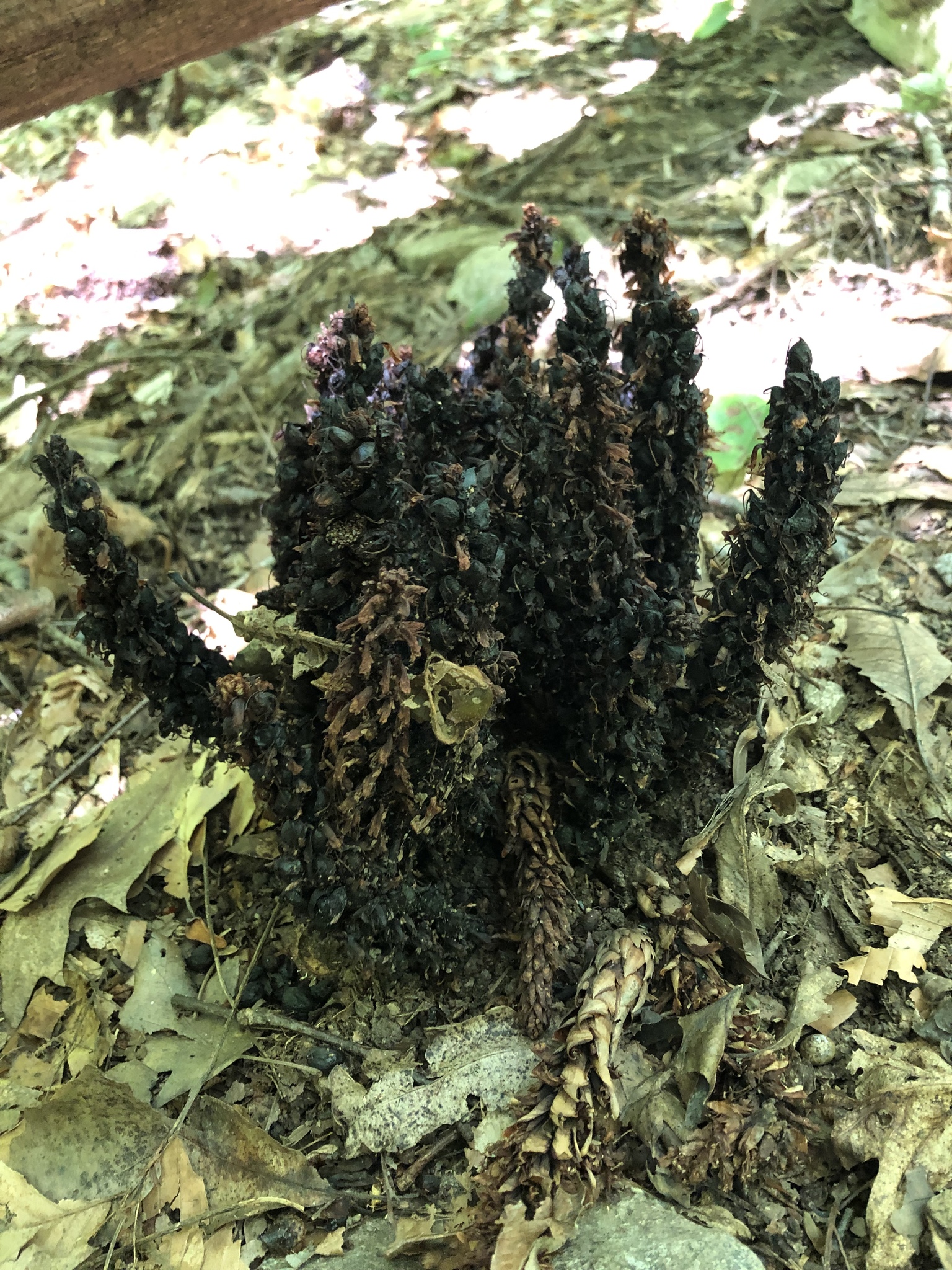
Bear Corn in Frederick Co., Maryland (8/11/2019). (c) juliaburch, some rights reserved (CC BY-NC).
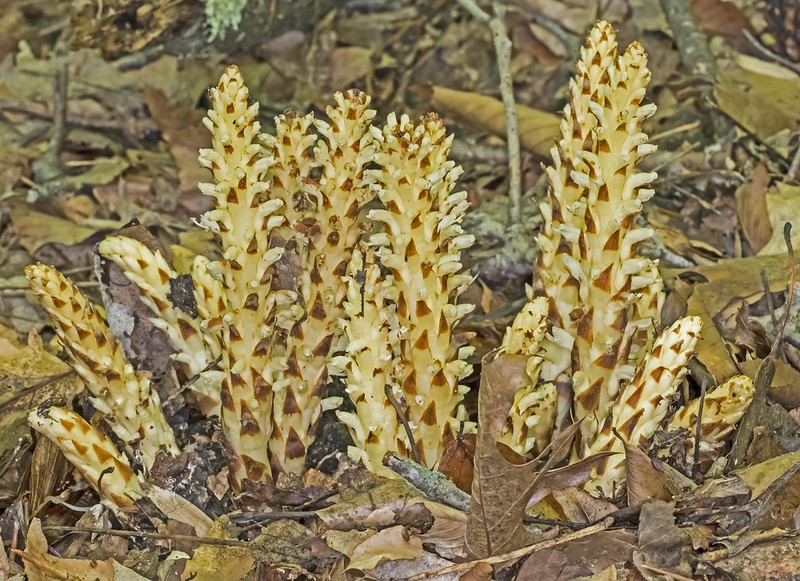
Bear Corn in Frederick Co., Maryland (5/21/2018).
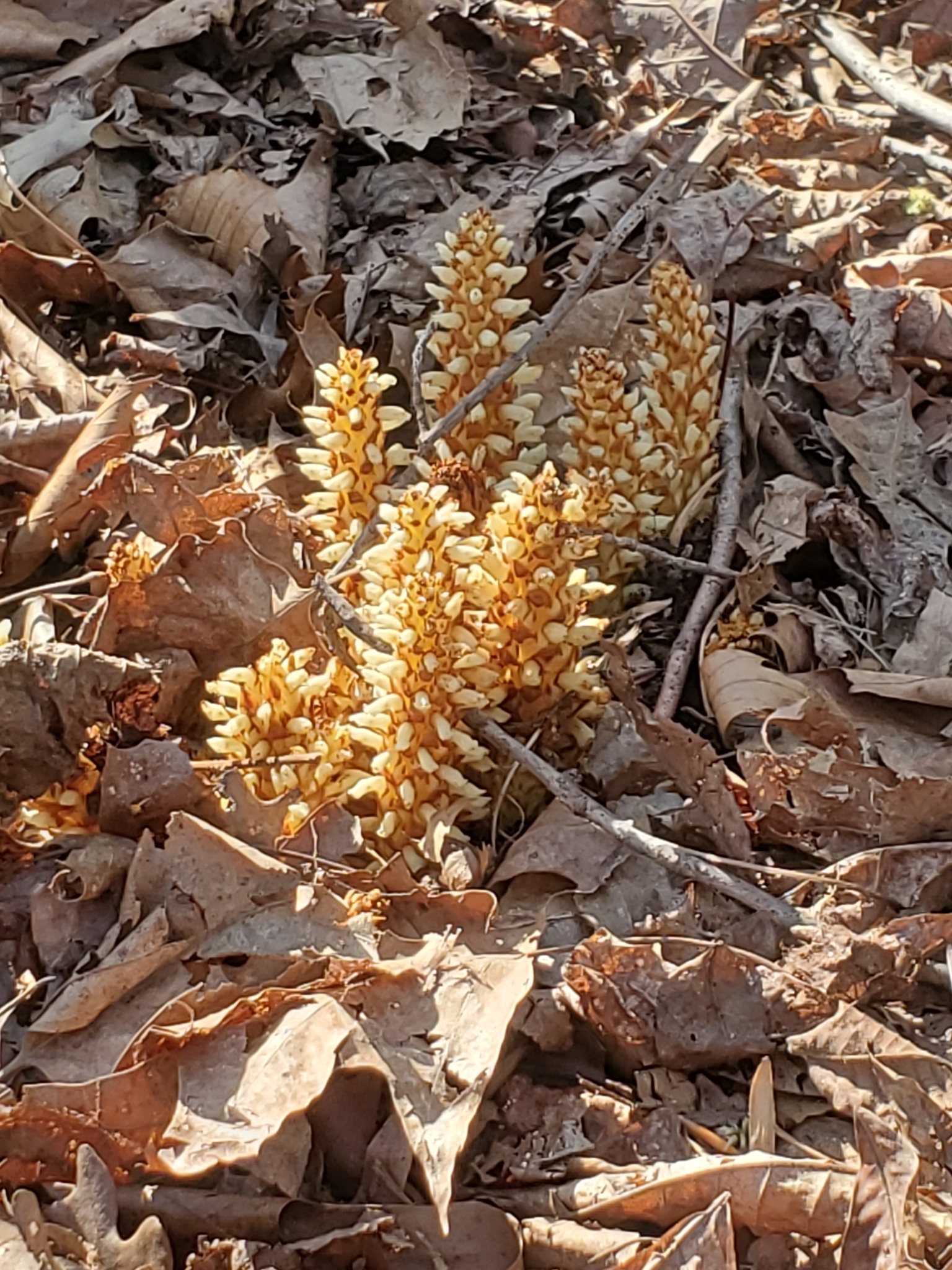
Bear Corn in Montgomery Co., Maryland (4/14/2024). (c) epic2112, some rights reserved (CC BY-NC).
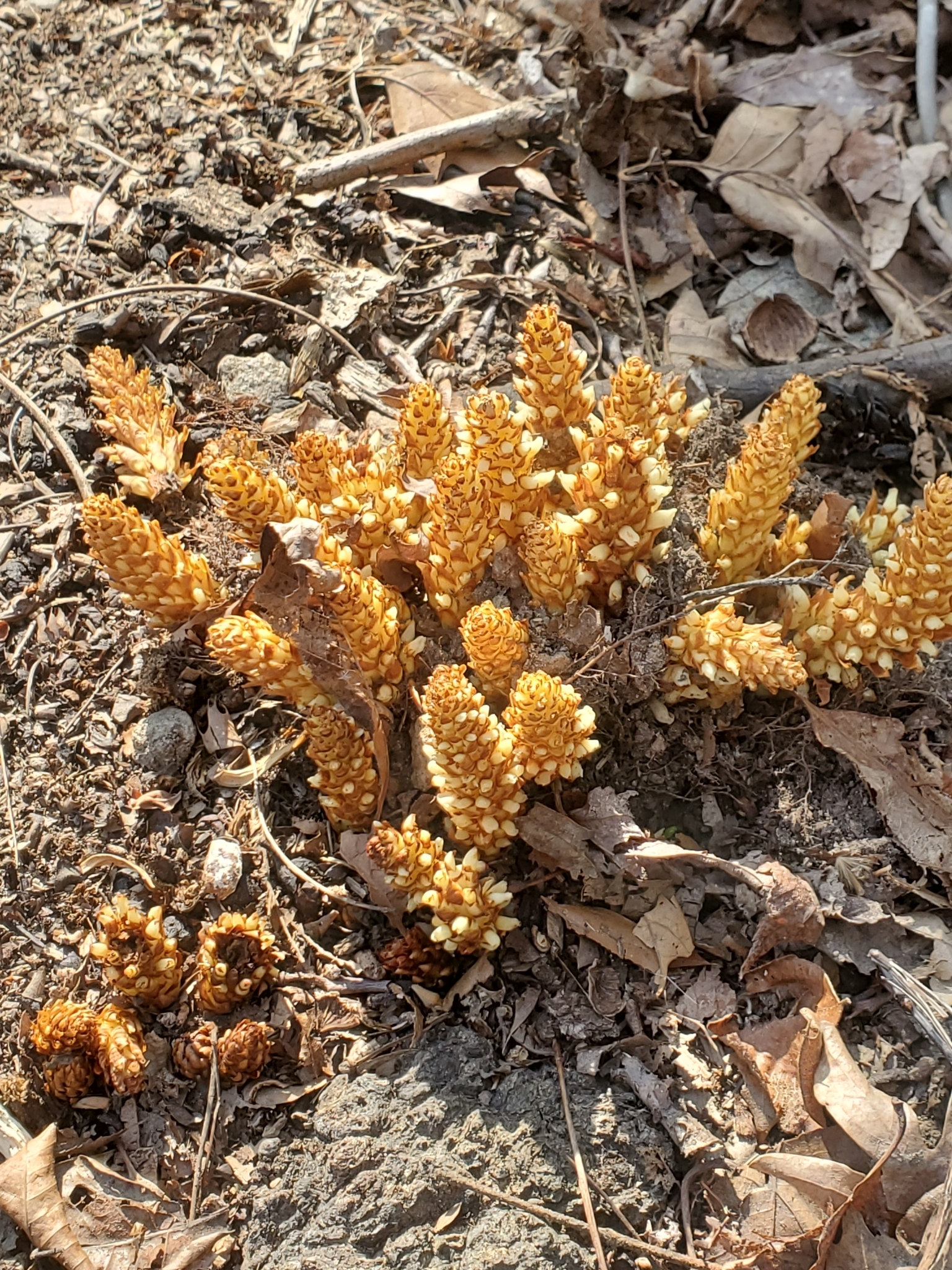
Bear Corn in Montgomery Co., Maryland (4/14/2024). (c) epic2112, some rights reserved (CC BY-NC).
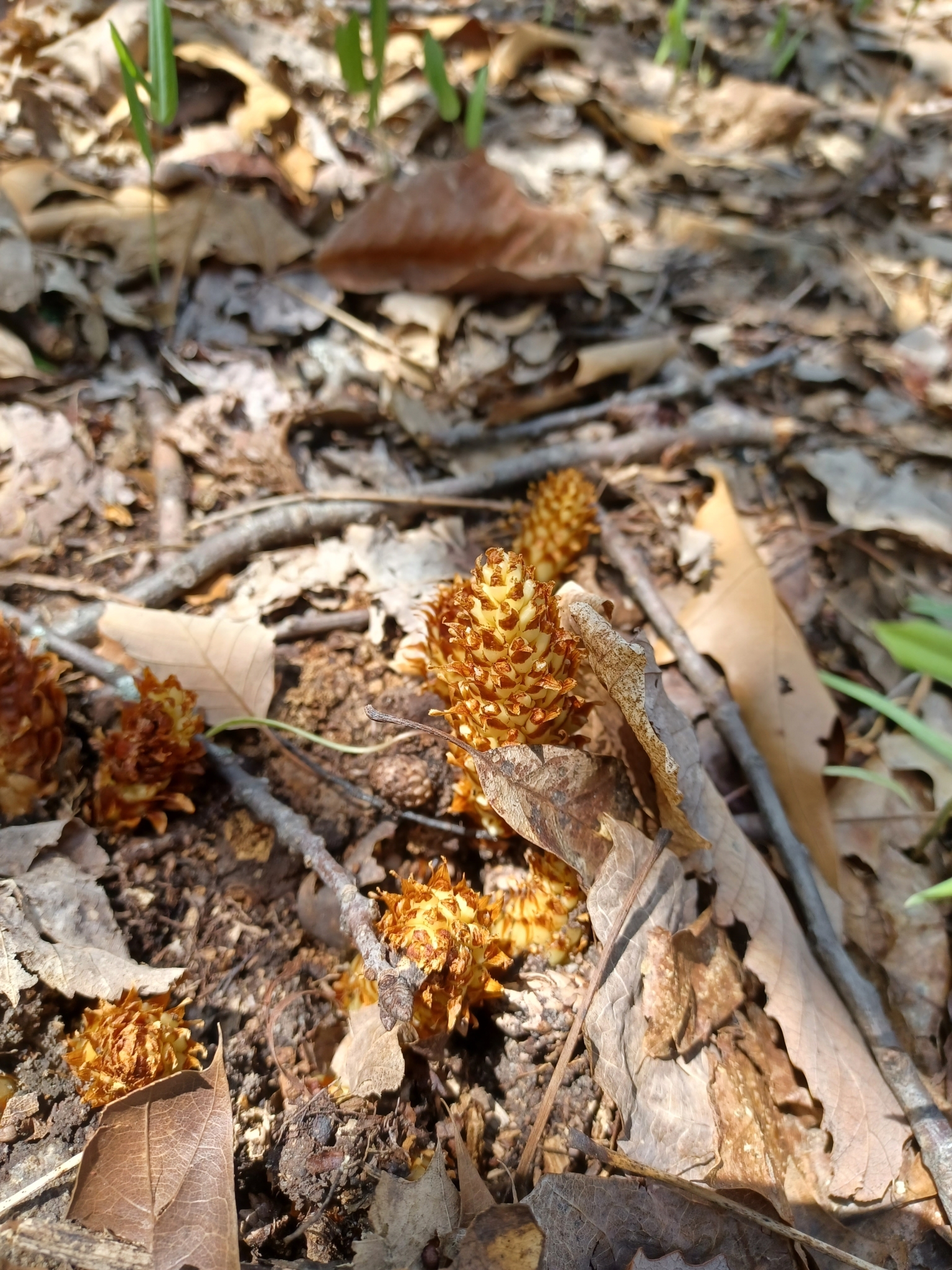
Bear Corn in Allegany Co., Maryland (4/28/2024). (c) kbarylski, some rights reserved (CC BY-NC).
Map Snapshot


512 Records
Status
Bear Corn is a perennial, parasitic, flowering plant that grows from Maine to Michigan and south to Tennessee and Florida. The genus name, Conopholis, meaning “cone-scale,” is derived from Greek: “conos” for cone, and “pholos” for scale. It blooms from May into June. Being parasitic, it obtains all of its nutrition from other plants, and lacks the chlorophyll that gives nonparasitic plants their green color and their ability to synthesize their own food from inorganic substances.
Description
The stem of Bear Corn is thick and brown, 4 to 6 inches tall. It is covered with brown scales that are not true leaves. More than half the height of the plant consists of the dense inflorescence, which is sometimes compared to a pine cone in overall appearance (Voss and Reznicek, 2012). The stem arises from a thick underground tubercle which forms short roots with haustoria that invade the roots of host tissue. A large woody gall forms where the parasite’s root attaches to the oak root. The flowers, which are located on the thick stem, are pale yellow and less than a half-inch long.
Where To Find
Bear Corn’s habitat is rich woodlands having oaks and beeches.
Relationships
Bear Corn is most commonly parasitic on the roots of oak species, and to a lesser extent on beech roots. The flowers may be pollinated by bee and fly species, but some flowers may be self-pollinated. When in fruit, the plant, with its many capsules, resembles an ear of corn. Each capsule contains many small seeds. The capsules, which mature while still sticky, attract animals such as Black Bears (when they are coming out of hibernation in spring), and White-tailed Deer, which eat and disperse the fruits and seeds (Illinois Wildflowers, Lobstein, 2020).
Citations
No citations linked for this taxon yet.
Use of media featured on Maryland
Biodiversity Project is only permitted with express permission of the
photographer.
Bear Corn in Green Ridge State Forest, Maryland (4/23/2010).
View Record Details
Media by
Bill Hubick.
Bear Corn in Garrett Co., Maryland (5/22/2016).
View Record Details
Media by
Robert Ferraro.
Bear Corn in Frederick Co., Maryland (5/13/2007).
View Record Details
Media by
R. Child.
Bear Corn in Frederick Co., Maryland (5/15/2018).
View Record Details
Media by
Robert Warren.
Bear Corn in Garrett Co., Maryland (5/10/2016).
View Record Details
Media by
Ed Boyd.
Bear Corn growing in Garrett Co., Maryland (5/10/2016).
View Record Details
Media by
Jim Stasz.
Bear Corn in Prince George's Co., Maryland (5/14/2016).
View Record Details
Media by
Bill Harms.
Bear Corn in Frederick Co., Maryland (5/3/2018).
View Record Details
Media by
Robert Warren.
Bear Corn in Montgomery Co., Maryland (5/19/2012).
View Record Details
Media by
Fritz Flohr Reynolds.
Bear Corn growing in Allegany Co., Maryland (6/27/2016).
View Record Details
Media by
Kimberly Booth.
Bear Corn about to go to seed in Garrett Co., Maryland (7/6/2013).
Media by
Matt Tillett.
Bear Corn in Frederick Co., Maryland (5/3/2017). (c) Krishun Karau, some rights reserved (CC BY-NC).
View Record Details
Media by
Krishun Karau via iNaturalist.
Bear Corn in Montgomery Co., Maryland (4/24/2021). (c) dbstern, some rights reserved (CC BY-NC).
View Record Details
Media by
dbstern via iNaturalist.
Bear Corn in Frederick Co., Maryland (5/13/2021). (c) smct, some rights reserved (CC BY-NC).
View Record Details
Media by
smct via iNaturalist.
Bear Corn in Harford Co., Maryland (5/9/2018).
View Record Details
Media by
Josh Emm.
Bear Corn in Prince George's Co., Maryland (5/31/2019). (c) Matthew Beziat, some rights reserved (CC BY-NC).
View Record Details
Media by
Matthew Beziat.
Bear Corn in Frederick Co., Maryland (8/11/2019). (c) juliaburch, some rights reserved (CC BY-NC).
View Record Details
Media by
juliaburch via iNaturalist.
Bear Corn in Frederick Co., Maryland (5/21/2018).
View Record Details
Media by
Richard Crook.
Bear Corn in Montgomery Co., Maryland (4/14/2024). (c) epic2112, some rights reserved (CC BY-NC).
View Record Details
Media by
epic2112 via iNaturalist.
Bear Corn in Montgomery Co., Maryland (4/14/2024). (c) epic2112, some rights reserved (CC BY-NC).
View Record Details
Media by
epic2112 via iNaturalist.
Bear Corn in Allegany Co., Maryland (4/28/2024). (c) kbarylski, some rights reserved (CC BY-NC).
View Record Details
Media by
kbarylski via iNaturalist.