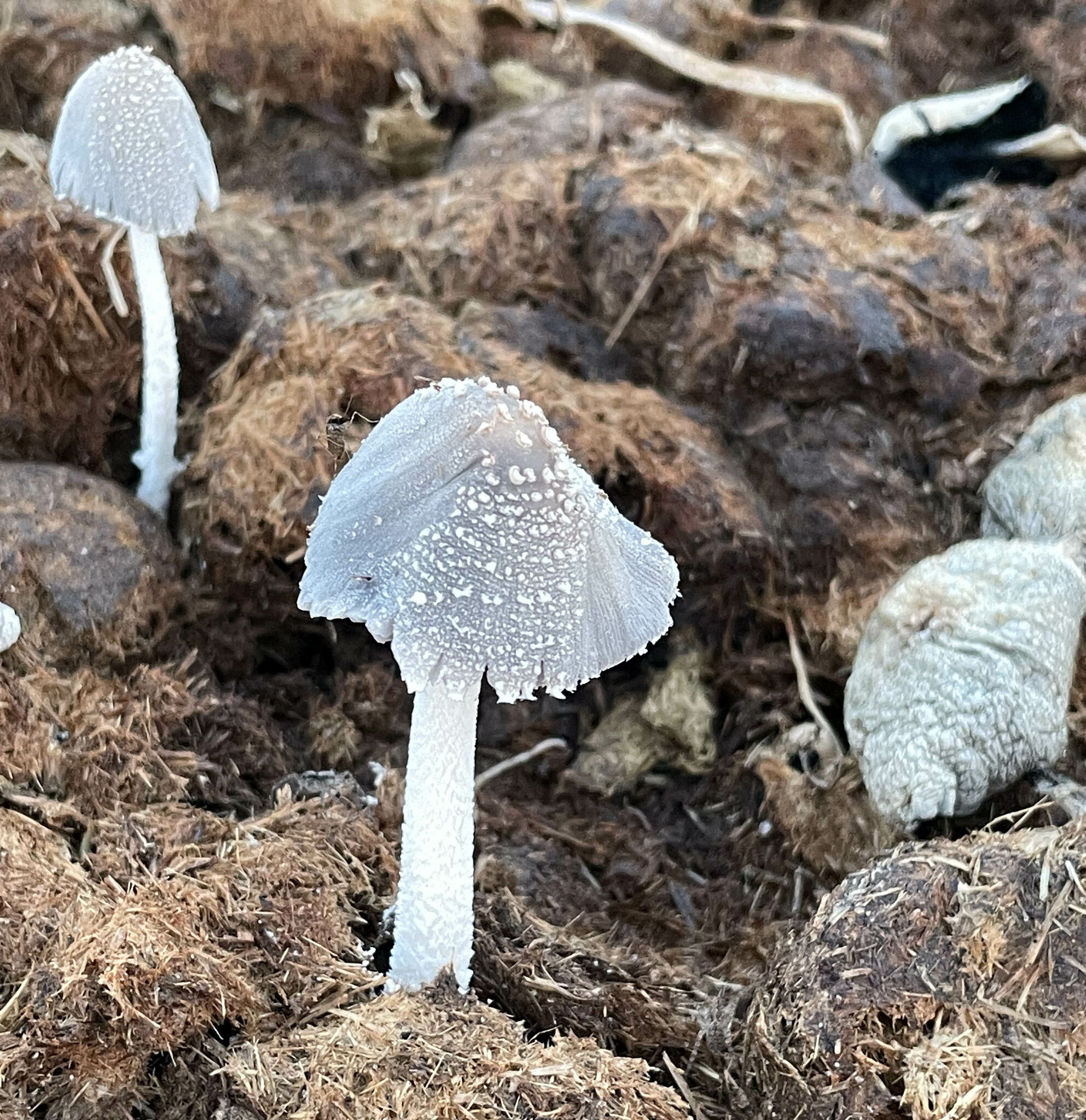
Coprinellus flocculosus in Worcester Co., Maryland (Date obscured). (c) johnbotany, all rights reserved.
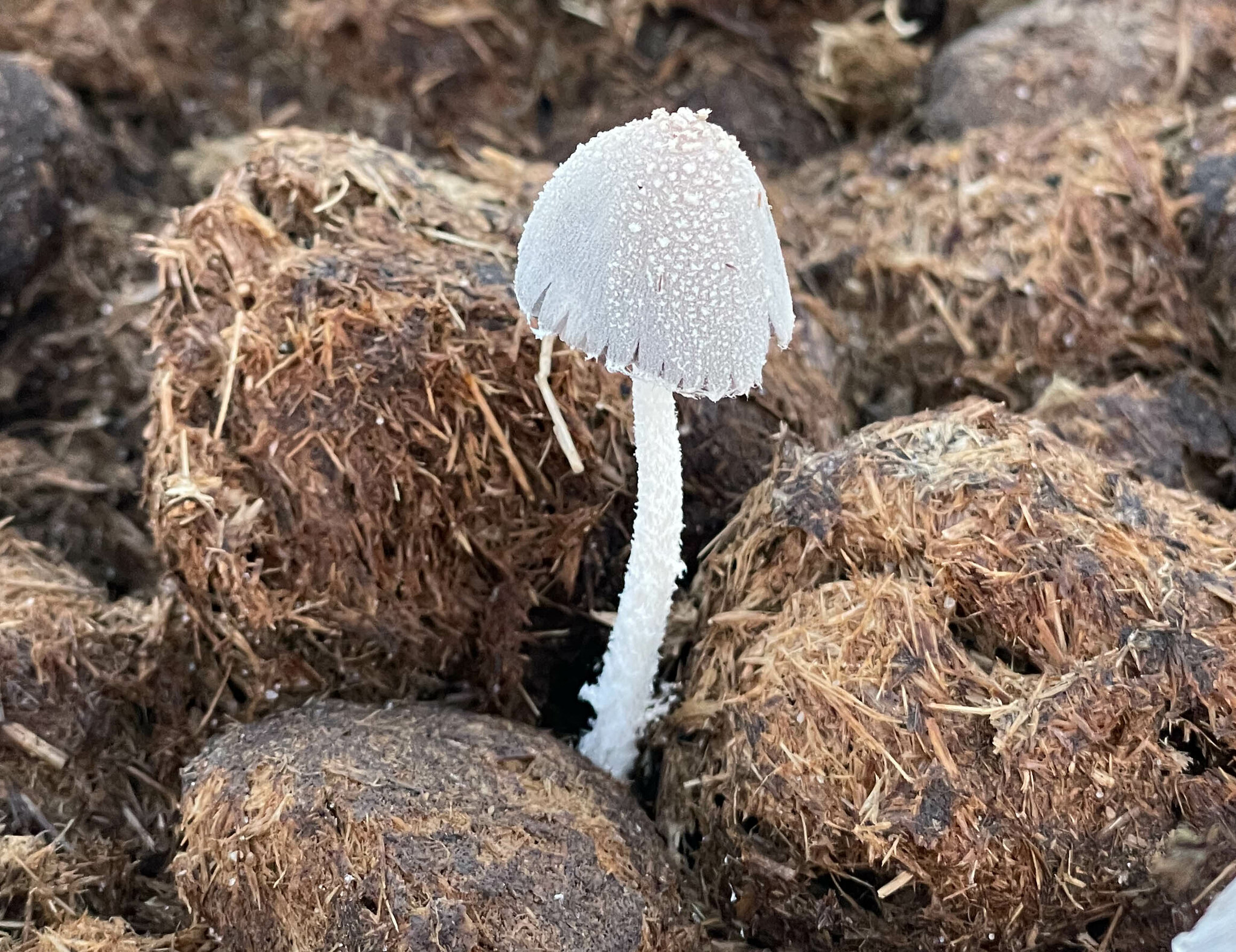
Coprinellus flocculosus in Worcester Co., Maryland (Date obscured). (c) johnbotany, all rights reserved.
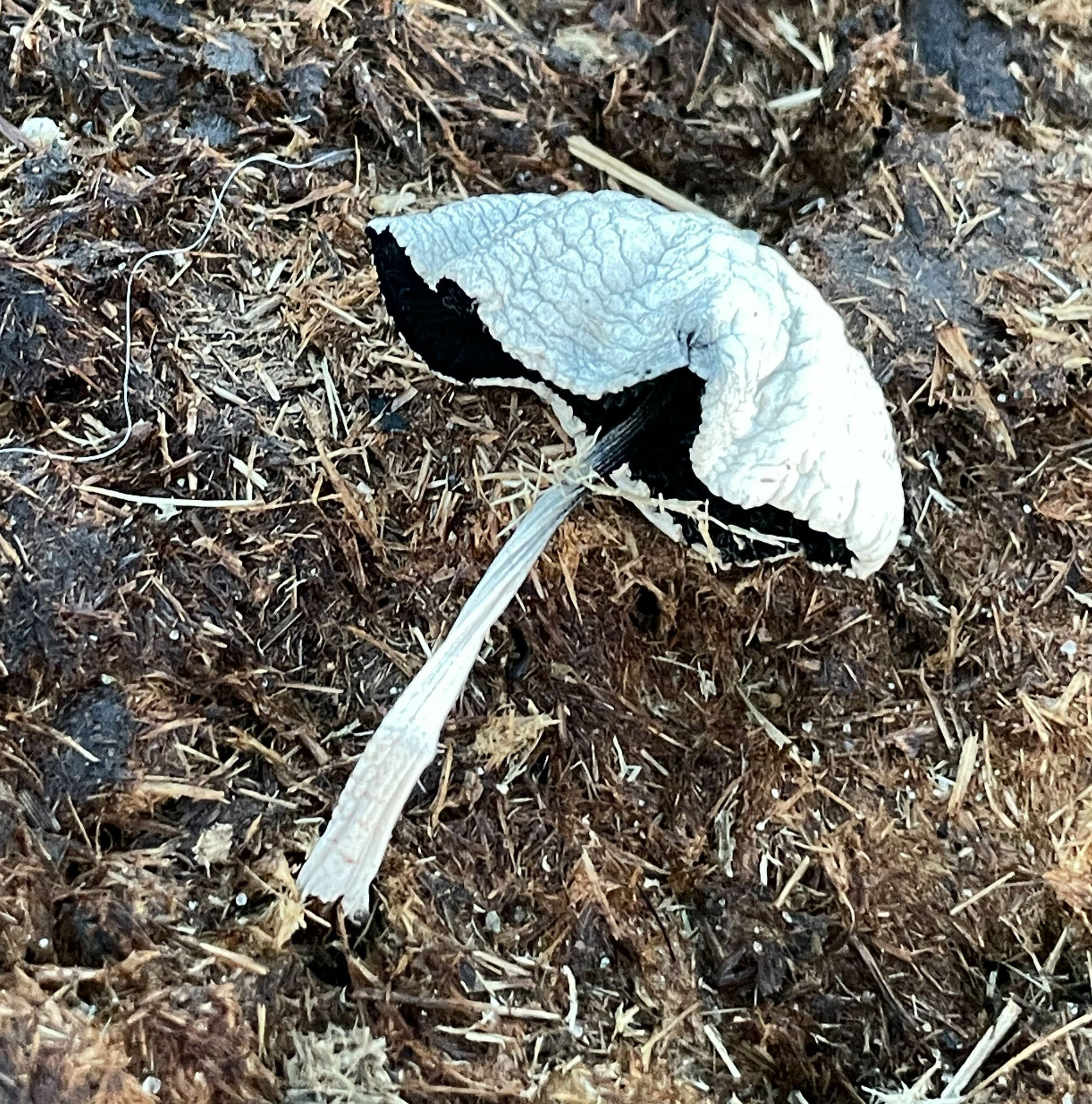
Coprinellus flocculosus in Worcester Co., Maryland (Date obscured). (c) johnbotany, all rights reserved.
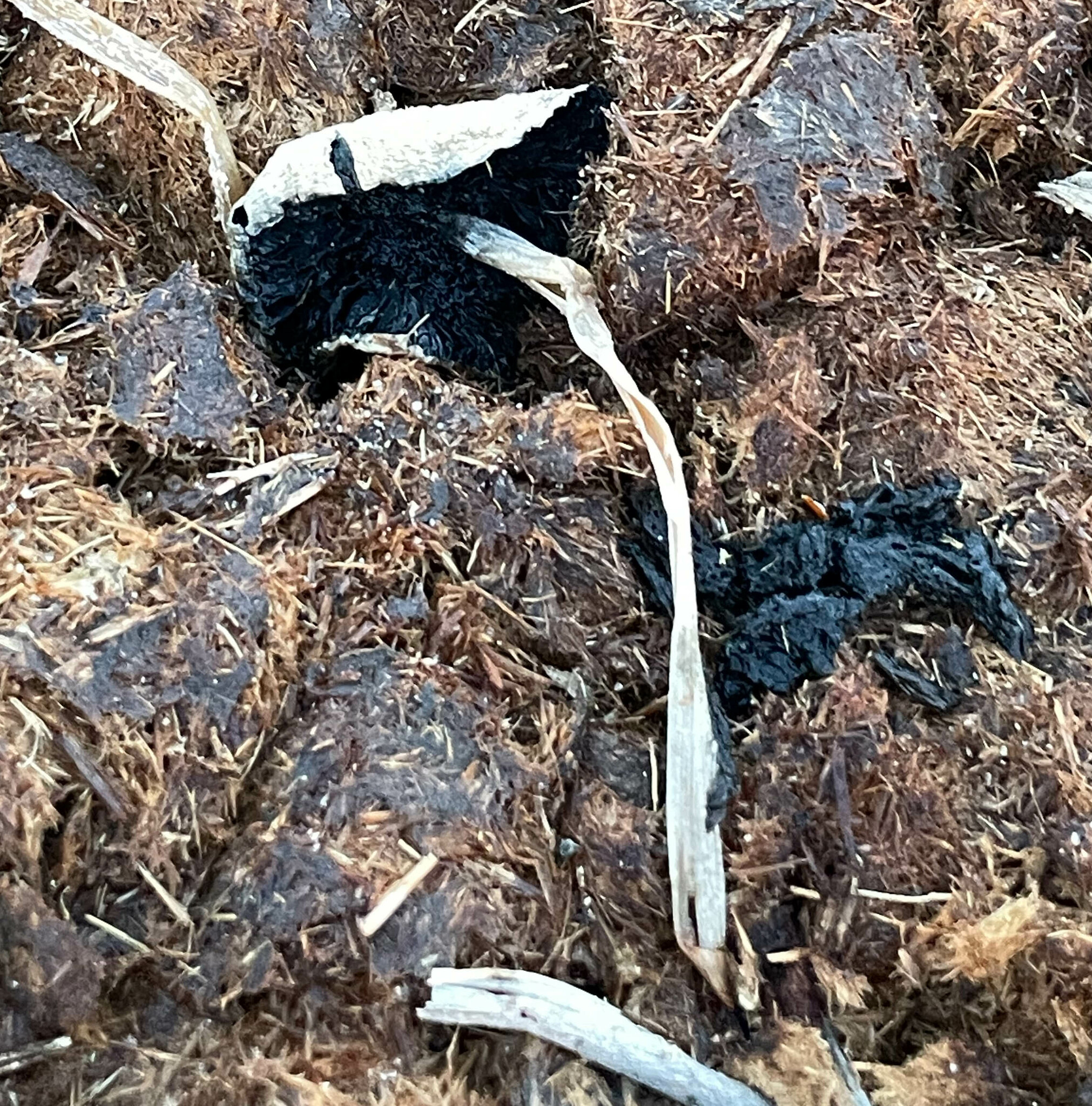
Coprinellus flocculosus in Worcester Co., Maryland (Date obscured). (c) johnbotany, all rights reserved.
Map Snapshot


3 Records
Citations
No citations linked for this taxon yet.
Eating mushrooms can be dangerous. One should do so only with expert advice and great care. MBP accepts no liability for injury sustained in consuming fungi or other biodiversity. Use of media featured on Maryland
Biodiversity Project is only permitted with express permission of the
photographer.
Coprinellus flocculosus in Worcester Co., Maryland (Date obscured). (c) johnbotany, all rights reserved.
View Record Details
Media by
John Hall.
Coprinellus flocculosus in Worcester Co., Maryland (Date obscured). (c) johnbotany, all rights reserved.
View Record Details
Media by
John Hall.
Coprinellus flocculosus in Worcester Co., Maryland (Date obscured). (c) johnbotany, all rights reserved.
View Record Details
Media by
John Hall.
Coprinellus flocculosus in Worcester Co., Maryland (Date obscured). (c) johnbotany, all rights reserved.
View Record Details
Media by
John Hall.
Source: Wikipedia
| Coprinellus flocculosus | |
|---|---|

| |
Scientific classification 
| |
| Kingdom: | Fungi |
| Division: | Basidiomycota |
| Class: | Agaricomycetes |
| Order: | Agaricales |
| Family: | Psathyrellaceae |
| Genus: | Coprinellus |
| Species: | C. flocculosus
|
| Binomial name | |
| Coprinellus flocculosus (DC.) Vilgalys, Hopple & Jacq.Johnson (2001)
| |
| Synonyms[1] | |
| |
Coprinellus flocculosus is a species of agaric fungus in the family Psathyrellaceae.
Taxonomy
[edit]It was first described as Agaricus flocculosus by mycologist Augustin Pyramus de Candolle in 1815, and later transferred to the genus Coprinellus in 2001.[2]
Description
[edit]The yellowish cap is initially egg-shaped then forms a cone up to 5 centimetres (2 in) tall, with white specks, for which it is named. The gills are adnexed and close. The stem is up to 9 cm (3+1⁄2 in) long and 7 millimetres (1⁄4 in) thick. The spore print is black,[3] and the gills deliquesce.[4]
It resembles a number of related species.[3]
Habitat and distribution
[edit]It can be found in wood debris throughout North America.[3]
| Coprinellus flocculosus | |
|---|---|
| Mycological characteristics | |
 | Gills on hymenium |

 | Cap is ovate or campanulate |

 | Hymenium is adnexed or free |

 | Stipe has a volva or is bare |
 | Spore print is black |
 | Ecology is saprotrophic |
 | Edibility is unknown |
References
[edit]- ^ "GSD Species Synonymy: Coprinellus flocculosus (DC.) Vilgalys, Hopple & Jacq. Johnson". Species Fungorum. CAB International. Retrieved 2015-01-20.
- ^ Redhead SA, Vilgalys R, Moncalvo J-M, Johnson J, Hopple JS Jr (2001). "Coprinus Pers. and the disposition of Coprinus species sensu lato". Taxon. 50 (1): 203–241. doi:10.2307/1224525.
- ^ a b c Audubon (2023). Mushrooms of North America. Knopf. p. 595. ISBN 978-0-593-31998-7.
- ^ Siegel, Noah; Schwarz, Christian (September 1, 2024). Mushrooms of Cascadia: A Comprehensive Guide to Fungi of the Pacific Northwest. Humboldt County, California: Backcountry Press. p. 93. ISBN 9781941624197.