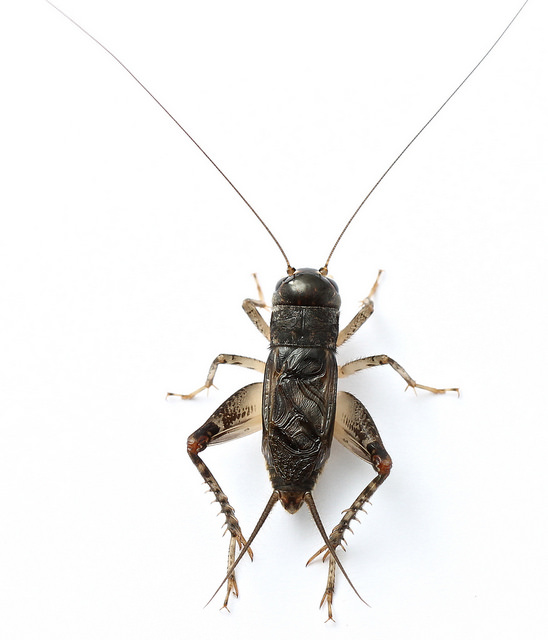
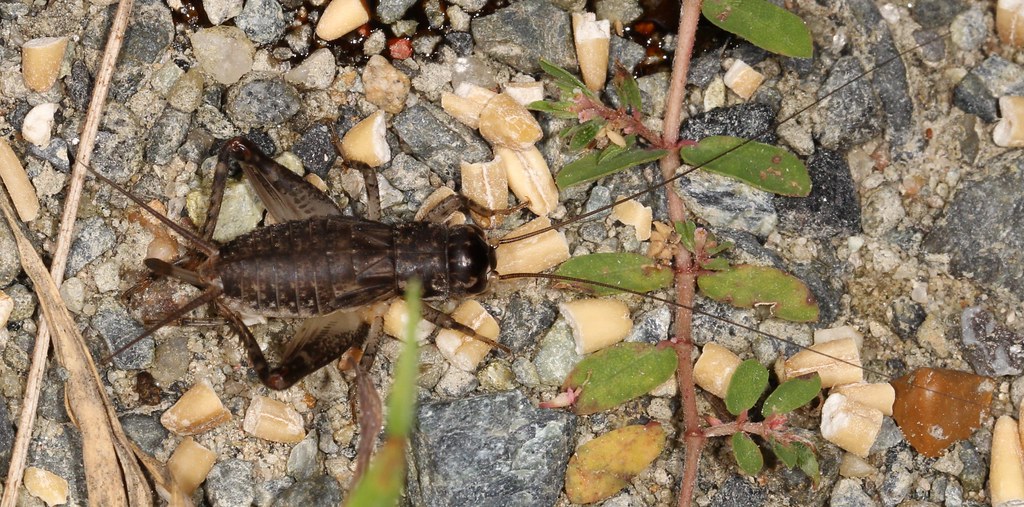
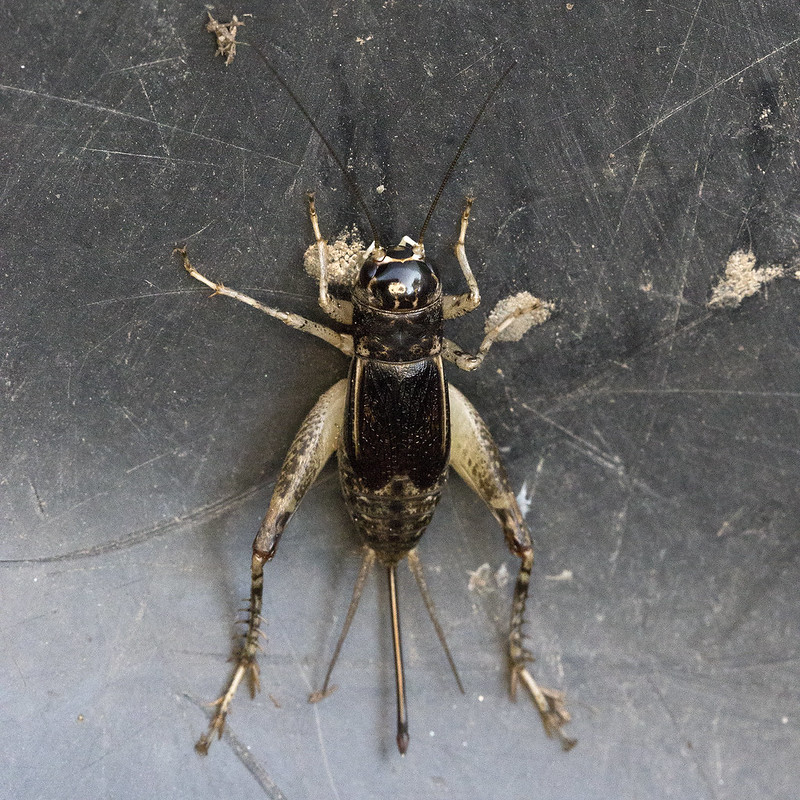
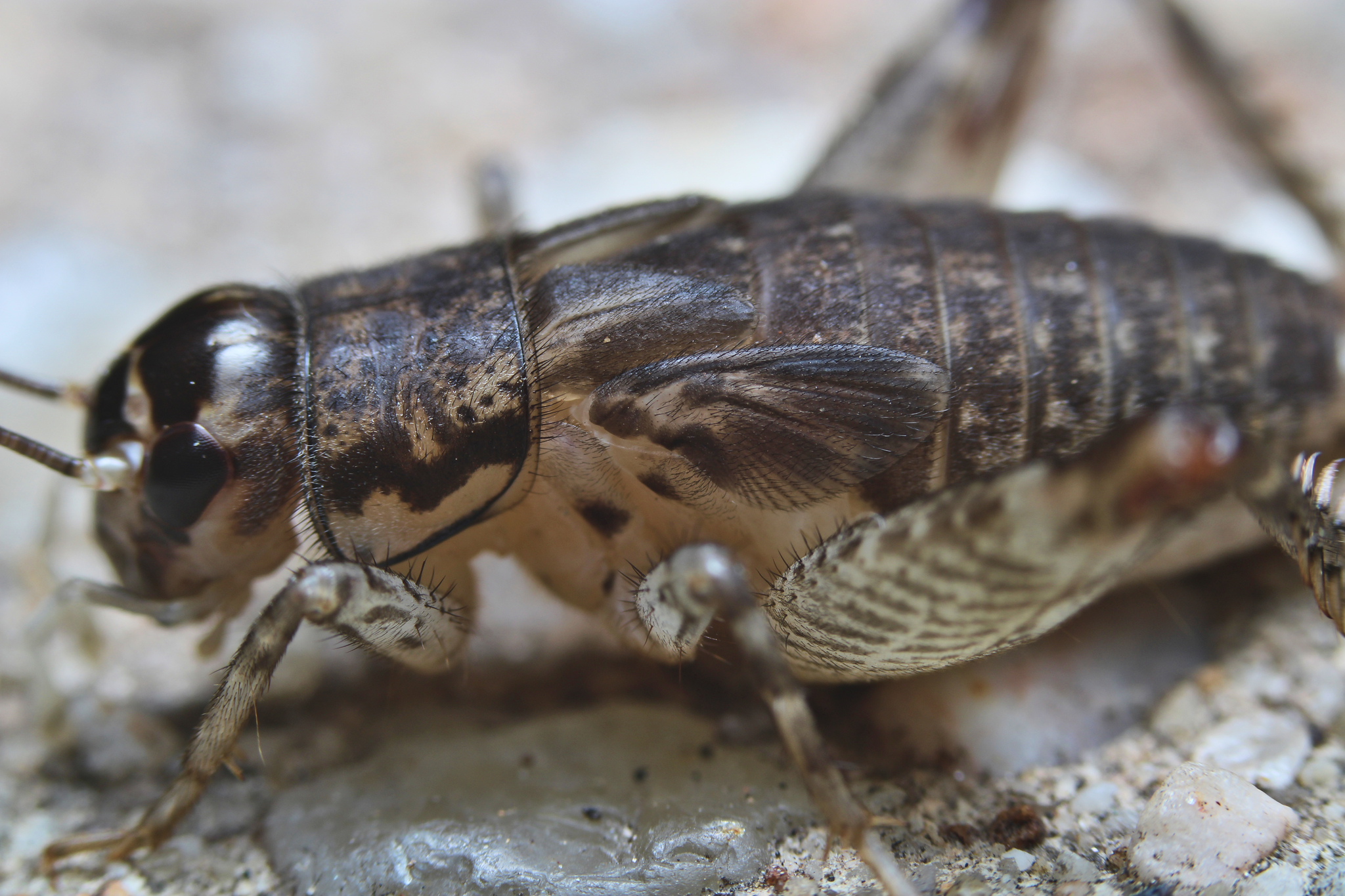
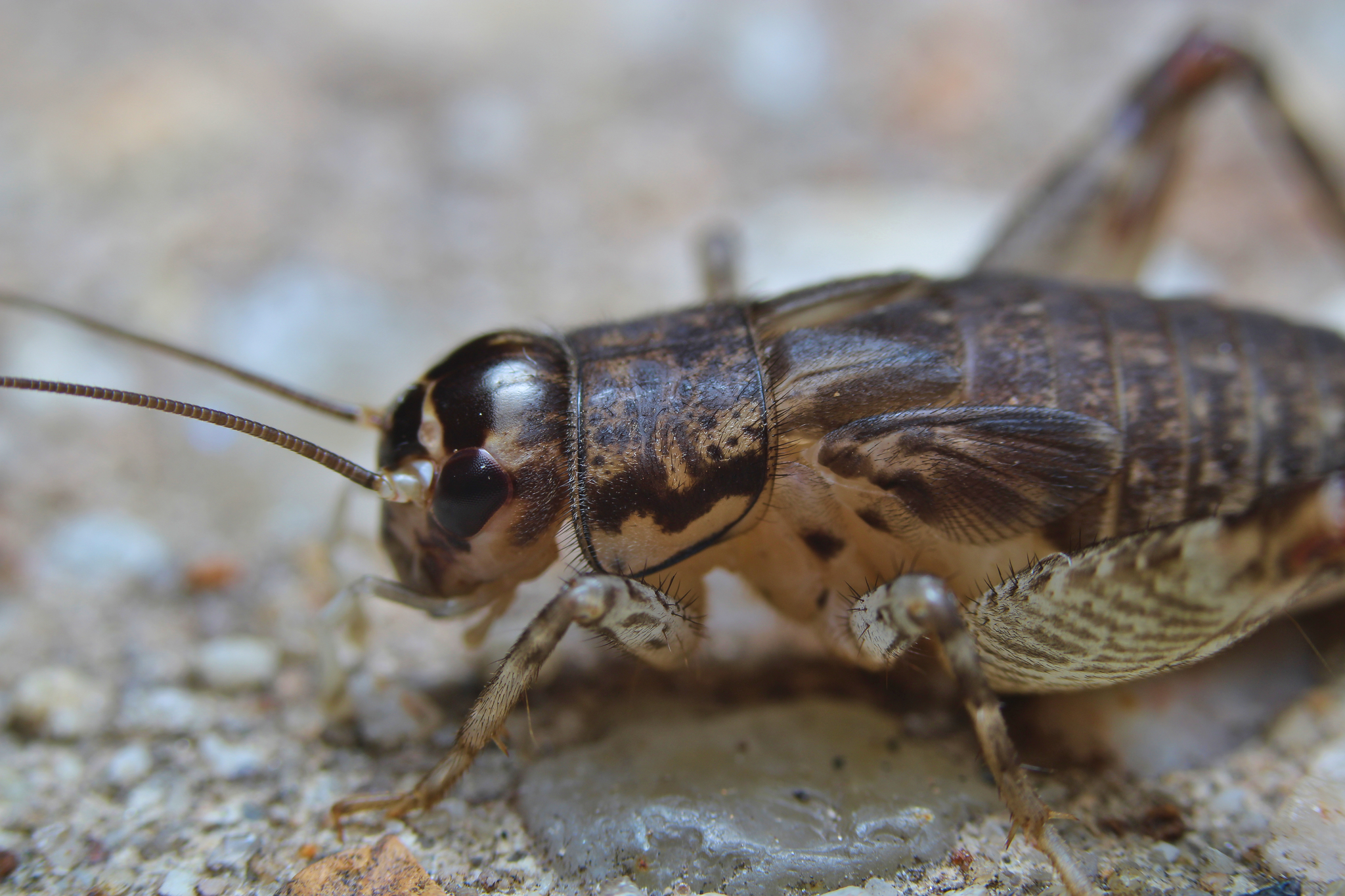
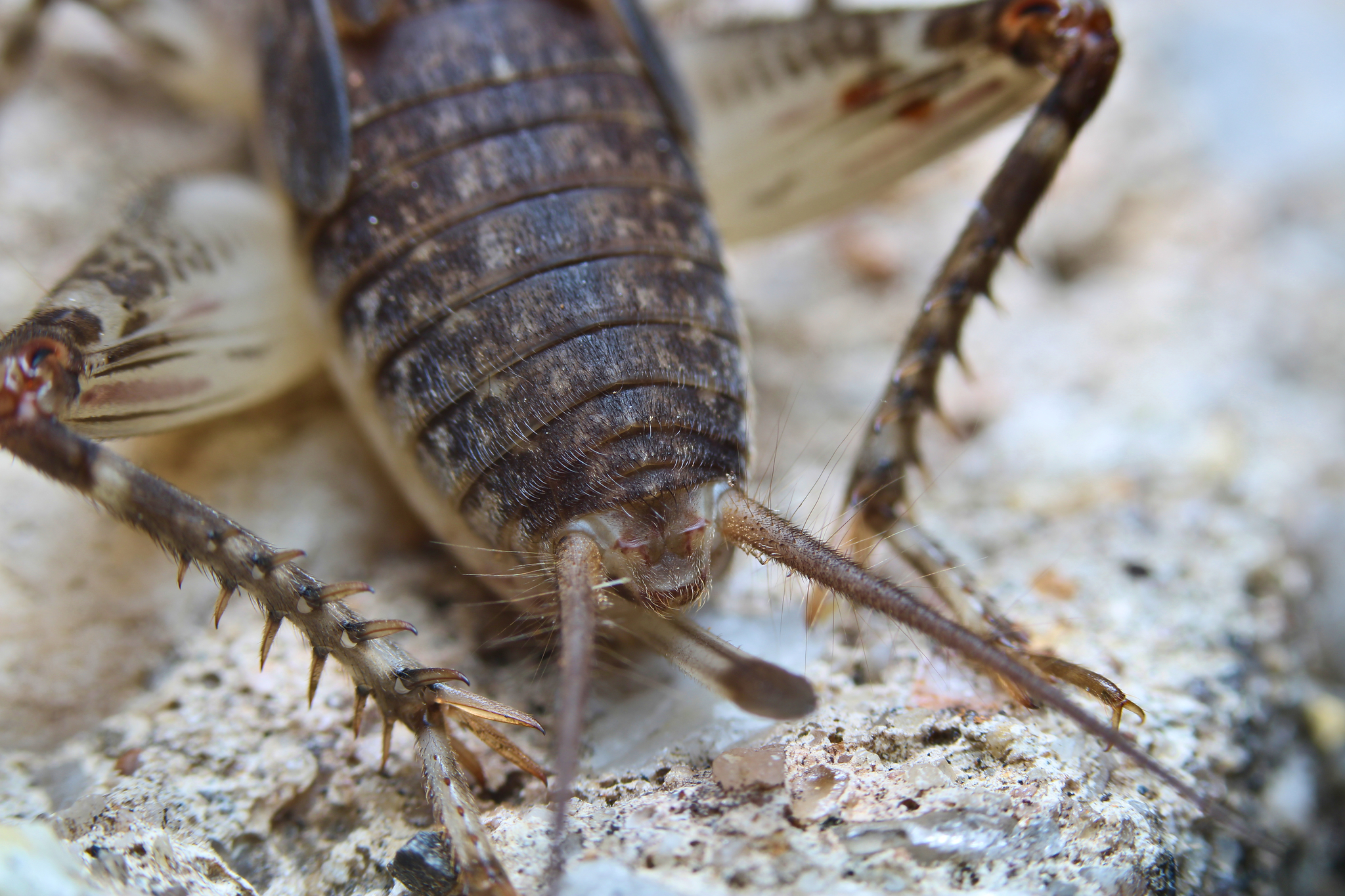
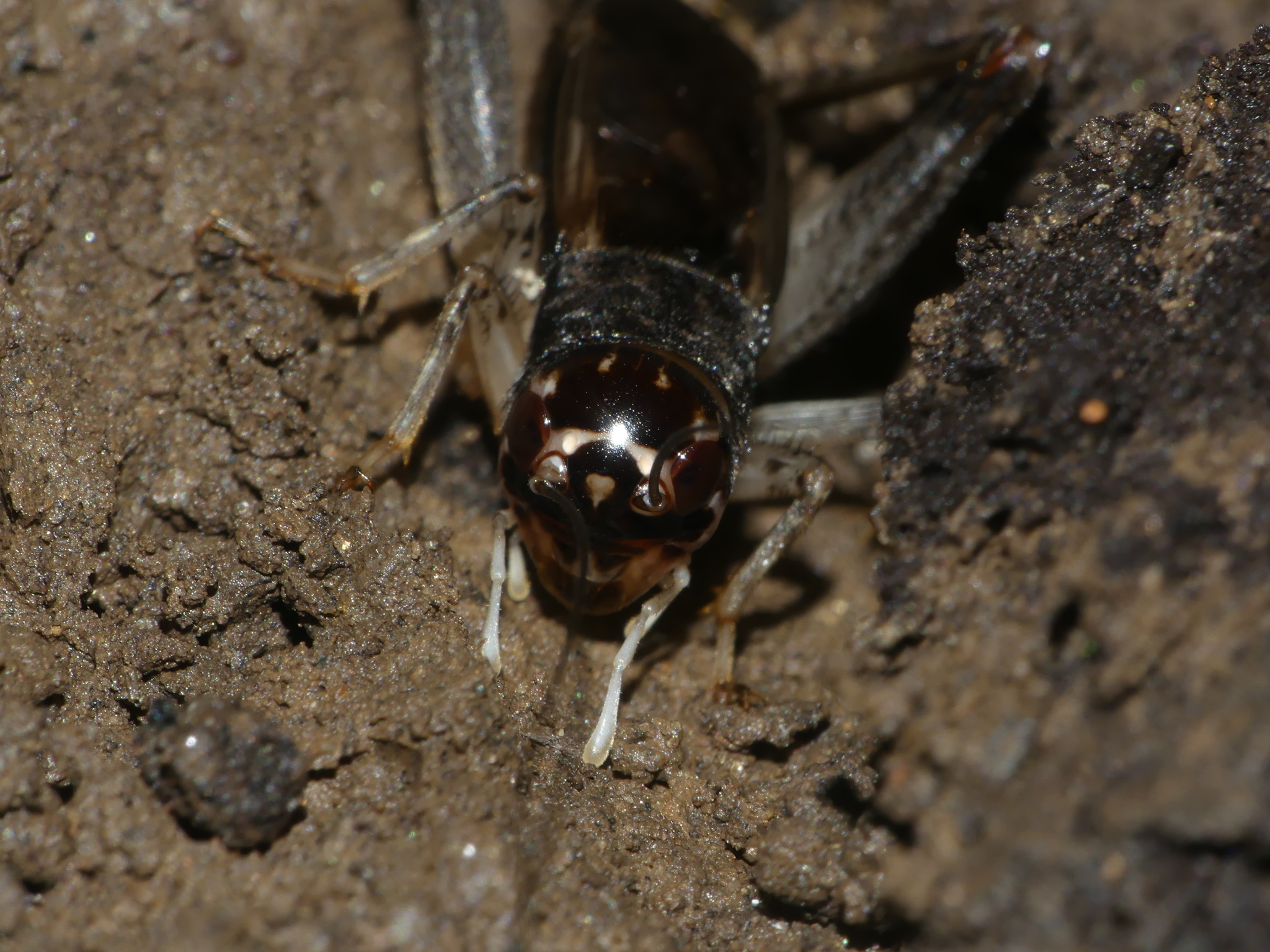
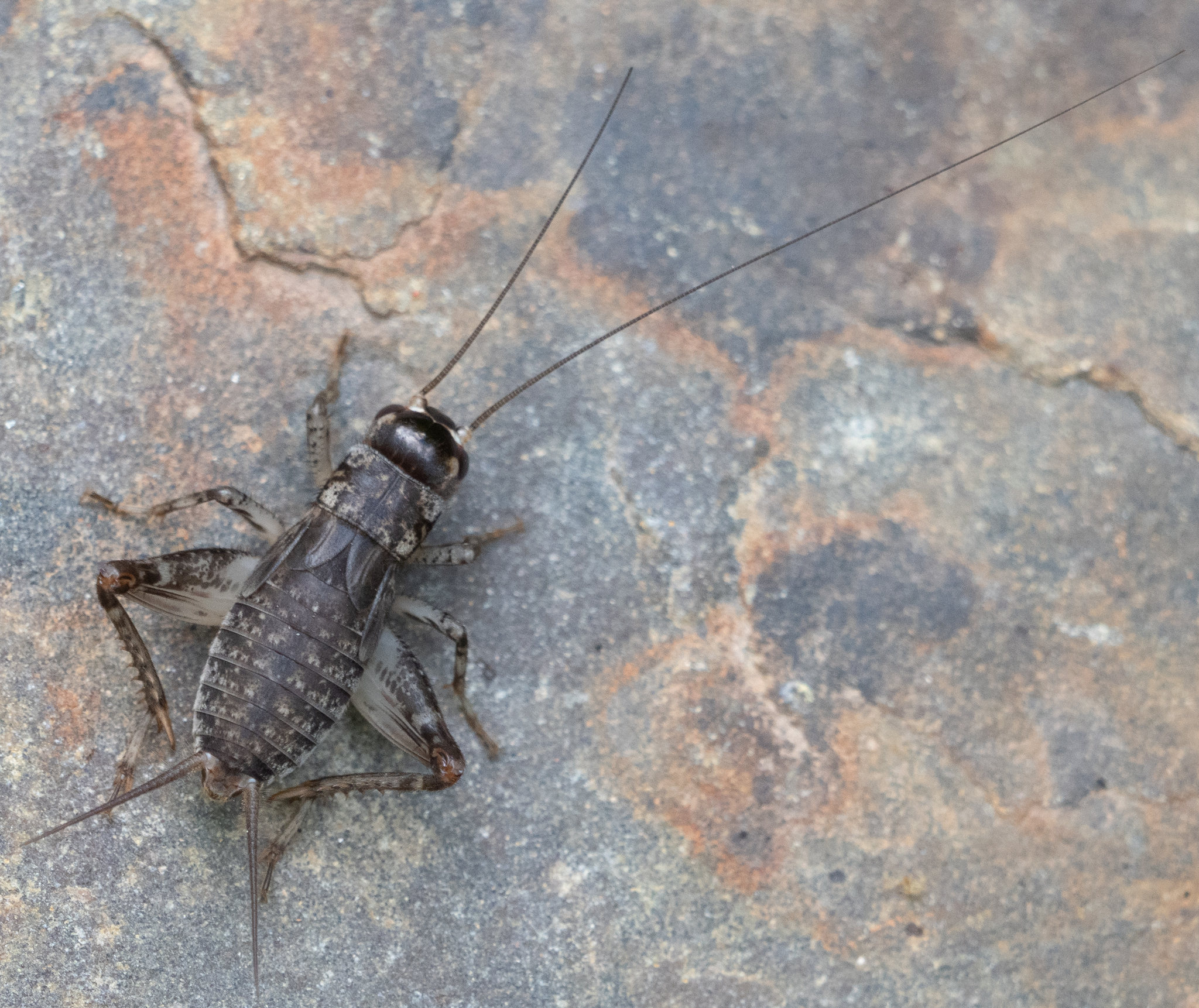
A Japanese Burrowing Cricket in Anne Arundel Co., Maryland (8/9/2014).
Media by
Bill Hubick.
A Japanese Burrowing Cricket in Anne Arundel, Maryland (8/9/2014).
Media by
Bill Hubick.
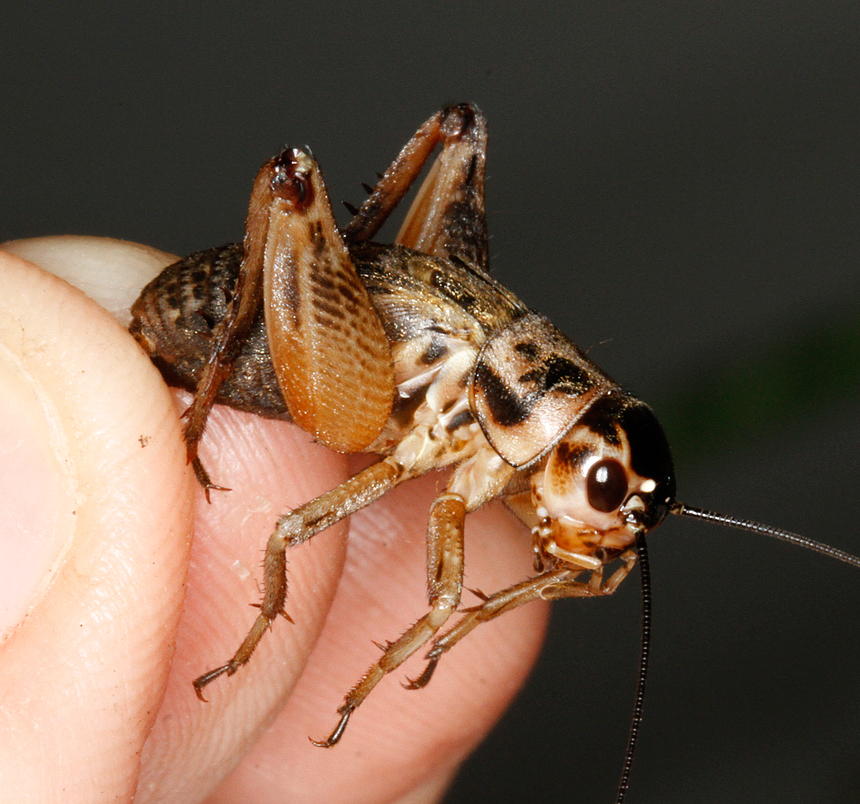
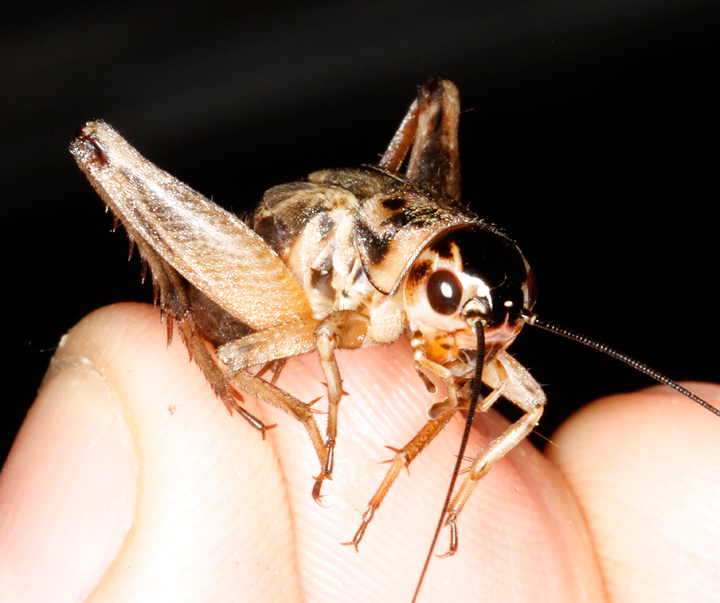
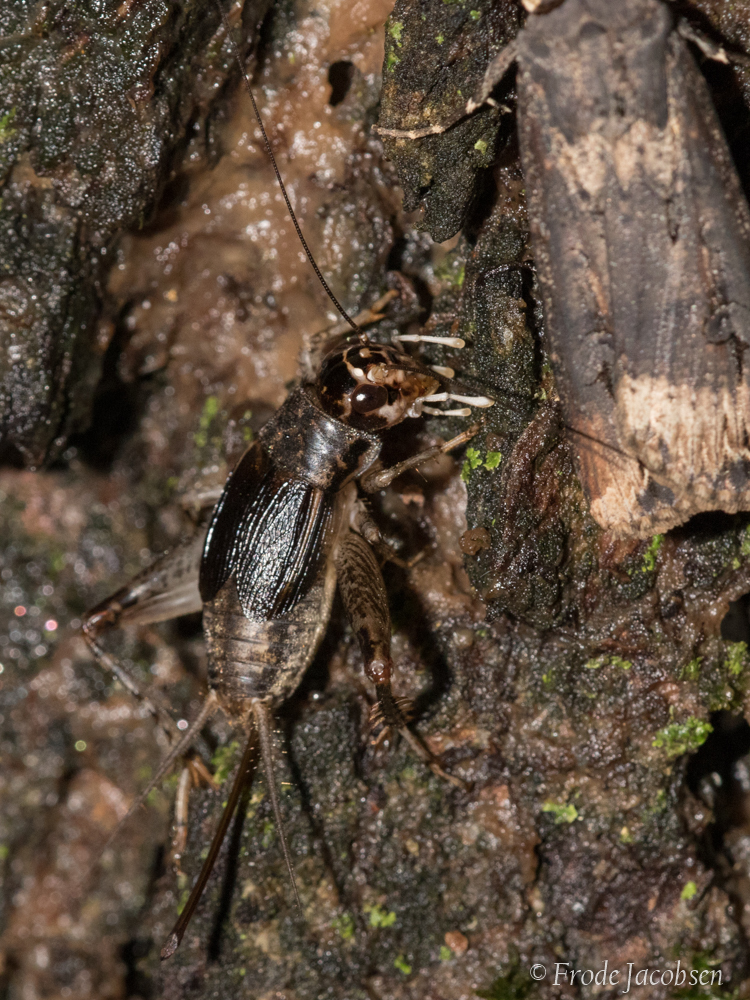
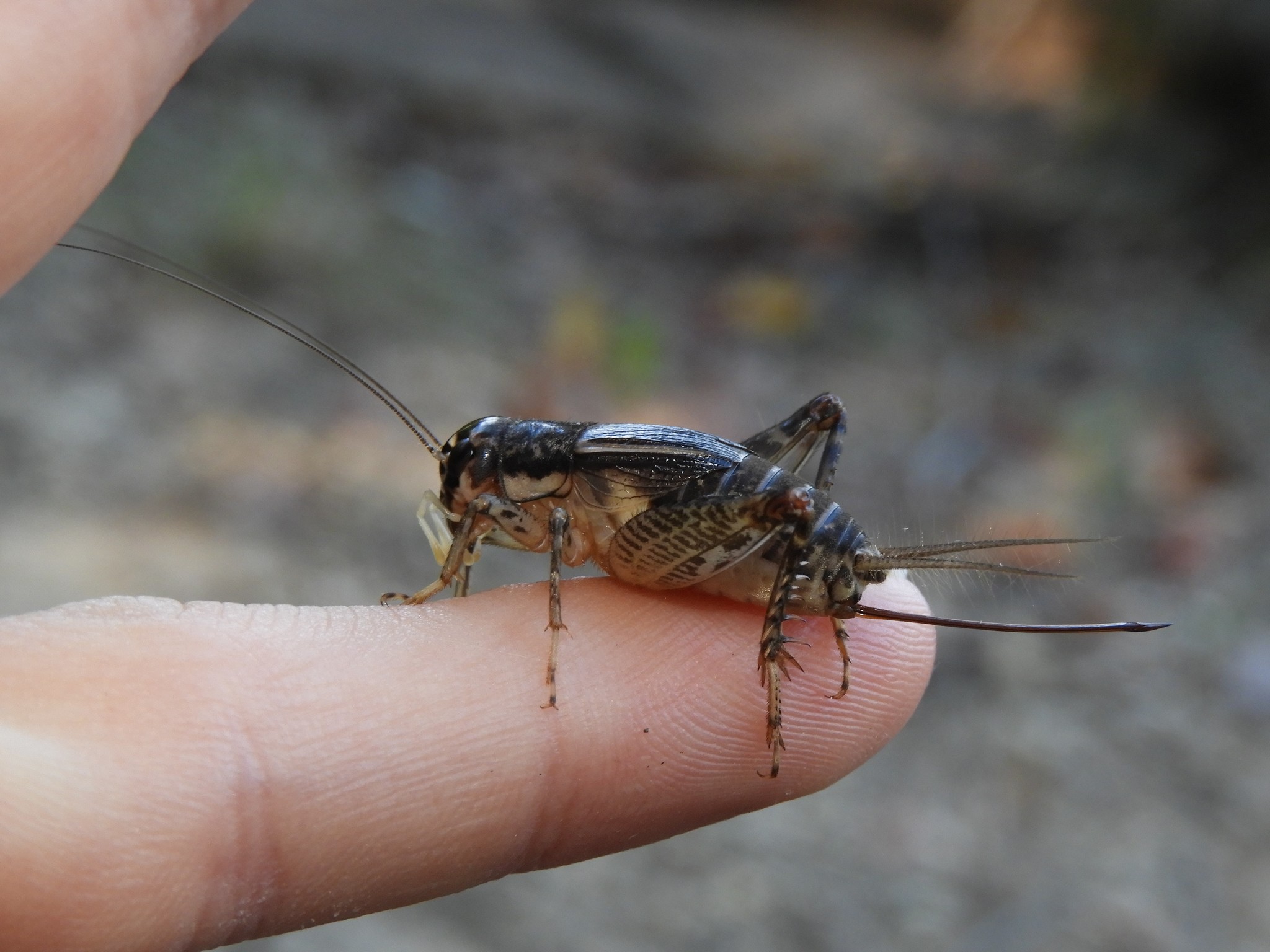
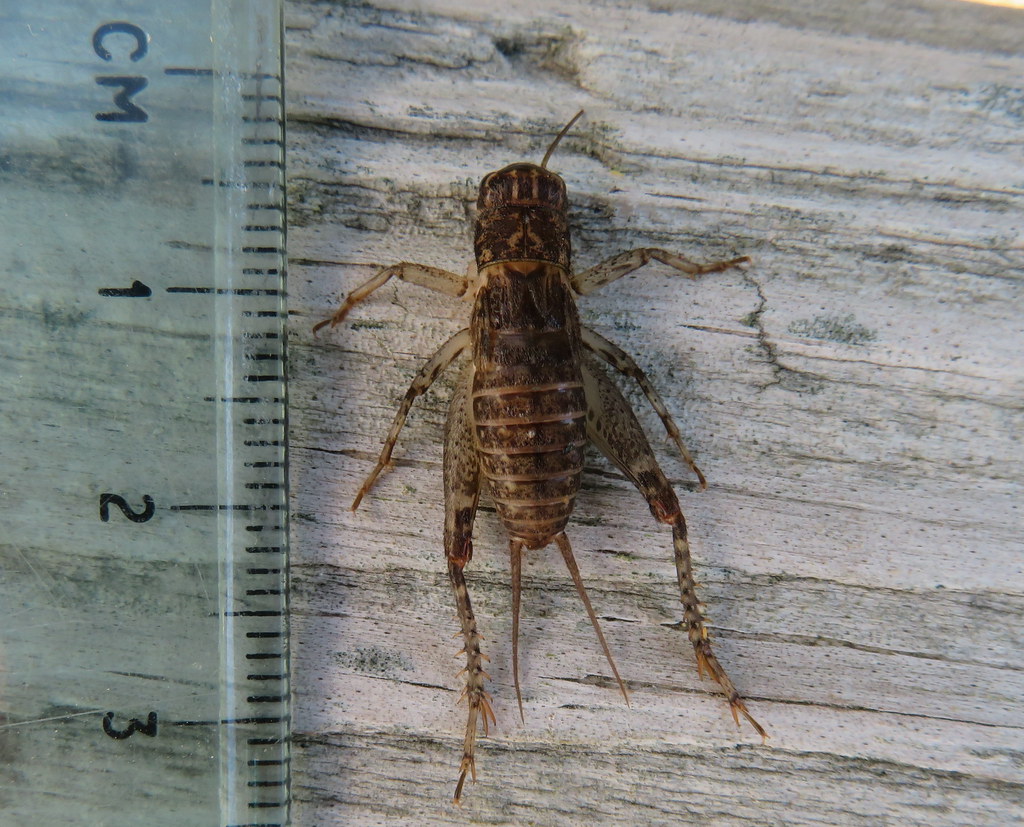
A Japanese Burrowing Cricket collected in Beltsville, Maryland (7/9/2012).
Media by
USGS PWRC.
A Japanese Burrowing Cricket collected in Beltsville, Maryland (7/9/2012). Introduced from Asia and now found in the Eastern U.S.
Media by
USGS PWRC.
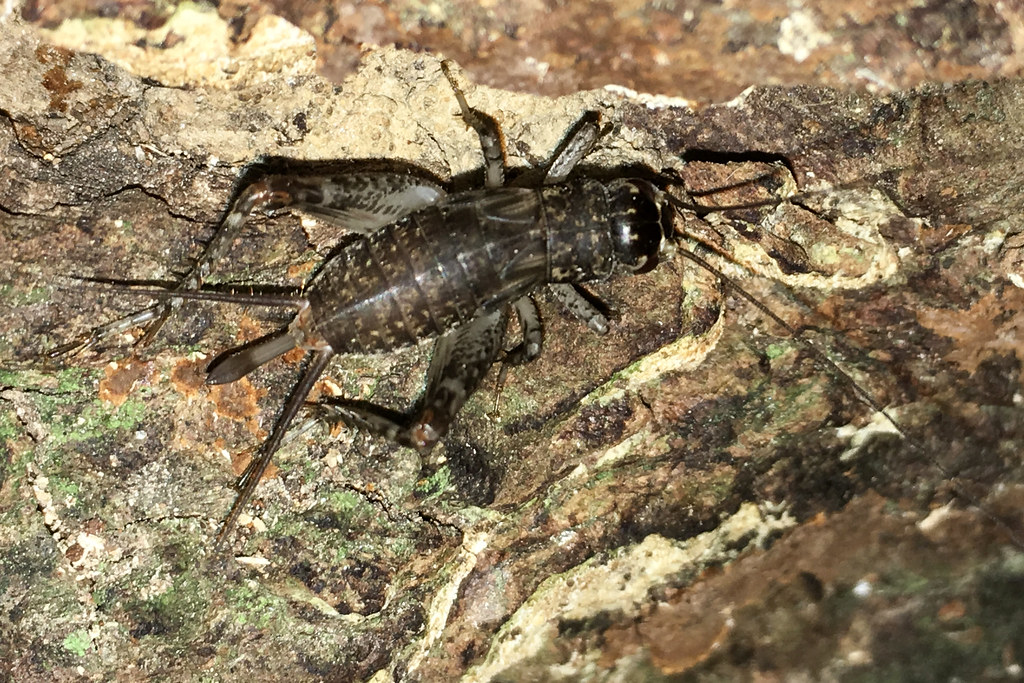
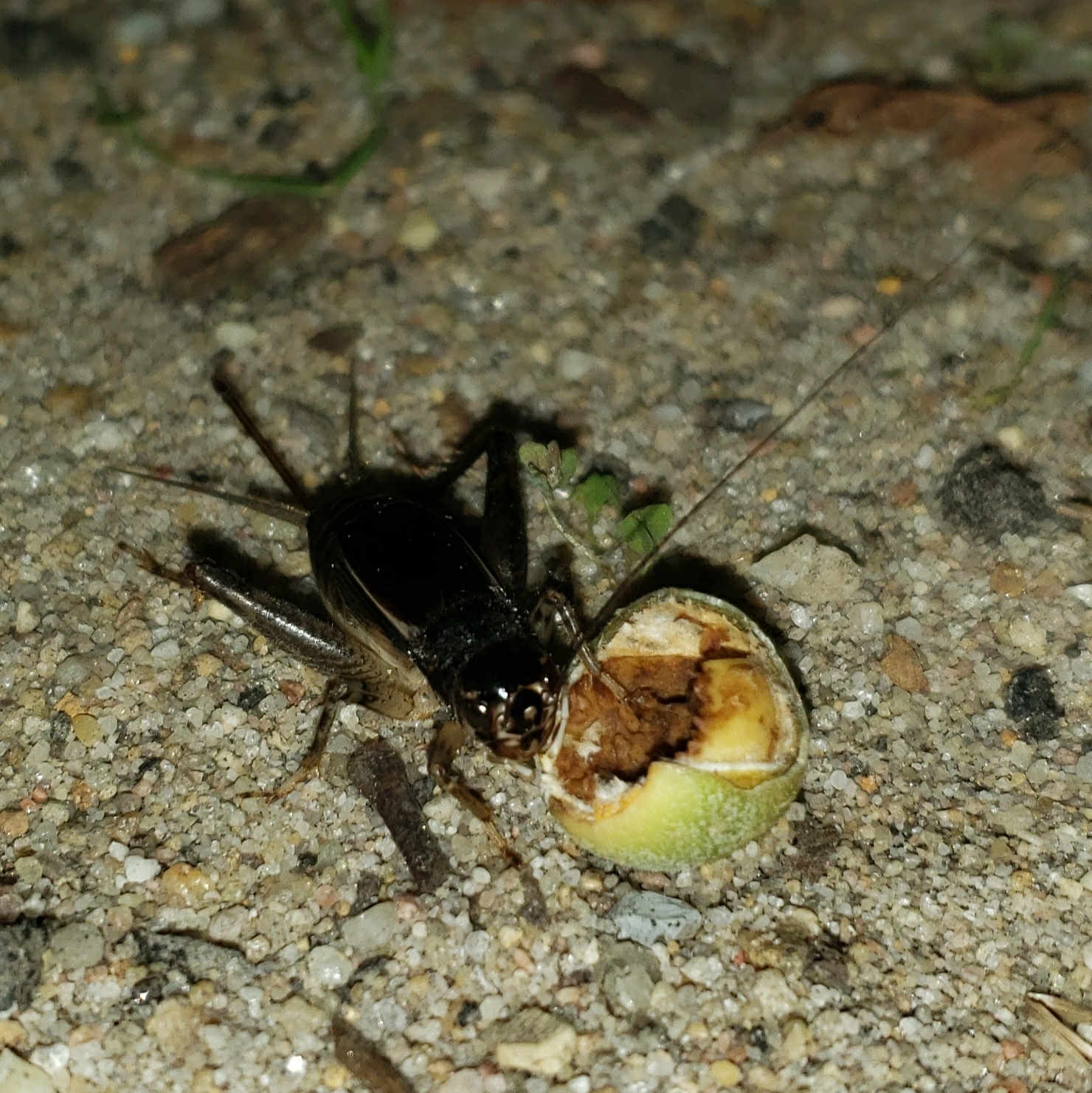
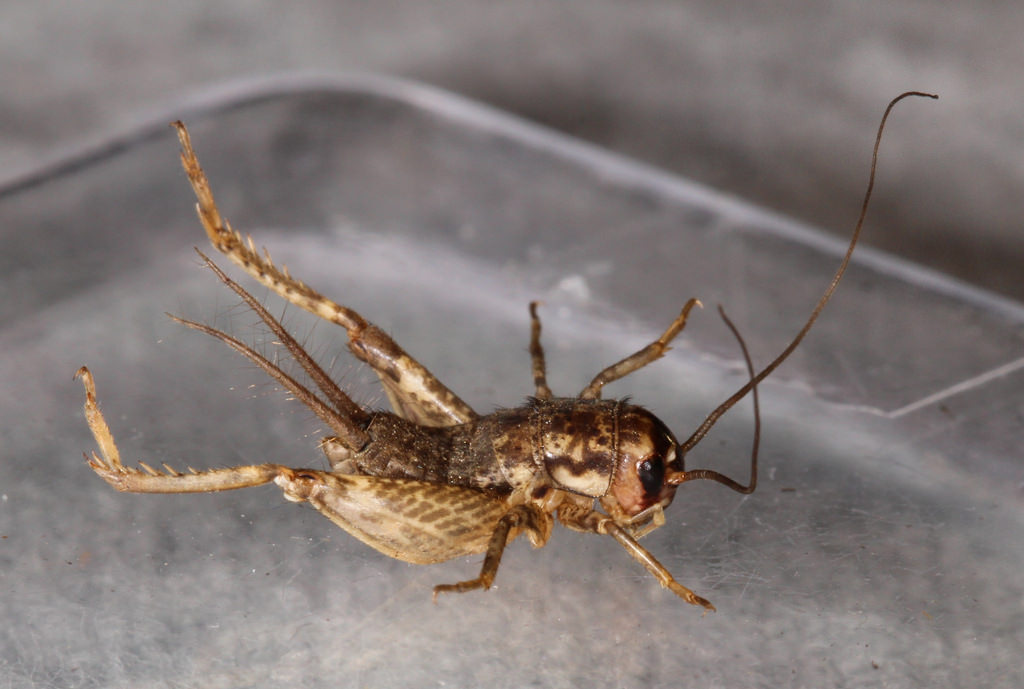
A female Japanese Burrowing Cricket in Harford Co., Maryland (8/29/2019). Verified by Brandon Woo/BugGuide.
View Record Details
Media by
Dave Webb.
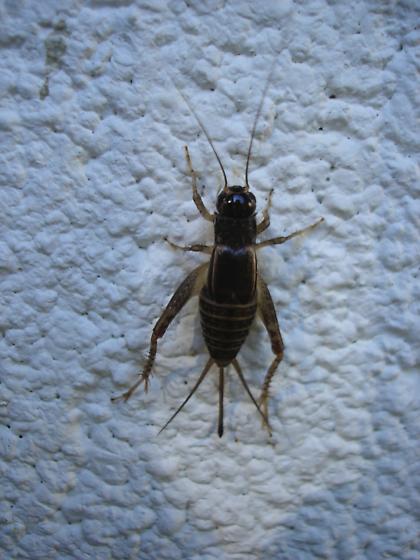
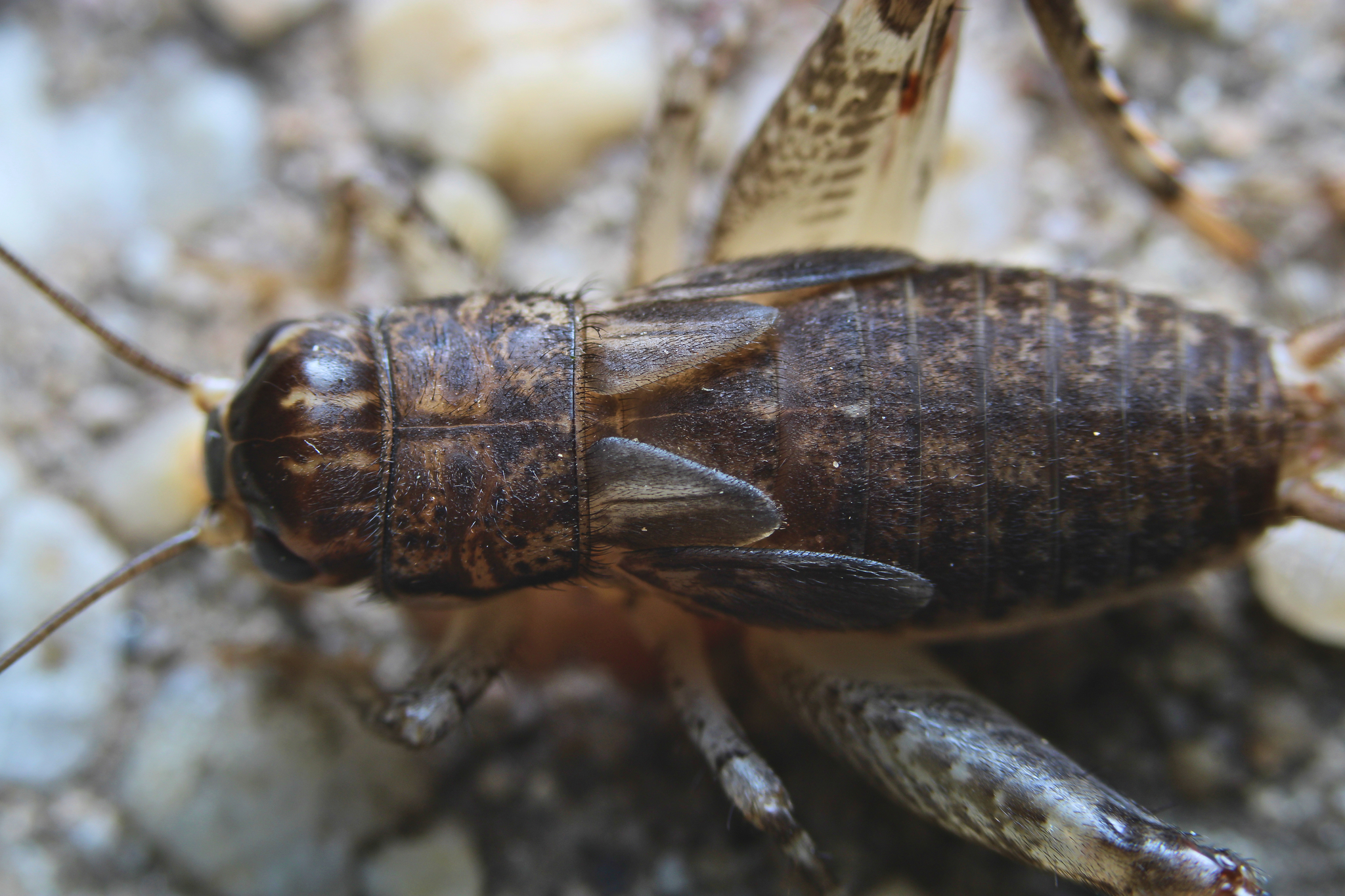
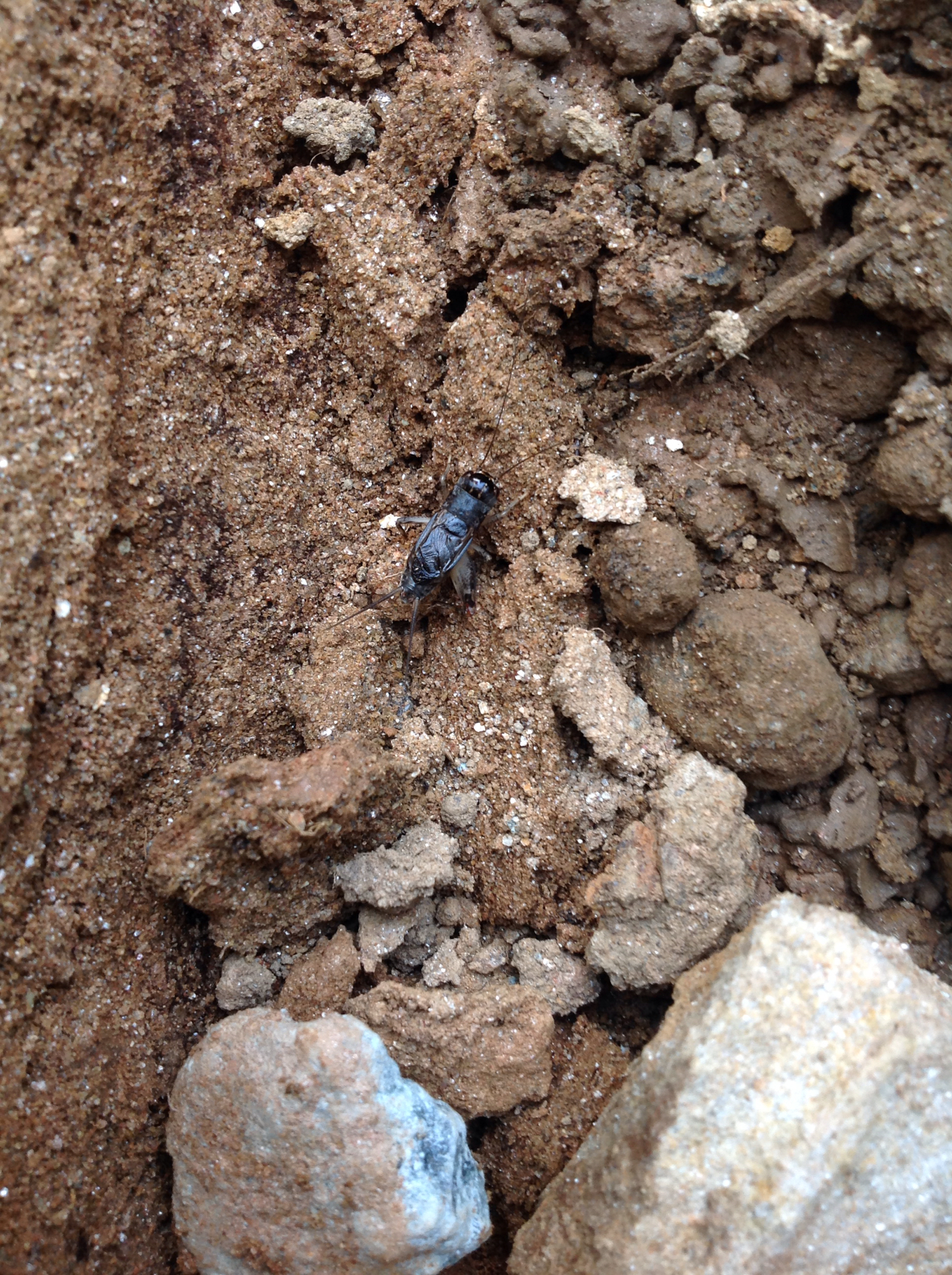
A female Japanese Burrowing Cricket in Baltimore City, Maryland (10/24/2010). Determined by David J. Ferguson/BugGuide.
View Record Details
Media by
Thomas Wilson.
A female Japanese Burrowing Cricket in Frederick Co., Maryland (9/4/2005). Determined by Brandon Woo/BugGuide.
View Record Details
Media by
Wayne Owen.
Japanese Burrowing Cricket in Anne Arundel Co., Maryland (9/1/2020). (c) Sergei Drovetski, all rights reserved.
View Record Details
Media by
Sergei Drovetski.
Japanese Burrowing Cricket in Anne Arundel Co., Maryland (9/15/2020). (c) Timothy Reichard, all rights reserved.
View Record Details
Media by
Timothy Reichard.
Japanese Burrowing Cricket in Howard Co., Maryland (9/6/2020). (c) Timothy Reichard, all rights reserved.
View Record Details
Media by
Timothy Reichard.
Japanese Burrowing Cricket in Washington Co., Maryland (8/22/2025). (c) Jim Moore (Maryland), some rights reserved (CC BY-NC).
View Record Details
Media by
Jim Moore.
Velarifictorus micado, the Japanese burrowing cricket, is a cricket in the subfamily Gryllinae (family Gryllidae).[1][2] It is found in southern Asia, along with an introduced population in the United States.[2] It was first reported in the US in 1959, likely as overwintering eggs in the soil of imported plants, and has since spread all throughout the eastern half of the country.[3][4]V. micado is considered to be quite passive and non-destructive. Studies have shown that its range has spread northward and may be much more invasive than previously thought.[5]


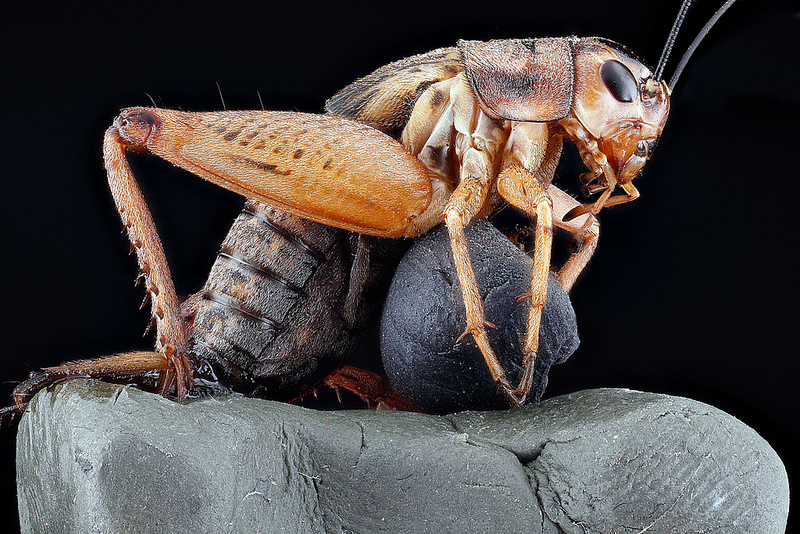




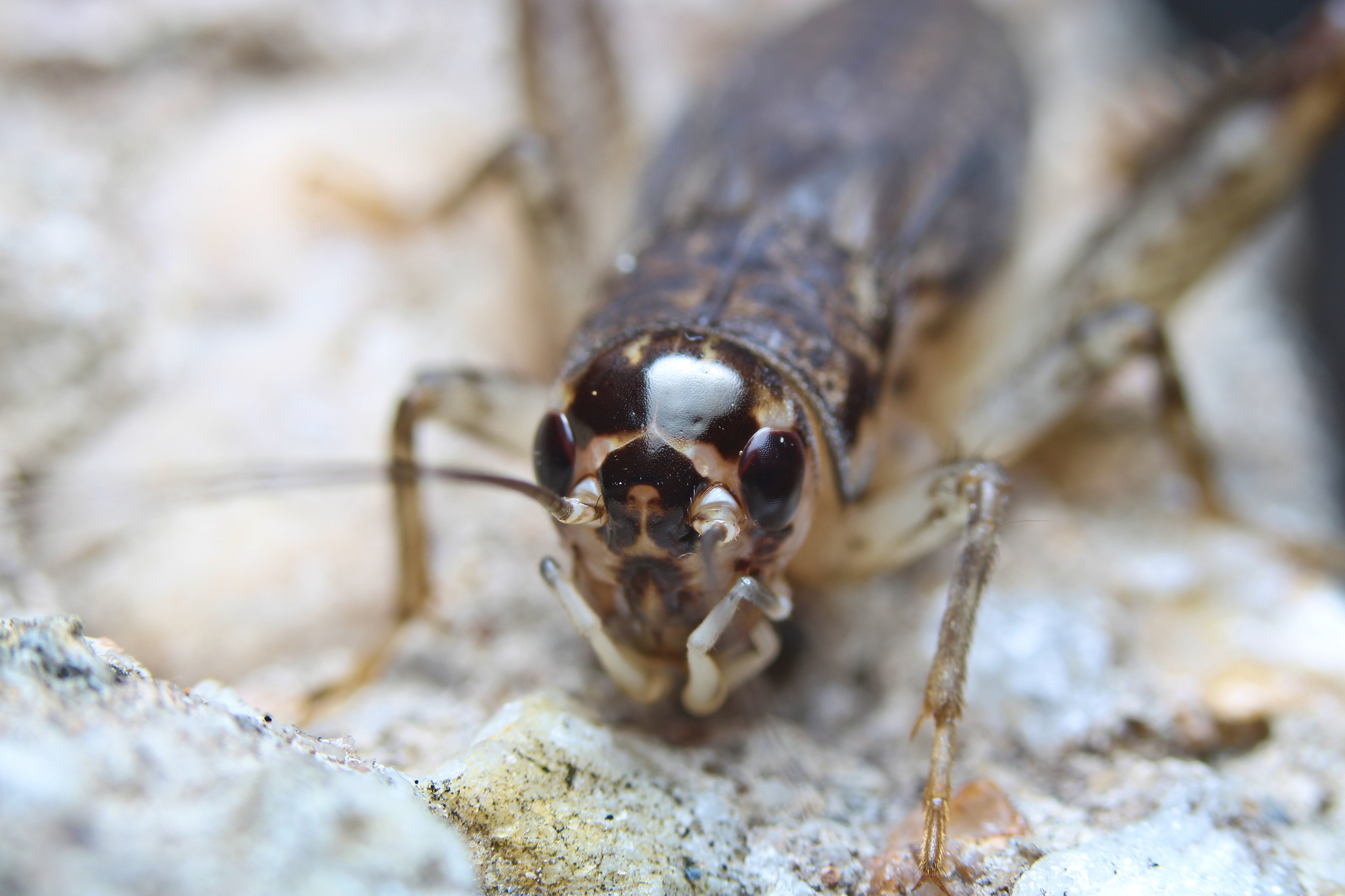



 V. micado front
 paralyzed by a wasp – dorsal Wildlife Prairie Park
 paralyzed by a wasp – ventral Wildlife Prairie Park


 Media related to Velarifictorus micado at Wikimedia Commons
