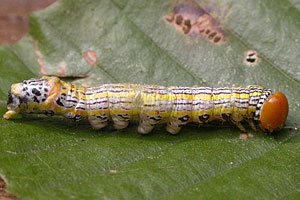
An Orange-humped Mapleworm Moth caterpillar in Calvert Co., Maryland (9/25/2005).
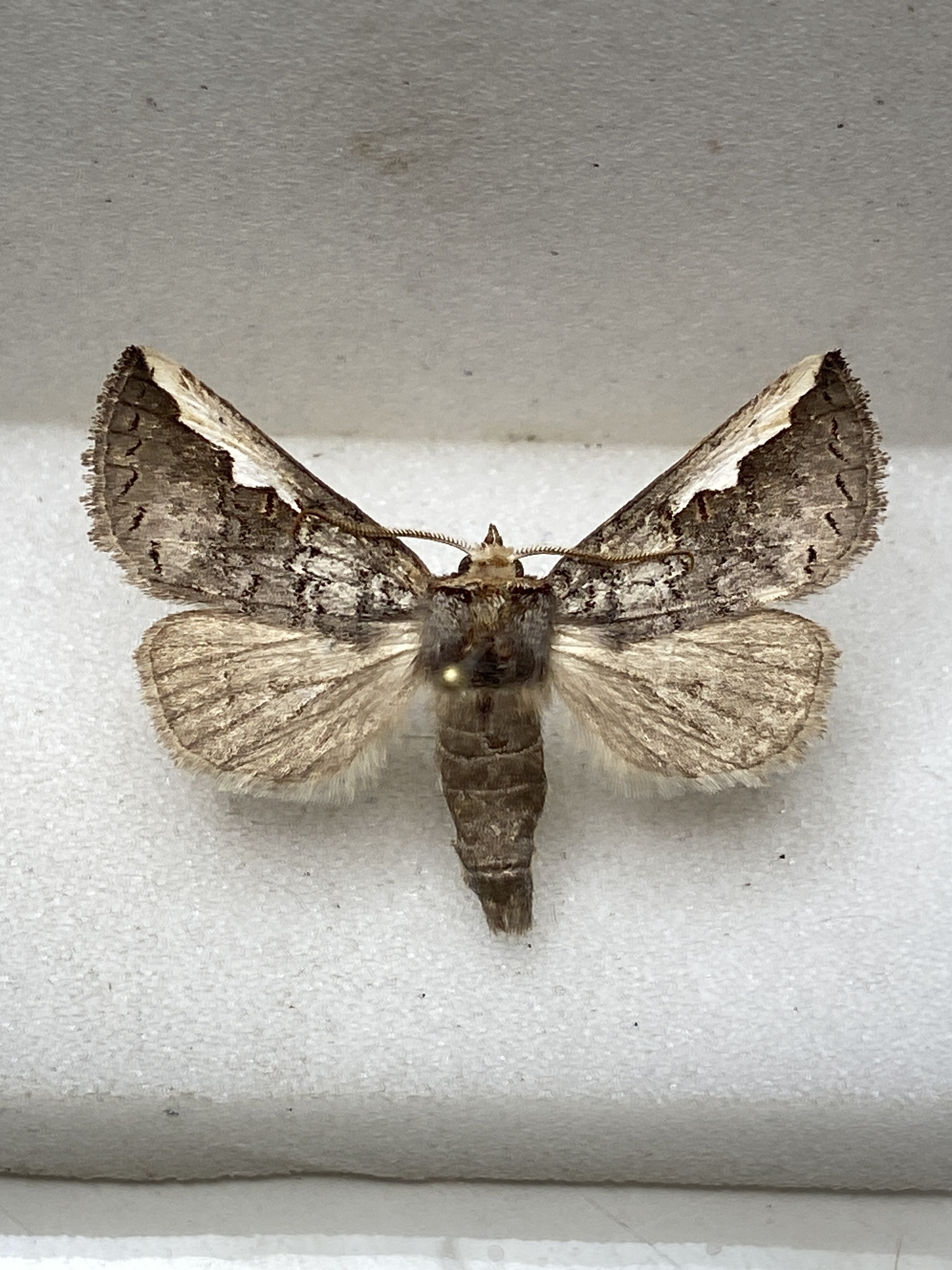
Orange-humped Mapleworm Moth in Garrett Co., Maryland (6/10/2023). (c) Hugh McGuinness, all rights reserved.
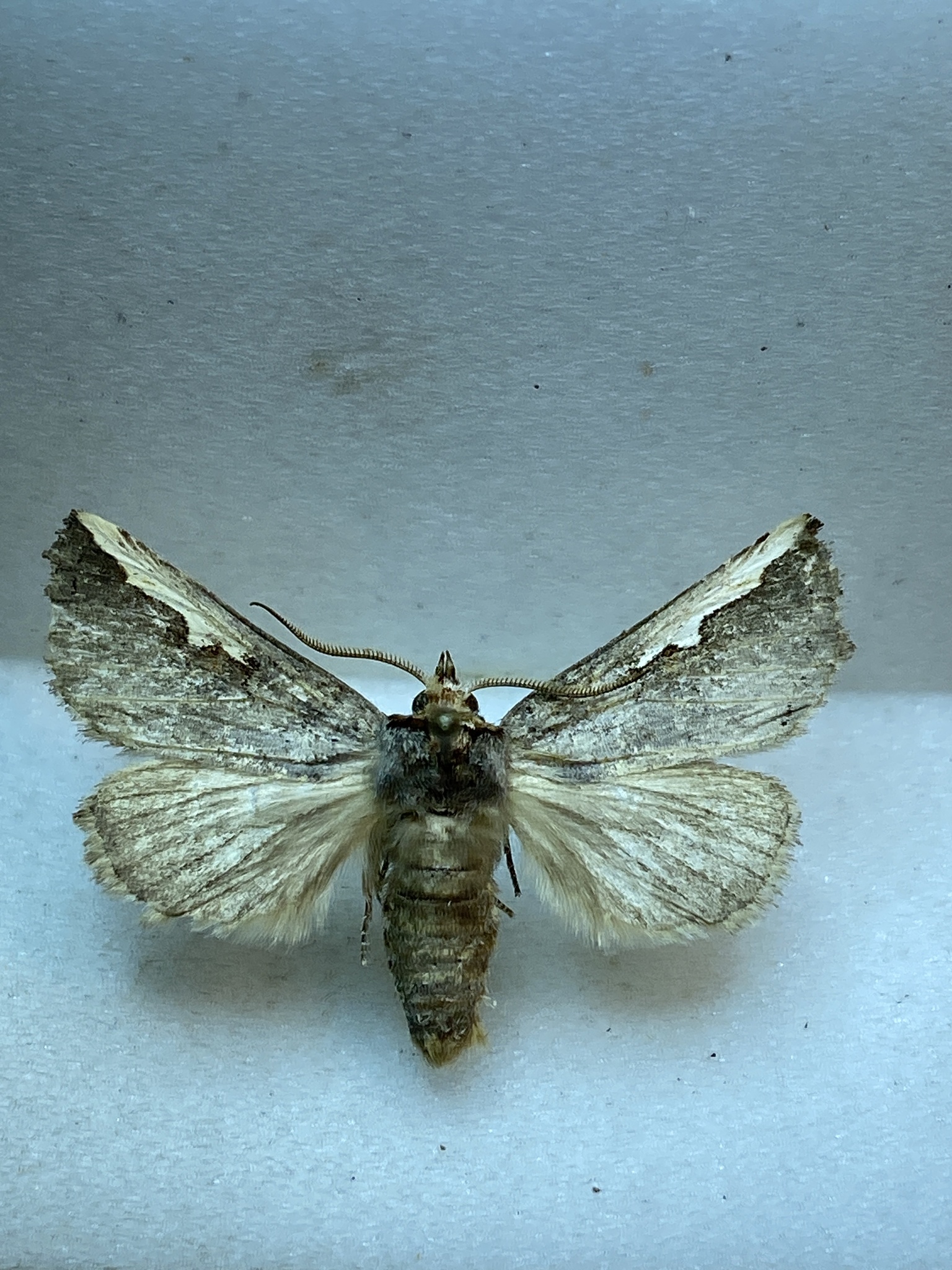
Orange-humped Mapleworm Moth in Garrett Co., Maryland (6/10/2023). (c) Hugh McGuinness, all rights reserved.
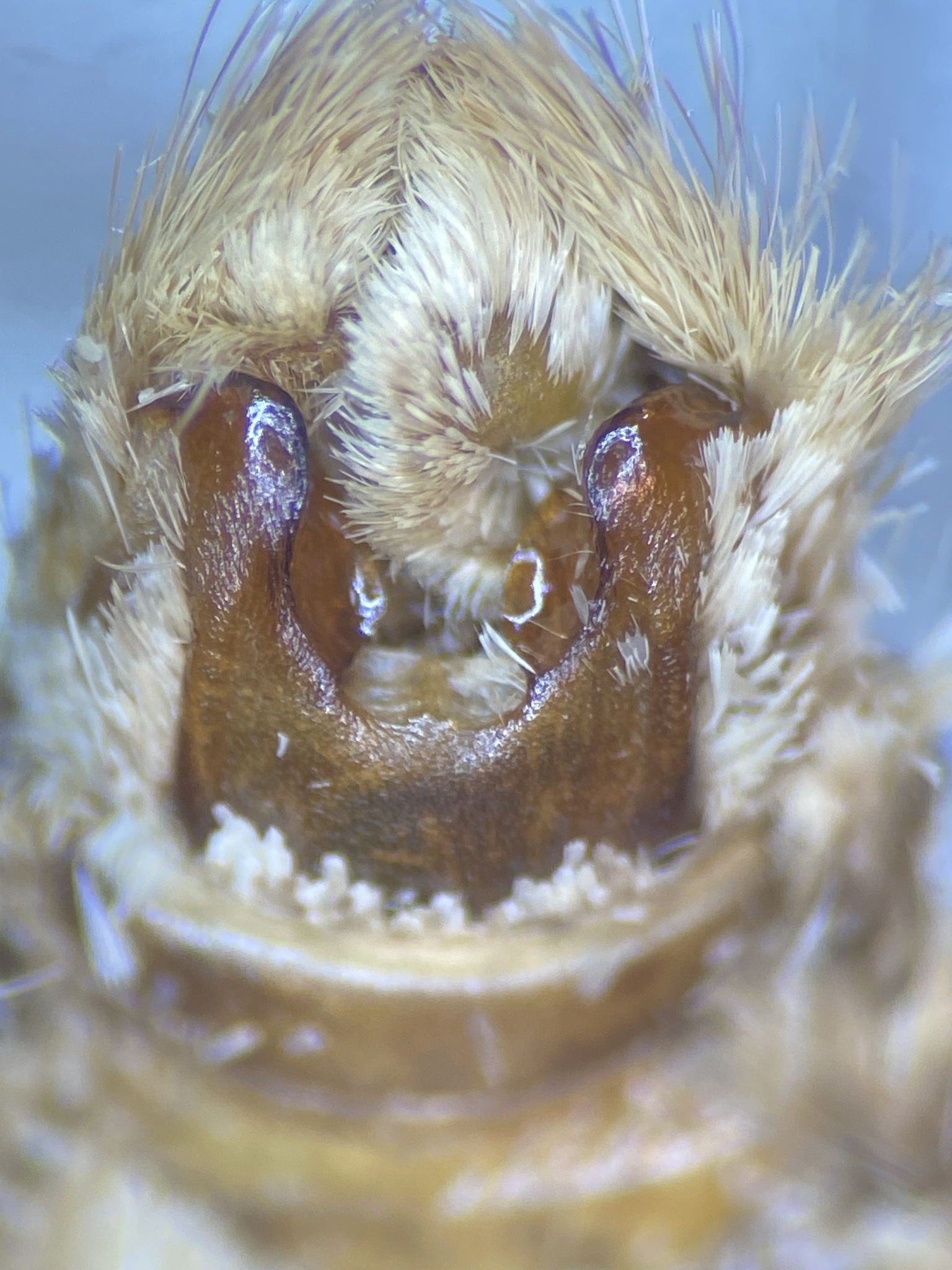
Orange-humped Mapleworm Moth in Garrett Co., Maryland (6/10/2023). (c) Hugh McGuinness, all rights reserved.
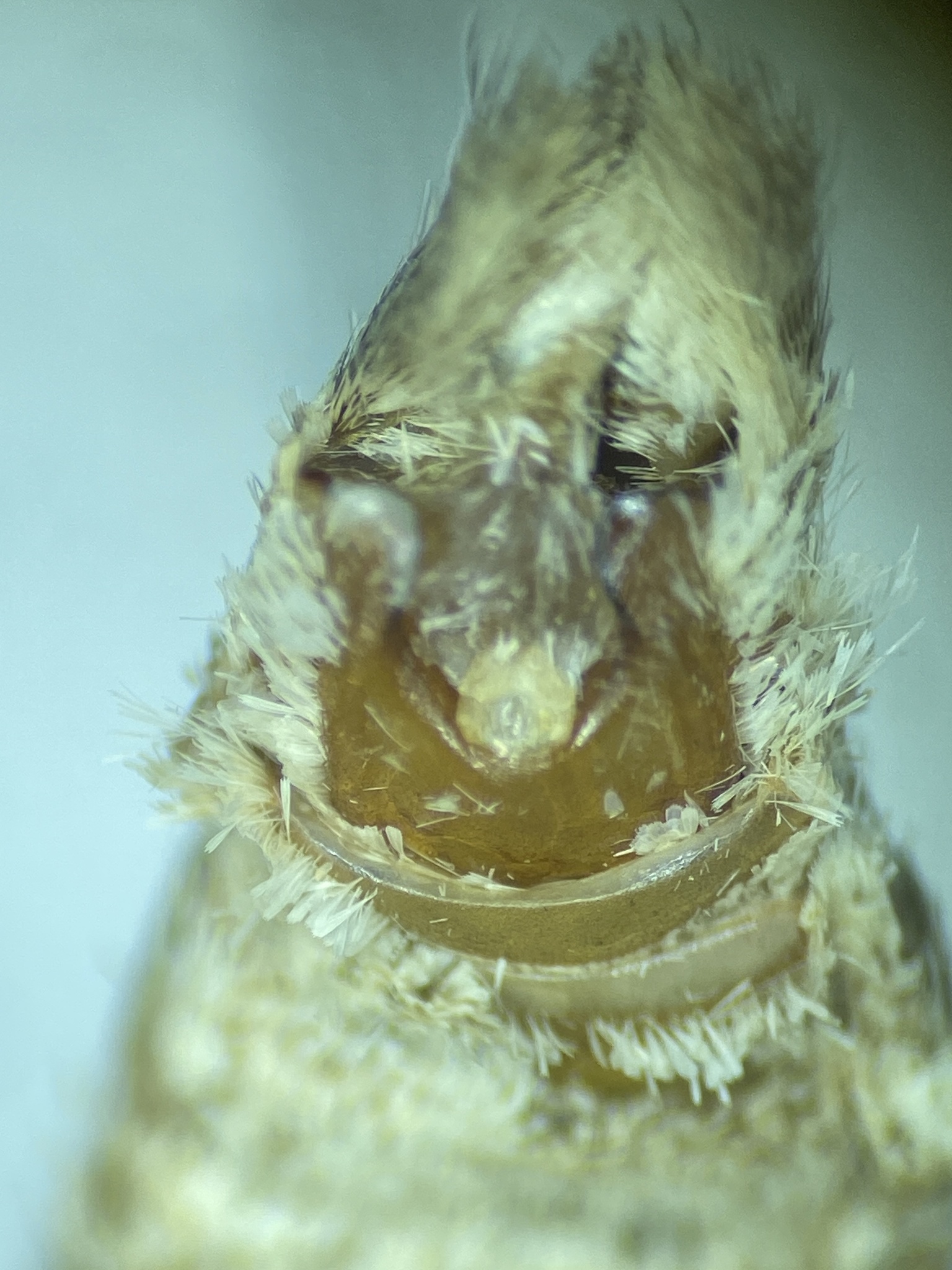
Orange-humped Mapleworm Moth in Garrett Co., Maryland (6/10/2023). (c) Hugh McGuinness, all rights reserved.
Map Snapshot


5 Records
Description
Tony Thomas (BugGuide, 2015): "Adults of species in the genus Symmerista are believed to be indistinguishable, except by examination of the genitalia. Fortunately, males can be recognized, without dissection, by examining the 8th sternite. This is the hard cuticle on the ventral surface of the last segment of the abdomen. The technique is briefly explained in Wagner’s Caterpillar book (p 21), combine this with brushing the scales of the last sternite (8th). S. leucitys has a deep, narrow emargination, whereas in the other 2 eastern species the emargination is shallower and wider."
Citations
No citations linked for this taxon yet.
Use of media featured on Maryland
Biodiversity Project is only permitted with express permission of the
photographer.
An Orange-humped Mapleworm Moth caterpillar in Calvert Co., Maryland (9/25/2005).
View Record Details
Media by
Arlene Ripley.
Orange-humped Mapleworm Moth in Garrett Co., Maryland (6/10/2023). (c) Hugh McGuinness, all rights reserved.
View Record Details
Media by
Hugh McGuinness.
Orange-humped Mapleworm Moth in Garrett Co., Maryland (6/10/2023). (c) Hugh McGuinness, all rights reserved.
View Record Details
Media by
Hugh McGuinness.
Orange-humped Mapleworm Moth in Garrett Co., Maryland (6/10/2023). (c) Hugh McGuinness, all rights reserved.
View Record Details
Media by
Hugh McGuinness.
Orange-humped Mapleworm Moth in Garrett Co., Maryland (6/10/2023). (c) Hugh McGuinness, all rights reserved.
View Record Details
Media by
Hugh McGuinness.
Source: Wikipedia
| Symmerista leucitys | |
|---|---|

| |

| |
| Adult (top) and larva (bottom) | |
Scientific classification 
| |
| Kingdom: | Animalia |
| Phylum: | Arthropoda |
| Class: | Insecta |
| Order: | Lepidoptera |
| Superfamily: | Noctuoidea |
| Family: | Notodontidae |
| Genus: | Symmerista |
| Species: | S. leucitys
|
| Binomial name | |
| Symmerista leucitys Franclemont, 1946[1]
| |
Symmerista leucitys, commonly known as the orange-humped mapleworm moth, is a species of moth in the family Notodontidae. It is found in North America,[2] from southern Canada and the northern half of the United States east of the Great Plains.[3]
The wingspan is about 35 mm. There is one generation per year.
The larvae feed on Acer species.
References
[edit]
 | This article on a moth of the family Notodontidae is a stub. You can help Wikipedia by adding missing information. |