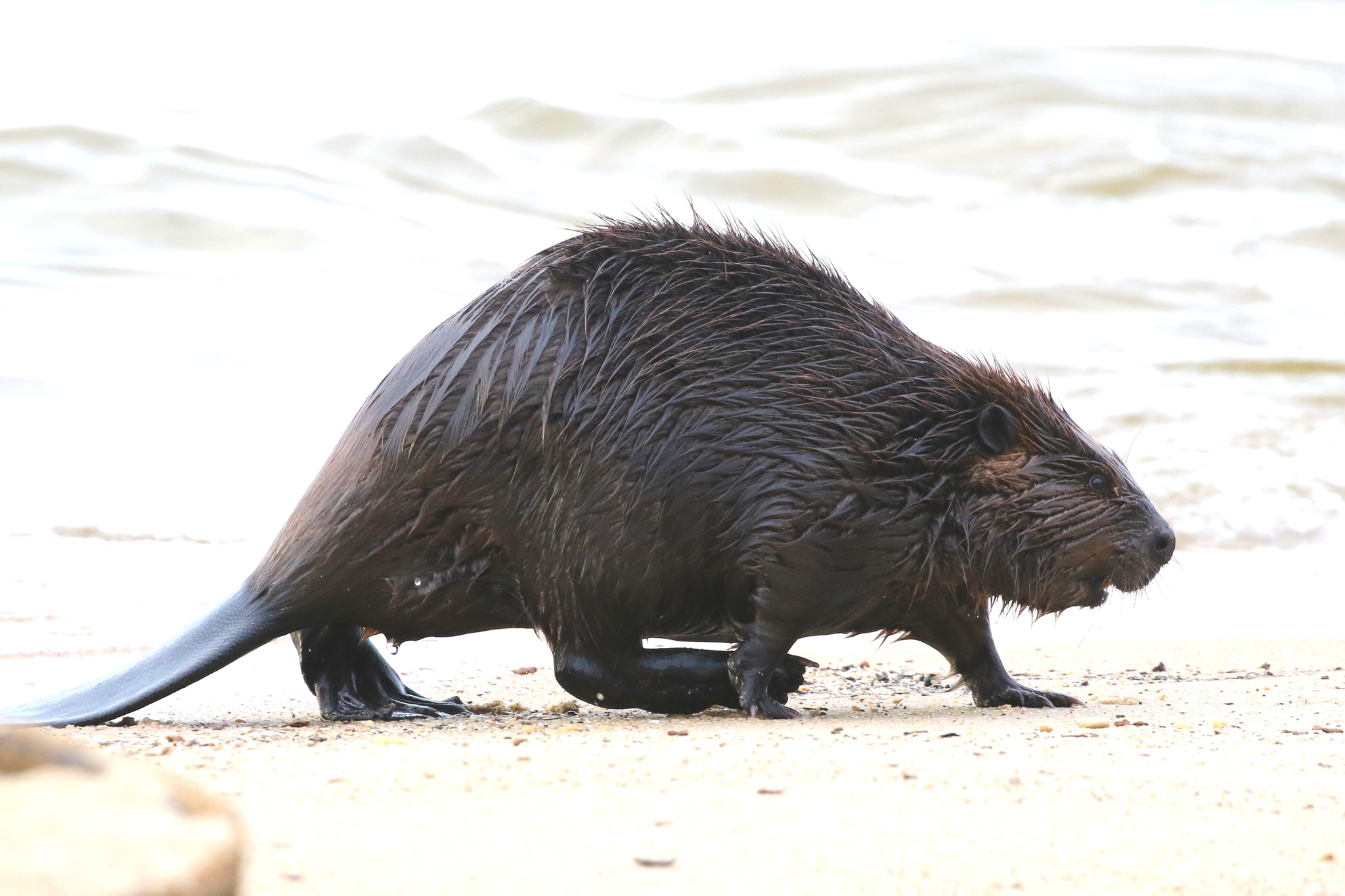
American Beaver in Calvert Co., Maryland (3/27/2022). (c) rosalie-rick, all rights reserved.
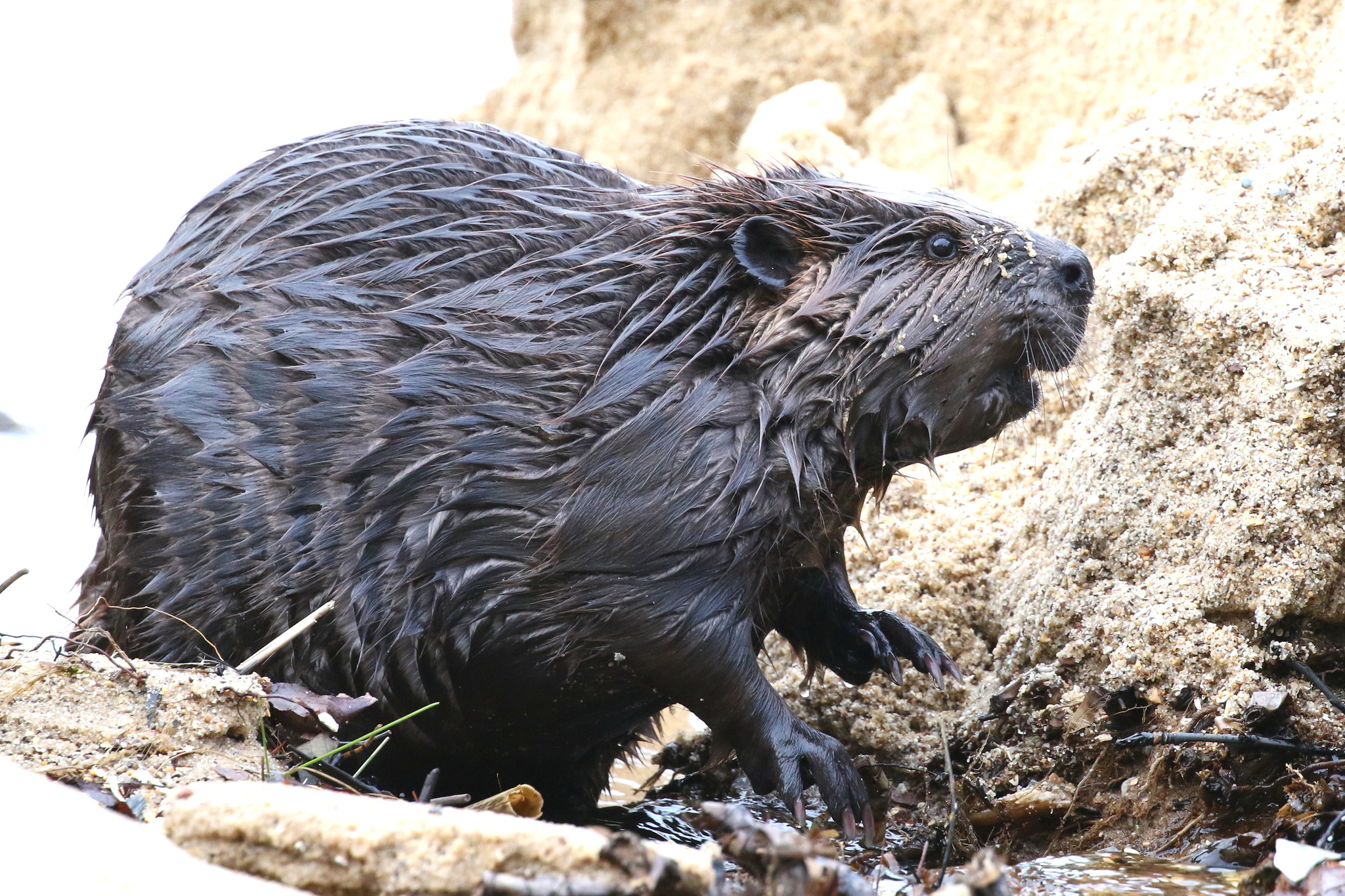
American Beaver in Calvert Co., Maryland (3/27/2022). (c) rosalie-rick, all rights reserved.
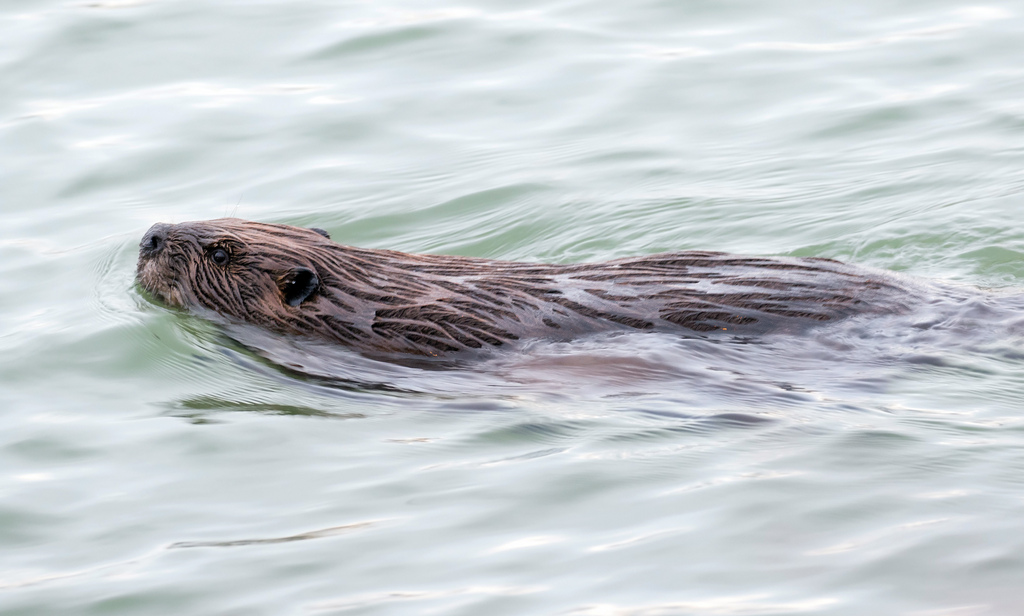
An American Beaver in Harford Co., Maryland (3/3/2019).
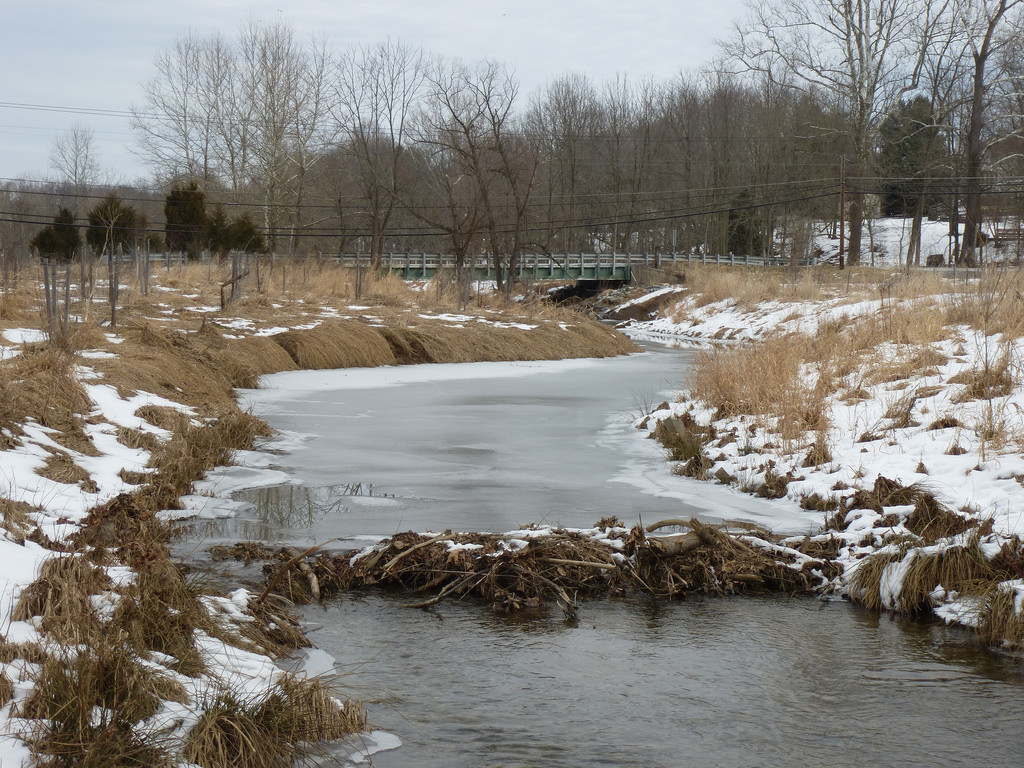
An American Beaver dam in Montgomery Co., Maryland (1/31/2014).
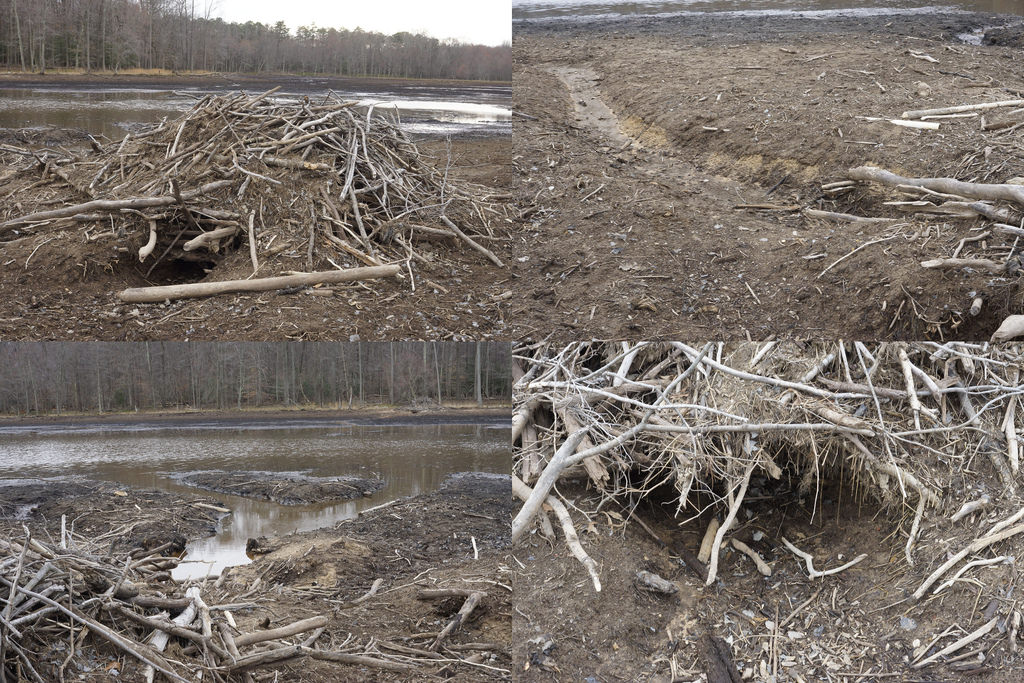
American Beaver lodge in Prince George's Co., Maryland (2/28/2017).
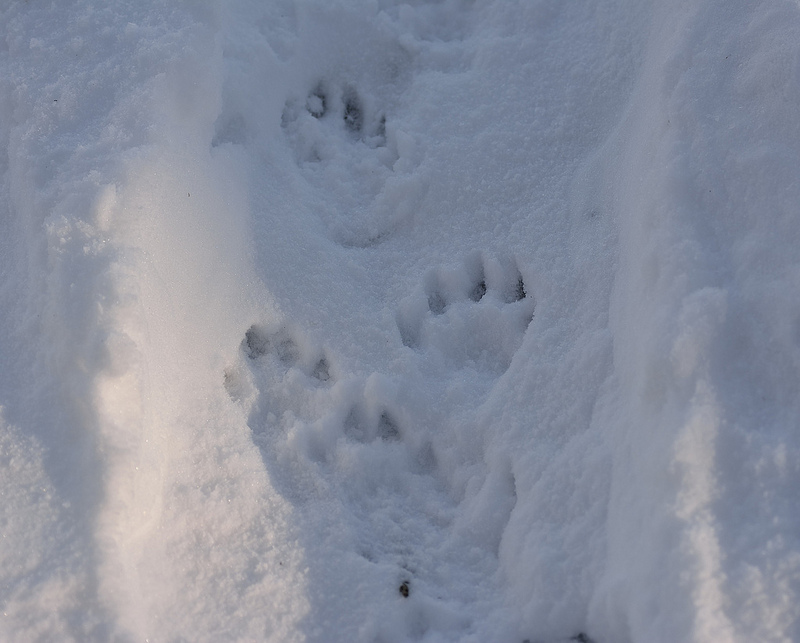
Beaver tracks at Meadowbrook Park, Howard Co., Maryland (1/4/2014). Notes from Richard Orr: "The tracks of Beaver are distinctive since their large broad nails show well in snow. Usually however the tracks are destroyed by the dragging tail. If the tail is not dragging it is because the beaver is dragging wood -- the tail is lifted up for added balance. In this case the beaver tracks were in a snow trough and were protected from the tail or wood being dragged behind."
Photo by
Richard Orr
MBP List

An American Beaver in Prince George's Co., Maryland (11/28/2014).
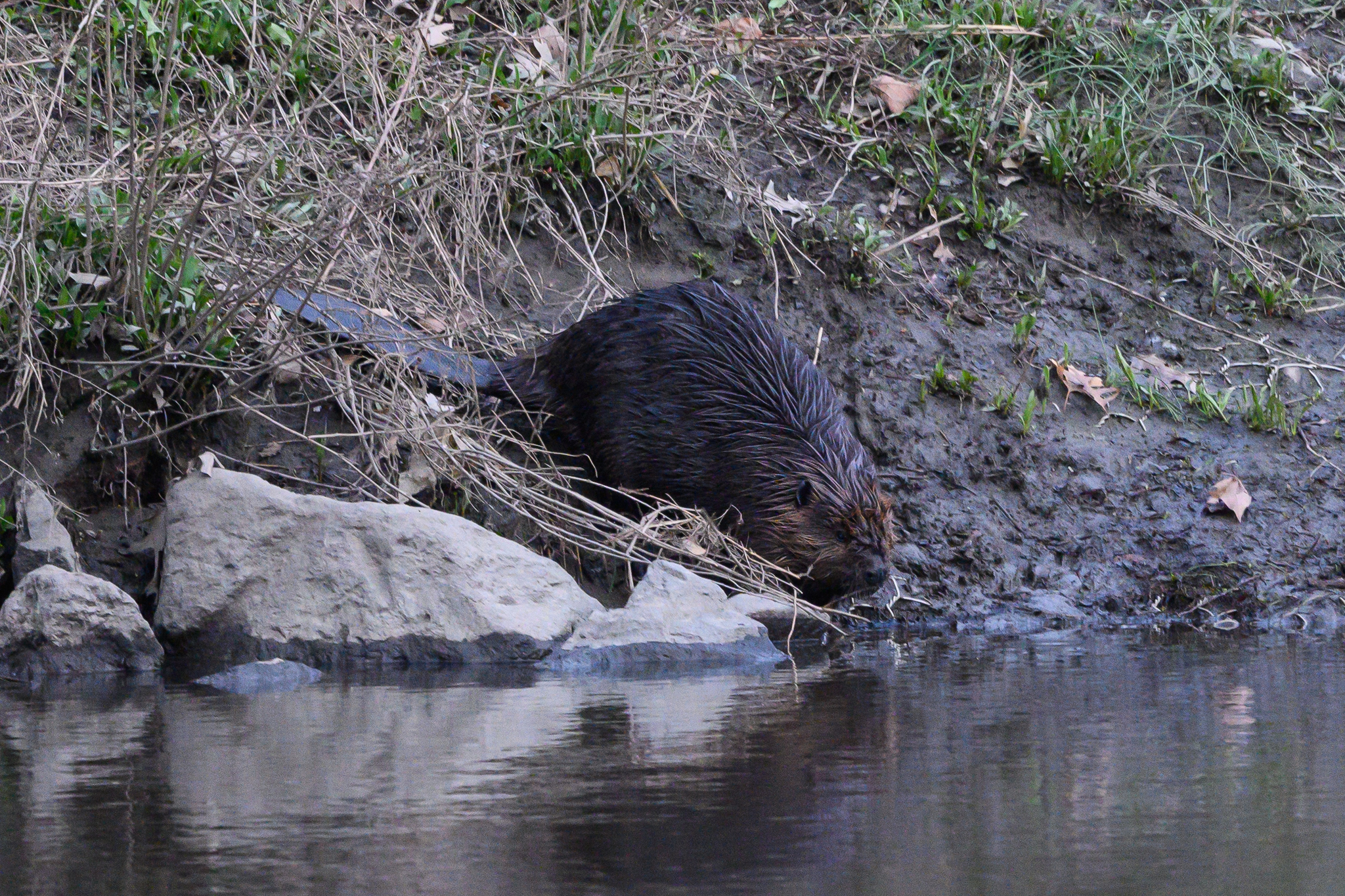
American Beaver in Montgomery Co., Maryland (3/26/2022). (c) Stephen John Davies, some rights reserved (CC BY-NC).
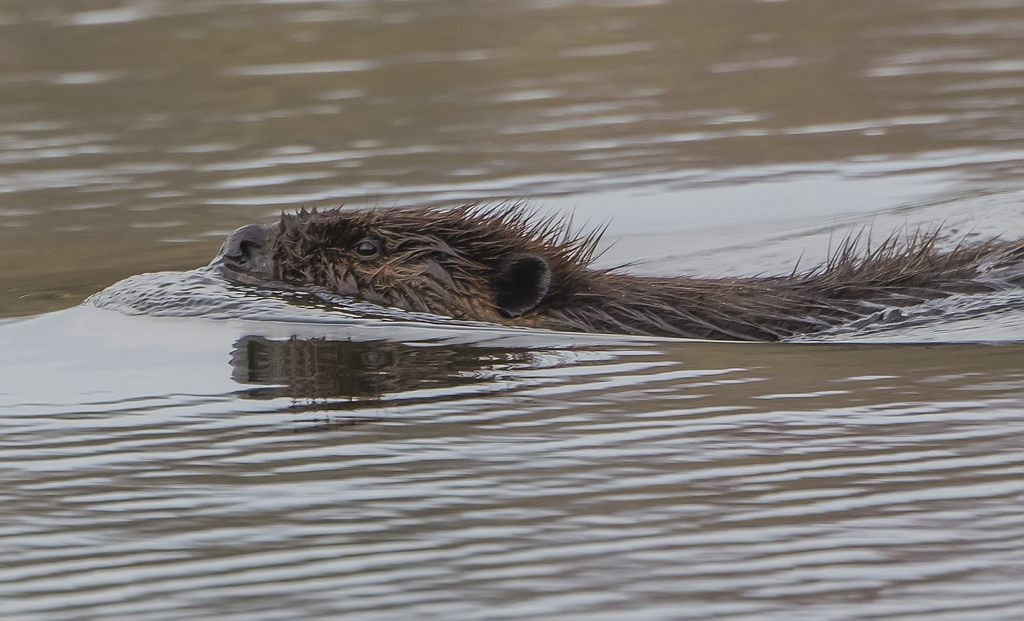
An American Beaver in Howard Co., Maryland (4/15/2015).
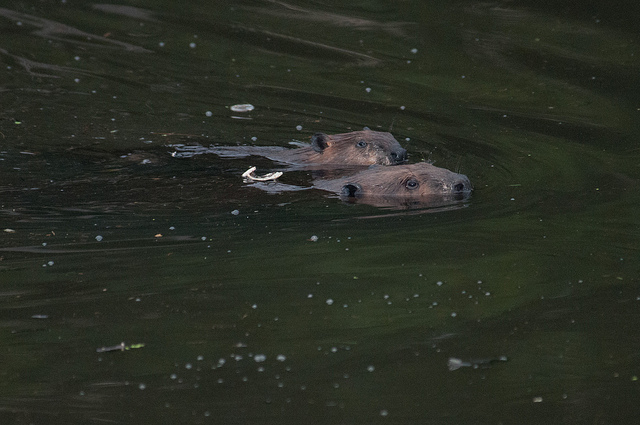
American Beavers in Silver Spring, Maryland (8/20/2012).
Photo by
Stephen Davies
MBP List

An American Beaver in Charles Co., Maryland (4/8/2017).
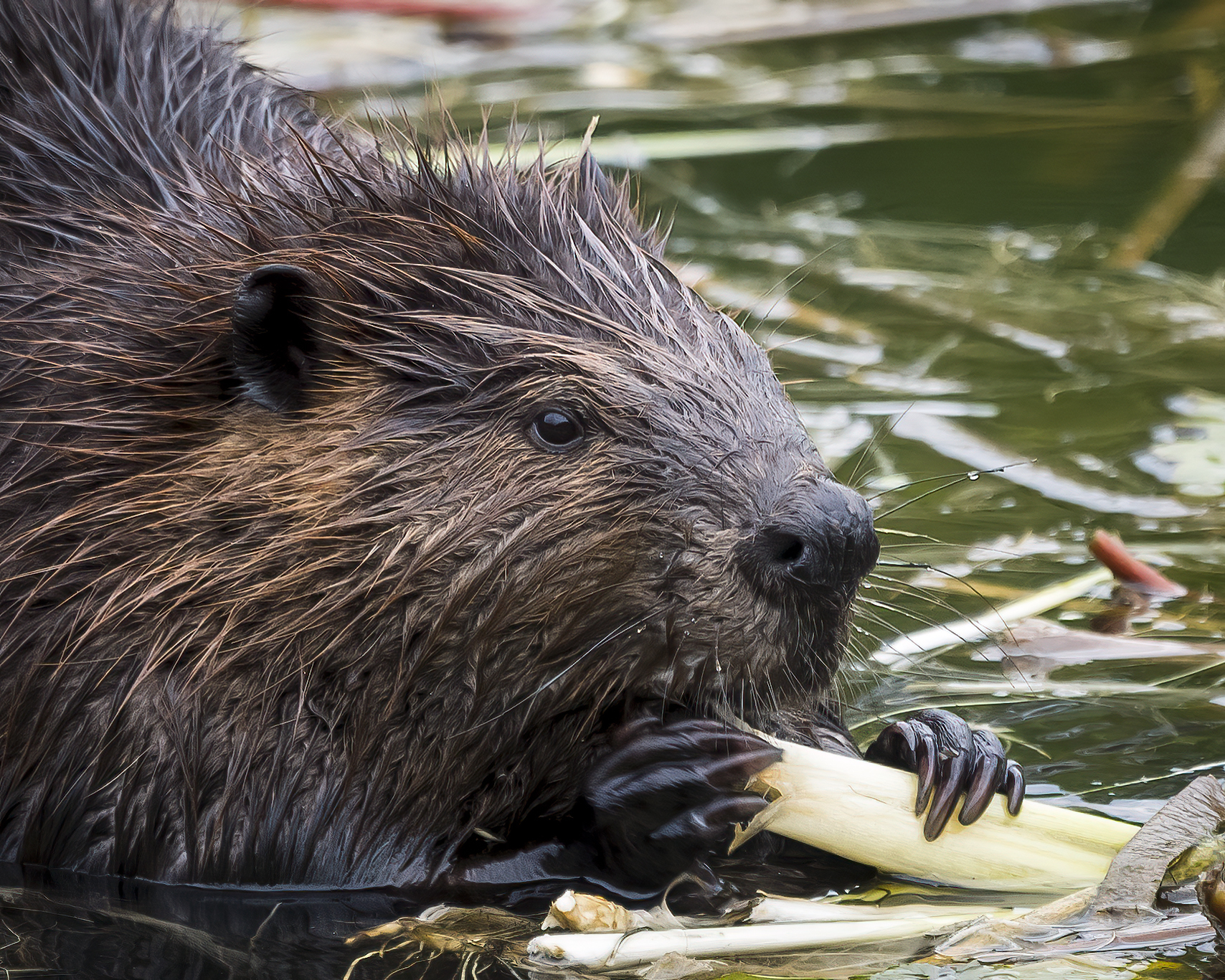
American Beaver in Howard Co., Maryland (5/6/2020). (c) Tim Frye, some rights reserved (CC BY-NC).

An American Beaver in Silver Spring, Maryland (8/20/2012). Overall size, head shape, and especially tail shape can be used to separate from Muskrat and River Otter.
Photo by
Stephen Davies
MBP List
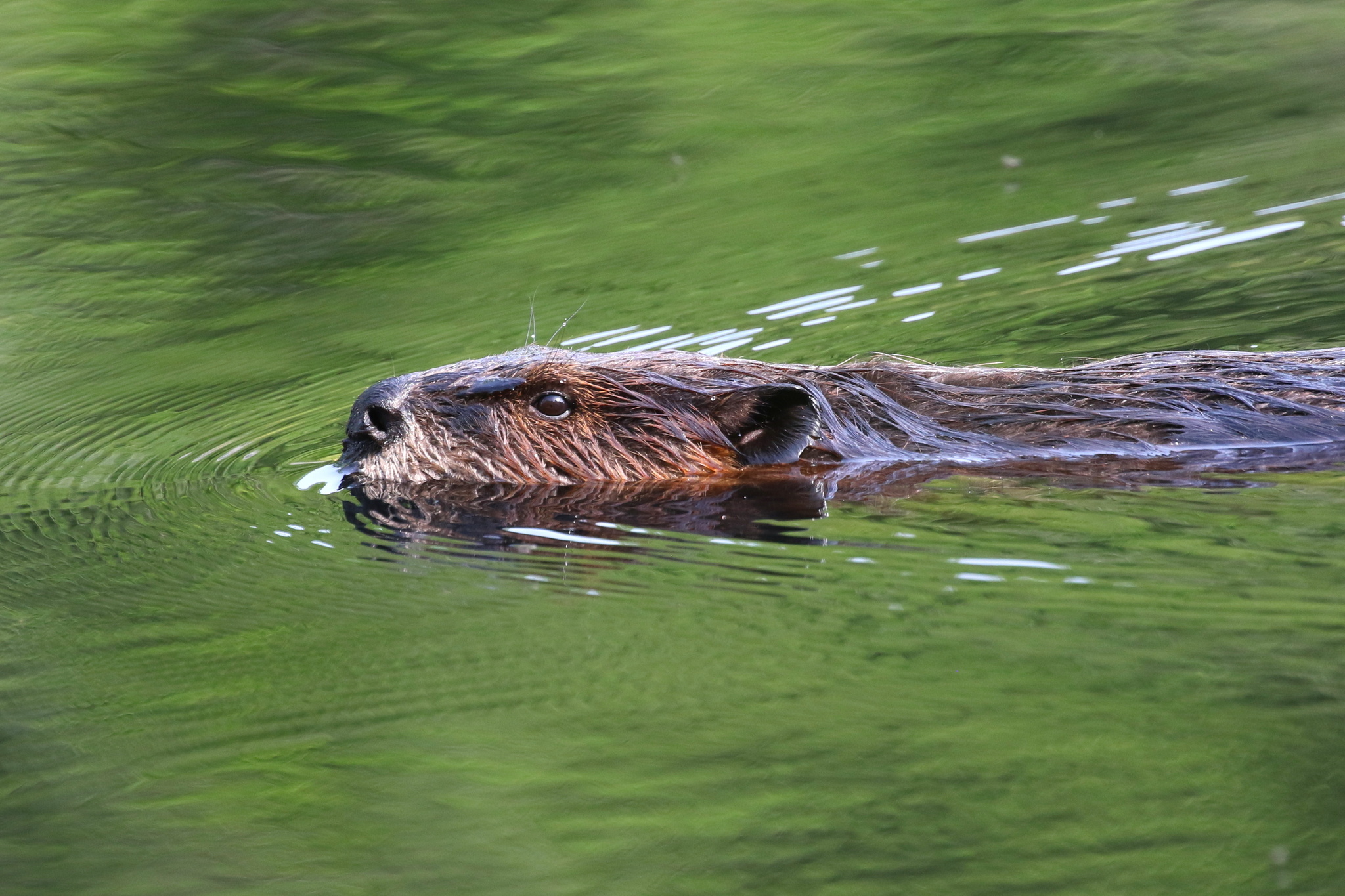
American Beaver in Calvert Co., Maryland (5/11/2023). (c) rosalie-rick, all rights reserved.
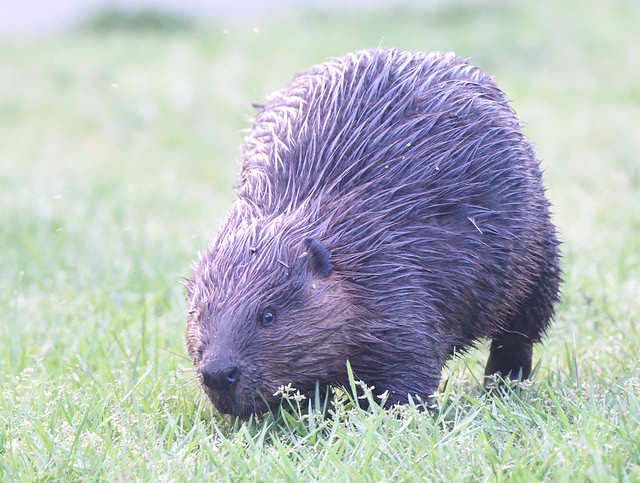
An American Beaver in Montgomery Co., Maryland (5/3/2016).
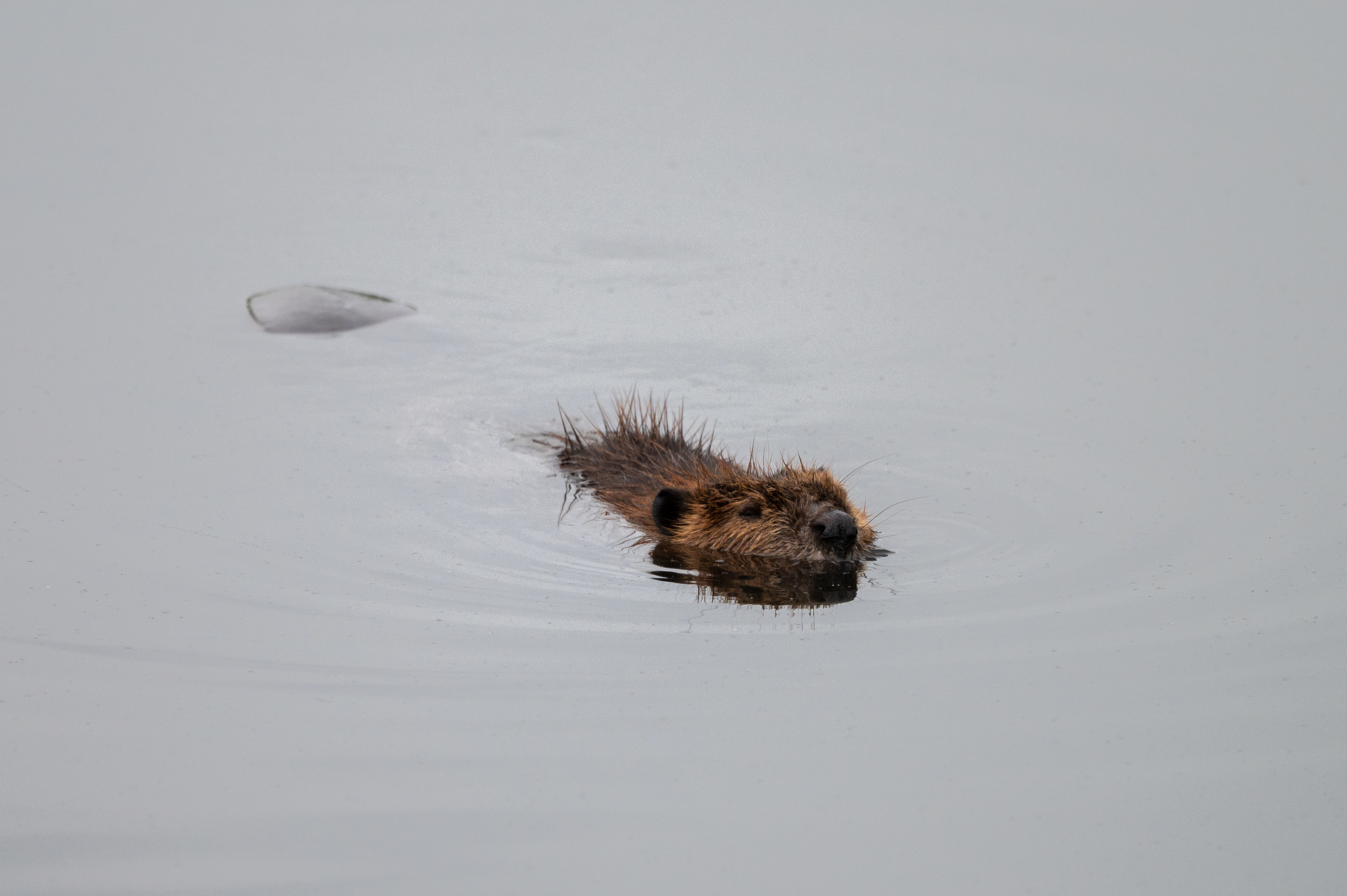
American Beaver in Montgomery Co., Maryland (5/8/2020). (c) Stephen John Davies, some rights reserved (CC BY-NC).
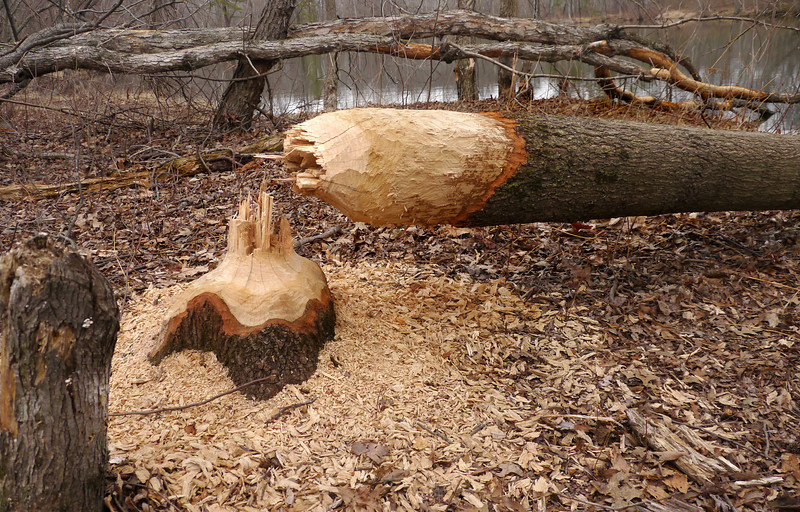
Tree felled by American Beaver at Patuxent Ponds, Anne Arundel Co., Maryland (3/5/2011).
Photo by
Janice Browne
MBP List
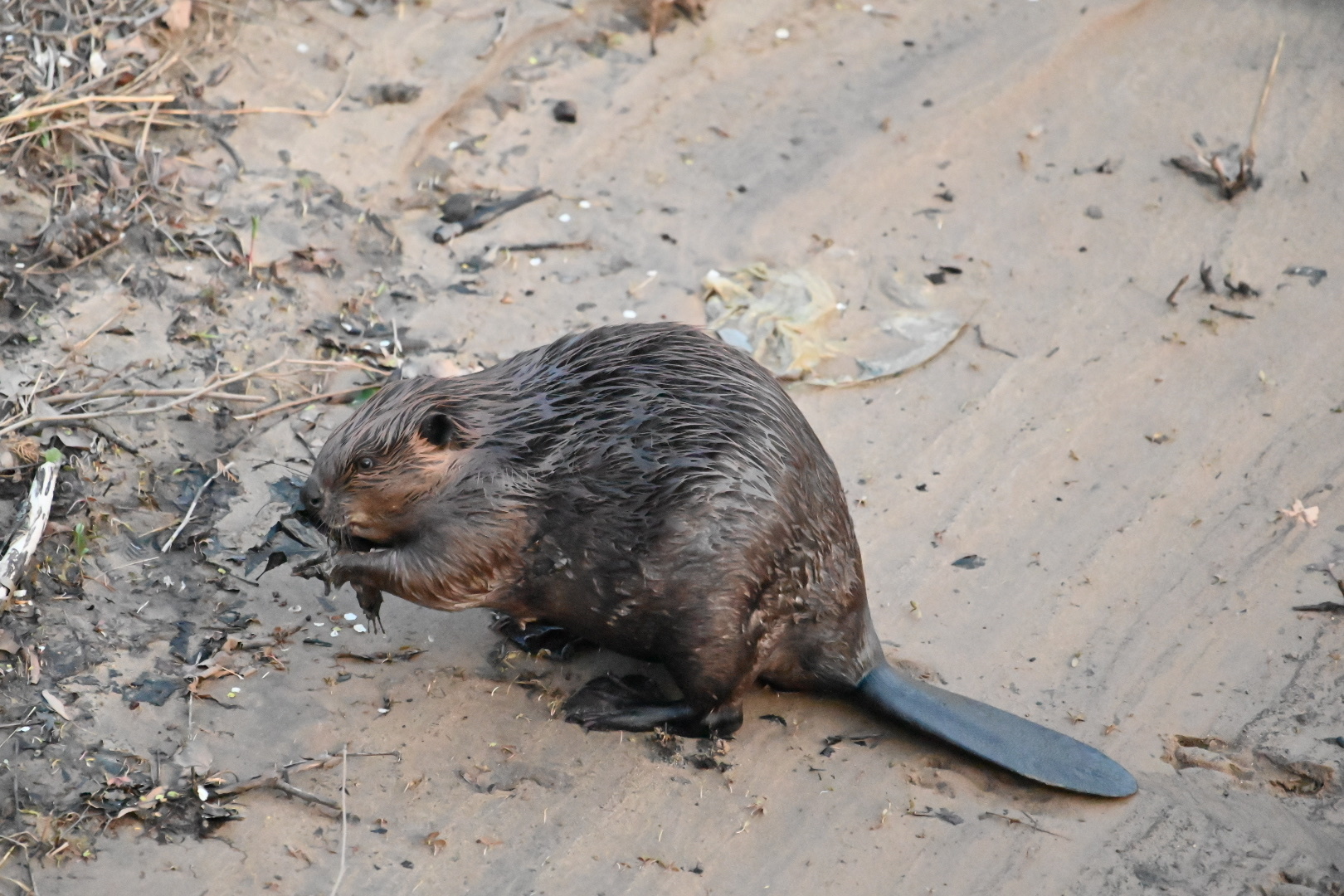
American Beaver in Prince George's Co., Maryland (4/5/2021). (c) Ryan Teague Beckwith, some rights reserved (CC BY-NC).
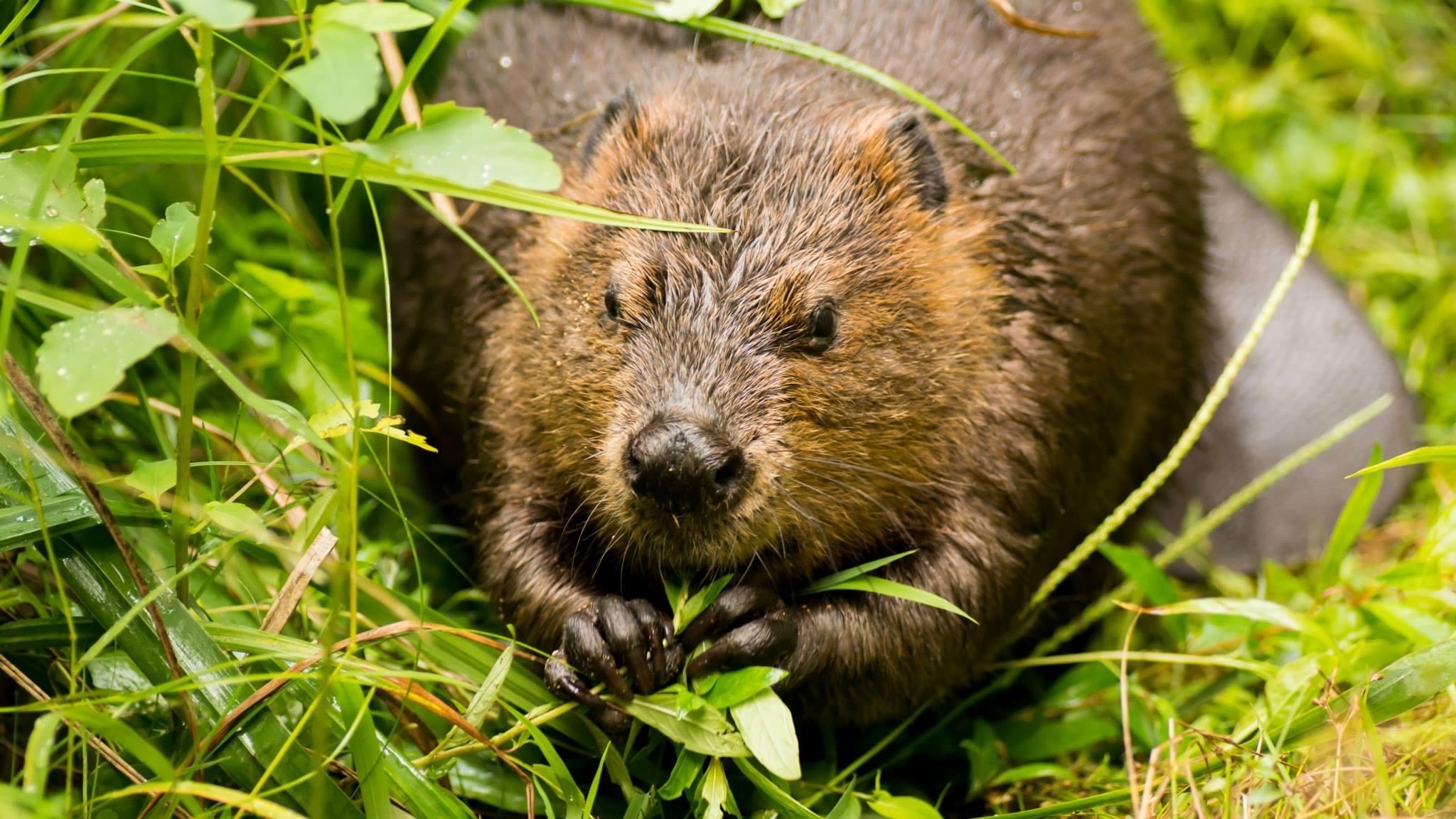
American Beaver in Prince George's Co., Maryland (7/4/2015). (c) philipncohen, some rights reserved (CC BY-NC).
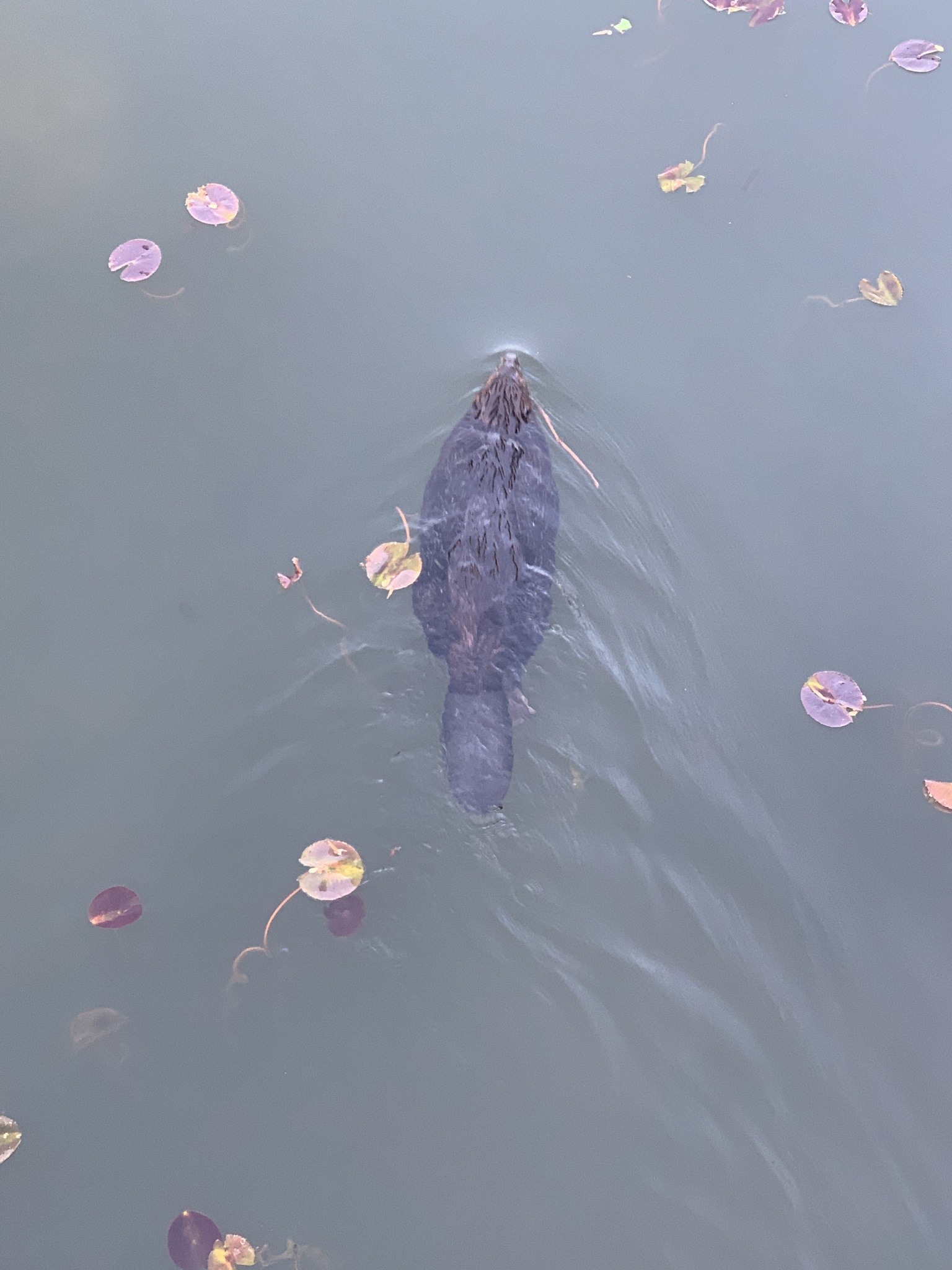
American Beaver in Prince George's Co., Maryland (4/14/2022). (c) akido, some rights reserved (CC BY-NC).
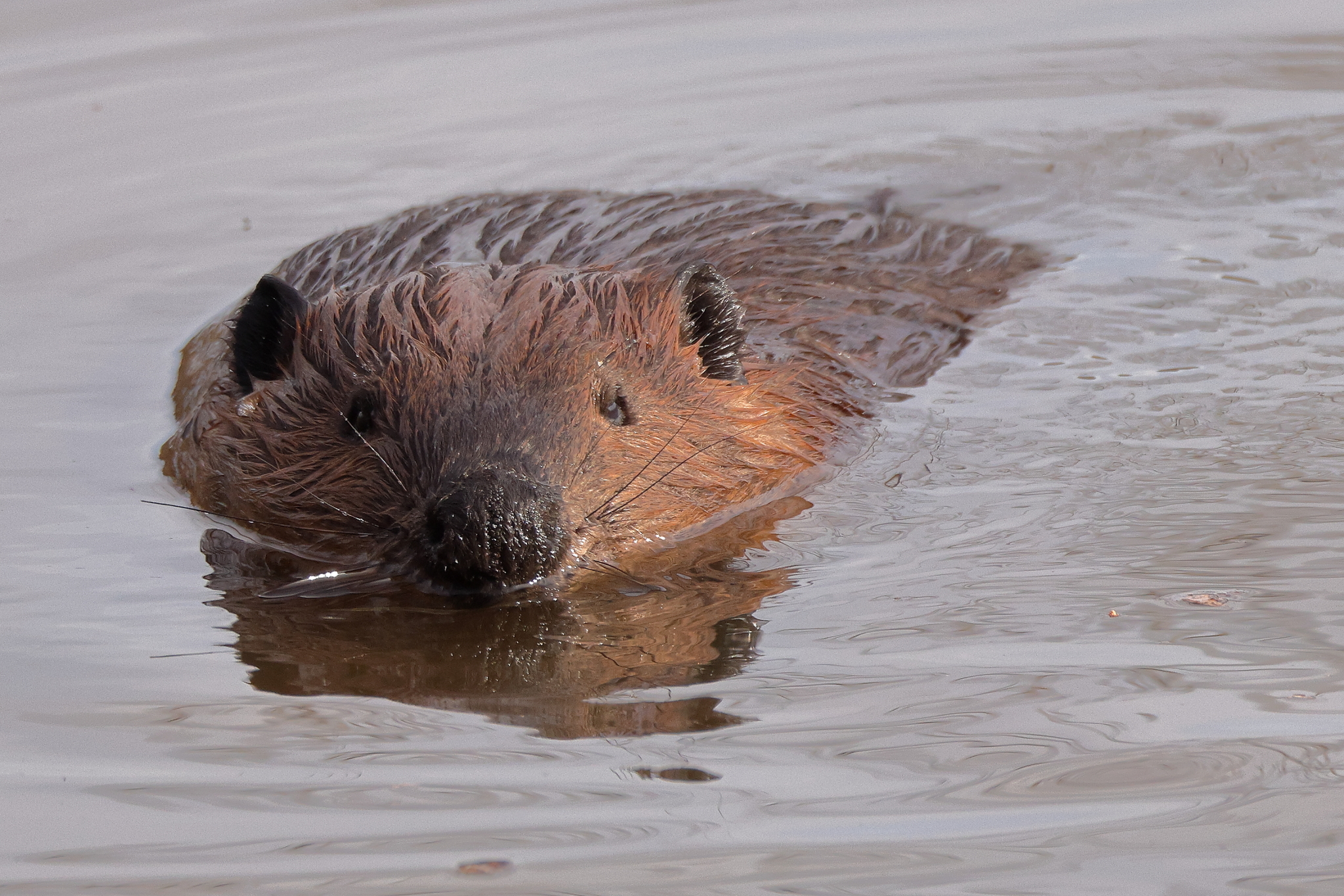
American Beaver in Prince George's Co., Maryland (1/24/2021). (c) Sergei Drovetski, all rights reserved.

American Beaver in Calvert Co., Maryland (3/27/2022). (c) rosalie-rick, all rights reserved.

American Beaver in Prince George's Co., Maryland (1/24/2021). (c) Sergei Drovetski, all rights reserved.
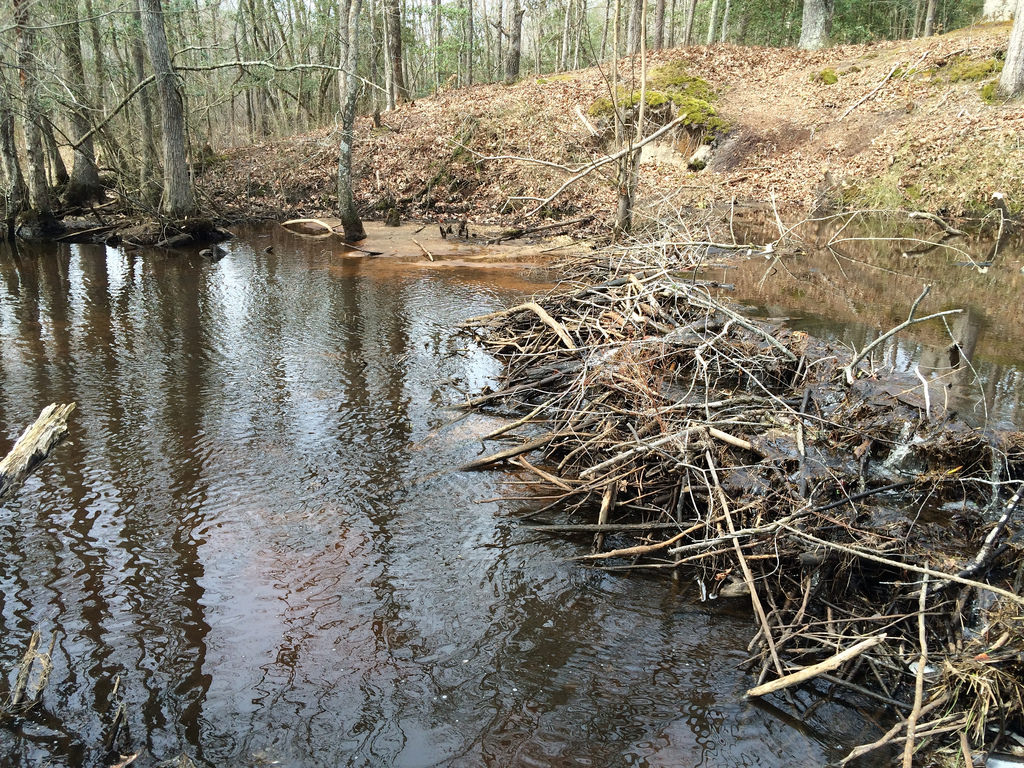
A dam made by American Beaver in Dorchester Co., Maryland (4/5/2015).
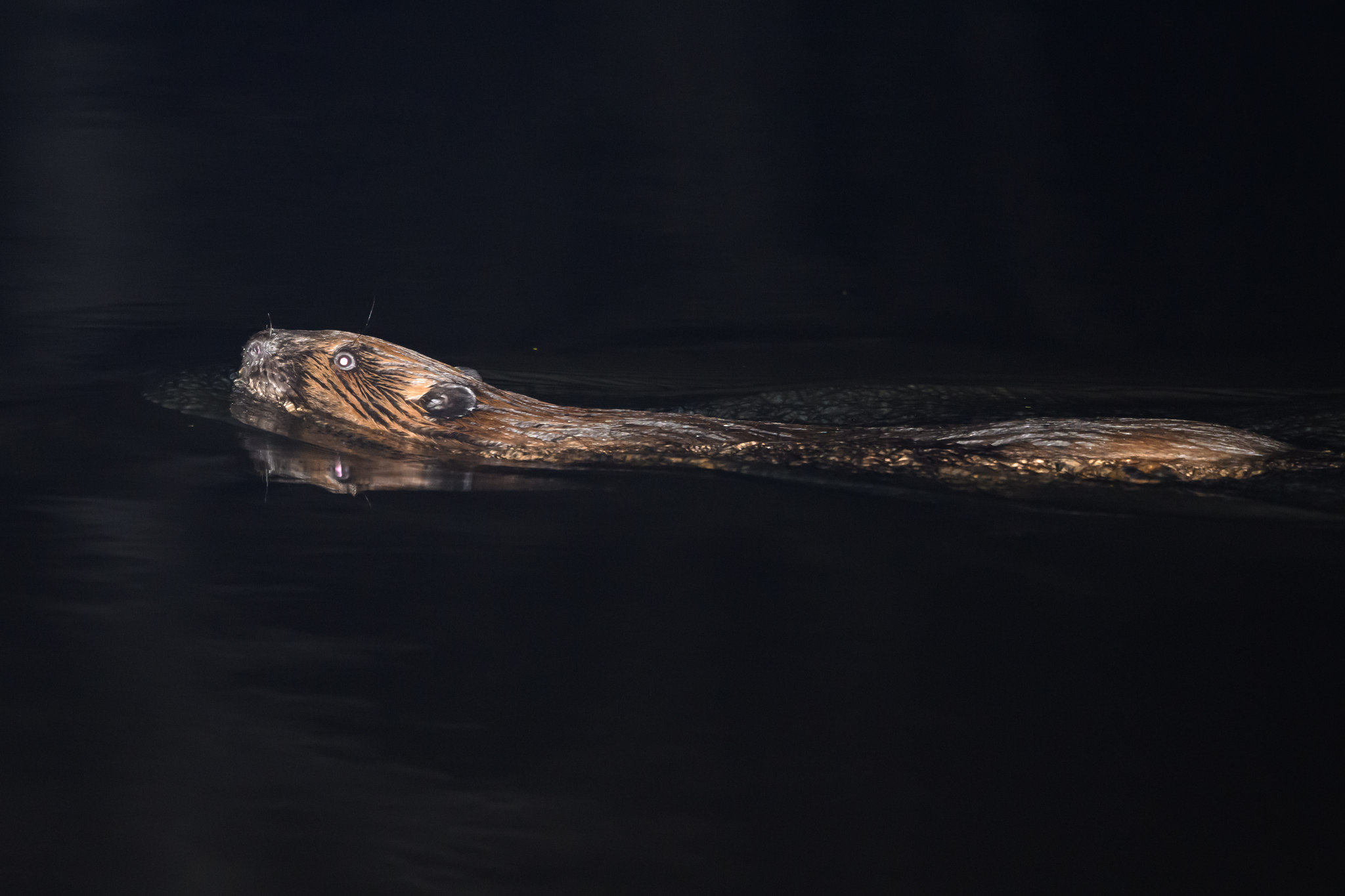
American Beaver in Montgomery Co., Maryland (1/7/2023). (c) Stephen John Davies, some rights reserved (CC BY-NC).

American Beaver in Frederick Co., Maryland (7/14/2021). (c) Emilio Concari, some rights reserved (CC BY-NC).
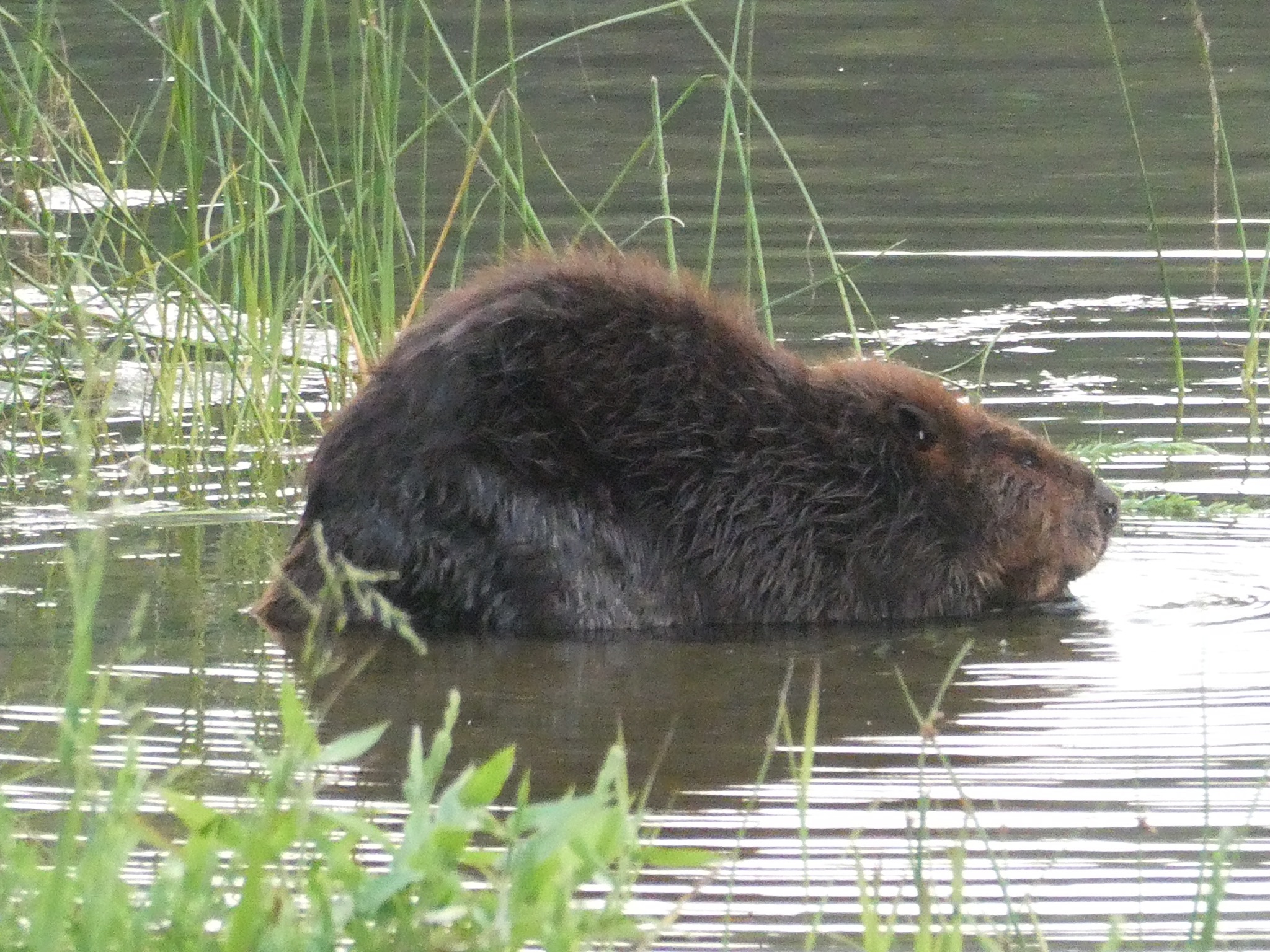
American Beaver in Montgomery Co., Maryland (7/26/2021). (c) jsky, some rights reserved (CC BY-NC).
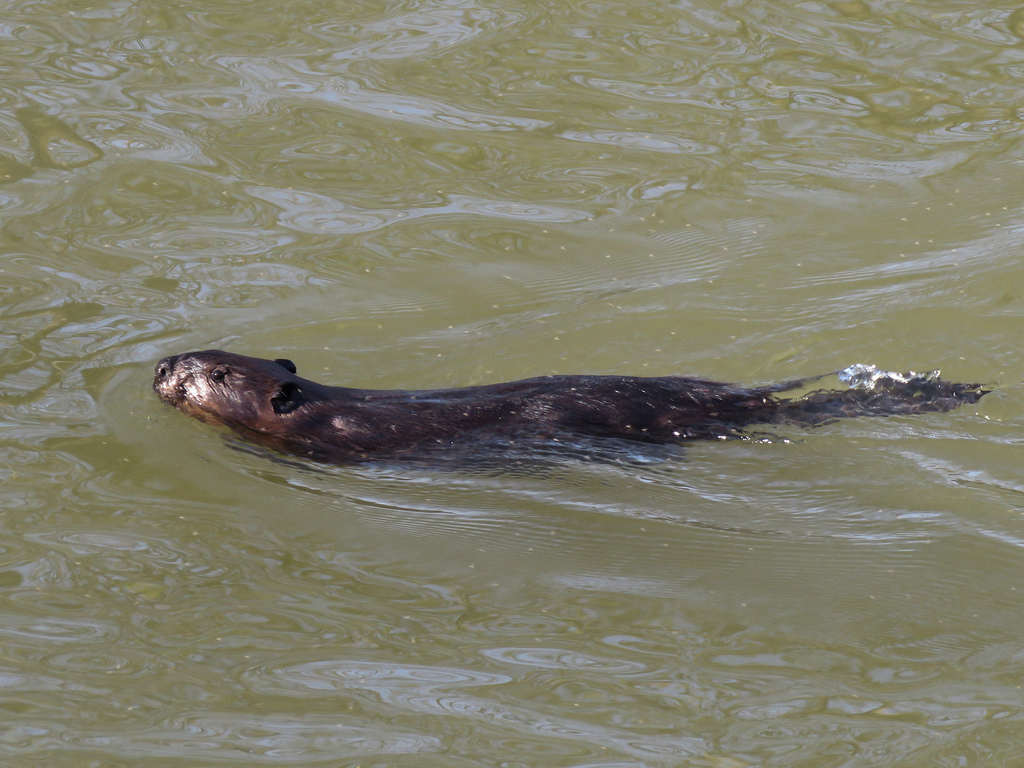
An American Beaver in Harford Co., Maryland (4/18/2018).
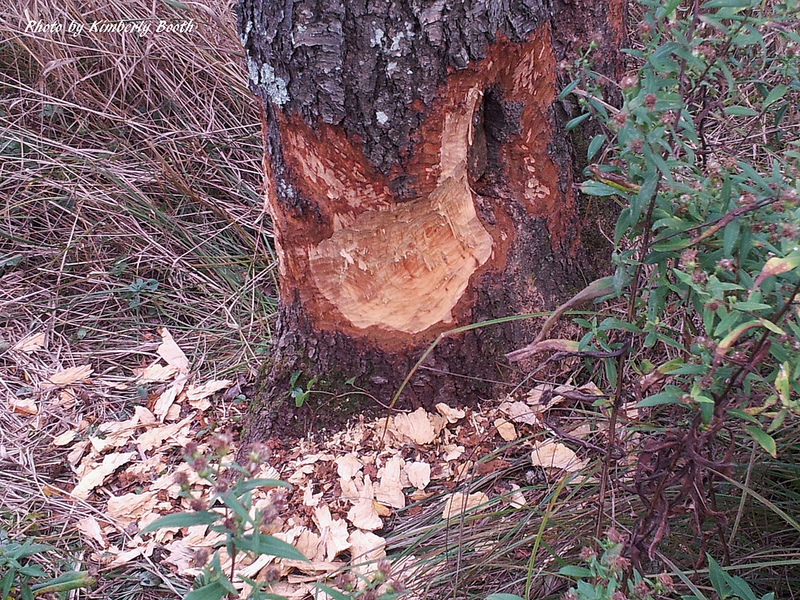
Evidence of an American Beaver in Garrett Co., Maryland (10/6/2014).
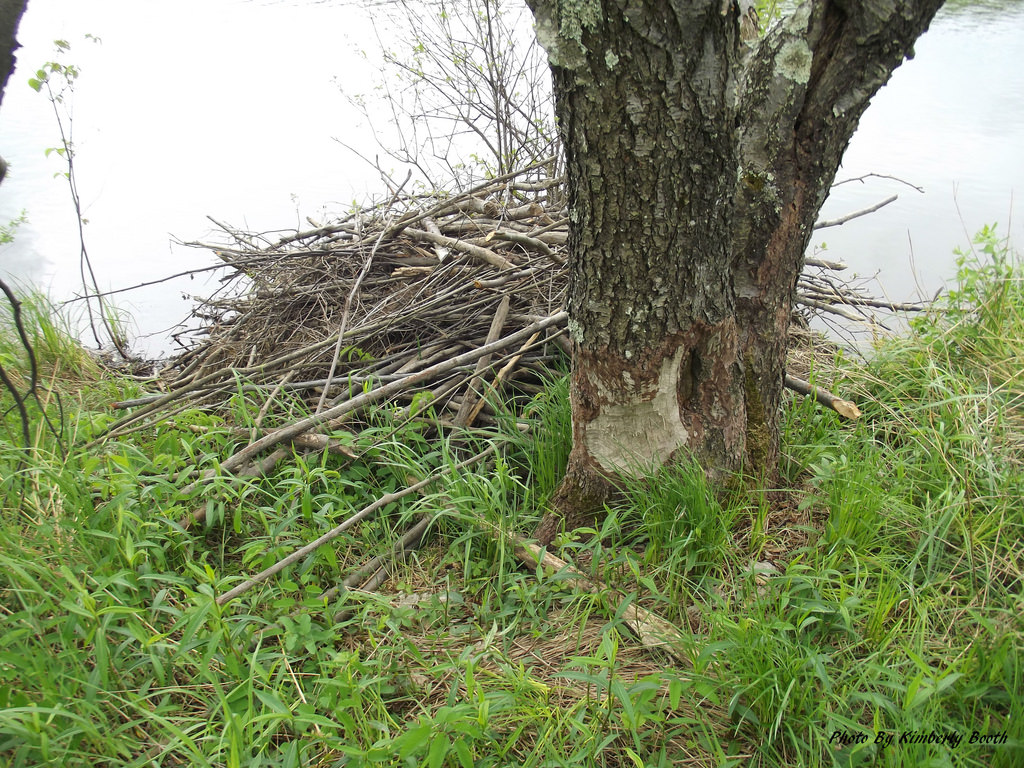
Signs of American Beaver in Garrett Co., Maryland (5/16/2015).
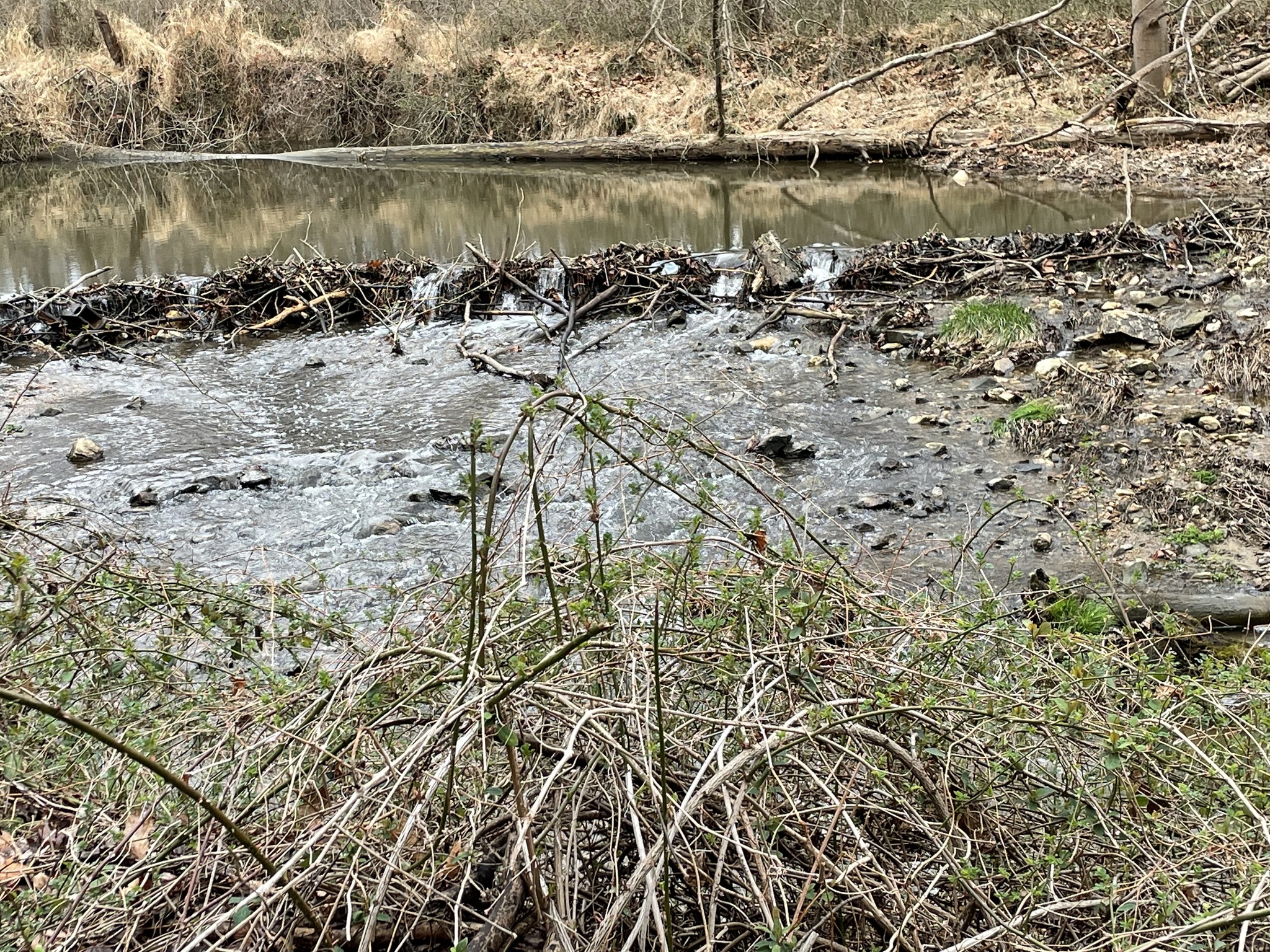
American Beaver dam in Montgomery Co., Maryland (3/4/2023). (c) Jane Hill, some rights reserved (CC BY-NC).
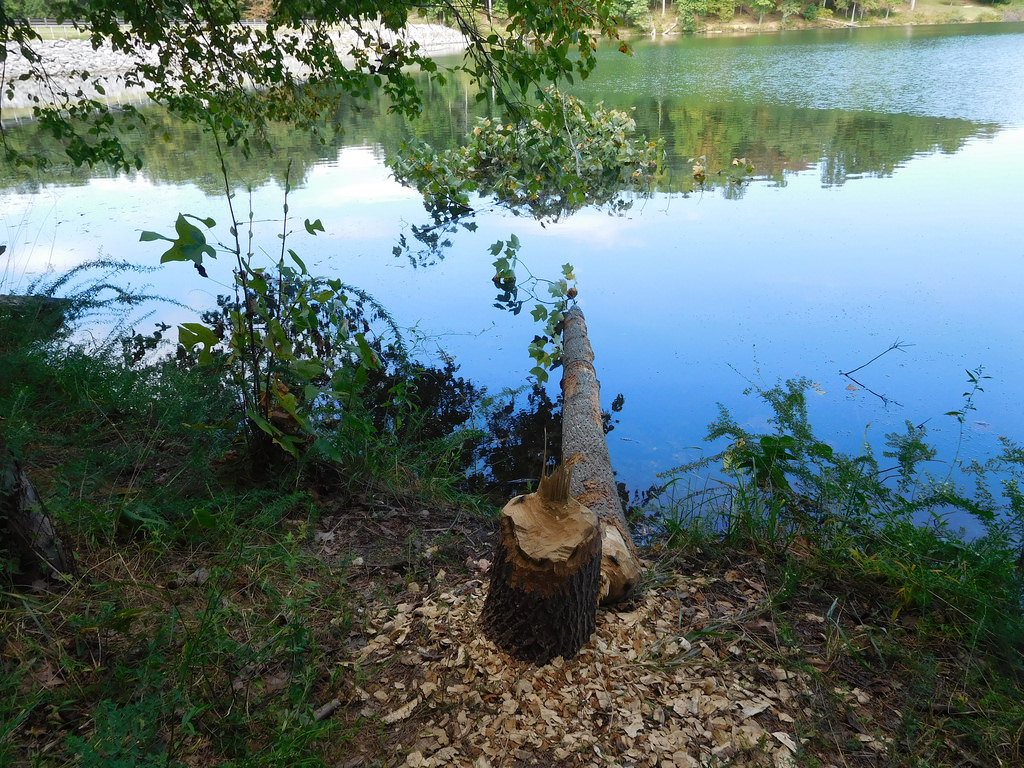
A tree recently felled by an American Beaver in Montgomery Co., Maryland (9/25/2016).
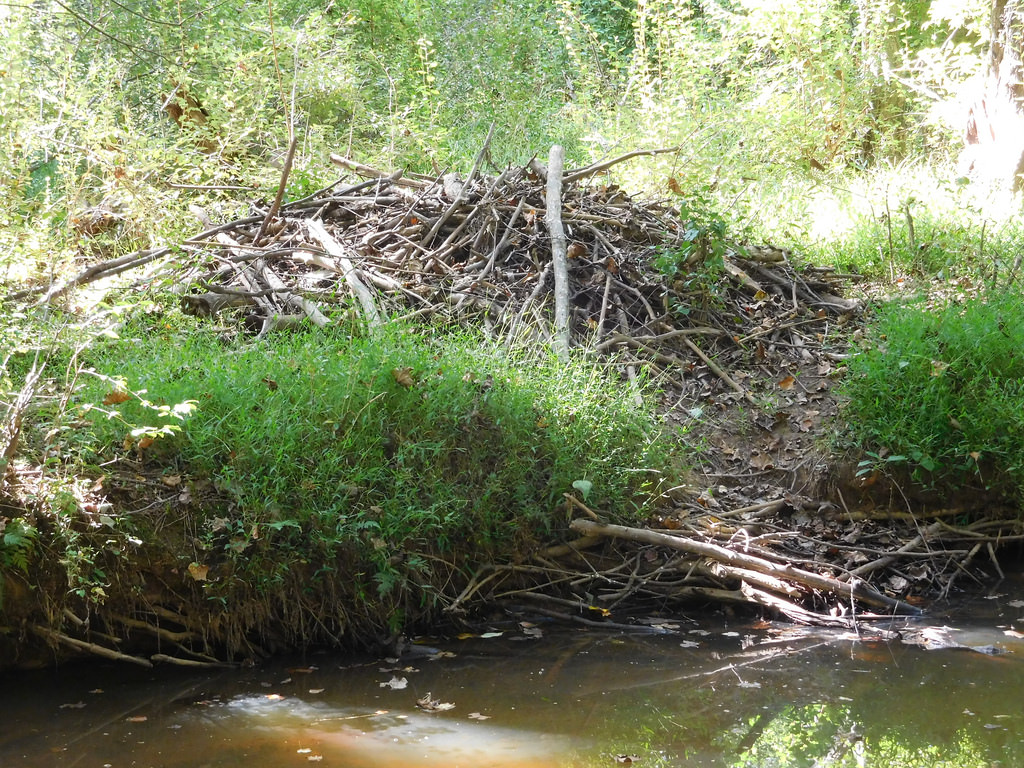
An American Beaver lodge in Montgomery Co., Maryland (9/25/2016).
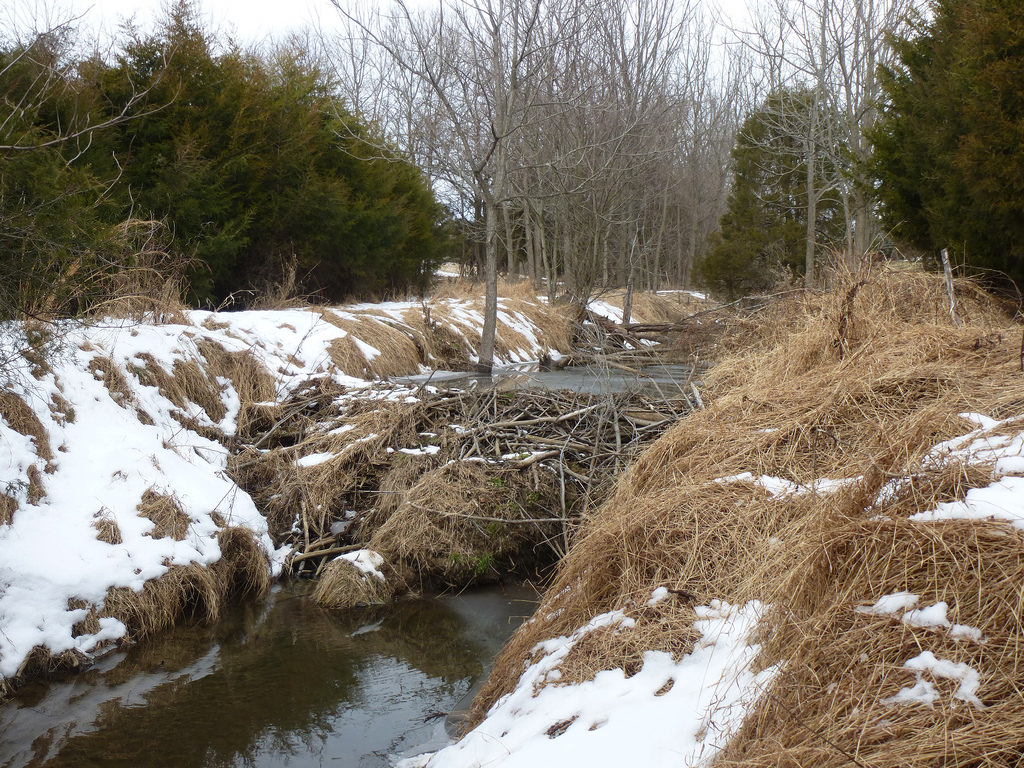
An American Beaver dam in Montgomery Co., Maryland (1/16/2017).
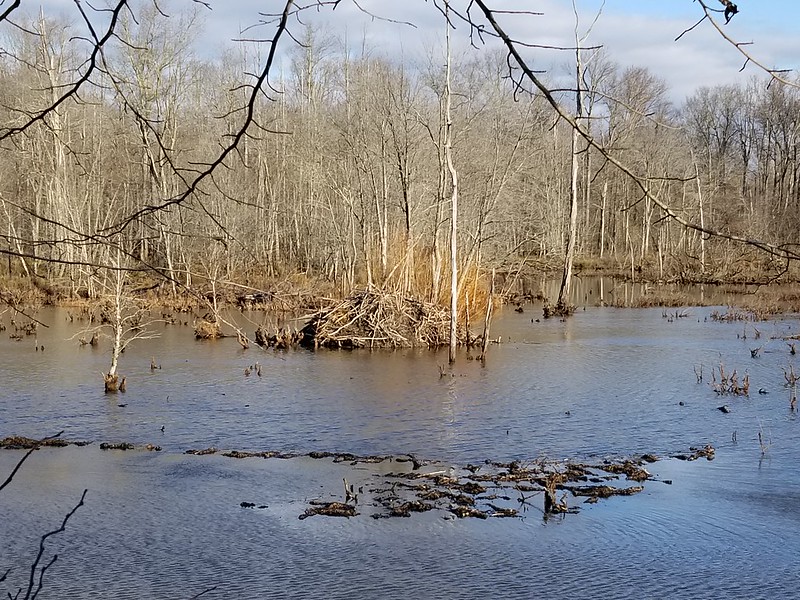
An American Beaver lodge in Anne Arundel Co., Maryland (1/1/2020).

An American Beaver in St. Mary's Co., Maryland (5/31/2020).
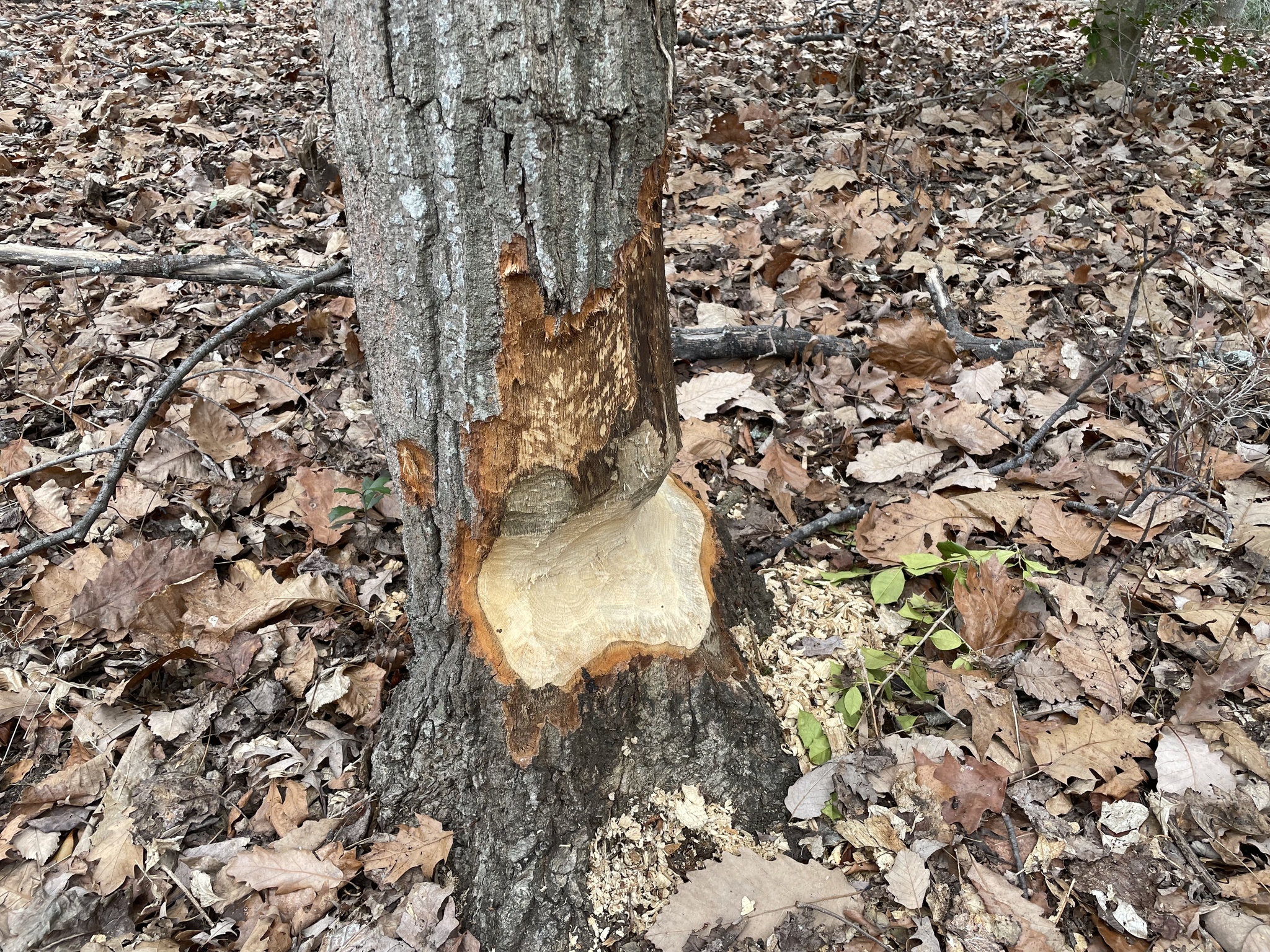
American Beaver in Anne Arundel Co., Maryland (2/10/2024). (c) iacomaner, some rights reserved (CC BY-NC).
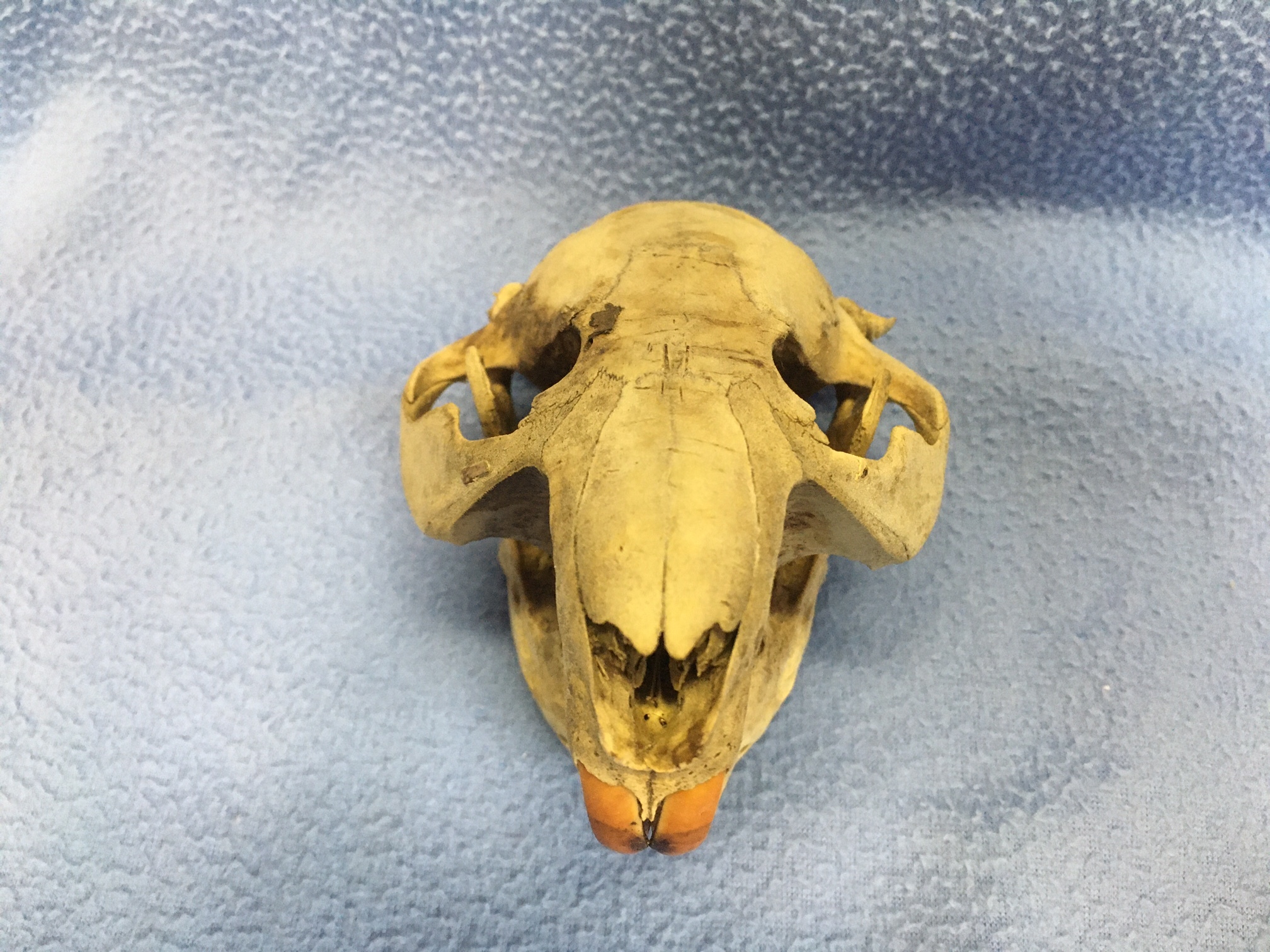
American Beaver in St. Mary's Co., Maryland (12/18/2020). (c) ecobc, some rights reserved (CC BY-NC).
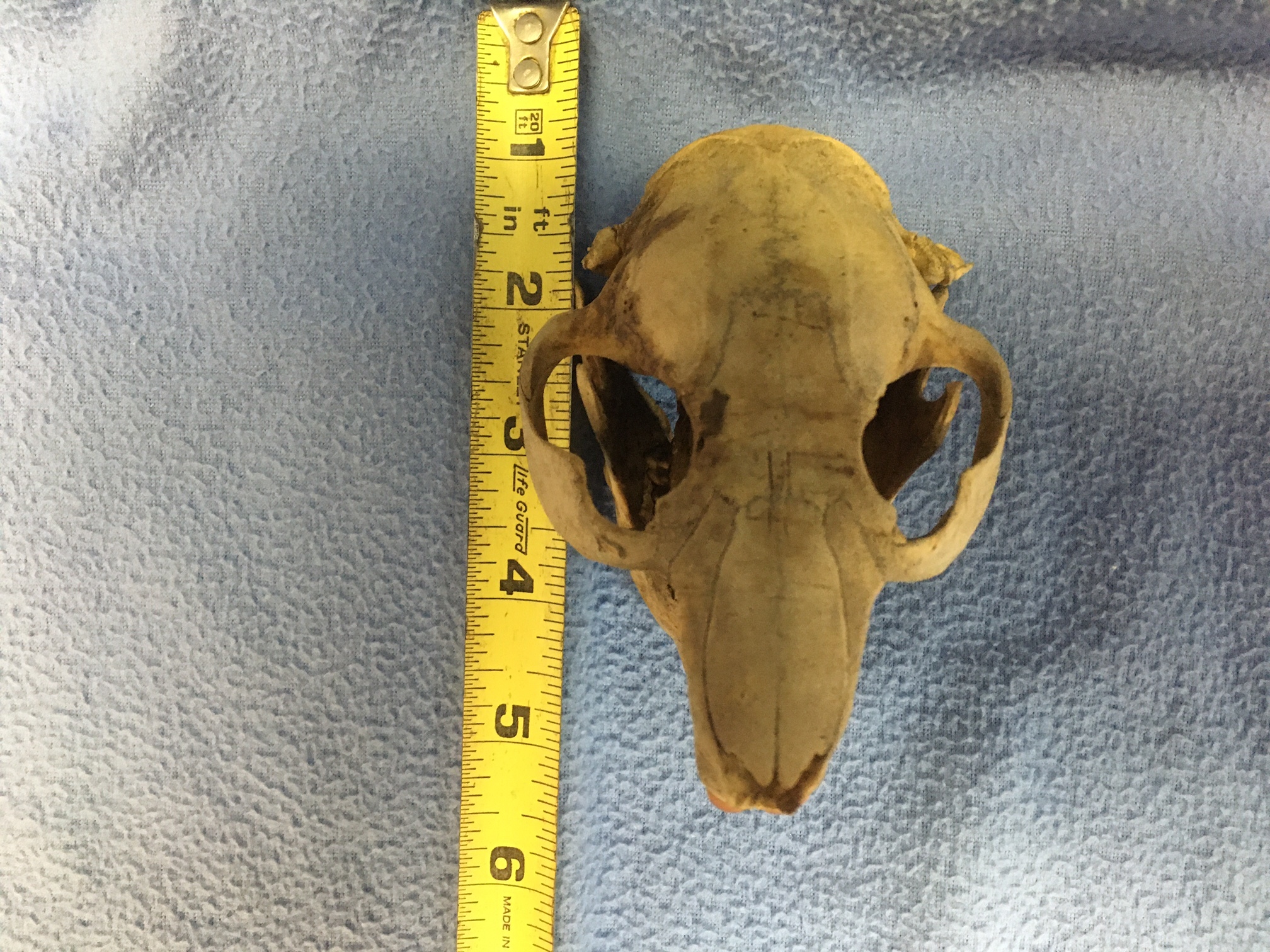
American Beaver in St. Mary's Co., Maryland (12/18/2020). (c) ecobc, some rights reserved (CC BY-NC).
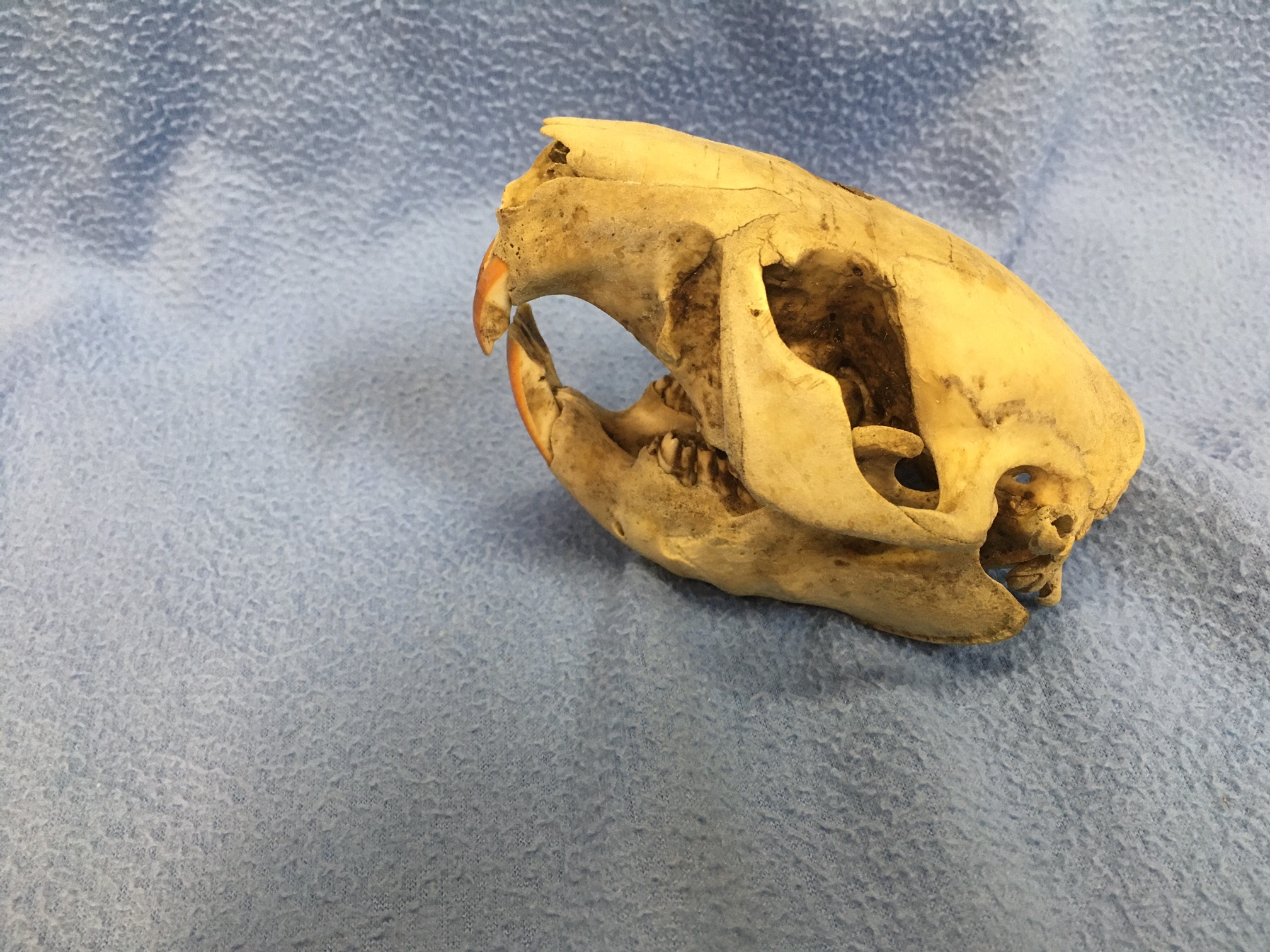
American Beaver in St. Mary's Co., Maryland (12/18/2020). (c) ecobc, some rights reserved (CC BY-NC).
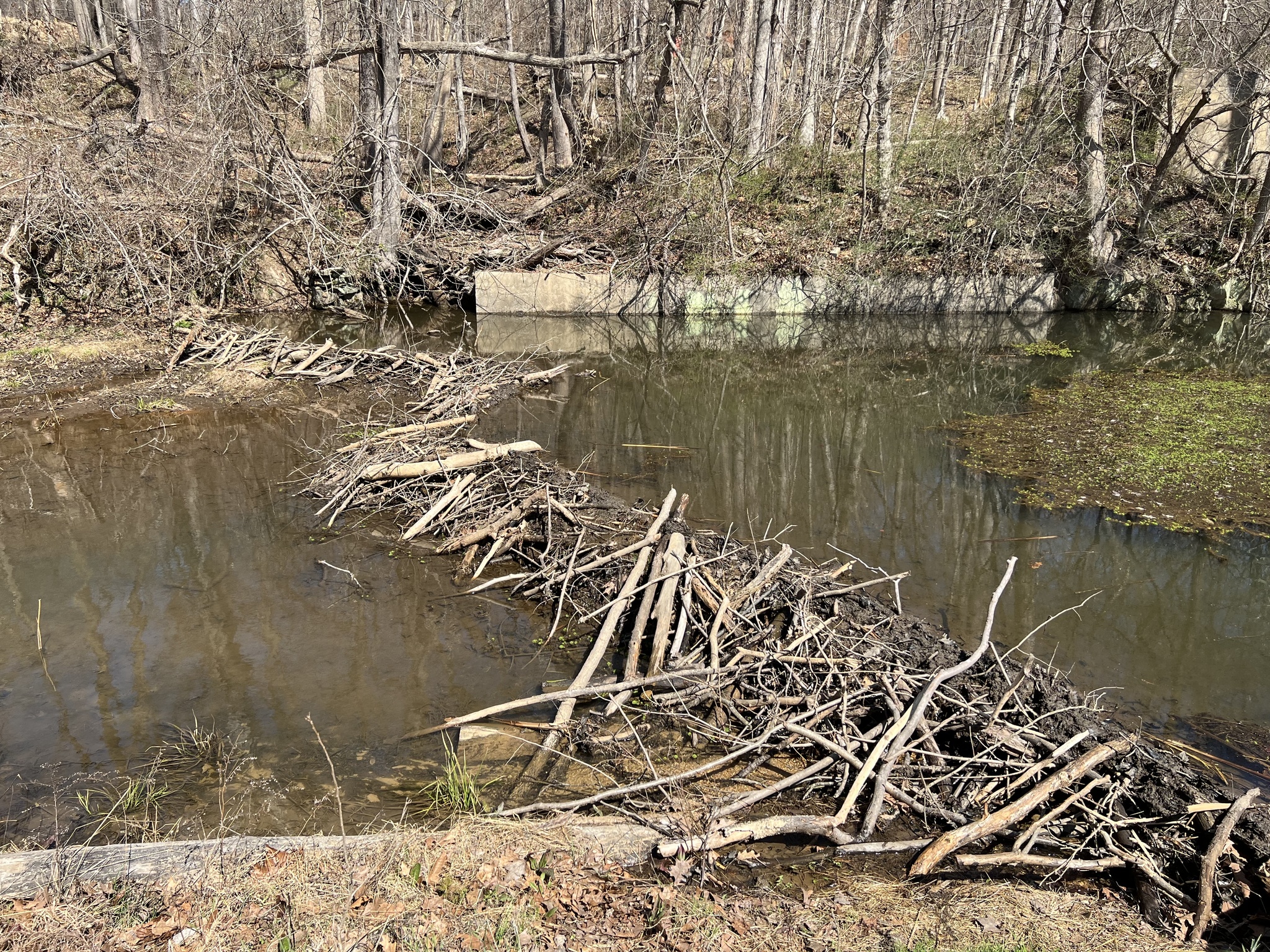
American Beaver dam in Montgomery Co., Maryland (3/18/2022). (c) Deborah Barber, some rights reserved (CC BY-NC).
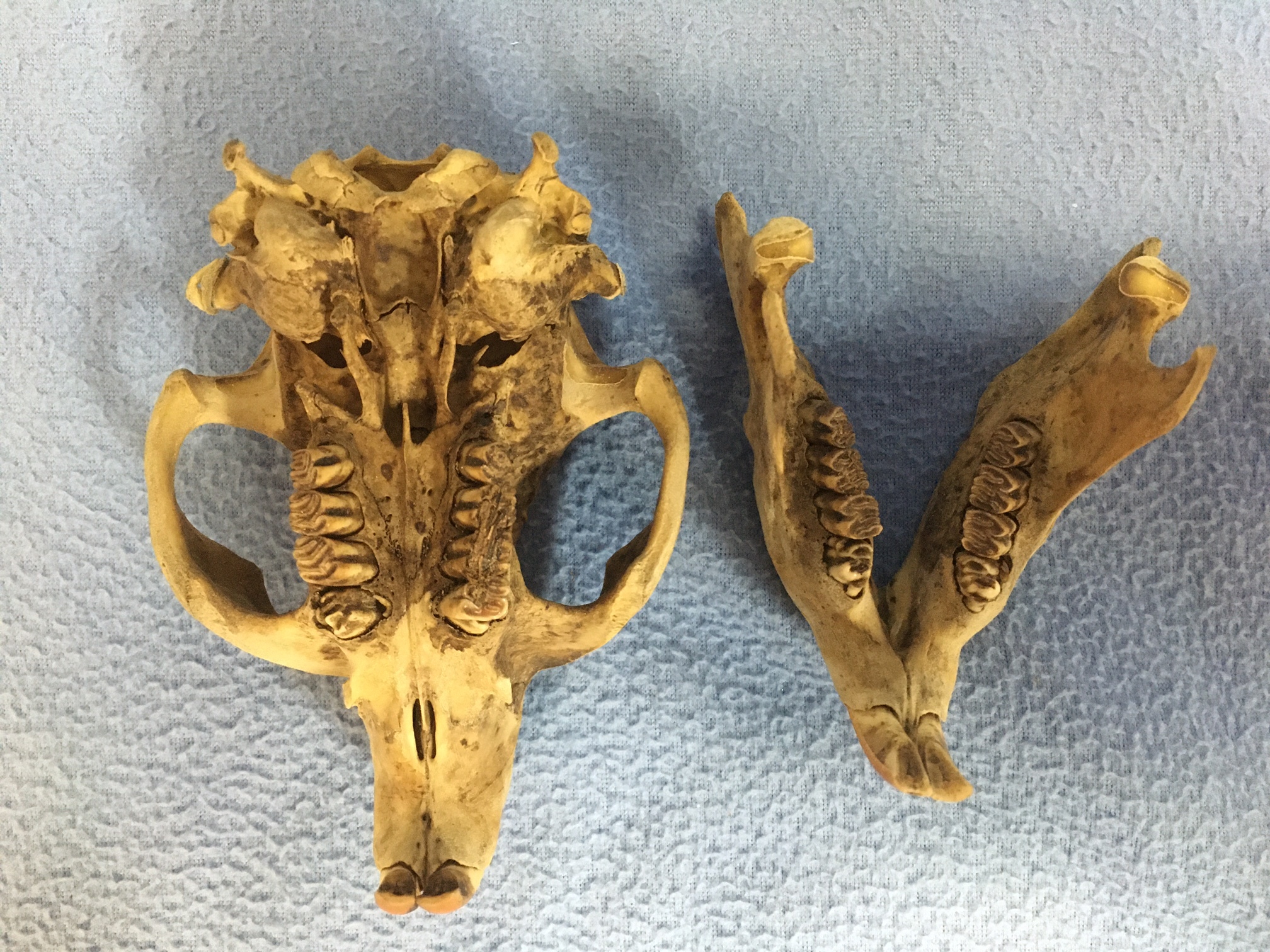
American Beaver in St. Mary's Co., Maryland (12/18/2020). (c) ecobc, some rights reserved (CC BY-NC).
Map Snapshot


856 Records
Status
Horton (2020) describes how beavers shaped the precolonial Chesapeake Bay watershed: "For millennia, they inhabited virtually every stream of the 64,000-square-mile Bay watershed; and they controlled how the land shed water — cleanly, clearly, slowly — in a manner almost unrecognizable today.
"We understand how green the precolonial Bay watershed was; we seldom realize how wet it was....
"On the Chesapeake...rainfall did not rush to the Bay. It oozed and seeped, soaked into the ground, then reappeared, its energy dissipated through multiple flow ways.
"Sediment settled out in ponds behind dams that might occur every 50 yards on some streams. Nitrogen, the Bay’s prime pollutant today, was digested in the beaver-created wetlands and turned to harmless nitrogen gas. And the ponded landscape was lush with waterfowl and all manner of amphibians, not to mention otter and muskrat.
"...[T]hose landscapes have been gone so long that we’ve forgotten what they looked like....
[T]he trapping out of beaver — by the mid-1700s on the Chesapeake — likely was seen as beneficial.
"Some of the richest farmland was the deep bottom sediments of vanished beaver ponds."
Horton believes that beavered landscapes are more resilient to blowouts of streams.
Horton writes, "Beavers... are coming back on their own, though they are frequently trapped and killed as nuisances who chew down trees for food and dams and whose dams cause flooding. New Englanders, Canadians, several western states and even Mongolia are finding ways to peacefully coexist with all of this, having learned that the benefits of beavers far outweigh the costs.
There is evidence that watersheds can be shared with beavers using "beaver deceiver" devices "such as pipes placed in their dams to control flooding," notes Horton.
"We understand how green the precolonial Bay watershed was; we seldom realize how wet it was....
"On the Chesapeake...rainfall did not rush to the Bay. It oozed and seeped, soaked into the ground, then reappeared, its energy dissipated through multiple flow ways.
"Sediment settled out in ponds behind dams that might occur every 50 yards on some streams. Nitrogen, the Bay’s prime pollutant today, was digested in the beaver-created wetlands and turned to harmless nitrogen gas. And the ponded landscape was lush with waterfowl and all manner of amphibians, not to mention otter and muskrat.
"...[T]hose landscapes have been gone so long that we’ve forgotten what they looked like....
[T]he trapping out of beaver — by the mid-1700s on the Chesapeake — likely was seen as beneficial.
"Some of the richest farmland was the deep bottom sediments of vanished beaver ponds."
Horton believes that beavered landscapes are more resilient to blowouts of streams.
Horton writes, "Beavers... are coming back on their own, though they are frequently trapped and killed as nuisances who chew down trees for food and dams and whose dams cause flooding. New Englanders, Canadians, several western states and even Mongolia are finding ways to peacefully coexist with all of this, having learned that the benefits of beavers far outweigh the costs.
There is evidence that watersheds can be shared with beavers using "beaver deceiver" devices "such as pipes placed in their dams to control flooding," notes Horton.
Relationships
Maryland beavers almost certainly host the Beaver Parasite Beetle (Platypsyllus castoris) that is an ectoparasite that specializes on beavers throughout the U.S. and southern Canada (Evans, 2014).
Citations
No citations linked for this taxon yet.
Use of media featured on Maryland
Biodiversity Project is only permitted with express permission of the
photographer.
American Beaver in Calvert Co., Maryland (3/27/2022). (c) rosalie-rick, all rights reserved.
View Record Details
Media by
rosalie-rick via iNaturalist.
American Beaver in Calvert Co., Maryland (3/27/2022). (c) rosalie-rick, all rights reserved.
View Record Details
Media by
rosalie-rick via iNaturalist.
An American Beaver in Harford Co., Maryland (3/3/2019).
View Record Details
Media by
Mark Johnson.
An American Beaver dam in Montgomery Co., Maryland (1/31/2014).
View Record Details
Media by
Bonnie Bell.
American Beaver lodge in Prince George's Co., Maryland (2/28/2017).
View Record Details
Media by
Bill Harms.
Beaver tracks at Meadowbrook Park, Howard Co., Maryland (1/4/2014). Notes from Richard Orr: "The tracks of Beaver are distinctive since their large broad nails show well in snow. Usually however the tracks are destroyed by the dragging tail. If the tail is not dragging it is because the beaver is dragging wood -- the tail is lifted up for added balance. In this case the beaver tracks were in a snow trough and were protected from the tail or wood being dragged behind."
Media by
Richard Orr.
An American Beaver in Prince George's Co., Maryland (11/28/2014).
View Record Details
Media by
Dan Small.
American Beaver in Montgomery Co., Maryland (3/26/2022). (c) Stephen John Davies, some rights reserved (CC BY-NC).
View Record Details
Media by
Stephen John Davies via iNaturalist.
An American Beaver in Howard Co., Maryland (4/15/2015).
View Record Details
Media by
Richard Orr.
American Beavers in Silver Spring, Maryland (8/20/2012).
Media by
Stephen Davies.
An American Beaver in Charles Co., Maryland (4/8/2017).
View Record Details
Media by
William Wise.
American Beaver in Howard Co., Maryland (5/6/2020). (c) Tim Frye, some rights reserved (CC BY-NC).
View Record Details
Media by
Tim Frye via iNaturalist.
An American Beaver in Silver Spring, Maryland (8/20/2012). Overall size, head shape, and especially tail shape can be used to separate from Muskrat and River Otter.
Media by
Stephen Davies.
American Beaver in Calvert Co., Maryland (5/11/2023). (c) rosalie-rick, all rights reserved.
View Record Details
Media by
rosalie-rick via iNaturalist.
An American Beaver in Montgomery Co., Maryland (5/3/2016).
View Record Details
Media by
Max Wilson.
American Beaver in Montgomery Co., Maryland (5/8/2020). (c) Stephen John Davies, some rights reserved (CC BY-NC).
View Record Details
Media by
Stephen John Davies via iNaturalist.
Tree felled by American Beaver at Patuxent Ponds, Anne Arundel Co., Maryland (3/5/2011).
Media by
Janice Browne.
American Beaver in Prince George's Co., Maryland (4/5/2021). (c) Ryan Teague Beckwith, some rights reserved (CC BY-NC).
View Record Details
Media by
Ryan Teague Beckwith via iNaturalist.
American Beaver in Prince George's Co., Maryland (7/4/2015). (c) philipncohen, some rights reserved (CC BY-NC).
View Record Details
Media by
philipncohen via iNaturalist.
American Beaver in Prince George's Co., Maryland (4/14/2022). (c) akido, some rights reserved (CC BY-NC).
View Record Details
Media by
akido via iNaturalist.
American Beaver in Prince George's Co., Maryland (1/24/2021). (c) Sergei Drovetski, all rights reserved.
View Record Details
Media by
Sergei Drovetski.
American Beaver in Calvert Co., Maryland (3/27/2022). (c) rosalie-rick, all rights reserved.
View Record Details
Media by
rosalie-rick via iNaturalist.
American Beaver in Prince George's Co., Maryland (1/24/2021). (c) Sergei Drovetski, all rights reserved.
View Record Details
Media by
Sergei Drovetski.
A dam made by American Beaver in Dorchester Co., Maryland (4/5/2015).
View Record Details
Media by
Jim Brighton.
American Beaver in Montgomery Co., Maryland (1/7/2023). (c) Stephen John Davies, some rights reserved (CC BY-NC).
View Record Details
Media by
Stephen John Davies via iNaturalist.
American Beaver in Frederick Co., Maryland (7/14/2021). (c) Emilio Concari, some rights reserved (CC BY-NC).
View Record Details
Media by
Emilio Concari.
American Beaver in Montgomery Co., Maryland (7/26/2021). (c) jsky, some rights reserved (CC BY-NC).
View Record Details
Media by
jsky via iNaturalist.
An American Beaver in Harford Co., Maryland (4/18/2018).
View Record Details
Media by
Josh Emm.
Evidence of an American Beaver in Garrett Co., Maryland (10/6/2014).
View Record Details
Media by
Kimberly Booth.
Signs of American Beaver in Garrett Co., Maryland (5/16/2015).
View Record Details
Media by
Kimberly Booth.
American Beaver dam in Montgomery Co., Maryland (3/4/2023). (c) Jane Hill, some rights reserved (CC BY-NC).
View Record Details
Media by
Jane Hill.
A tree recently felled by an American Beaver in Montgomery Co., Maryland (9/25/2016).
View Record Details
Media by
Bonnie Bell.
An American Beaver lodge in Montgomery Co., Maryland (9/25/2016).
View Record Details
Media by
Bonnie Bell.
An American Beaver dam in Montgomery Co., Maryland (1/16/2017).
View Record Details
Media by
Bonnie Bell.
An American Beaver lodge in Anne Arundel Co., Maryland (1/1/2020).
View Record Details
Media by
Sue Muller.
An American Beaver in St. Mary's Co., Maryland (5/31/2020).
View Record Details
Media by
Ben Springer.
American Beaver in Anne Arundel Co., Maryland (2/10/2024). (c) iacomaner, some rights reserved (CC BY-NC).
View Record Details
Media by
iacomaner via iNaturalist.
American Beaver in St. Mary's Co., Maryland (12/18/2020). (c) ecobc, some rights reserved (CC BY-NC).
View Record Details
Media by
ecobc via iNaturalist.
American Beaver in St. Mary's Co., Maryland (12/18/2020). (c) ecobc, some rights reserved (CC BY-NC).
View Record Details
Media by
ecobc via iNaturalist.
American Beaver in St. Mary's Co., Maryland (12/18/2020). (c) ecobc, some rights reserved (CC BY-NC).
View Record Details
Media by
ecobc via iNaturalist.
American Beaver dam in Montgomery Co., Maryland (3/18/2022). (c) Deborah Barber, some rights reserved (CC BY-NC).
View Record Details
Media by
Deborah Barber via iNaturalist.
American Beaver in St. Mary's Co., Maryland (12/18/2020). (c) ecobc, some rights reserved (CC BY-NC).
View Record Details
Media by
ecobc via iNaturalist.