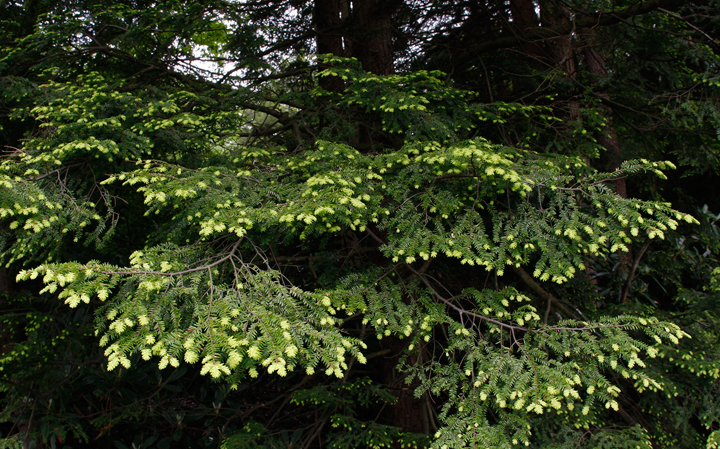
Eastern Hemlock in Garrett Co., Maryland (6/2008).
Photo by
Bill Hubick
MBP List
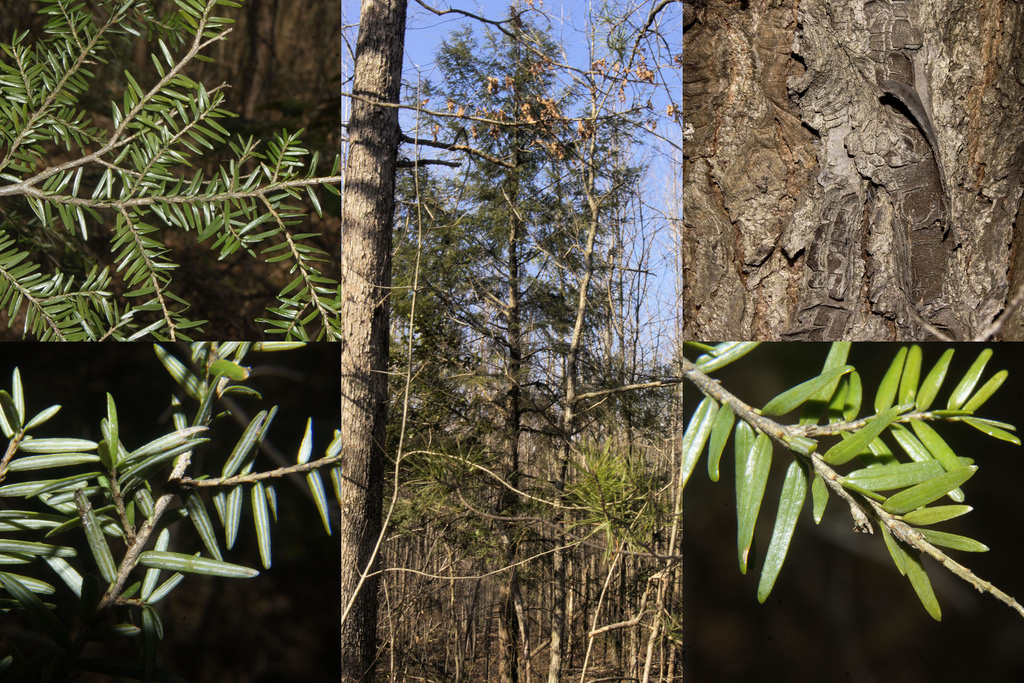
Eastern Hemlock in Anne Arundel Co., Maryland (3/4/2011).

An Eastern Hemlock, with its typically small cones, in Canaan Valley, Tucker Co., West Virginia (7/9/2012).
Photo by
Jim Brighton
MBP List

Eastern Hemlock in Baltimore Co., Maryland (3/19/2017).
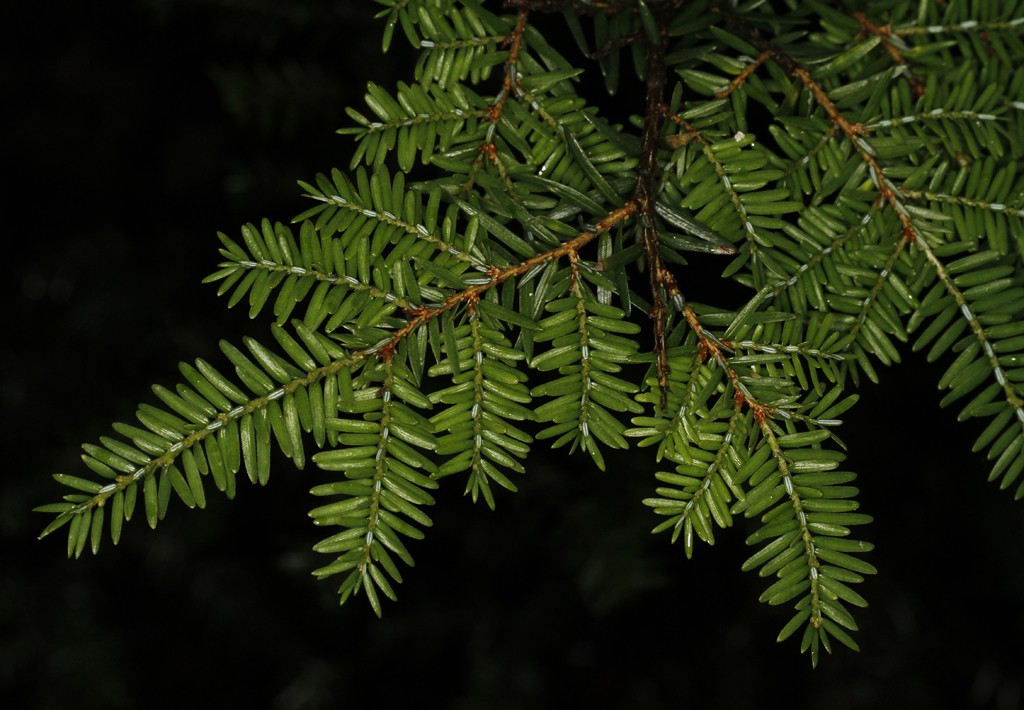
Eastern Hemlock in Allegany Co., Maryland (6/26/2015).
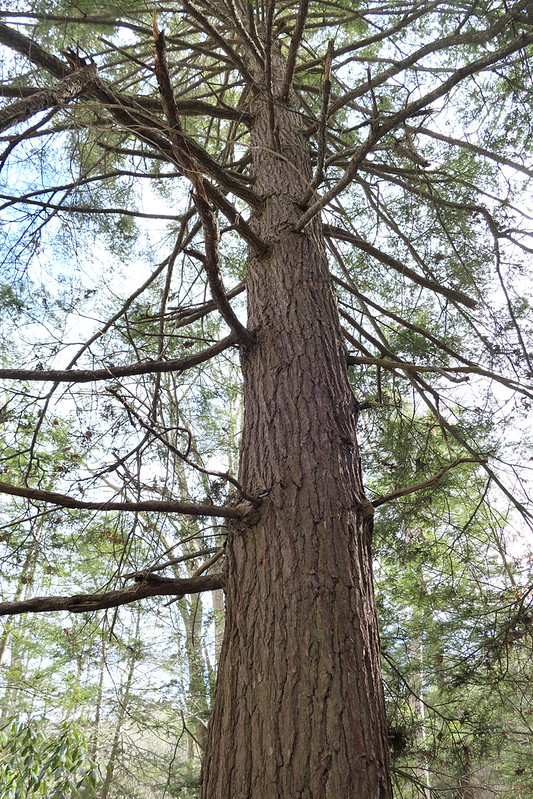
An Eastern Hemlock in Garrett Co., Maryland (1/10/2020).
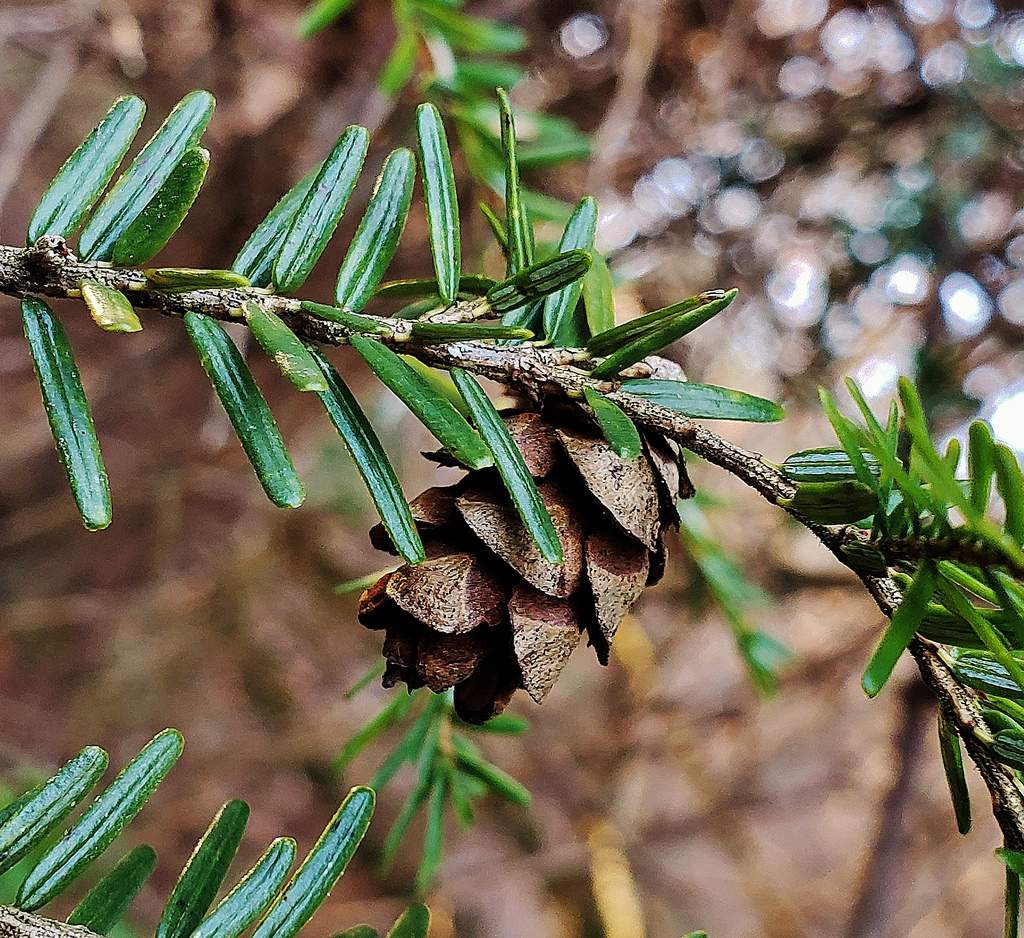
Eastern Hemlock in Howard Co., Maryland (12/19/2018).
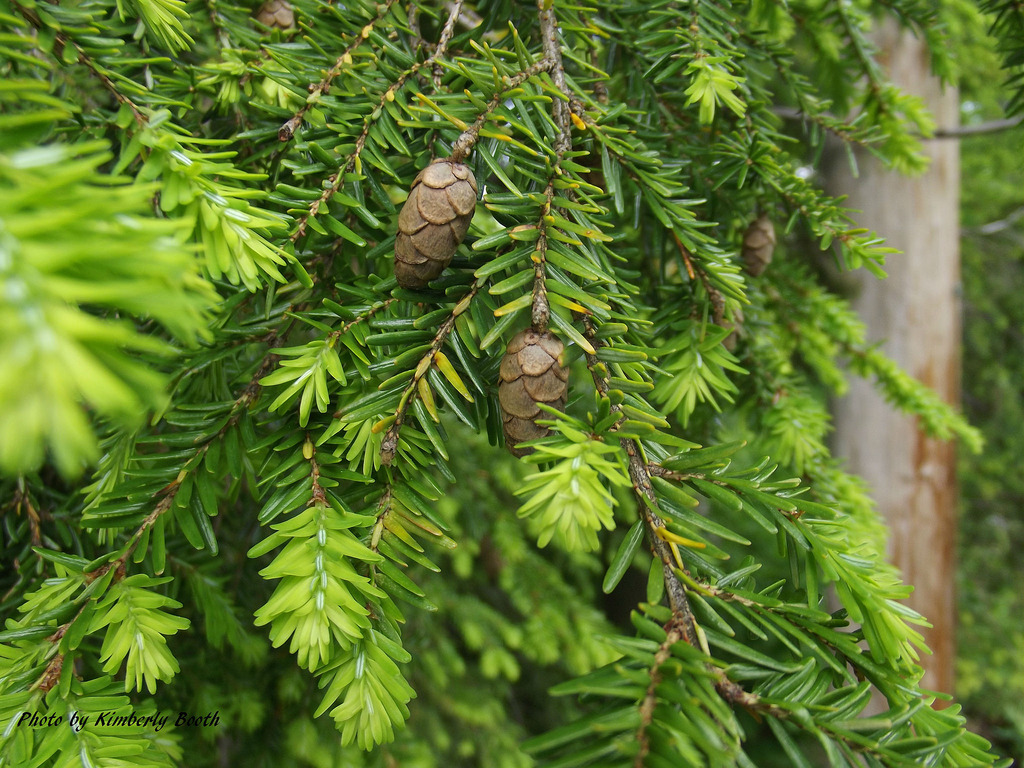
Eastern Hemlock in Garrett Co., Maryland (6/8/2014).
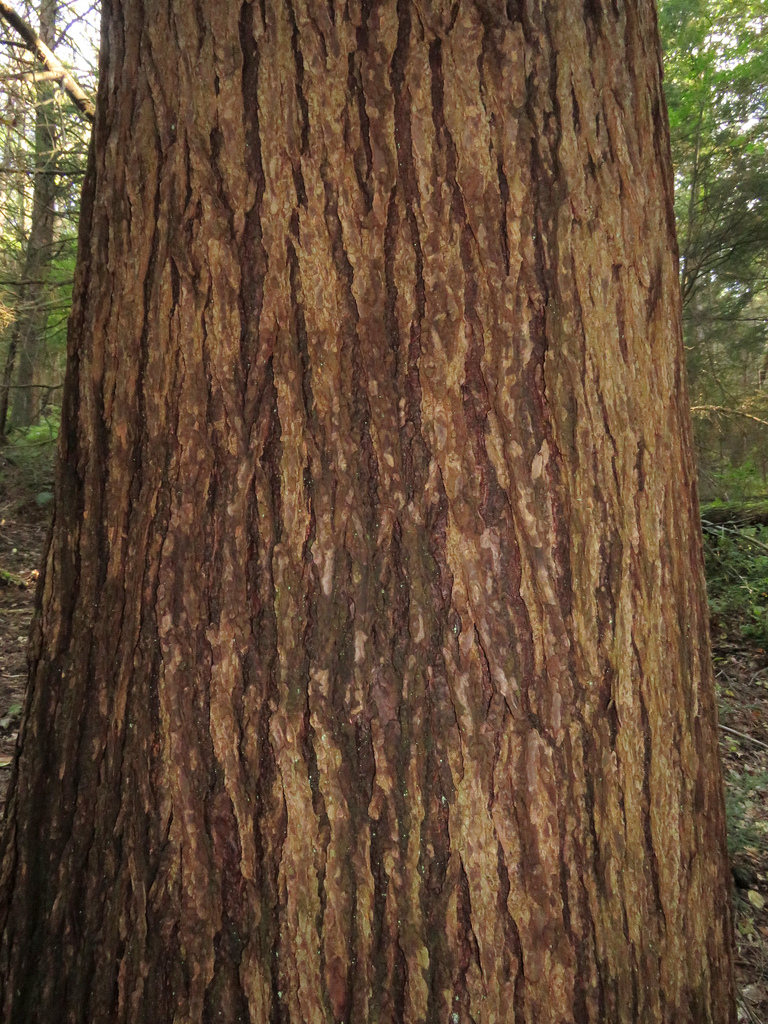
The trunk of an Eastern Hemlock in Garrett Co., Maryland (10/3/2018).
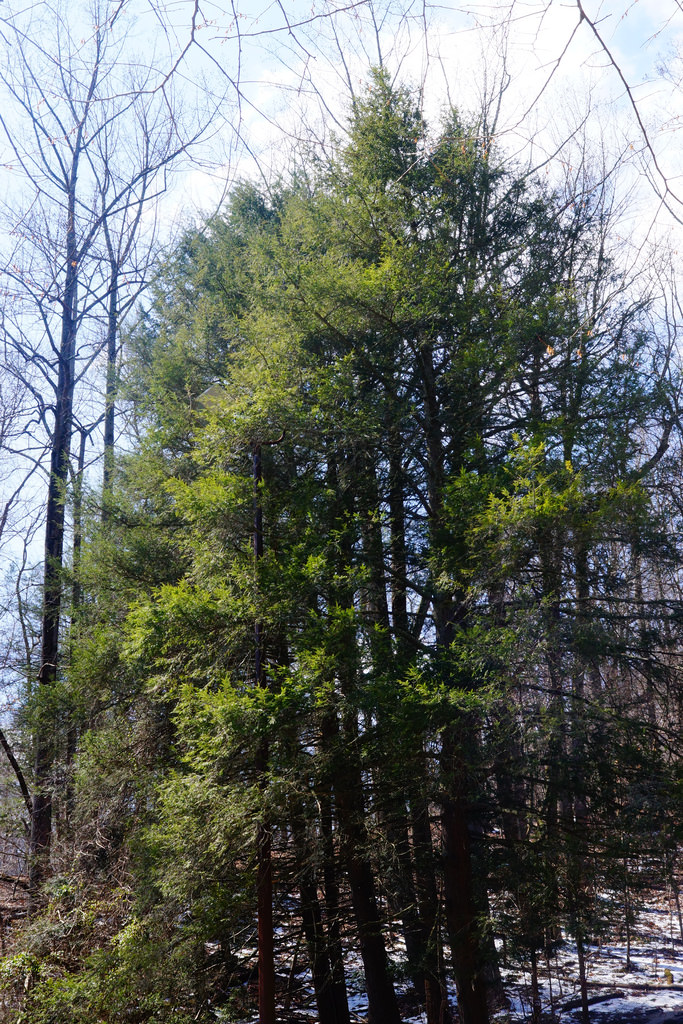
Eastern Hemlock in Howard Co., Maryland (3/19/2017).
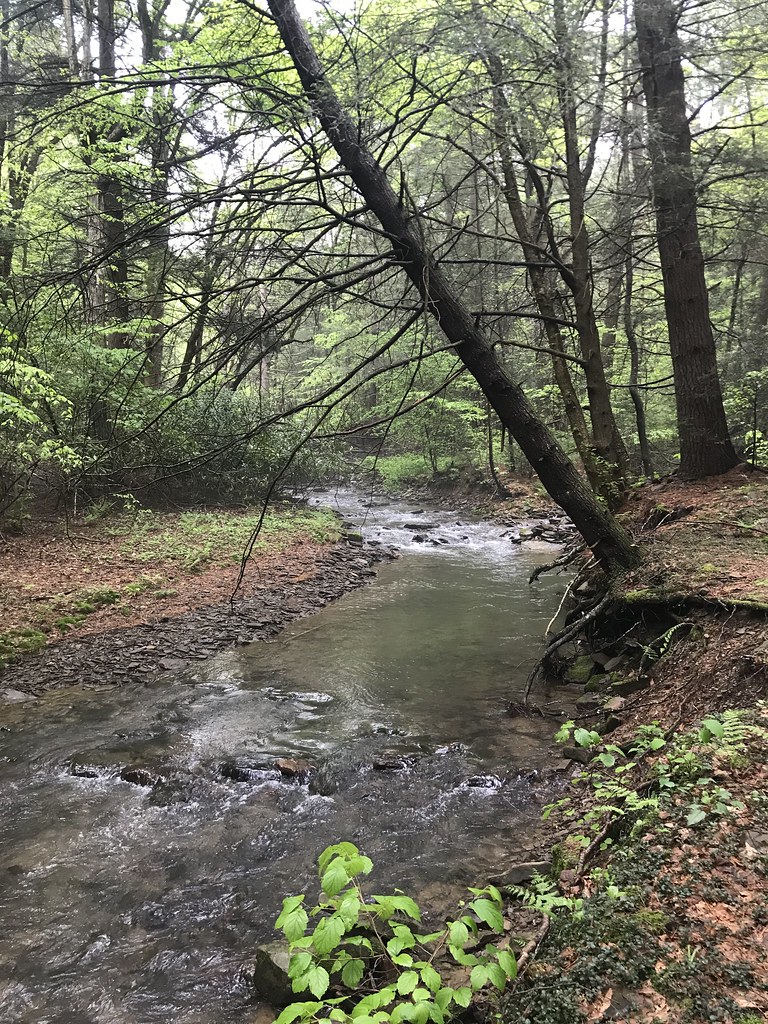
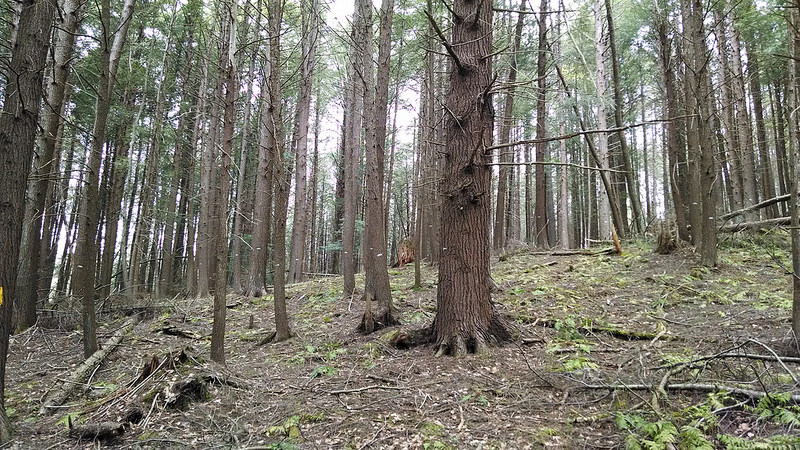
Eastern Hemlock habitat in Garrett Co., Maryland (5/18/2019).
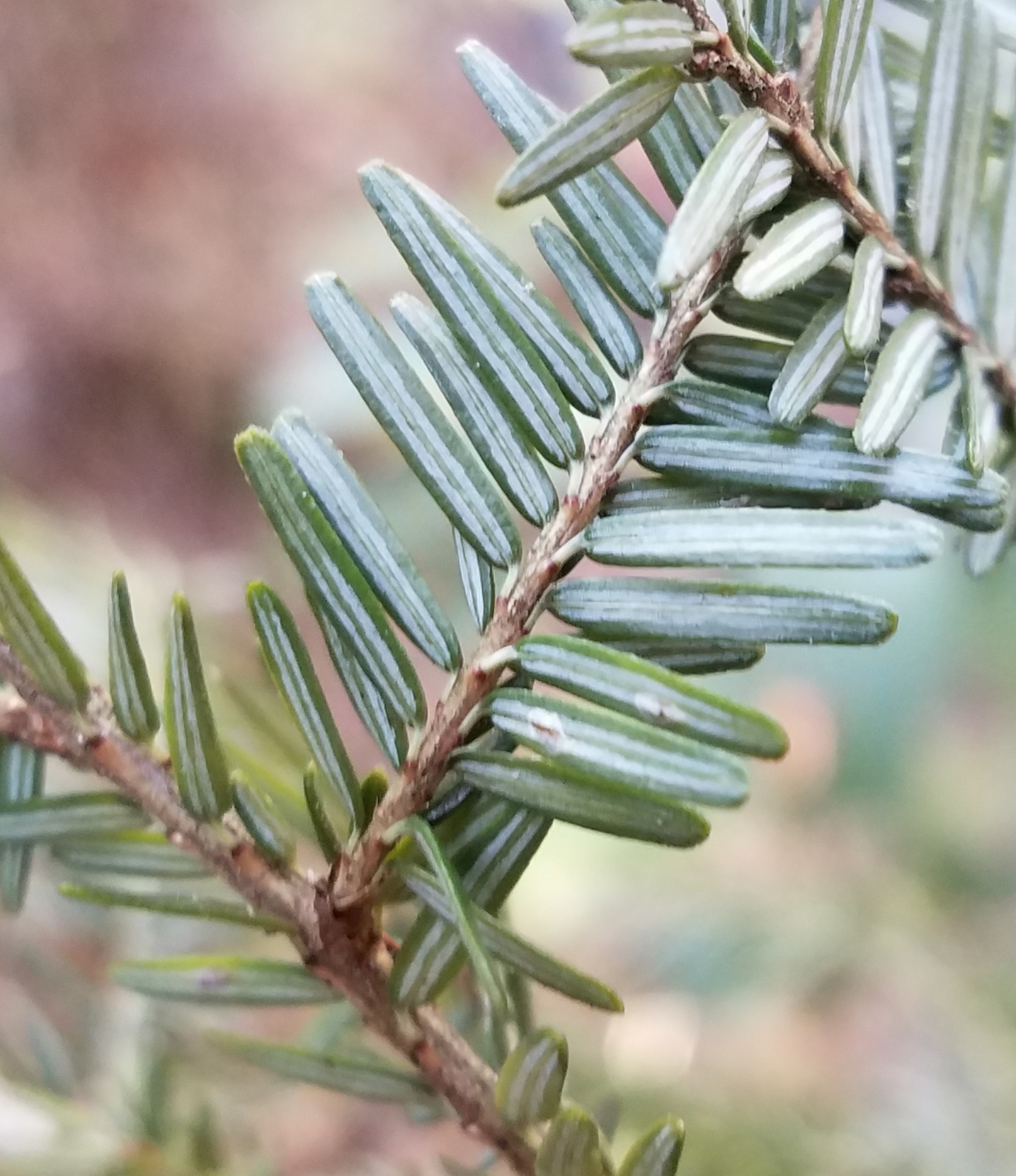
Eastern Hemlock in Baltimore Co., Maryland (12/24/2019). (c) Charlie Davis, some rights reserved (CC BY-NC).

Eastern Hemlock in Baltimore Co., Maryland (12/24/2019). (c) Charlie Davis, some rights reserved (CC BY-NC).
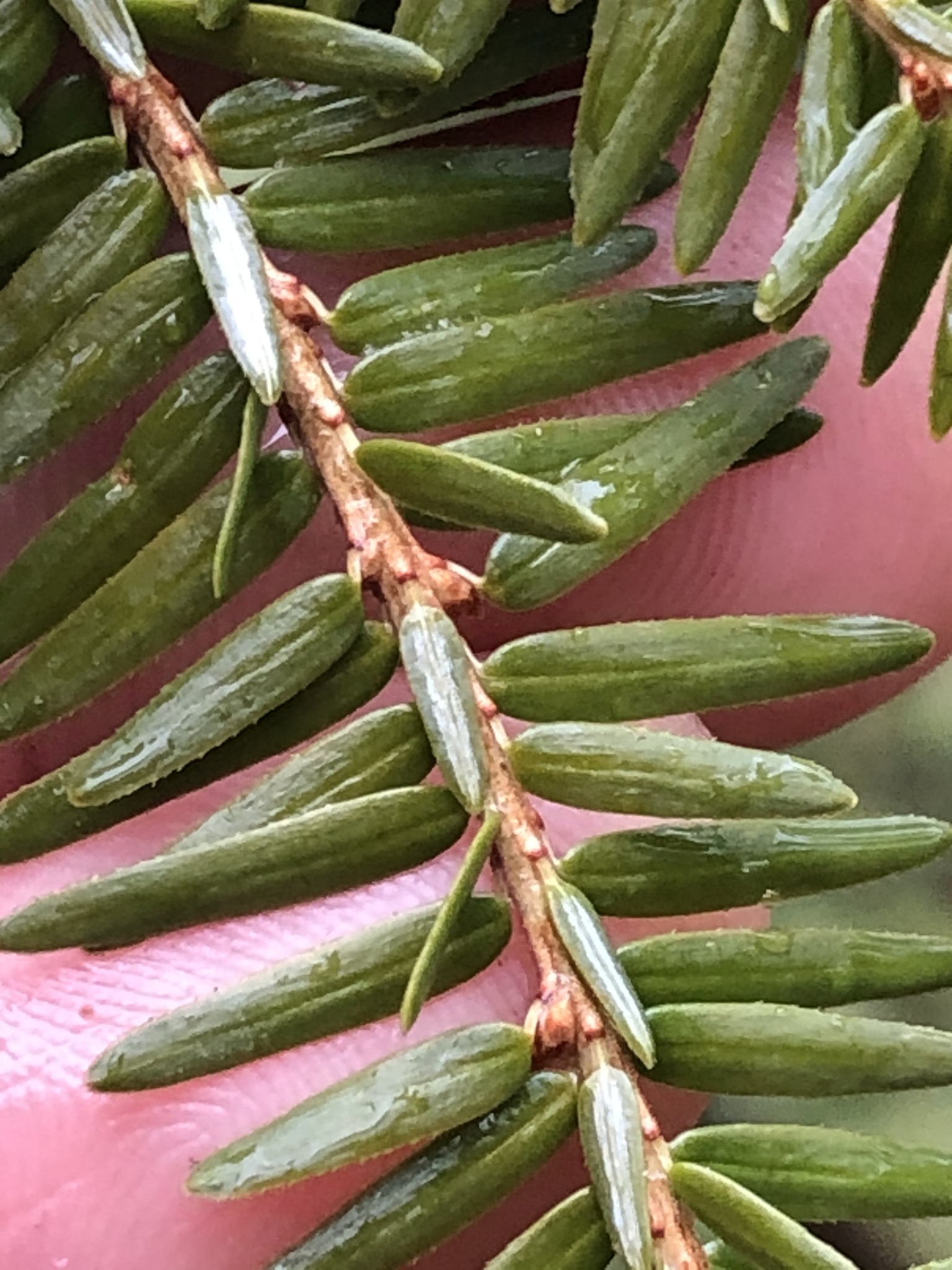
Eastern Hemlock in Baltimore Co., Maryland (2/11/2020). (c) Peter M Martin, some rights reserved (CC BY-NC).
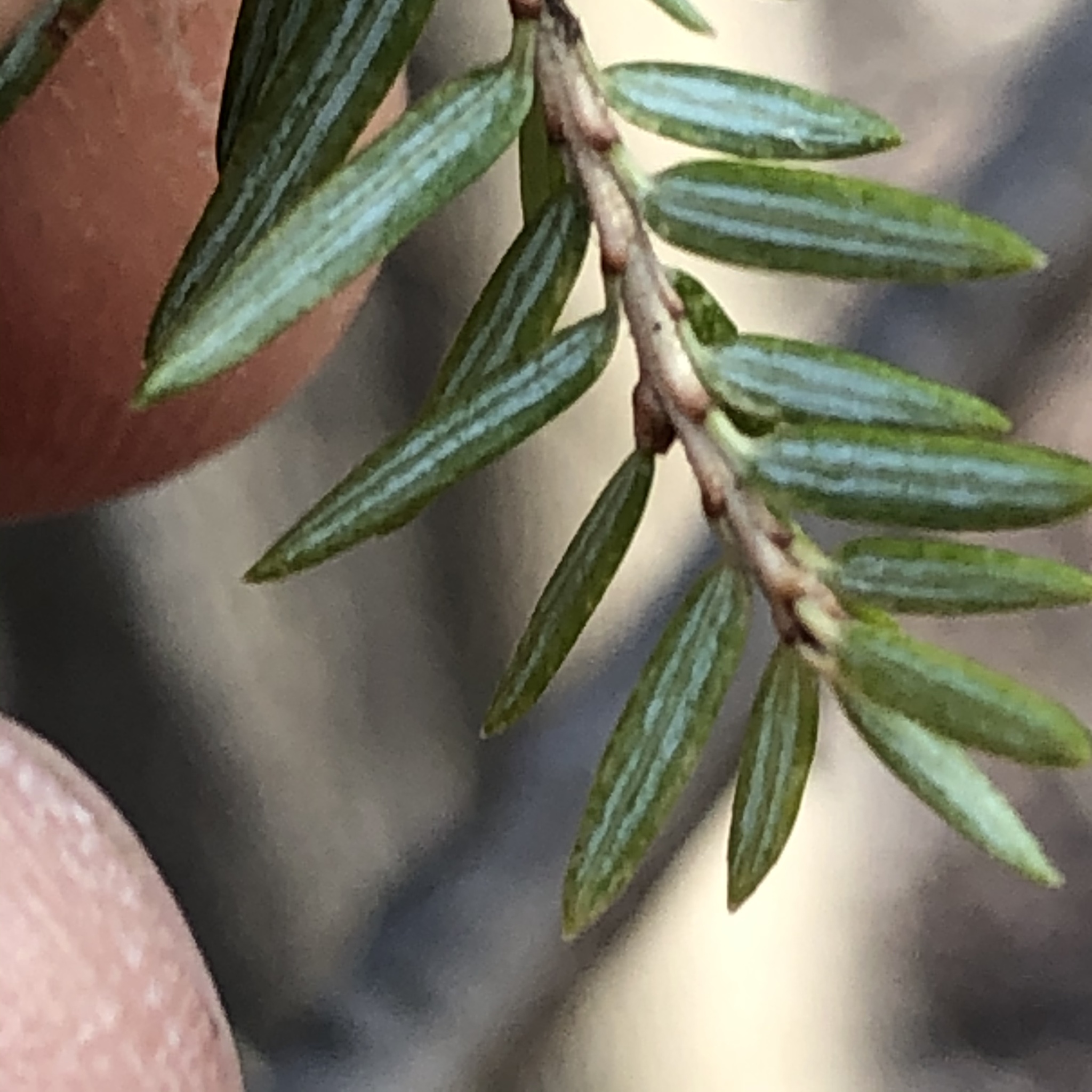
Eastern Hemlock in Baltimore Co., Maryland (2/19/2020). (c) Peter M Martin, some rights reserved (CC BY-NC).
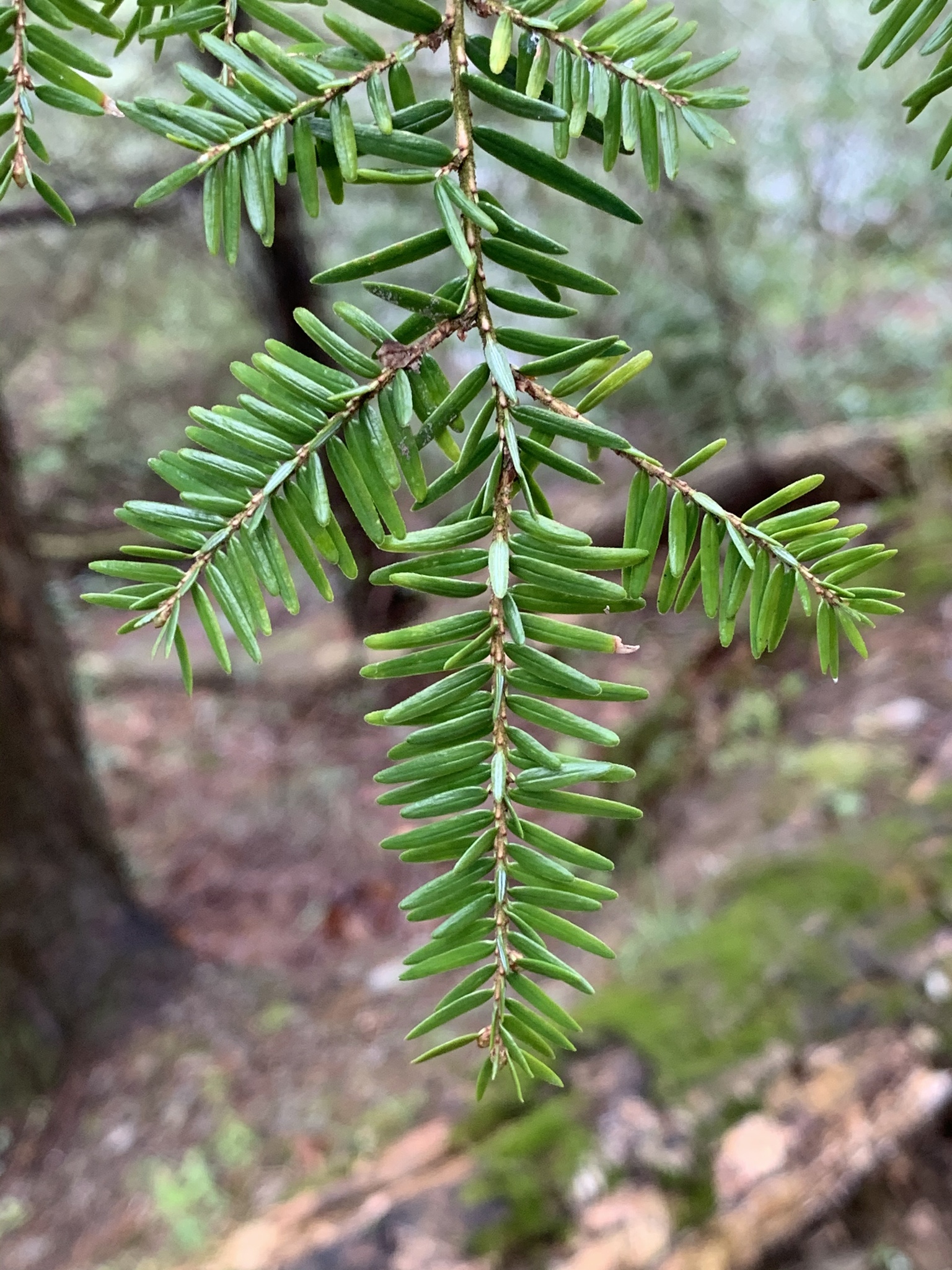
Eastern Hemlock in Baltimore Co., Maryland (4/24/2020). (c) laurabankey, some rights reserved (CC BY-NC).
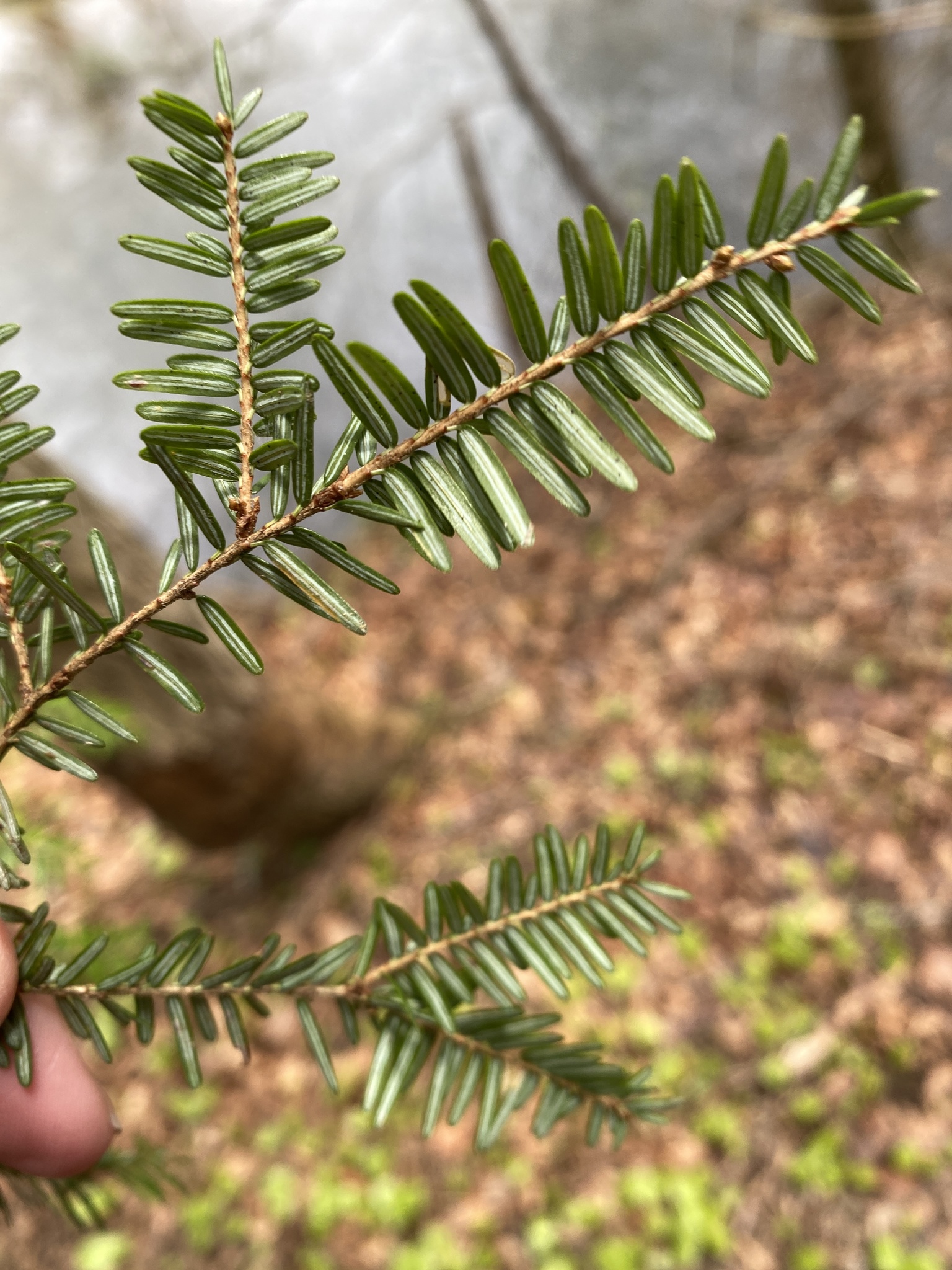
Eastern Hemlock in Baltimore Co., Maryland (4/27/2020). (c) Dwight Johnson, all rights reserved.
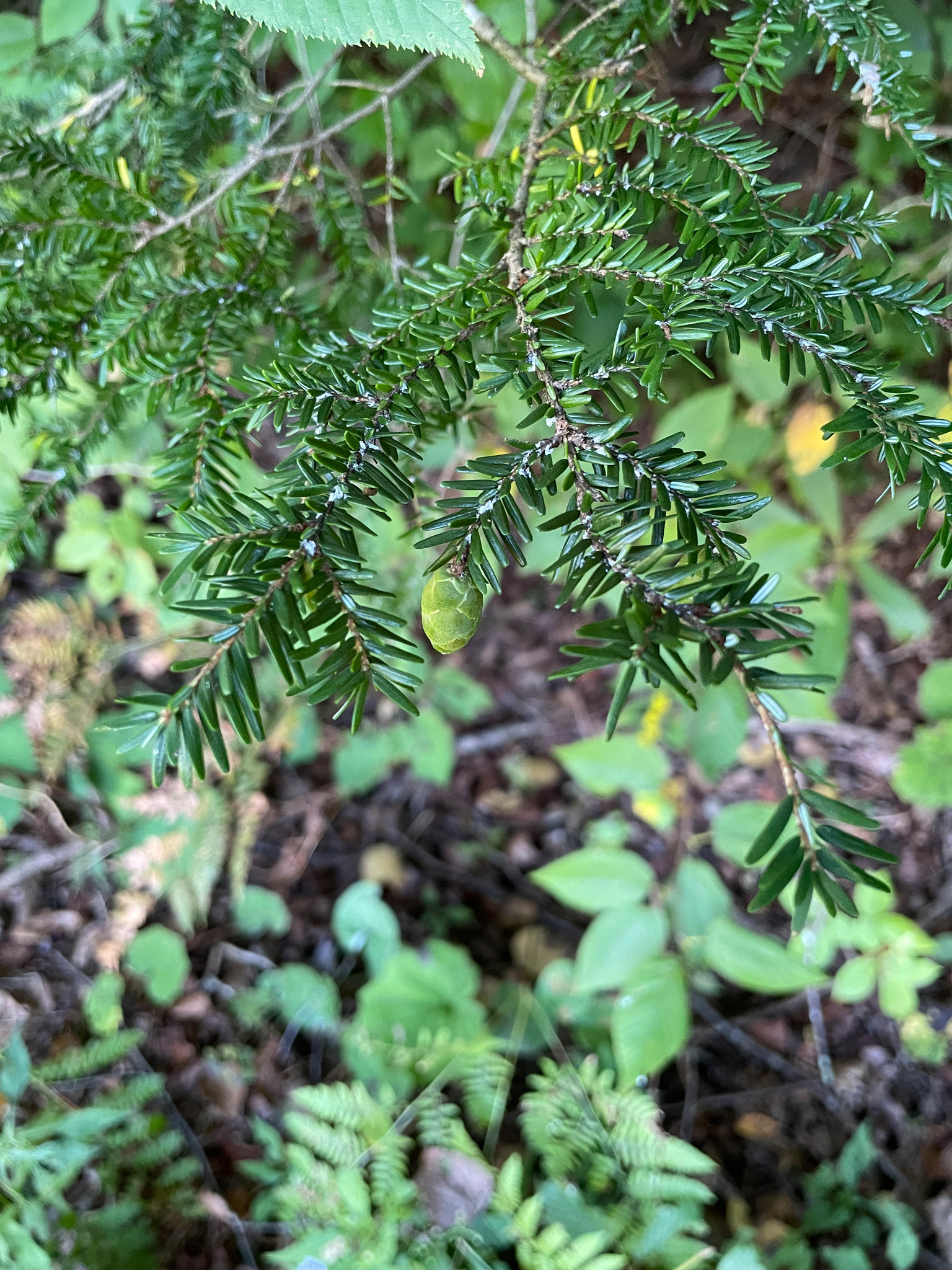
Eastern Hemlock in Garrett Co., Maryland (9/18/2021). (c) johnbotany, some rights reserved (CC BY-NC).
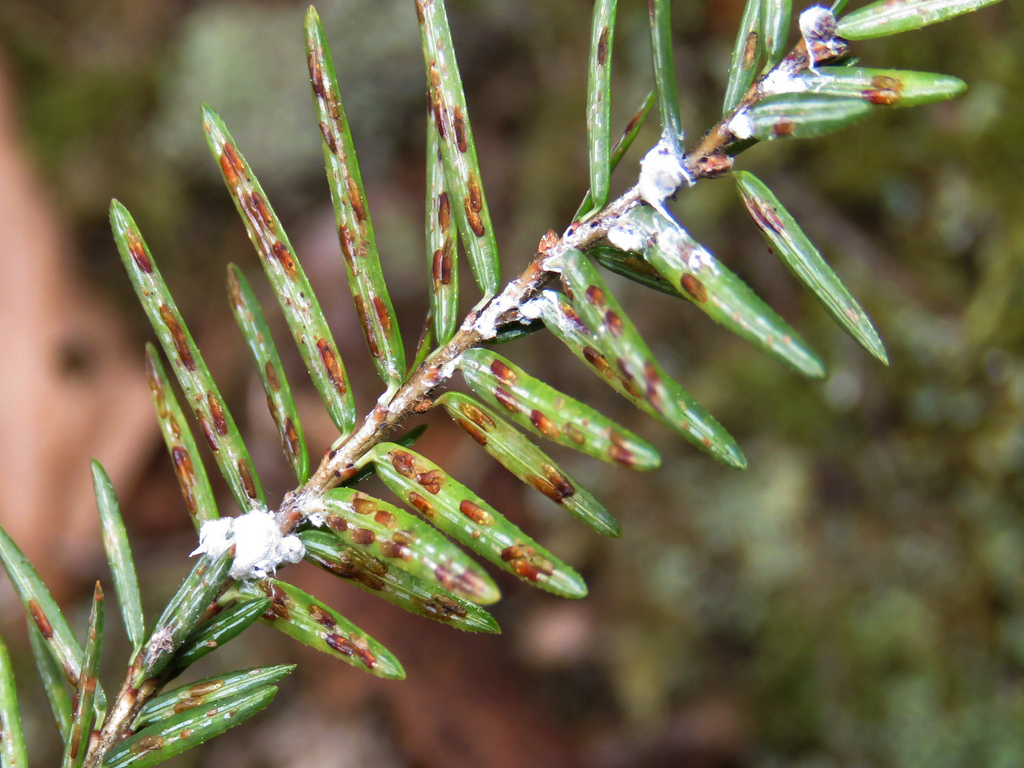
Eastern Hemlock hosting Hemlock Woolly Adelgids in Harford Co., Maryland (4/29/2018).
Eastern Hemlocks in Garrett Co., Maryland (4/19/2014). Trees with silver tags have been treated by Maryland Conservation Corps for Hemlock Woolly Adelgid.
Photo by
Matt Tillett
MBP List
Map Snapshot


335 Records
Status
Eastern Hemlock occurs from Nova Scotia west to Lake Superior, south through the Lake States, in the northeastern United States, and south along the Appalachians to Georgia. Hemlock can grow on many kinds of soils, but develops best on sites with plenty of moisture. It is highly shade tolerant and fire intolerant.
Description
Hemlock's leaves, or needles, are arranged in flat sprays, are not prickly at tips, and have two white stripes on the undersides. Each needle is attached to the twig by a short stalk. Bark is at first flaky or scaly, then becomes furrowed and on mature trees is divided into irregular, rectangular blocks. Seed-bearing cones are small and brown, the individual scales roundish.
Where To Find
Prefers moist soil, and is common in narrow, shaded valleys, mostly in the mountain zone. A stand of unusually large trees grows in Swallow Falls State Park, on the Youghiogheny River in Garrett County (Brown and Brown, 1972). A number of these trees have been treated for the Hemlock Woolly Adelgid, which has been killing hemlocks throughout their range. (For details on treatment, see the Maryland Department of Agriculture Hemlock Woolly Adelgid Management Plan, online.)
Relationships
Highly threatened by the Hemlock Woolly Adelgid. A variety of moth species use Eastern Hemlock as a host plant including Comstock's Sallow Moth, Northern Pine Tussock Moth, Larch Tolype, Northern Variable Dart, Gray Spruce Looper Moth, Black Zigzag Moth, Pale-winged Gray Moth, White Triangle Tortrix Moth, and Angle-winged Emerald.
Deer browse the twigs. Red Squirrels and a few songbirds eat the seeds and Ruffed Grouse eat the buds and leaves (Brown and Brown, 1972).
Deer browse the twigs. Red Squirrels and a few songbirds eat the seeds and Ruffed Grouse eat the buds and leaves (Brown and Brown, 1972).
Citations
No citations linked for this taxon yet.
Use of media featured on Maryland
Biodiversity Project is only permitted with express permission of the
photographer.
Eastern Hemlock in Garrett Co., Maryland (6/2008).
Media by
Bill Hubick.
Eastern Hemlock in Anne Arundel Co., Maryland (3/4/2011).
View Record Details
Media by
Bill Harms.
An Eastern Hemlock, with its typically small cones, in Canaan Valley, Tucker Co., West Virginia (7/9/2012).
Media by
Jim Brighton.
Eastern Hemlock in Baltimore Co., Maryland (3/19/2017).
View Record Details
Media by
Bill Harms.
Eastern Hemlock in Allegany Co., Maryland (6/26/2015).
View Record Details
Media by
Bill Hubick.
An Eastern Hemlock in Garrett Co., Maryland (1/10/2020).
View Record Details
Media by
William Blauvelt.
Eastern Hemlock in Howard Co., Maryland (12/19/2018).
View Record Details
Media by
Matthew Beziat.
Eastern Hemlock in Garrett Co., Maryland (6/8/2014).
View Record Details
Media by
Kimberly Booth.
The trunk of an Eastern Hemlock in Garrett Co., Maryland (10/3/2018).
View Record Details
Media by
Josh Emm.
Eastern Hemlock in Howard Co., Maryland (3/19/2017).
View Record Details
Media by
Bill Harms.
Eastern Hemlock habitat in Garrett Co., Maryland (5/18/2019).
View Record Details
Media by
Jim Brighton.
Eastern Hemlock in Baltimore Co., Maryland (12/24/2019). (c) Charlie Davis, some rights reserved (CC BY-NC).
View Record Details
Media by
Charlie Davis.
Eastern Hemlock in Baltimore Co., Maryland (12/24/2019). (c) Charlie Davis, some rights reserved (CC BY-NC).
View Record Details
Media by
Charlie Davis.
Eastern Hemlock in Baltimore Co., Maryland (2/11/2020). (c) Peter M Martin, some rights reserved (CC BY-NC).
View Record Details
Media by
Peter M Martin via iNaturalist.
Eastern Hemlock in Baltimore Co., Maryland (2/19/2020). (c) Peter M Martin, some rights reserved (CC BY-NC).
View Record Details
Media by
Peter M Martin via iNaturalist.
Eastern Hemlock in Baltimore Co., Maryland (4/24/2020). (c) laurabankey, some rights reserved (CC BY-NC).
View Record Details
Media by
laurabankey via iNaturalist.
Eastern Hemlock in Baltimore Co., Maryland (4/27/2020). (c) Dwight Johnson, all rights reserved.
View Record Details
Media by
Dwight Johnson.
Eastern Hemlock in Garrett Co., Maryland (9/18/2021). (c) johnbotany, some rights reserved (CC BY-NC).
View Record Details
Media by
John Hall.
Eastern Hemlock hosting Hemlock Woolly Adelgids in Harford Co., Maryland (4/29/2018).
View Record Details
Media by
Josh Emm.
Eastern Hemlocks in Garrett Co., Maryland (4/19/2014). Trees with silver tags have been treated by Maryland Conservation Corps for Hemlock Woolly Adelgid.
Media by
Matt Tillett.