



Map Snapshot


40 Records
Description
Citations
No citations linked for this taxon yet.
Source: Wikipedia
| Aedes vexans | |
|---|---|
.jpg)
| |
Scientific classification 
| |
| Kingdom: | Animalia |
| Phylum: | Arthropoda |
| Clade: | Pancrustacea |
| Class: | Insecta |
| Order: | Diptera |
| Family: | Culicidae |
| Genus: | Aedes |
| Subgenus: | Aedimorphus |
| Species: | A. vexans
|
| Binomial name | |
| Aedes vexans (Meigen), 1830
| |
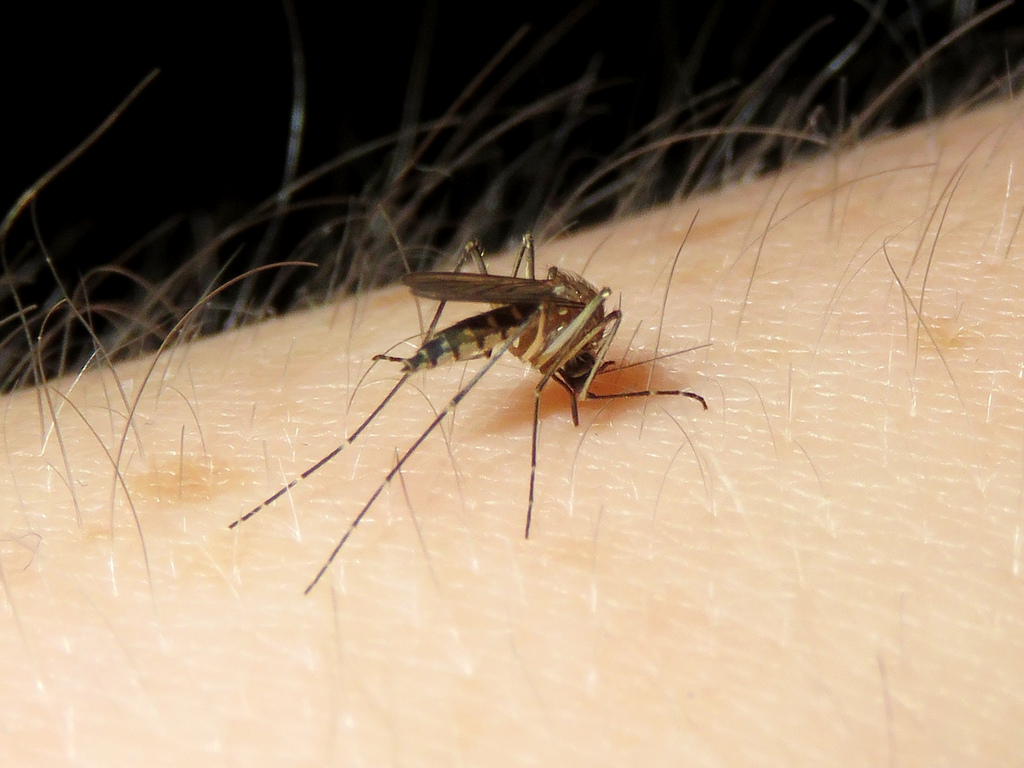
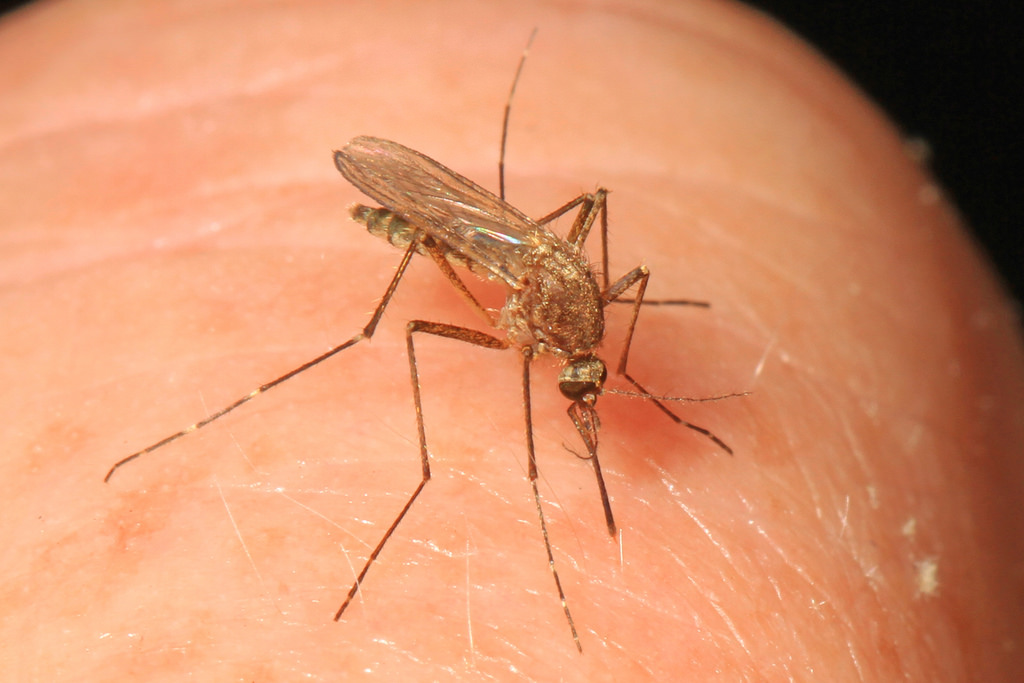
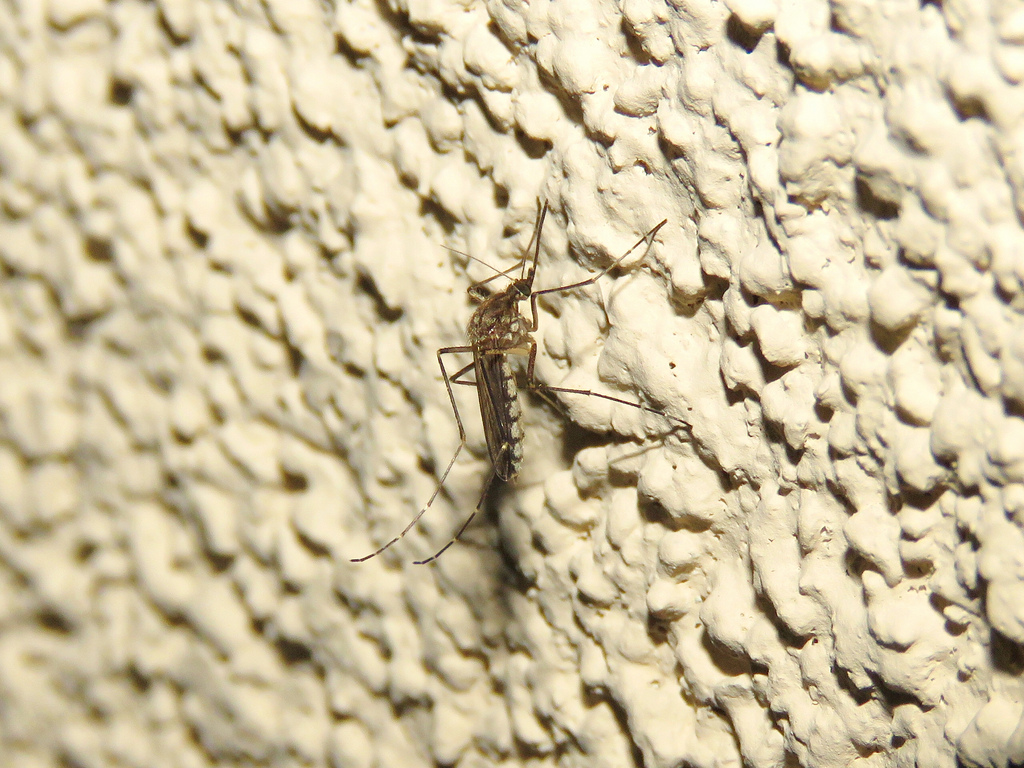
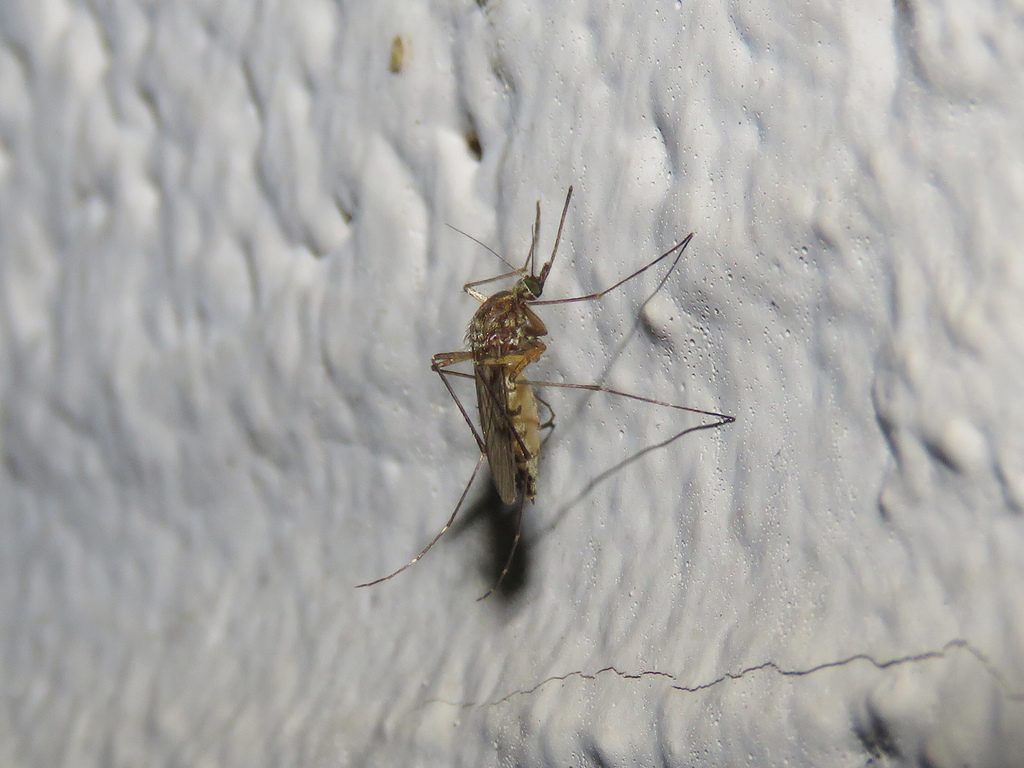
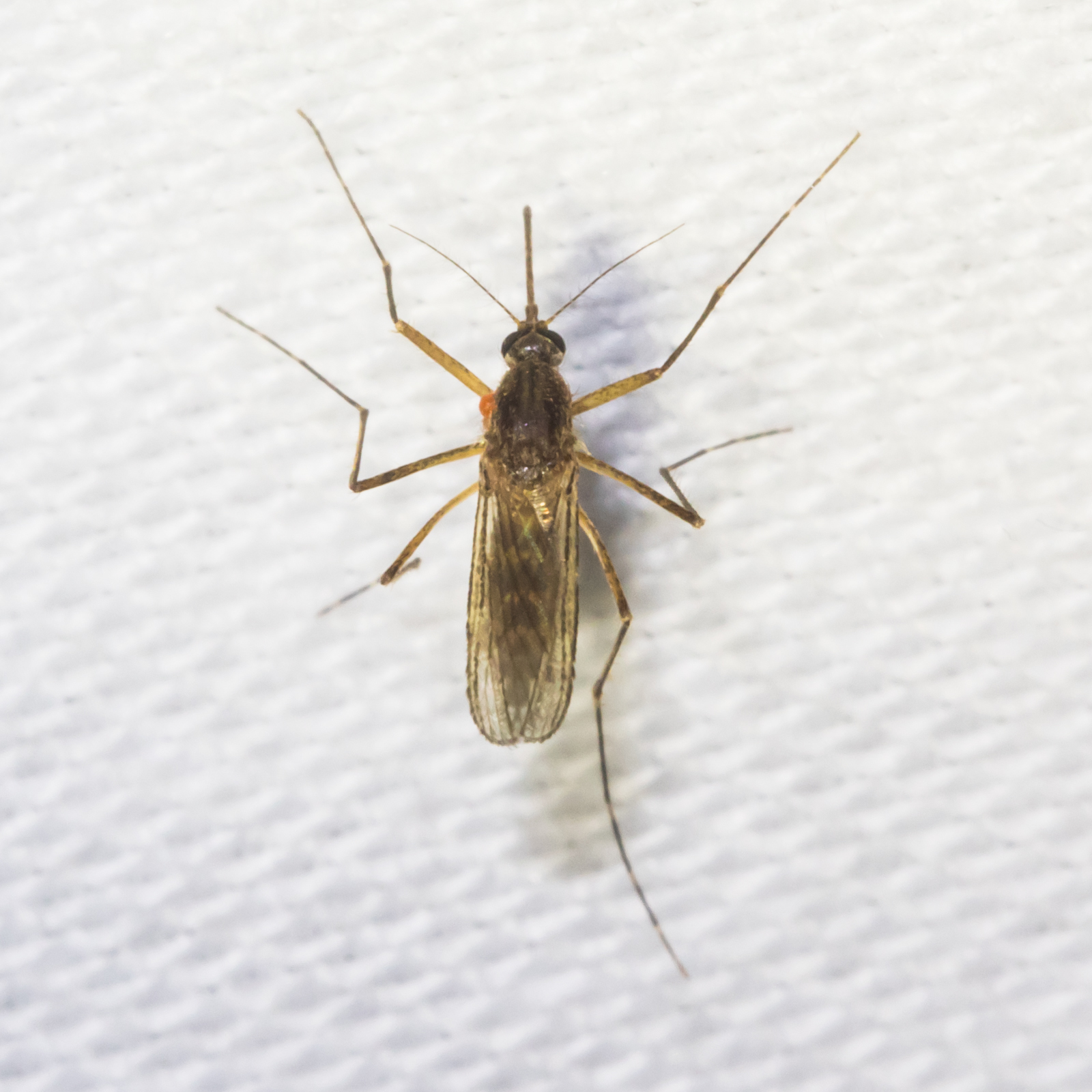
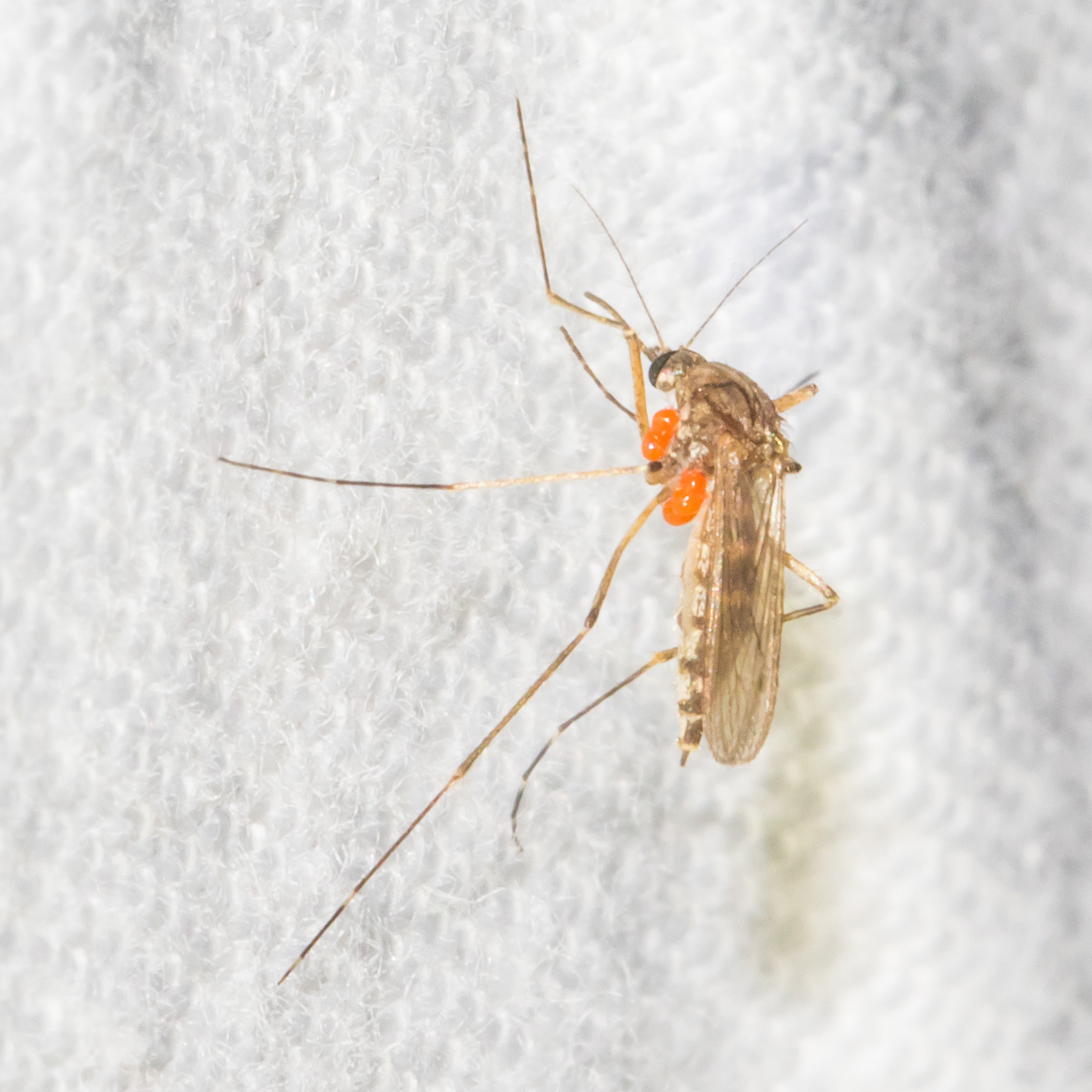
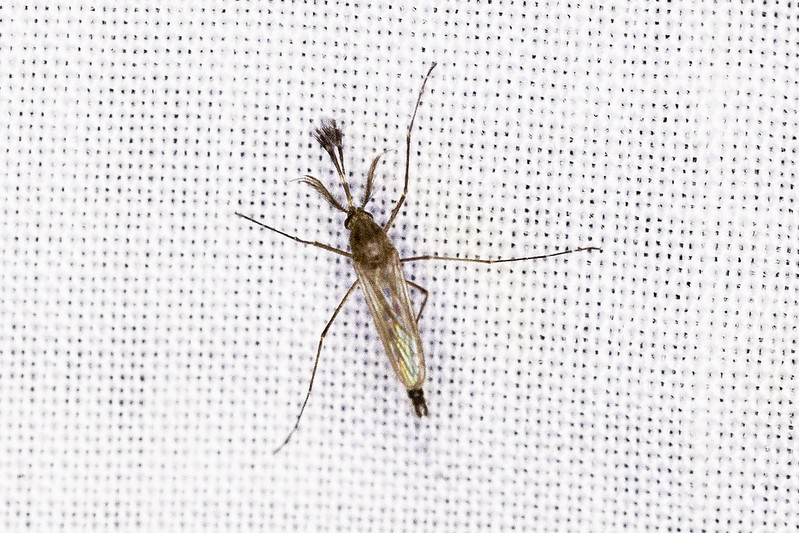
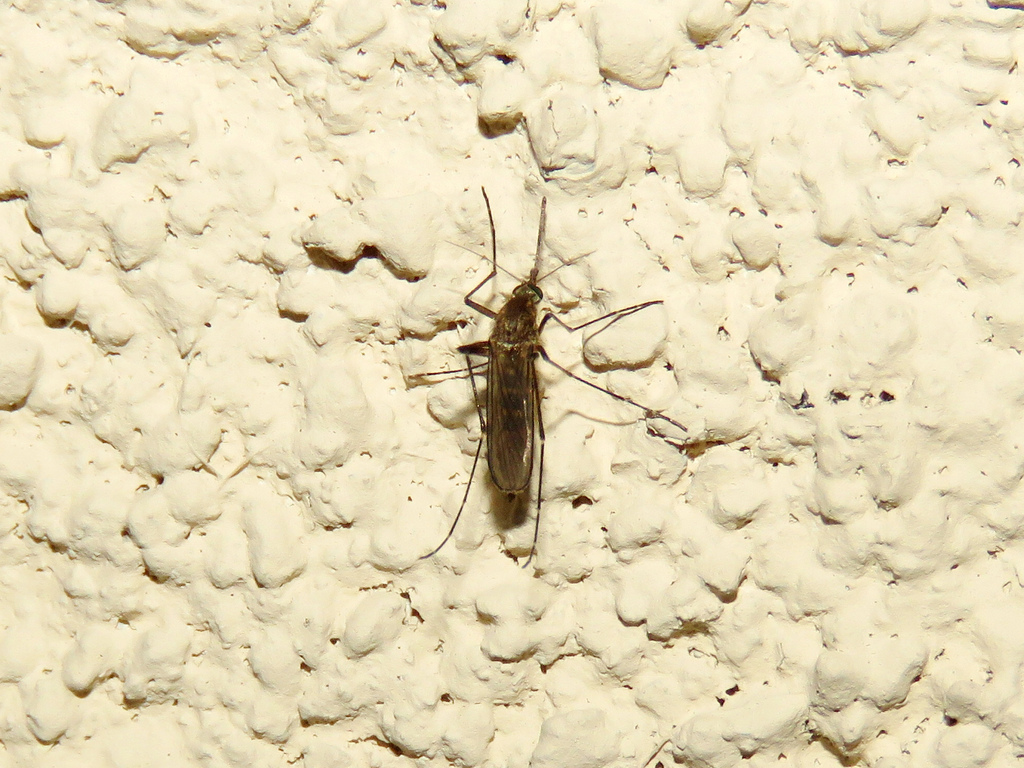
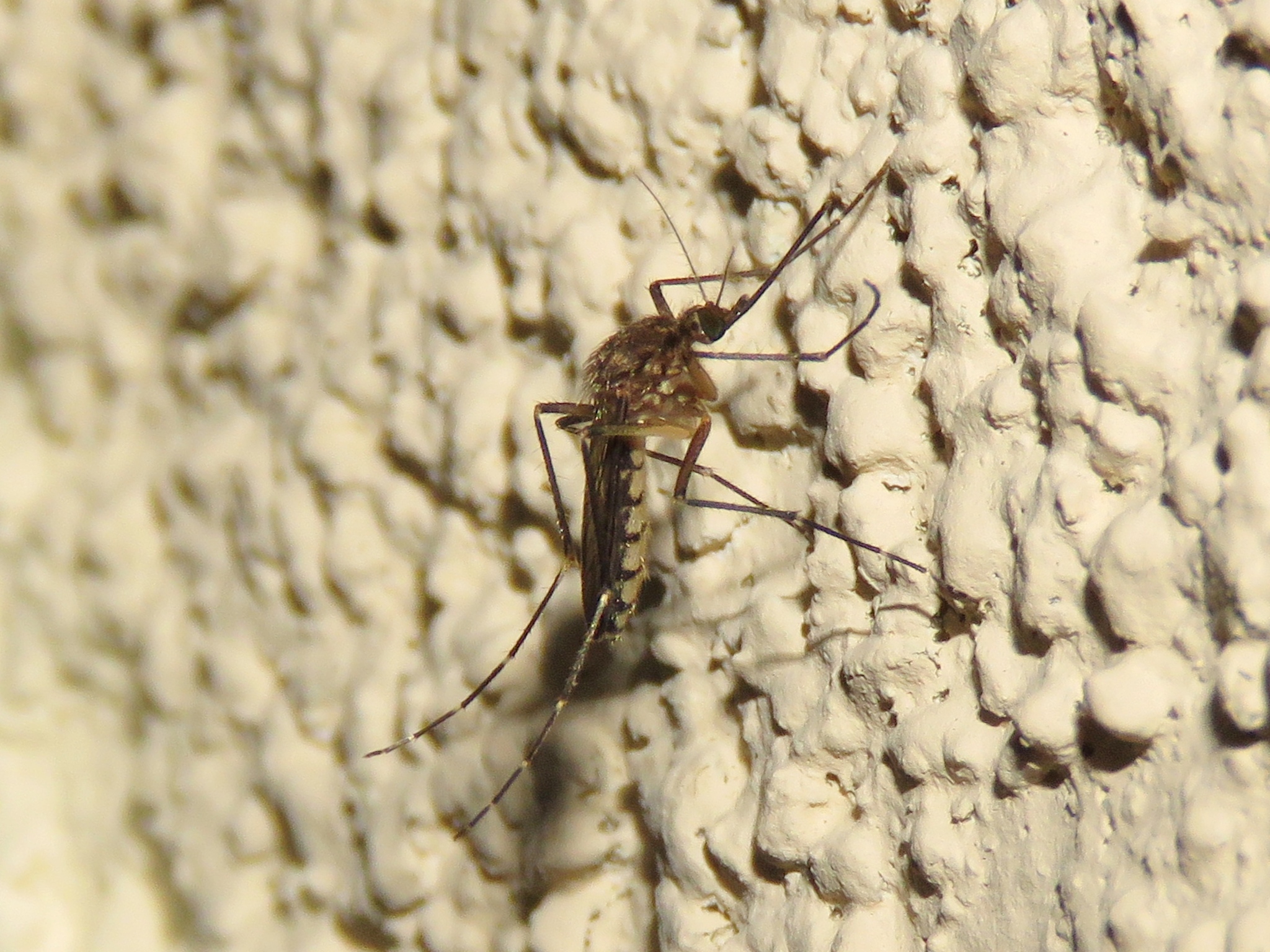
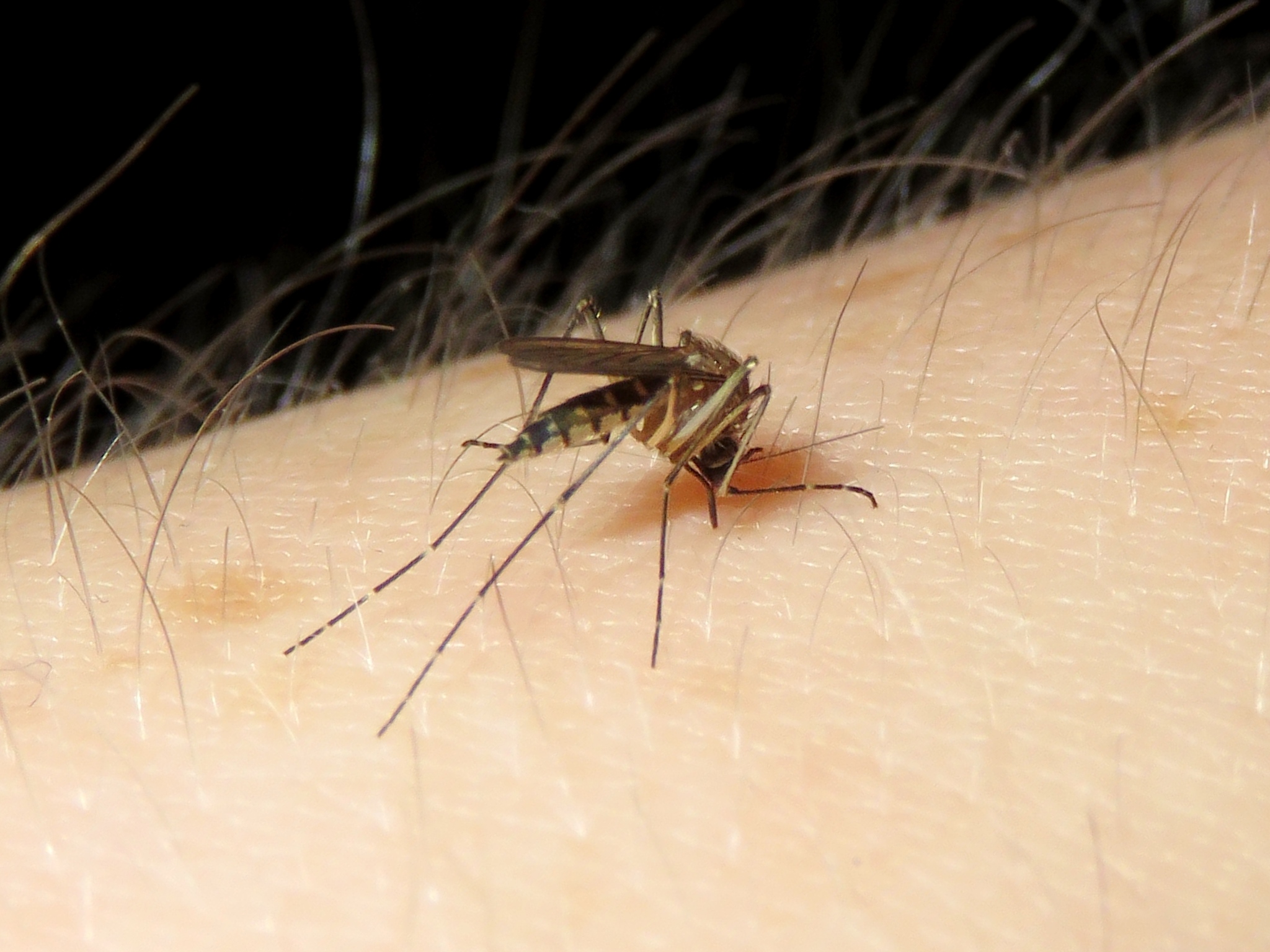
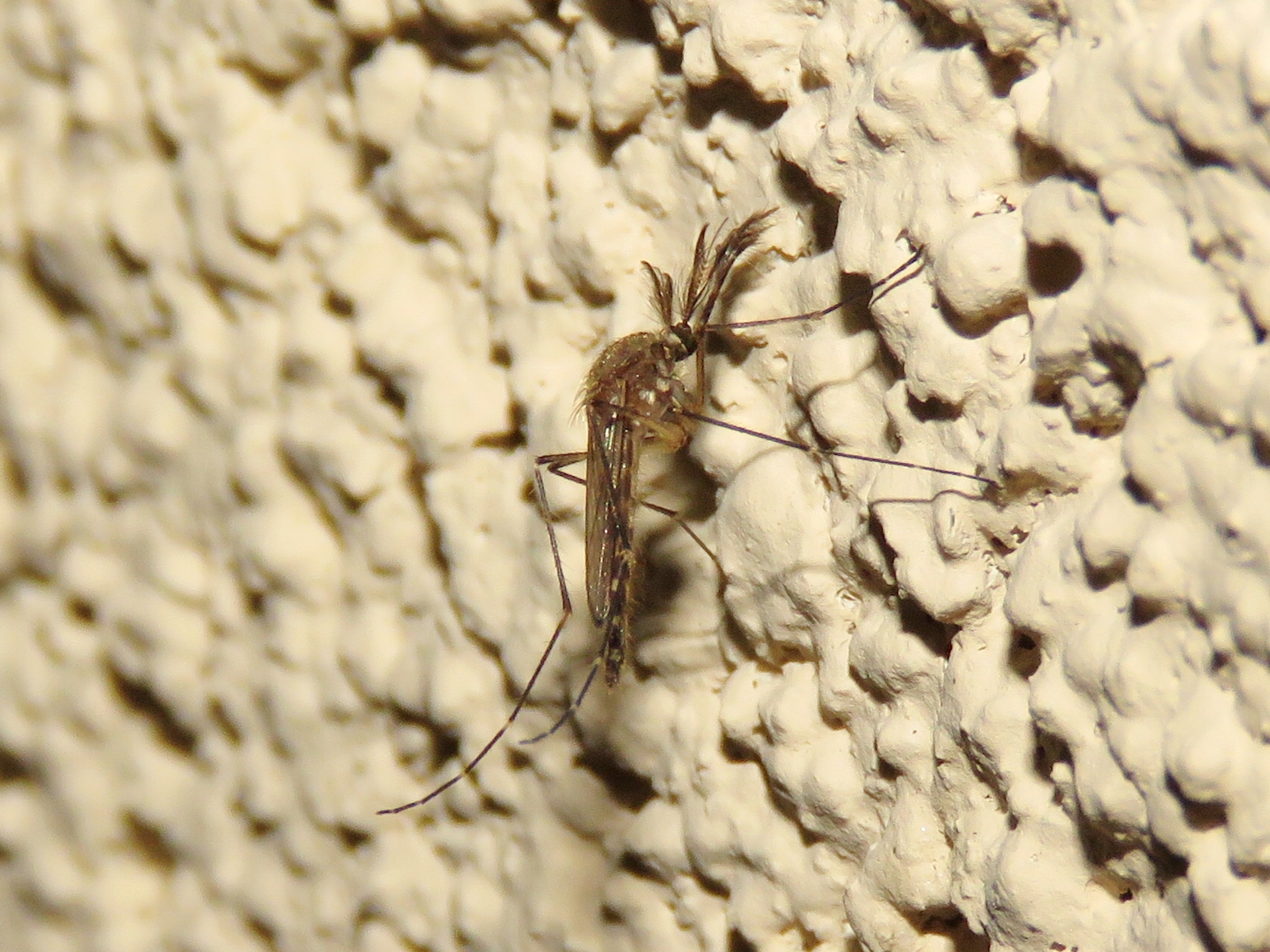
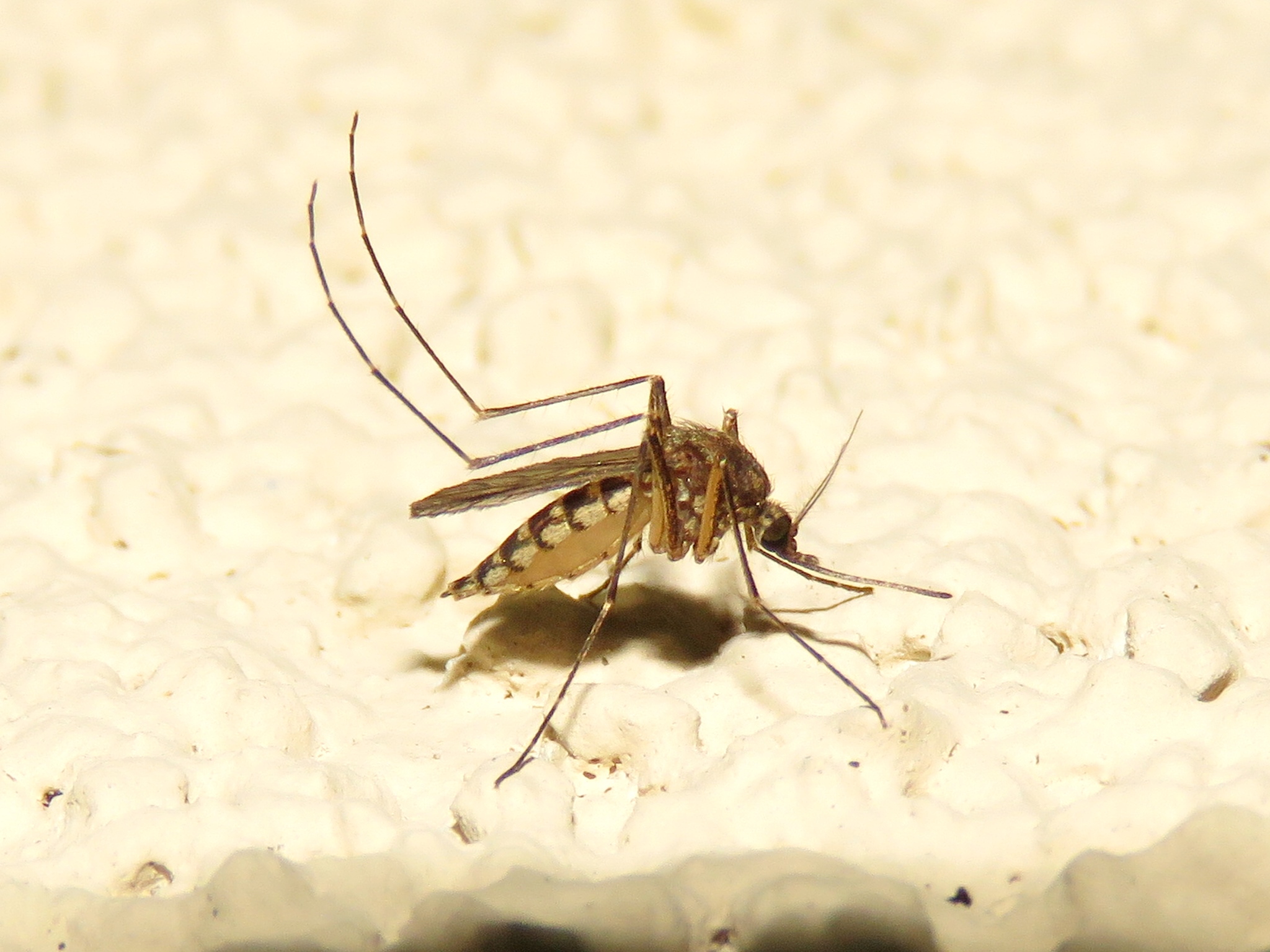
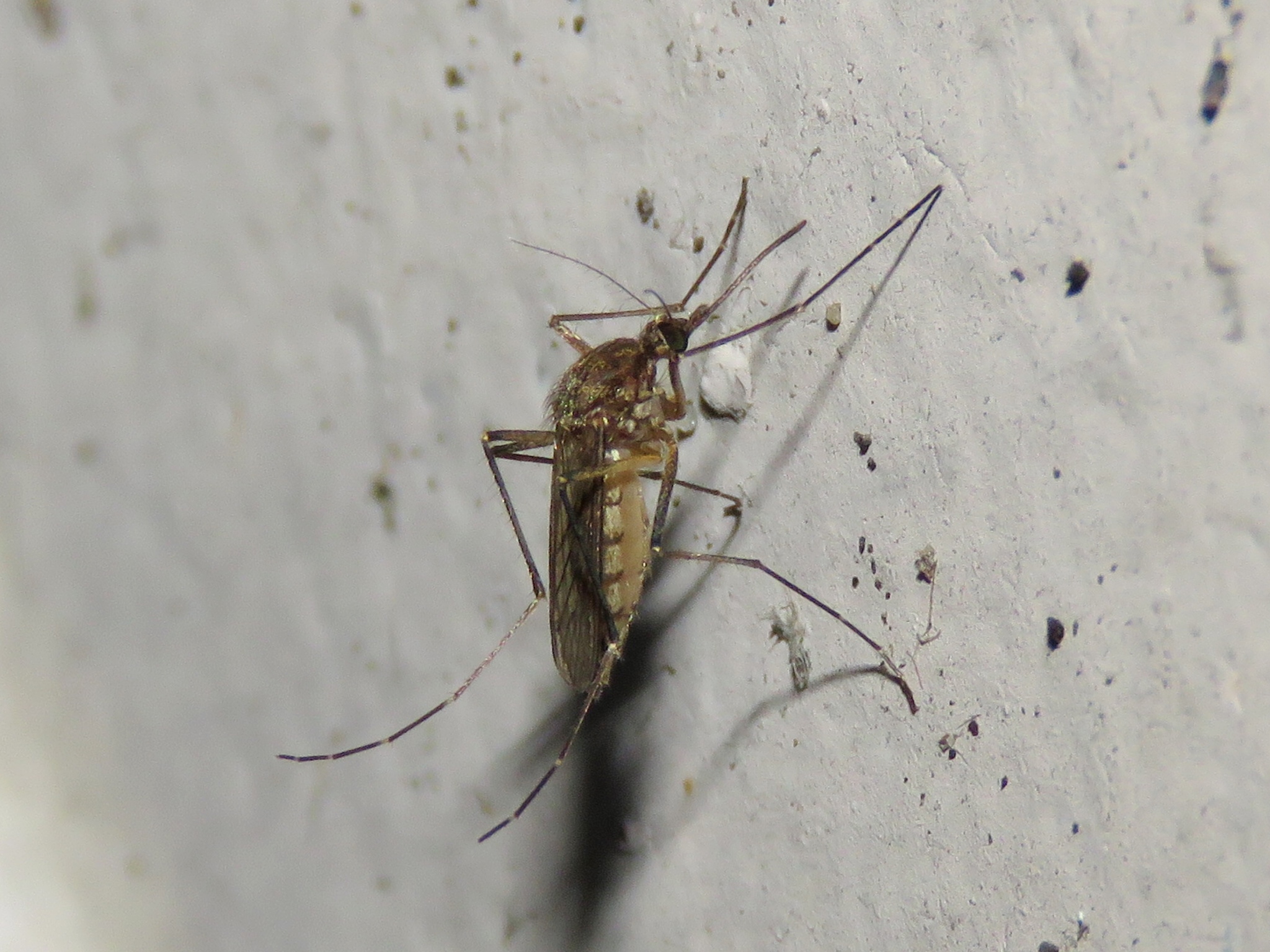
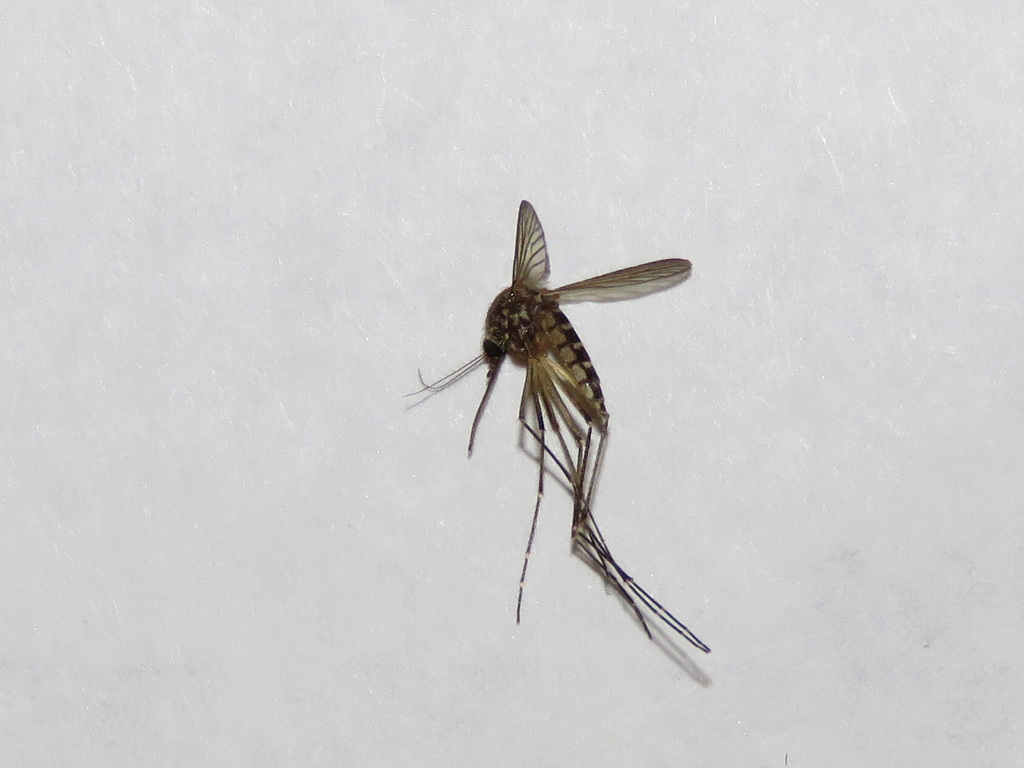
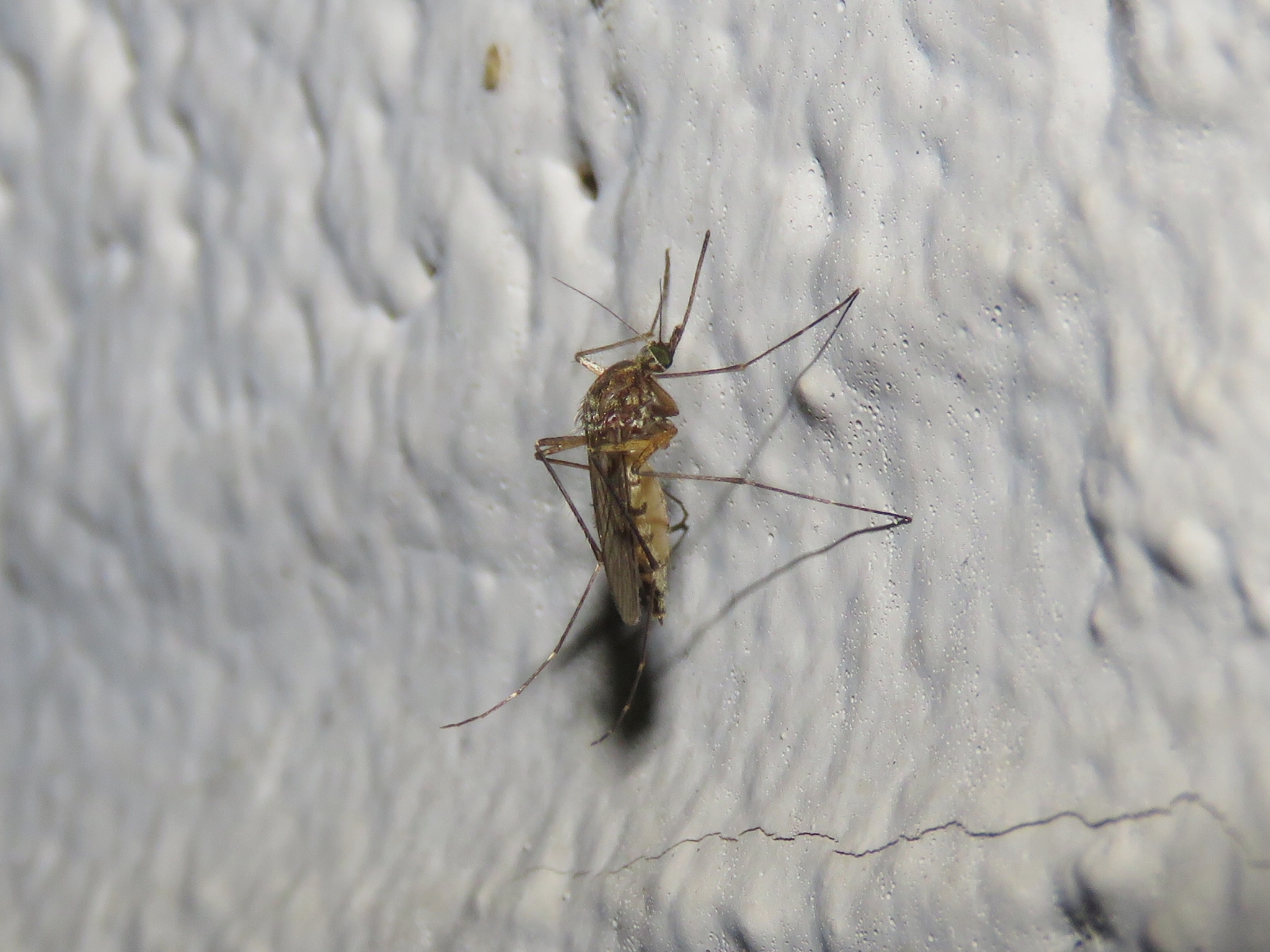
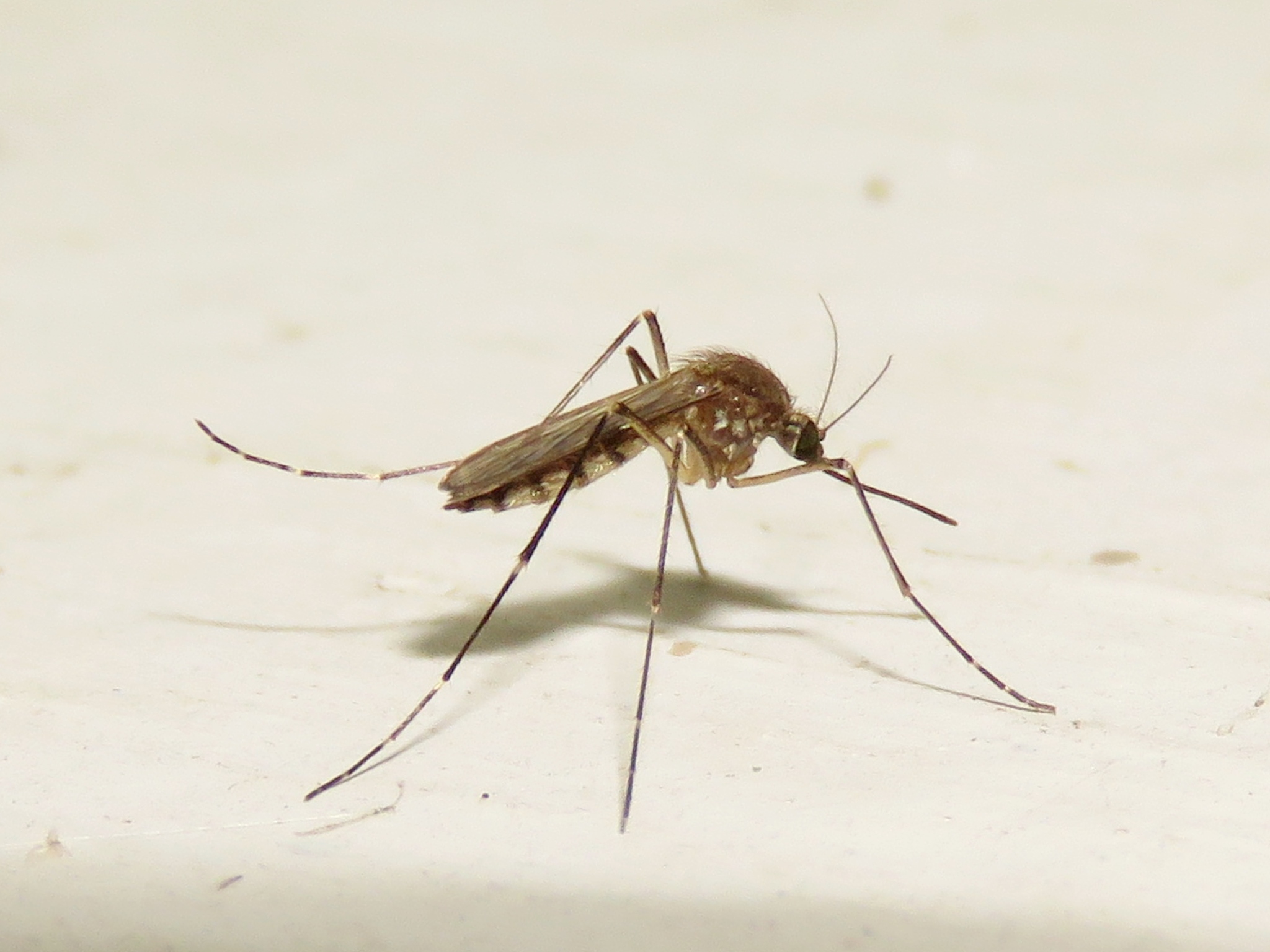
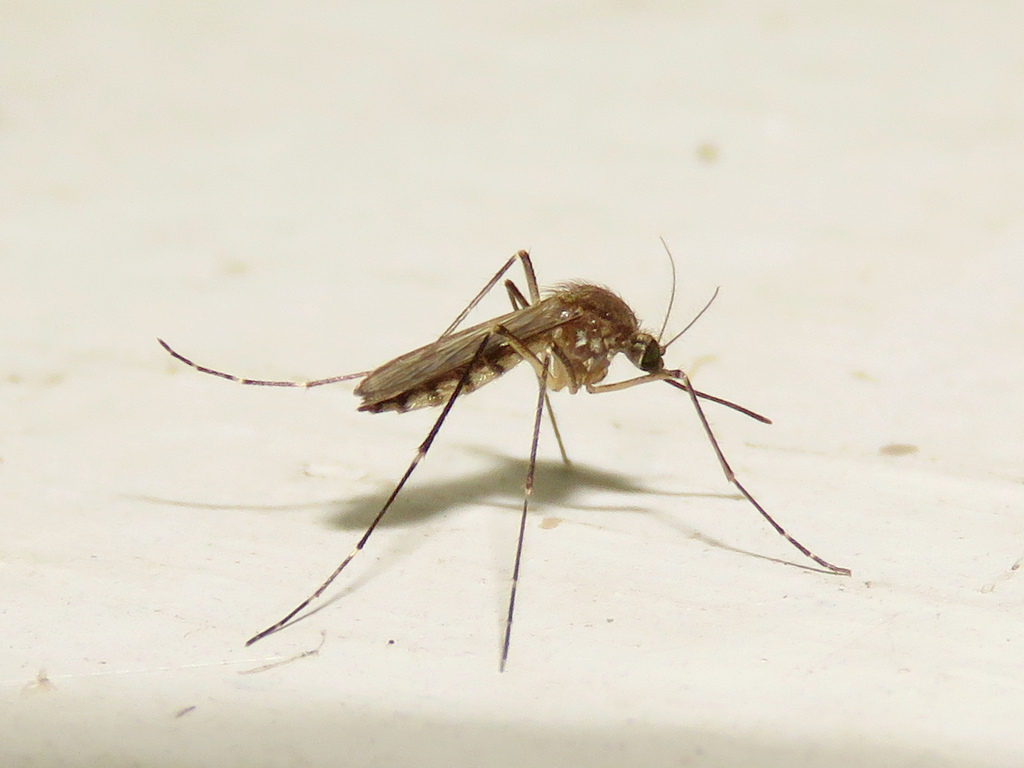
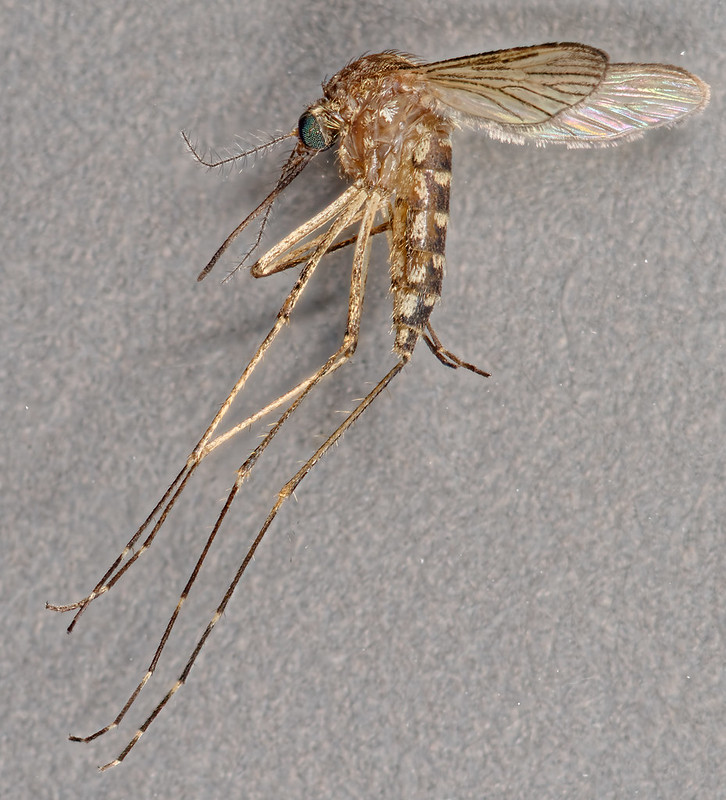
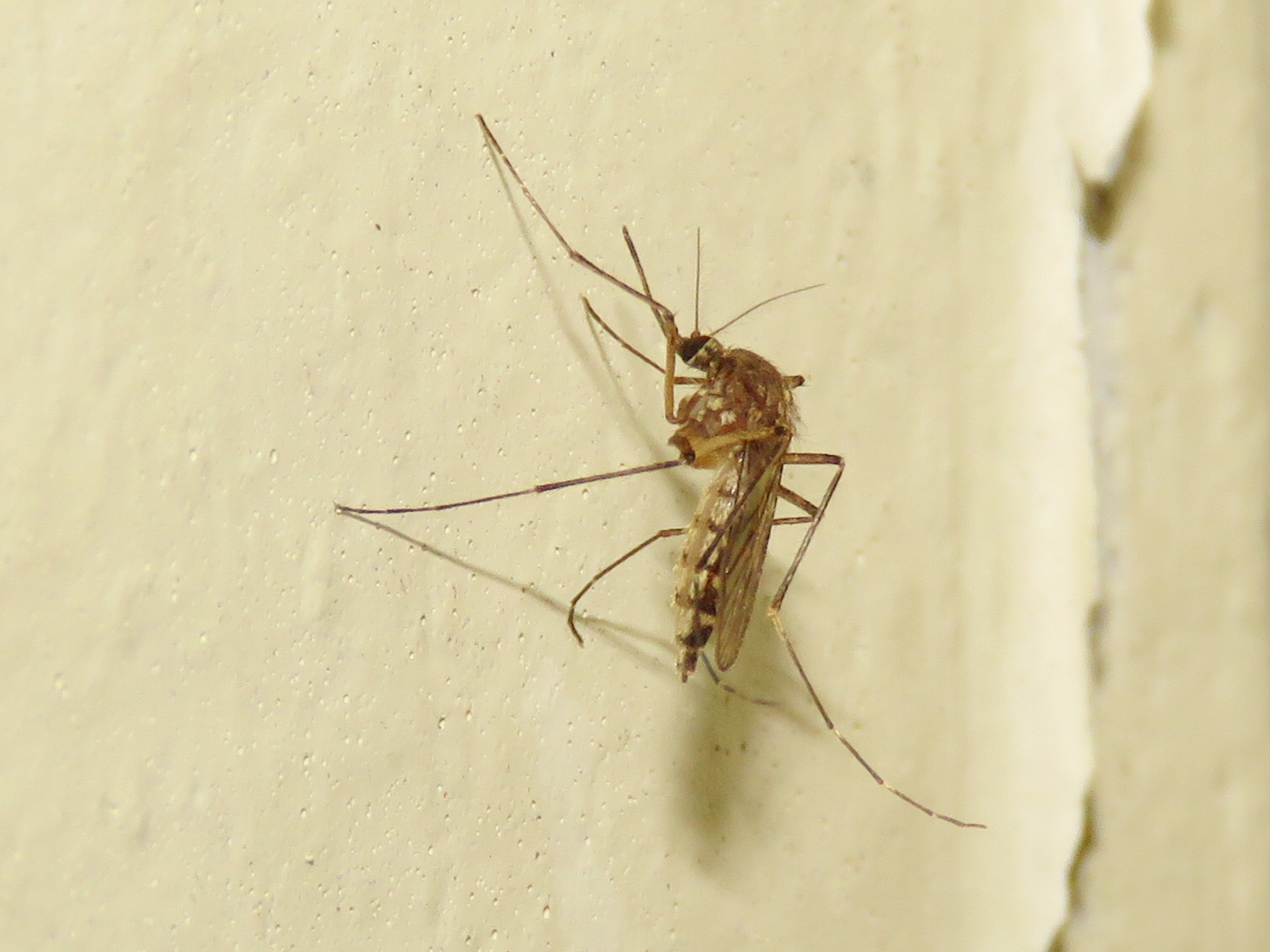
Aedes vexans, commonly known as the inland floodwater mosquito or tomguito, is a widespread and frequently encountered pest mosquito with a cosmopolitan distribution, occurring across North America, Europe, Asia, and Africa.[1]
Description
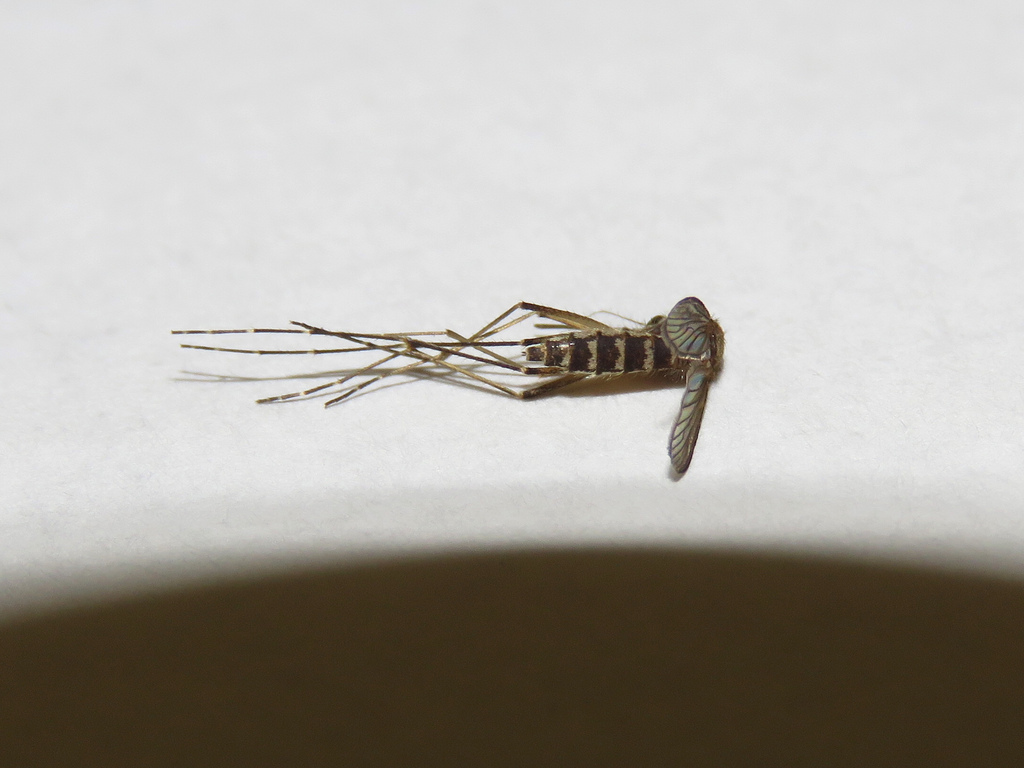
[edit]The adult female A. vexans is characterized by a bandless proboscis with white ventral scales, short, brown scales on the scutum, and B-shaped markings (when viewed from the side) on each abdominal tergite.[2] Only females take blood meals, showing a preference for humans and cattle, while males feed exclusively on nectar, honeydew, and sap—sources that females also utilize, though infrequently.[3] This species is commonly found in habitats such as grassy pools, partially shaded woodland pools, roadside ditches, and cultivated fields.[4]
Lifecycle
[edit]After a blood meal, the female A. vexans deposits her eggs in areas prone to flooding, where they remain dormant until inundated, triggering hatching.[5] In temperate regions, larvae are present from April to September, and adults are active from May to October.[4]
Medical importance
[edit]A. vexans is a recognized vector for several pathogens:
- Dirofilaria immitis (dog heartworm), transmitted to canines.[6]
- Tahyna virus, a Bunyaviridae virus affecting humans in Europe, causing fever that typically resolves within two days but may progress to encephalitis or meningitis in rare cases.[7]
- Myxomatosis, a viral disease fatal to rabbits, though A. vexans’ role as a vector is less definitive and may be region-specific.[8]
- West Nile virus, affects mainly birds, humans and horses; found in mosquitoes collected in the UK in 2023, published in May 2025.[9]
In Europe, A. vexans is the predominant mosquito species, often accounting for over 80% of the mosquito population in certain areas, with abundance tied to floodwater availability.[10] During summer, trap collections can yield up to 8,000 individuals per night.[10] The species has demonstrated a higher transmission efficiency for Zika virus compared to A. aegypti, enhancing its potential as a vector in northern latitudes beyond the range of primary vectors A. aegypti and A. albopictus, due to its wide distribution, periodic high abundance, and aggressive human-biting behavior.[11]
Additionally, A. vexans harbors insect-specific viruses, including Chaoyang virus[12] and Aedes vexans Iflavirus,[13] which do not affect humans or other vertebrates but are of interest in virological studies.
References
[edit]- ^ "Aedes vexans (Meigen, 1830)". Walter Reed Biosystematics Unit. Retrieved 2025-03-30.
- ^ Carpenter, S.J.; LaCasse, W.J. (1955). Mosquitos of North America (North of Mexico). University of California Press. pp. 123–125.
- ^ Horsfall, W.R. (1955). Mosquitos: Their Bionomics and Relation to Disease. Ronald Press Co. pp. 150–152.
- ^ a b "Species Aedes vexans - Inland Floodwater Mosquito". BugGuide. Retrieved 2025-03-30.
- ^ Horsfall, W.R. (1955). Mosquitos: Their Bionomics and Relation to Disease. Ronald Press Co. pp. 150–152.
- ^ Ledesma, N.; Harrington, L. (2011). "Mosquito vectors of dog heartworm in the United States". Veterinary Parasitology. 180 (1–2): 101–108. doi:10.1016/j.vetpar.2011.05.042.
- ^ Hubálek, Z. (2008). "Mosquito-borne viruses in Europe". Parasitology Research. 103 (Suppl 1): S29–S43. doi:10.1007/s00436-008-1064-7.
- ^ Kerr, P.J. (2012). "Myxomatosis in Australia: A historical perspective". Journal of Wildlife Diseases. 48 (4): 807–815. doi:10.7589/2012-03-086.
- ^ "West Nile virus detected in UK mosquitoes for first time". BBC. 2025-05-21. Retrieved 2025-05-21.
- ^ a b "Mosquito of the Month: Aedes vexans - the Inland Floodwater Mosquito". Vector Disease Control International. 2016-06-30. Retrieved 2025-03-30.
- ^ O’Donnell, K.L.; Bixby, M.A.; Morin, K.J.; Bradley, D.S.; Vaughan, J.A. (2017). "Potential of a Northern Population of Aedes vexans (Diptera: Culicidae) to Transmit Zika Virus". Journal of Medical Entomology. 54 (5): 1354–1359. doi:10.1093/jme/tjx087. PMC 5850107.
- ^ Lee, J.S.; Grubaugh, N.D.; Kondig, J.P.; Turell, M.J.; Kim, H.C.; Klein, T.A. (2013). "Isolation and genomic characterization of Chaoyang virus strain ROK144 from Aedes vexans nipponii from the Republic of Korea". Virology. 435 (2): 220–224. doi:10.1016/j.virol.2012.10.020.
- ^ Parry, R.; Naccache, F.; Ndiaye, E.H.; Fall, G.; Castelli, I.; Lühken, R. (2020). "Identification and RNAi Profile of a Novel Iflavirus Infecting Senegalese Aedes vexans arabiensis Mosquitoes". Viruses. 12 (4): 440. doi:10.3390/v12040440. PMC 7232509.
External links
[edit]- "New Jersey Mosquito Homepage: Characteristics, Bionomics, Medical Importance". Archived from the original on 2008-10-23. Retrieved 2025-03-30.
- "Walter Reed Biosystematics Unit: Characteristics, Bionomics, Medical Importance". Archived from the original on 2012-04-15. Retrieved 2025-03-30.
| National | |
|---|---|
| Other | |
