
Cracked Cap Polypore growing in Baltimore Co., Maryland (2/20/2020).
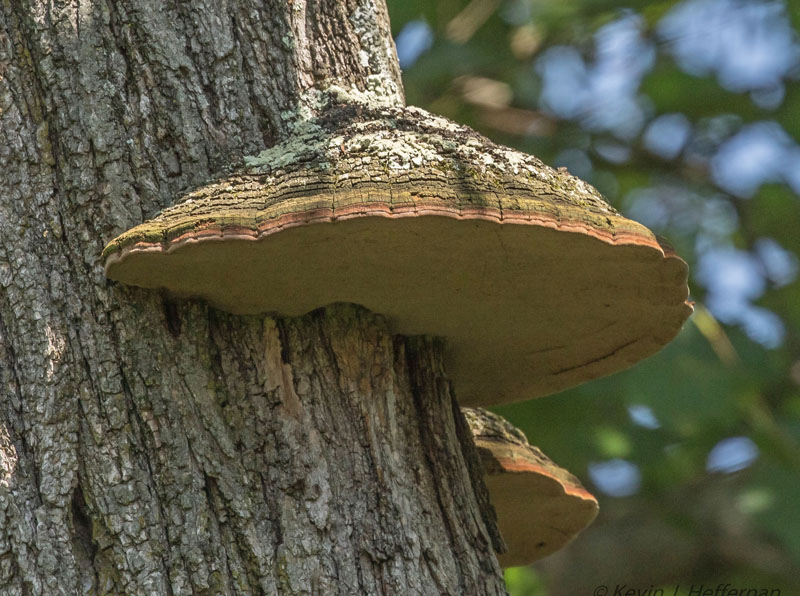
Cracked Cap Polypore on Black Locust in Howard Co., Maryland (8/26/2017). Determined by Jo Solem.
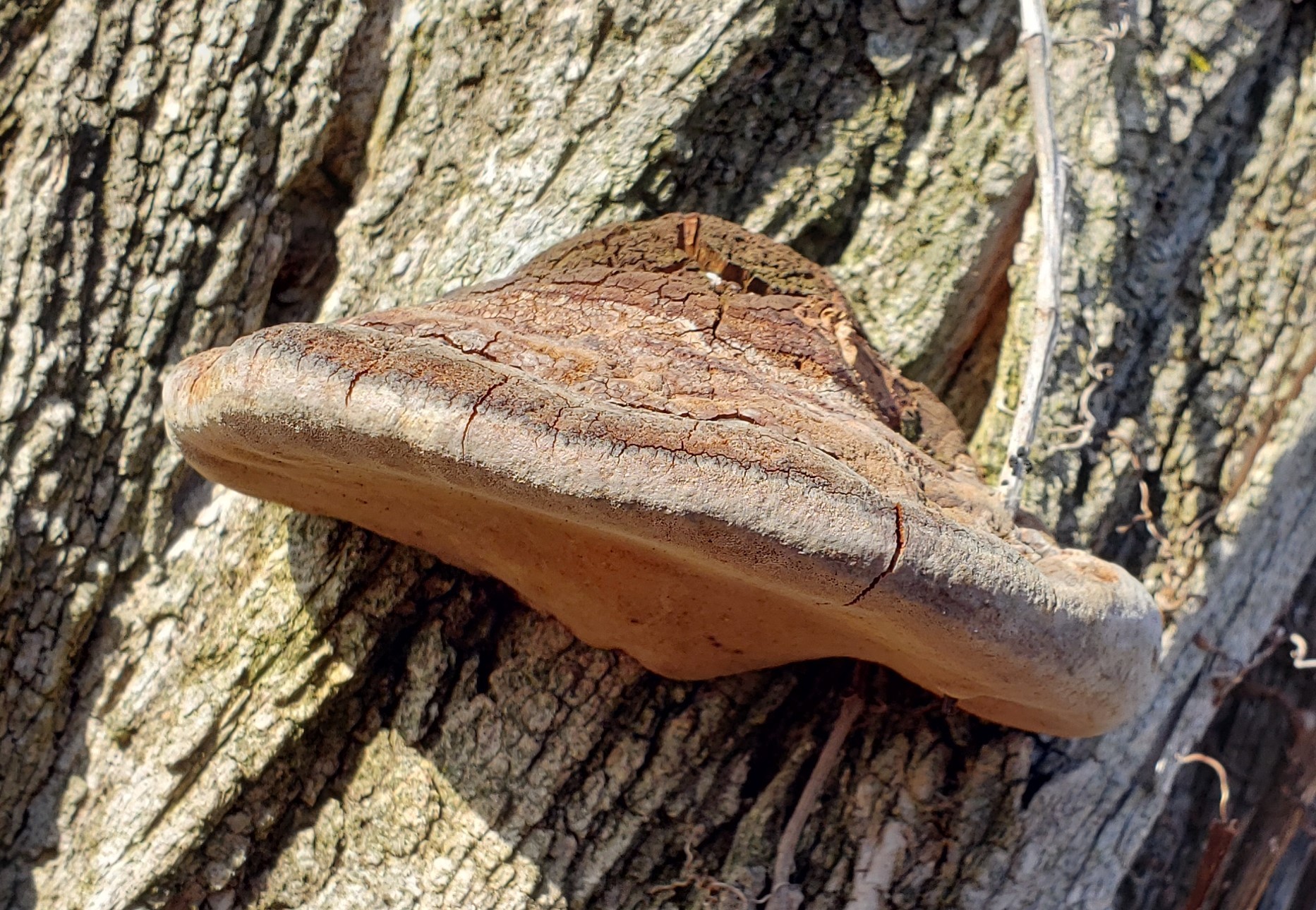
Cracked Cap Polypore in Anne Arundel Co., Maryland (2/23/2021). (c) Matthew Beziat, some rights reserved (CC BY-NC).

A Cracked Cap Polypore on Black Locust in St. Mary's Co., Maryland (12/17/2016).
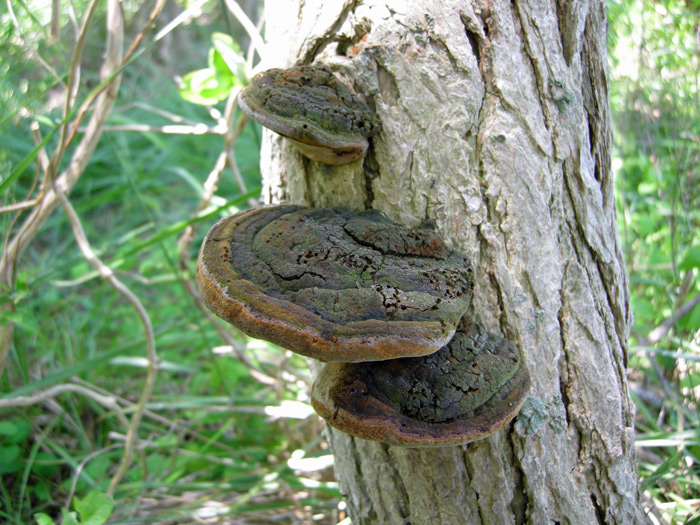
A Cracked Cap Polypore on Black Locust in Somerset Co., Maryland (5/22/2015).
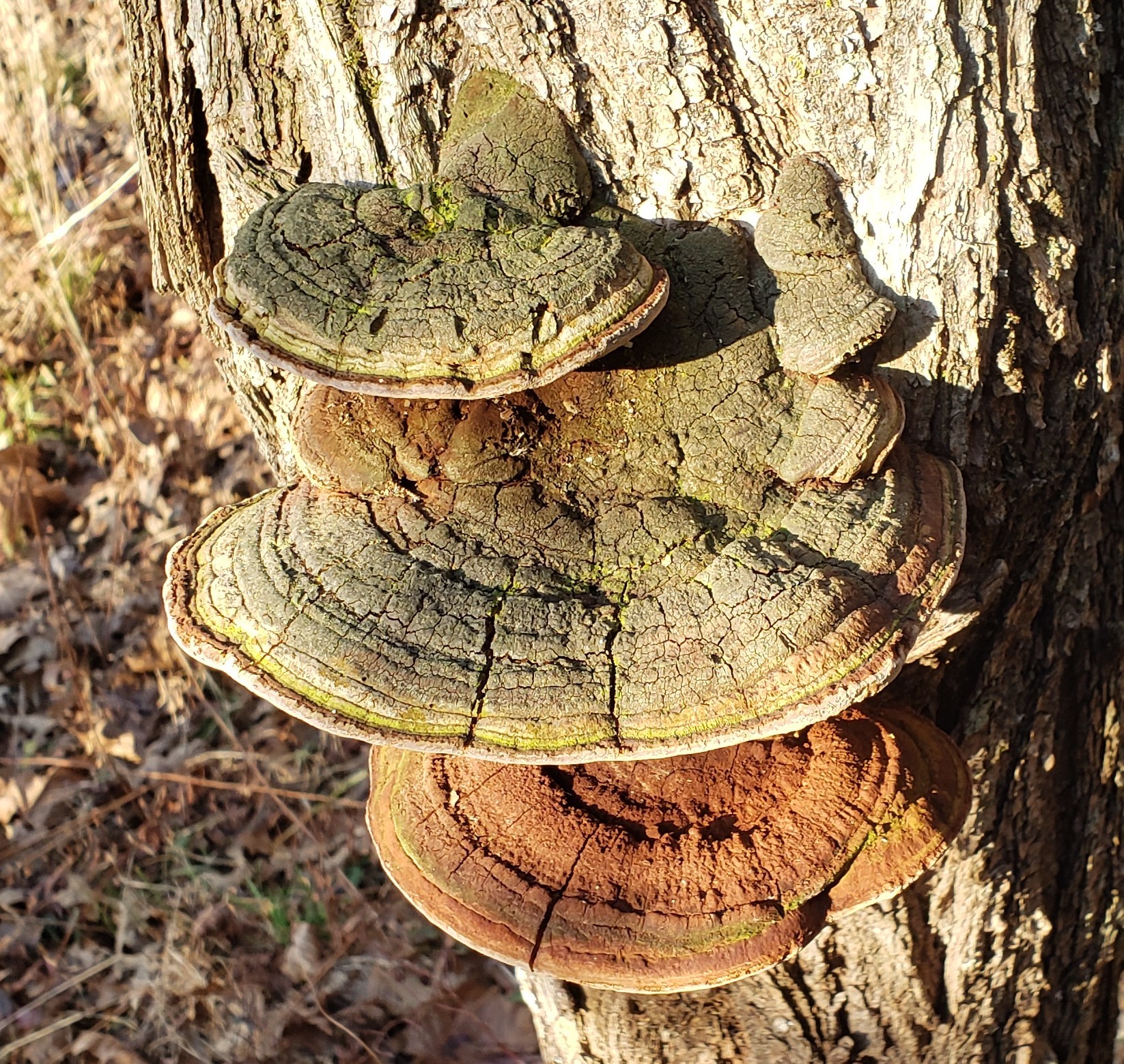
Cracked Cap Polypore in Anne Arundel Co., Maryland (1/12/2021). (c) Matthew Beziat, some rights reserved (CC BY-NC).
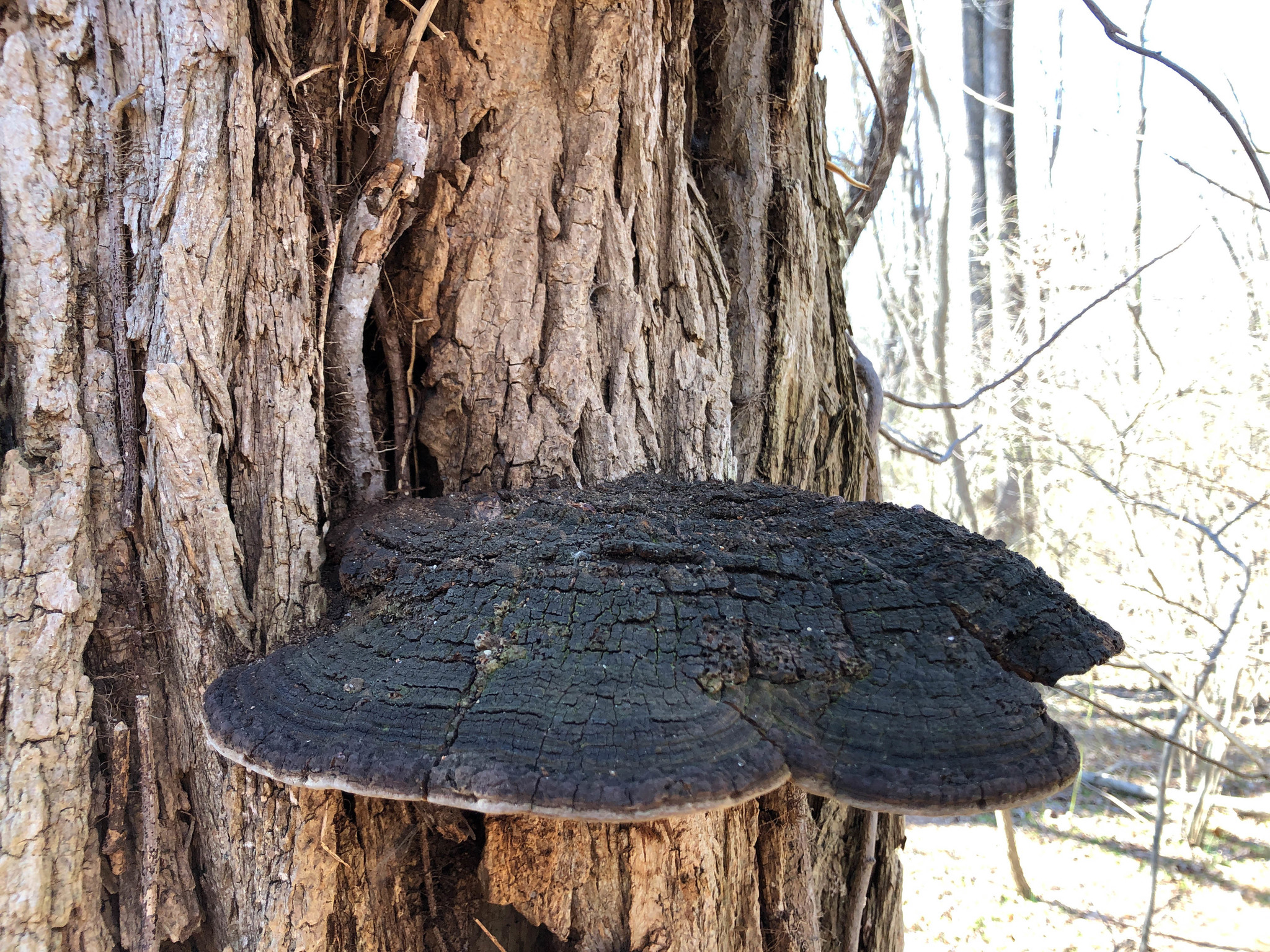
Cracked Cap Polypore in Calvert Co., Maryland (2/23/2020). (c) johnbotany, some rights reserved (CC BY-NC).
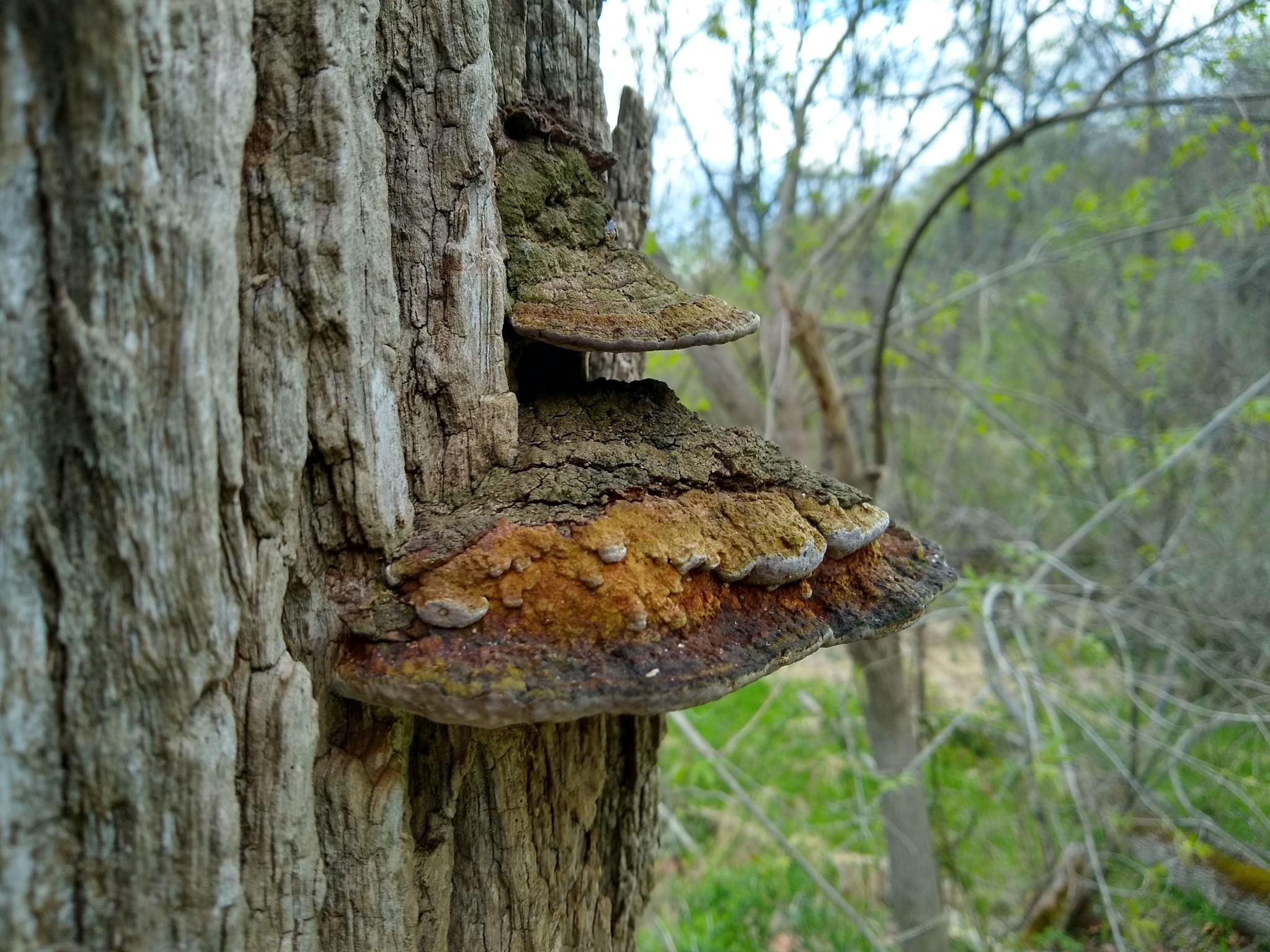
Cracked Cap Polypore in Baltimore Co., Maryland (4/17/2021). (c) wildluker, some rights reserved (CC BY-NC).

Cracked Cap Polypore on Black Locust in Talbot Co., Maryland (10/24/2015).
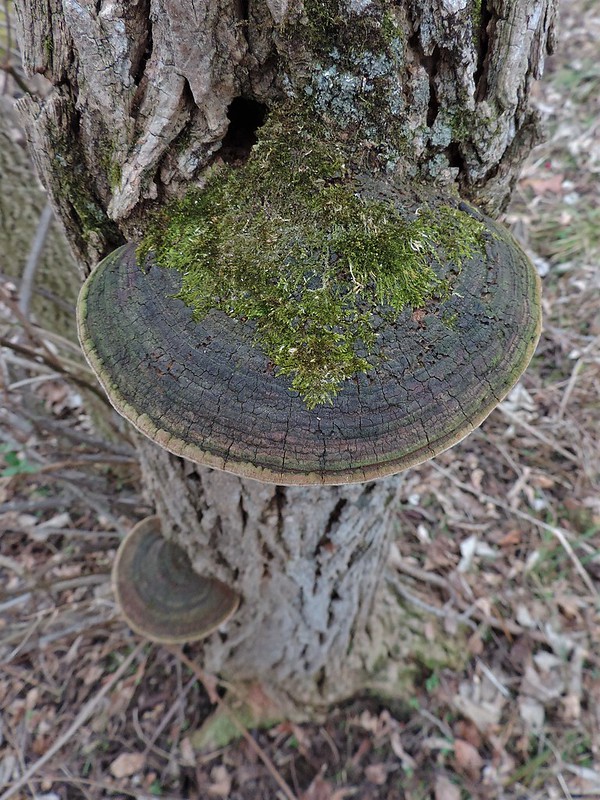
Cracked Cap Polypore on Black Locust in Frederick Co., Maryland (1/11/2020).

Cracked Cap Polypore in Baltimore Co., Maryland (11/15/2019). (c) Emilio Concari, some rights reserved (CC BY-NC).
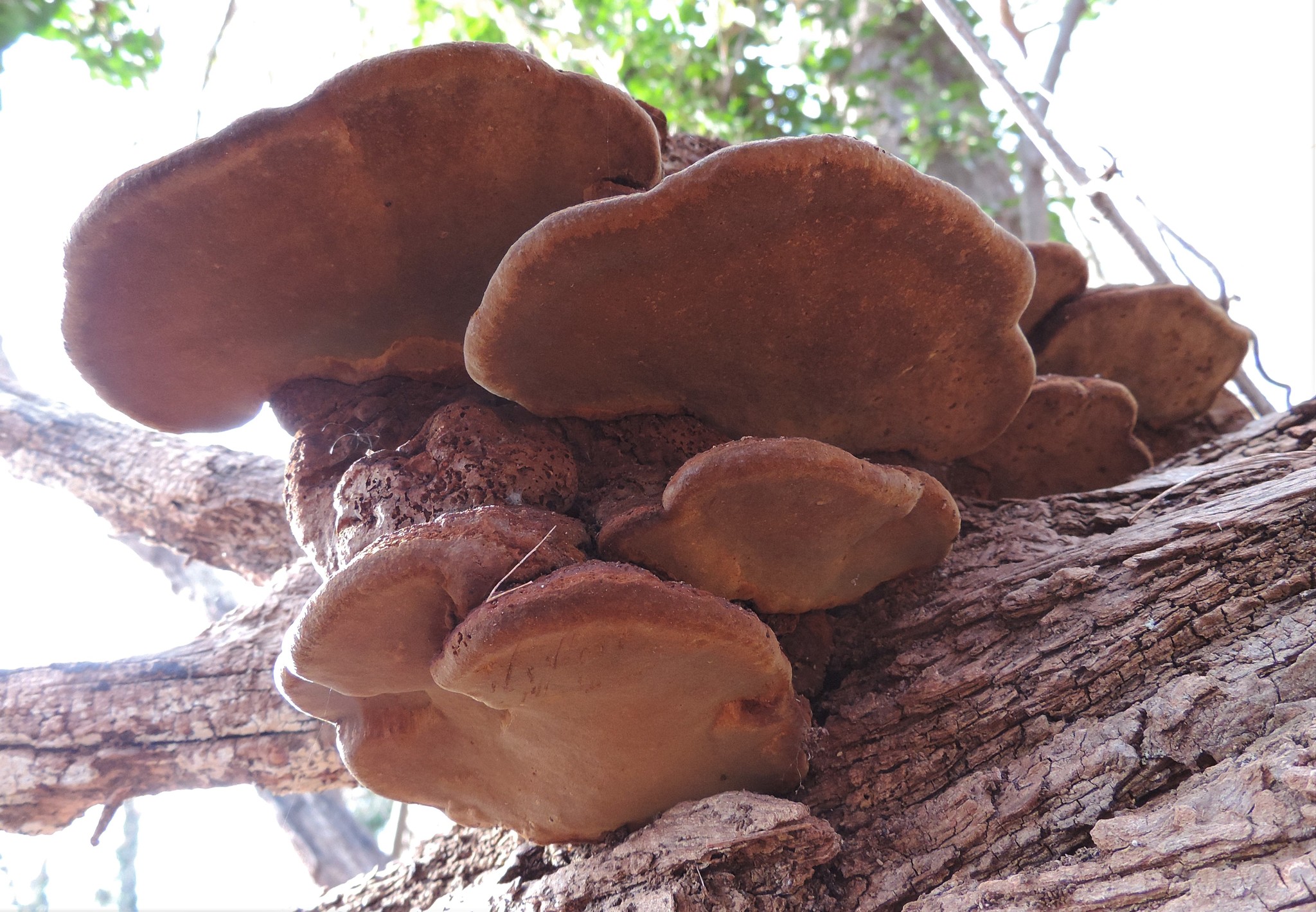
Cracked Cap Polypore in Baltimore Co., Maryland (11/15/2019). (c) Emilio Concari, some rights reserved (CC BY-NC).
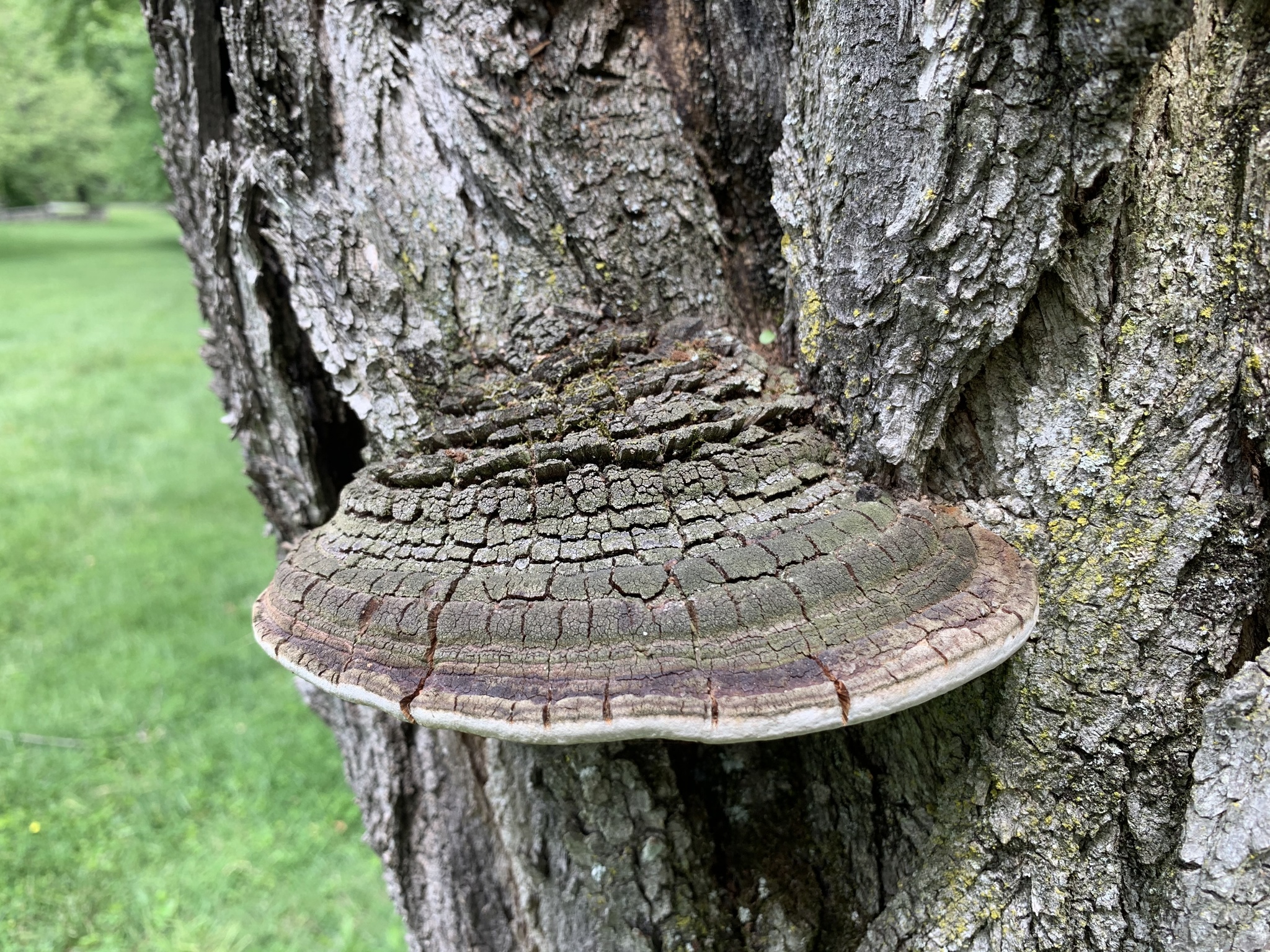
Cracked Cap Polypore in Baltimore Co., Maryland (5/14/2021). (c) laurabankey, some rights reserved (CC BY-NC).
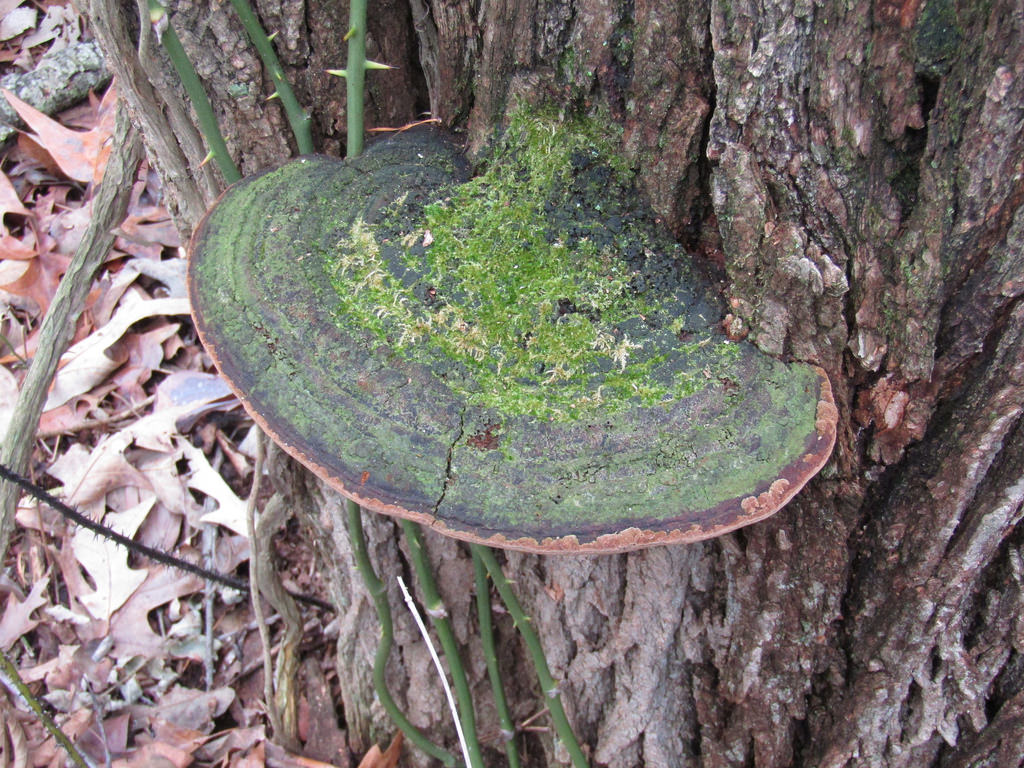
Cracked Cap Polypore in Calvert Co., Maryland (12/18/2016).
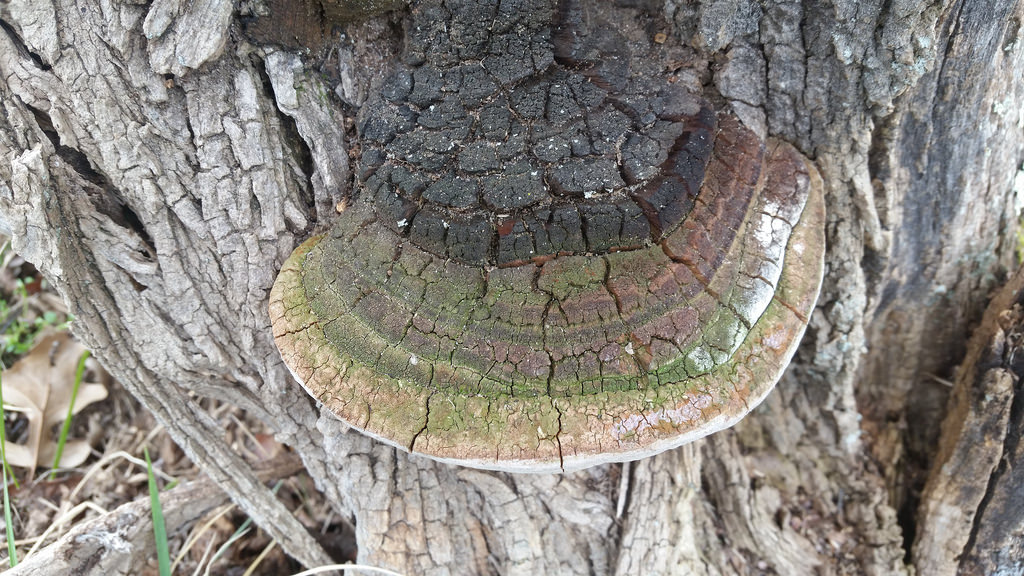
Cracked Cap Polypore on Black Locust in Calvert Co., Maryland (3/5/2016).
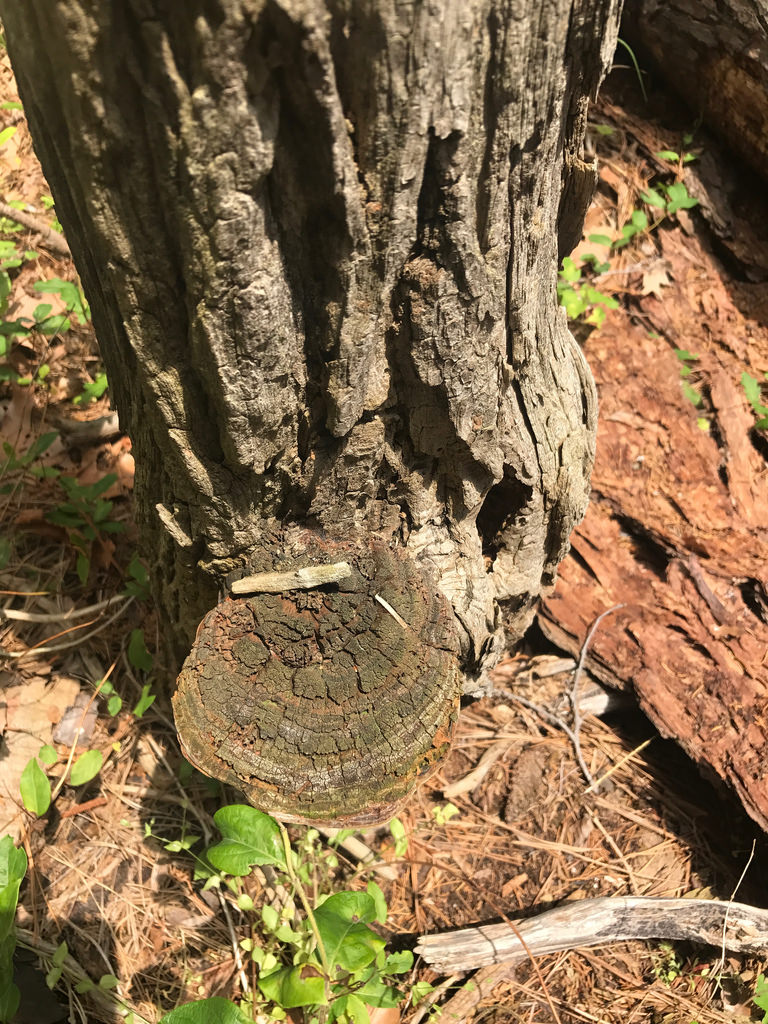
Cracked Cap Polypore in St. Mary's Co., Maryland (5/27/2017).
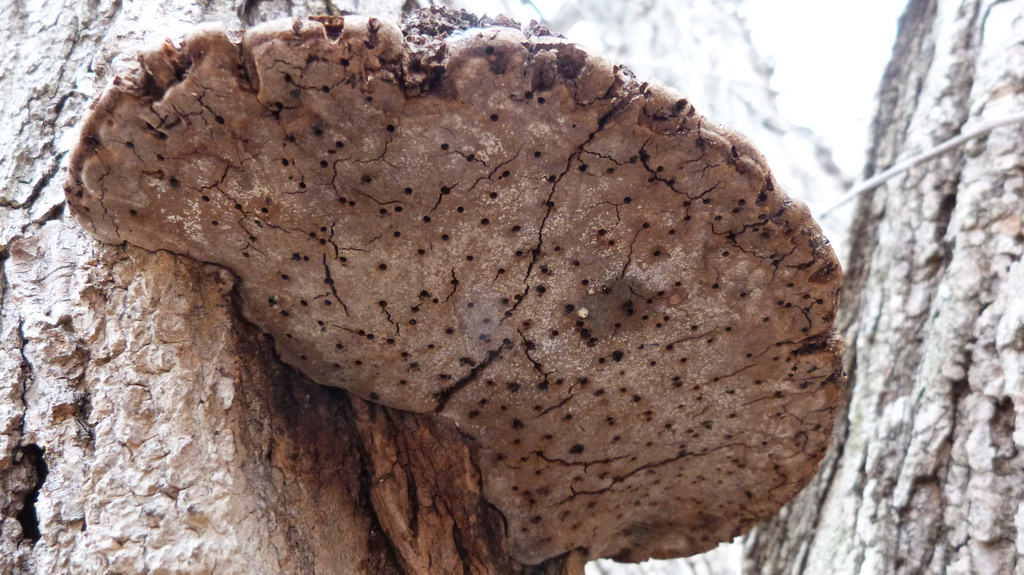
Cracked Cap Polypore in Howard Co., Maryland (3/16/2018). Determined by Bob and Jo Solem.
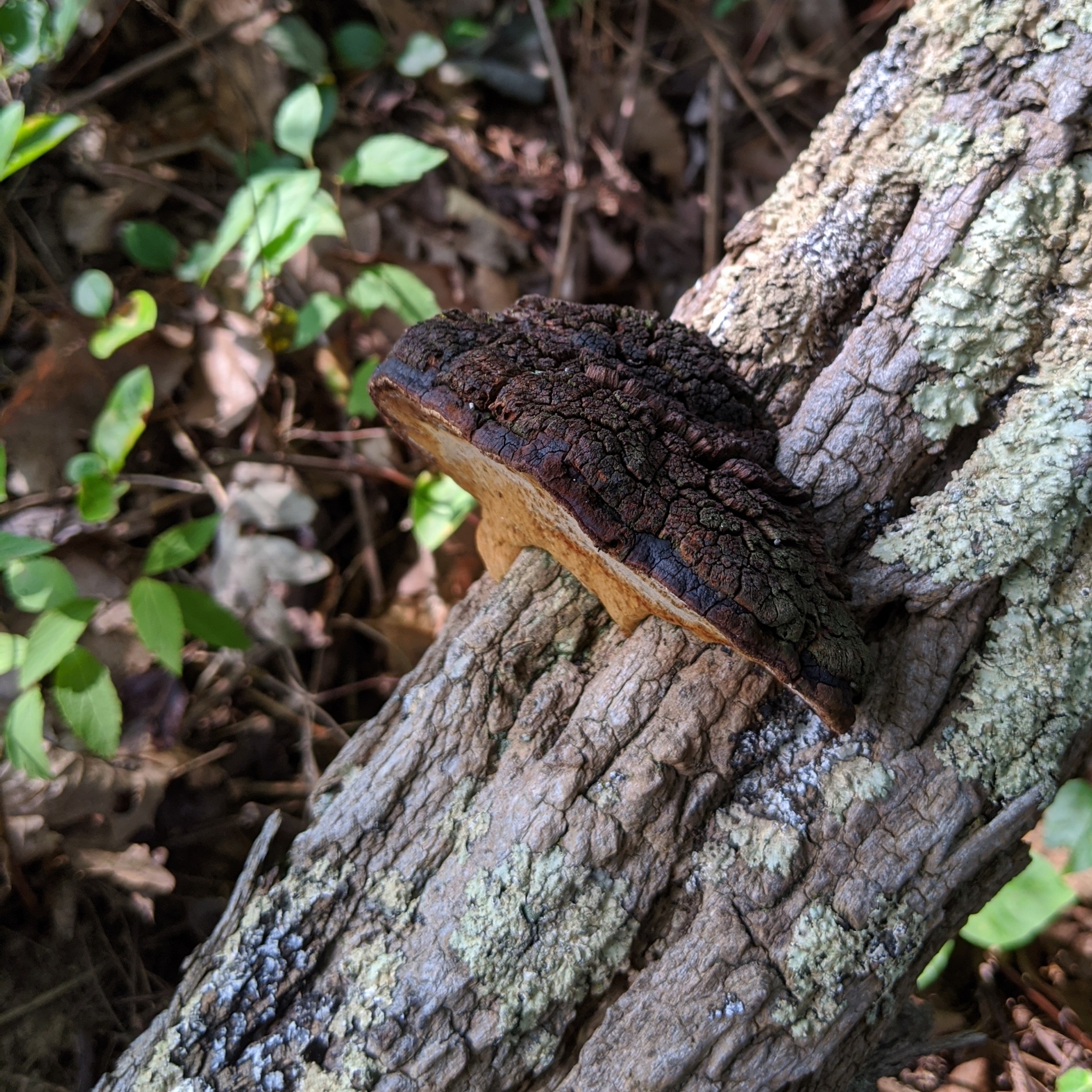
Cracked Cap Polypore in Washington Co., Maryland (9/16/2020). (c) Emily, some rights reserved (CC BY-NC).

Cracked Cap Polypore in Prince George's Co., Maryland (4/12/2019). Determined by Jo Solem.
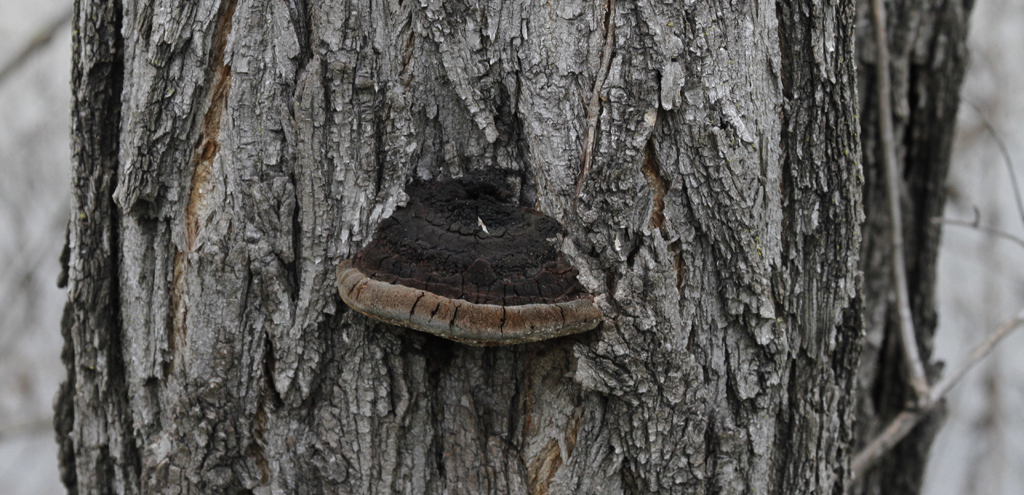
A Cracked Cap Polypore on Black Locust in Baltimore City, Maryland (12/28/2015).
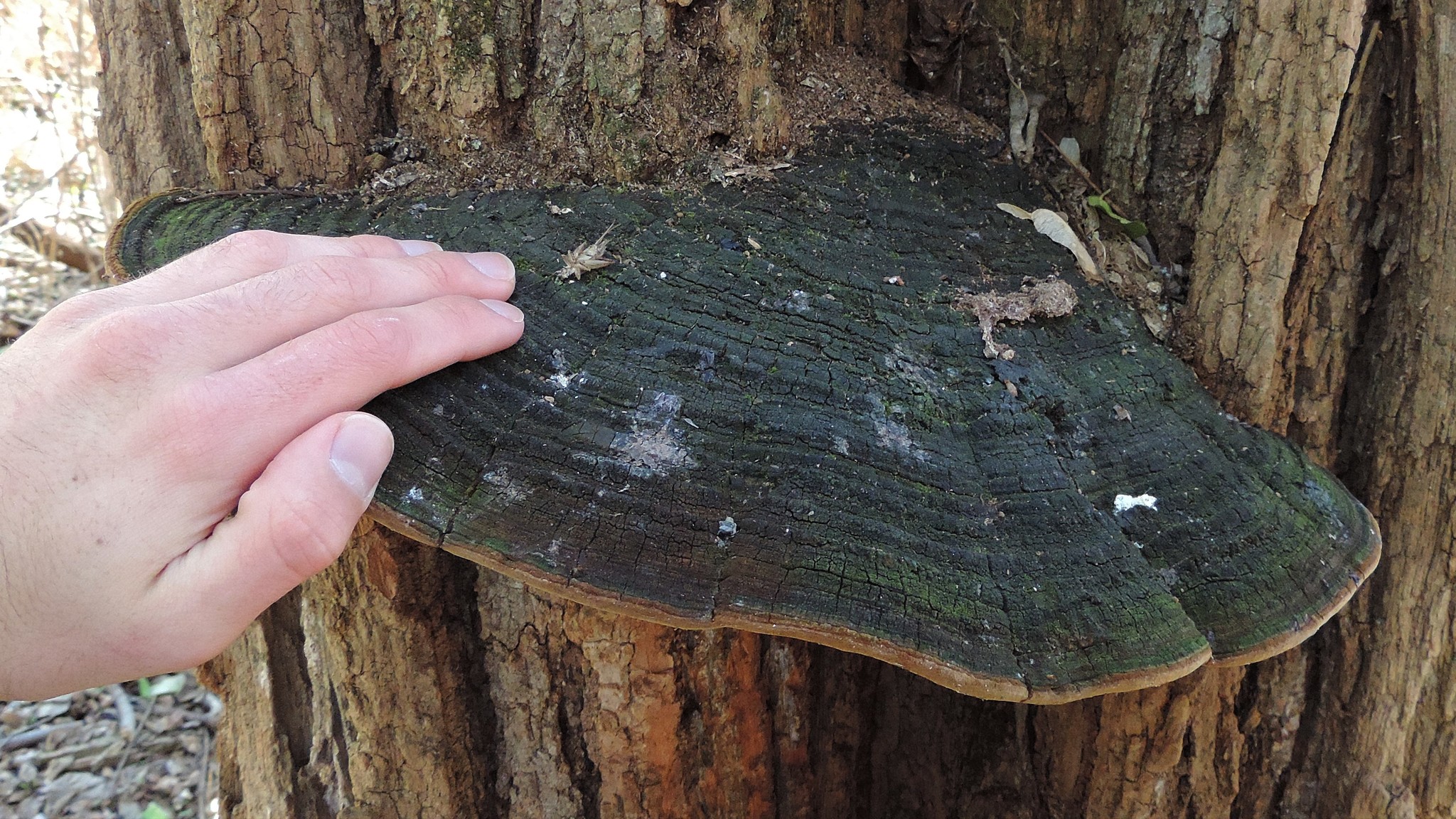
Cracked Cap Polypore in Frederick Co., Maryland (11/16/2019). (c) Emilio Concari, some rights reserved (CC BY-NC).
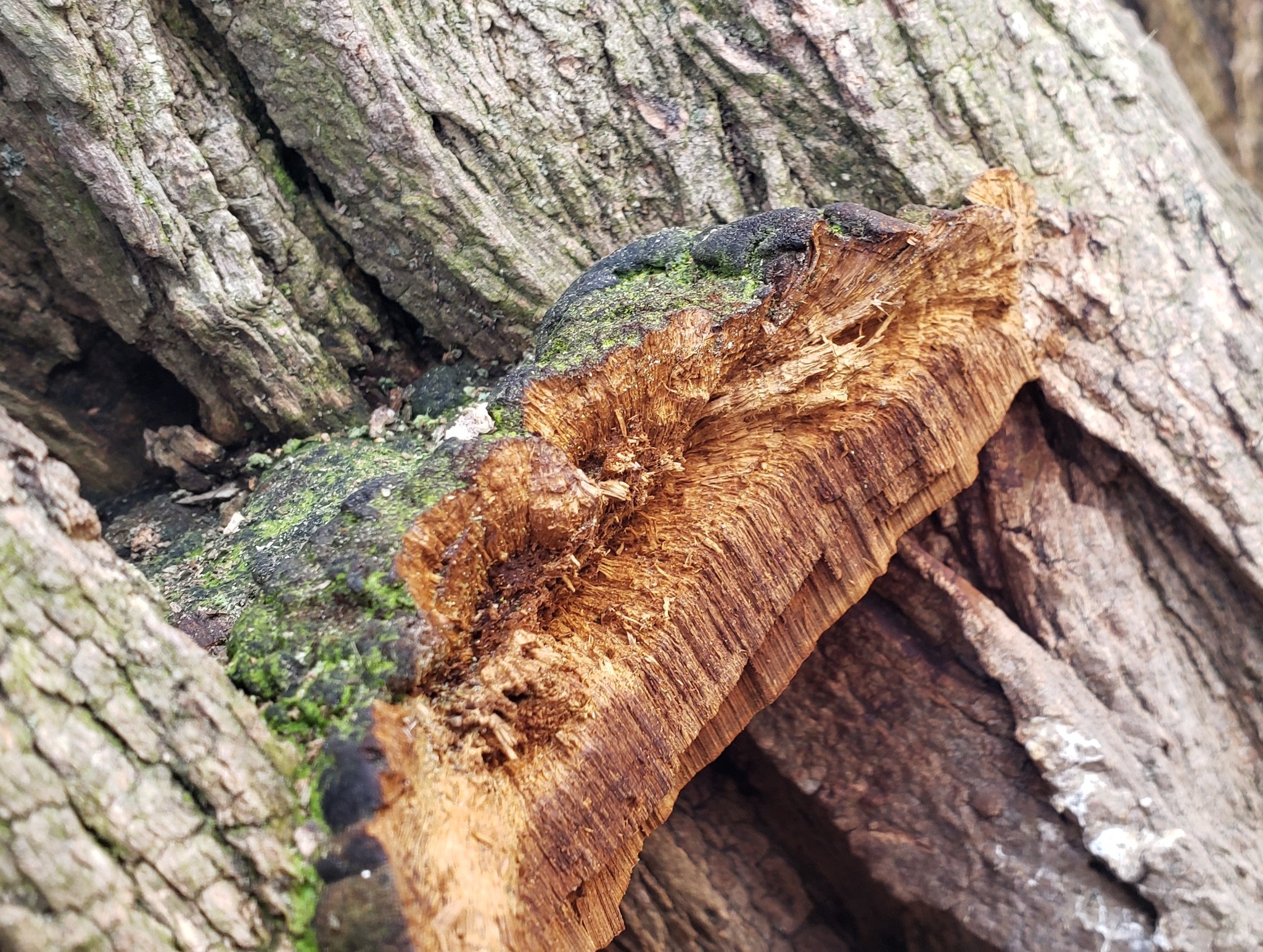
Cracked Cap Polypore in Baltimore City, Maryland (2/5/2021). (c) Matthew Beziat, some rights reserved (CC BY-NC).
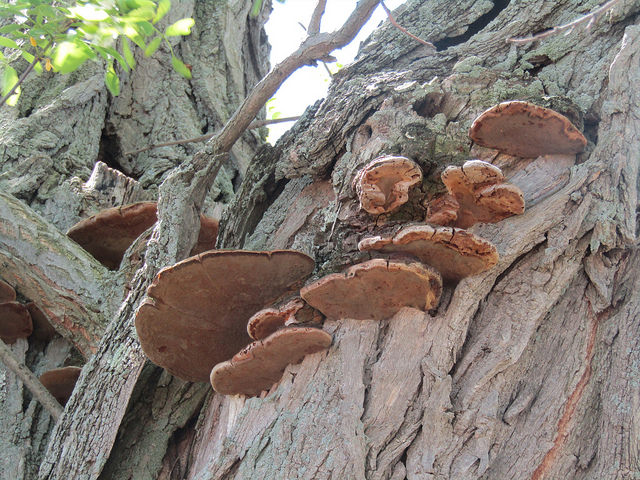
Cracked Cap Polypore in Queen Anne's Co., Maryland (5/15/2017).
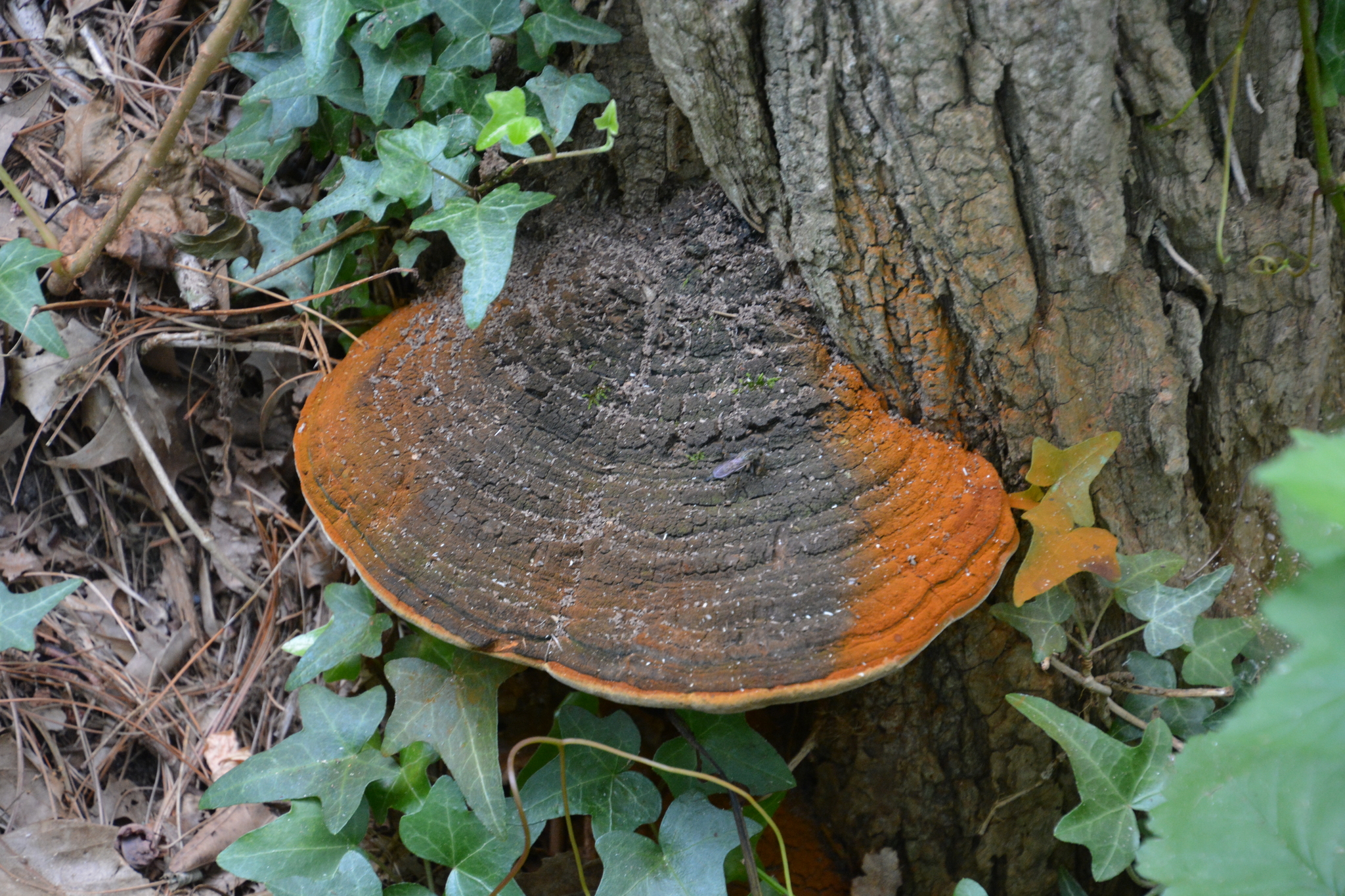
Cracked Cap Polypore in Anne Arundel Co., Maryland (7/16/2020). (c) pmhabicht, some rights reserved (CC BY-NC).
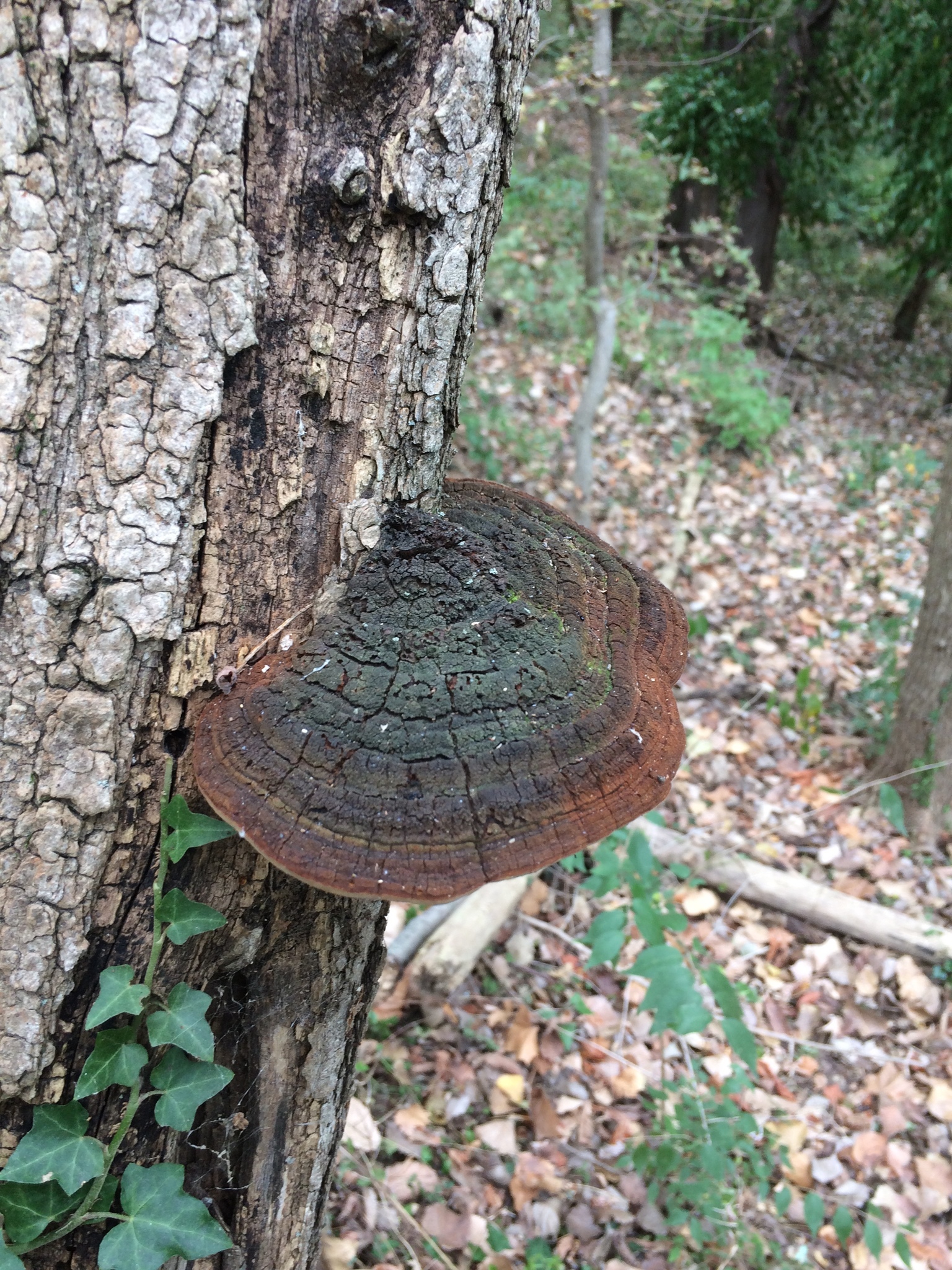
Cracked Cap Polypore in Prince George's Co., Maryland (9/29/2019). (c) eehamilton, some rights reserved (CC BY-NC).
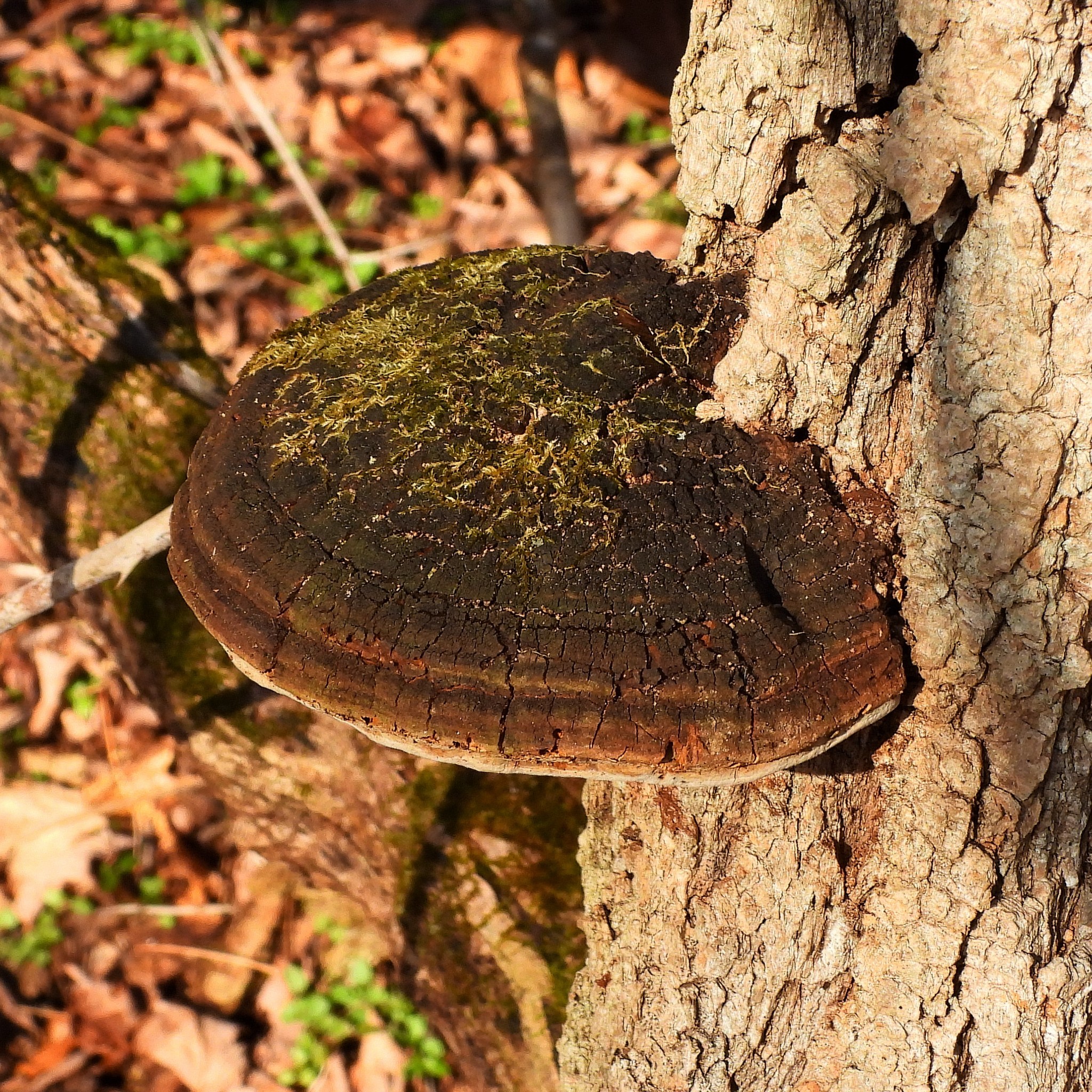
Cracked Cap Polypore in Carroll Co., Maryland (1/16/2021). (c) Emilio Concari, some rights reserved (CC BY-NC).
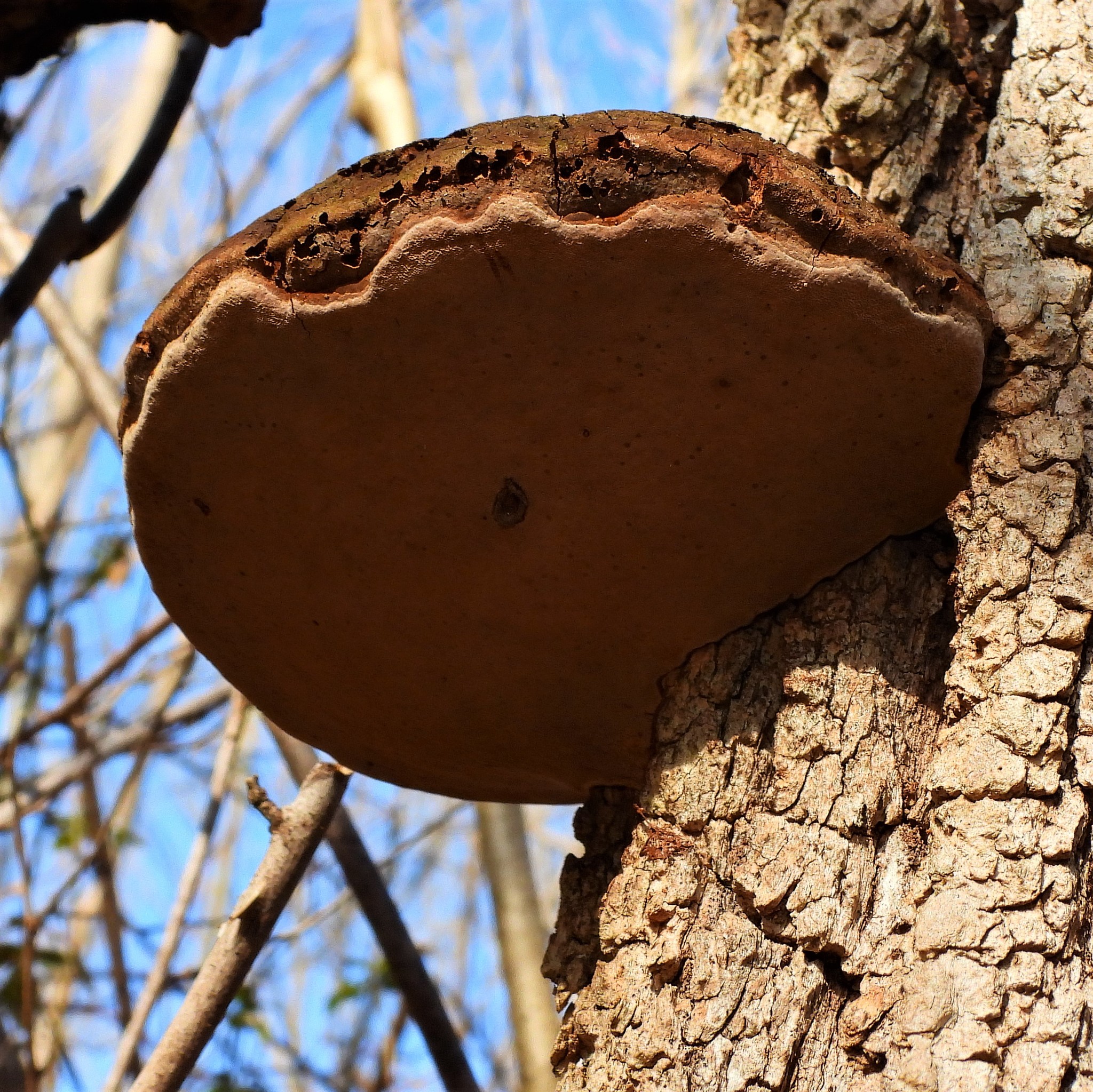
Cracked Cap Polypore in Carroll Co., Maryland (1/16/2021). (c) Emilio Concari, some rights reserved (CC BY-NC).
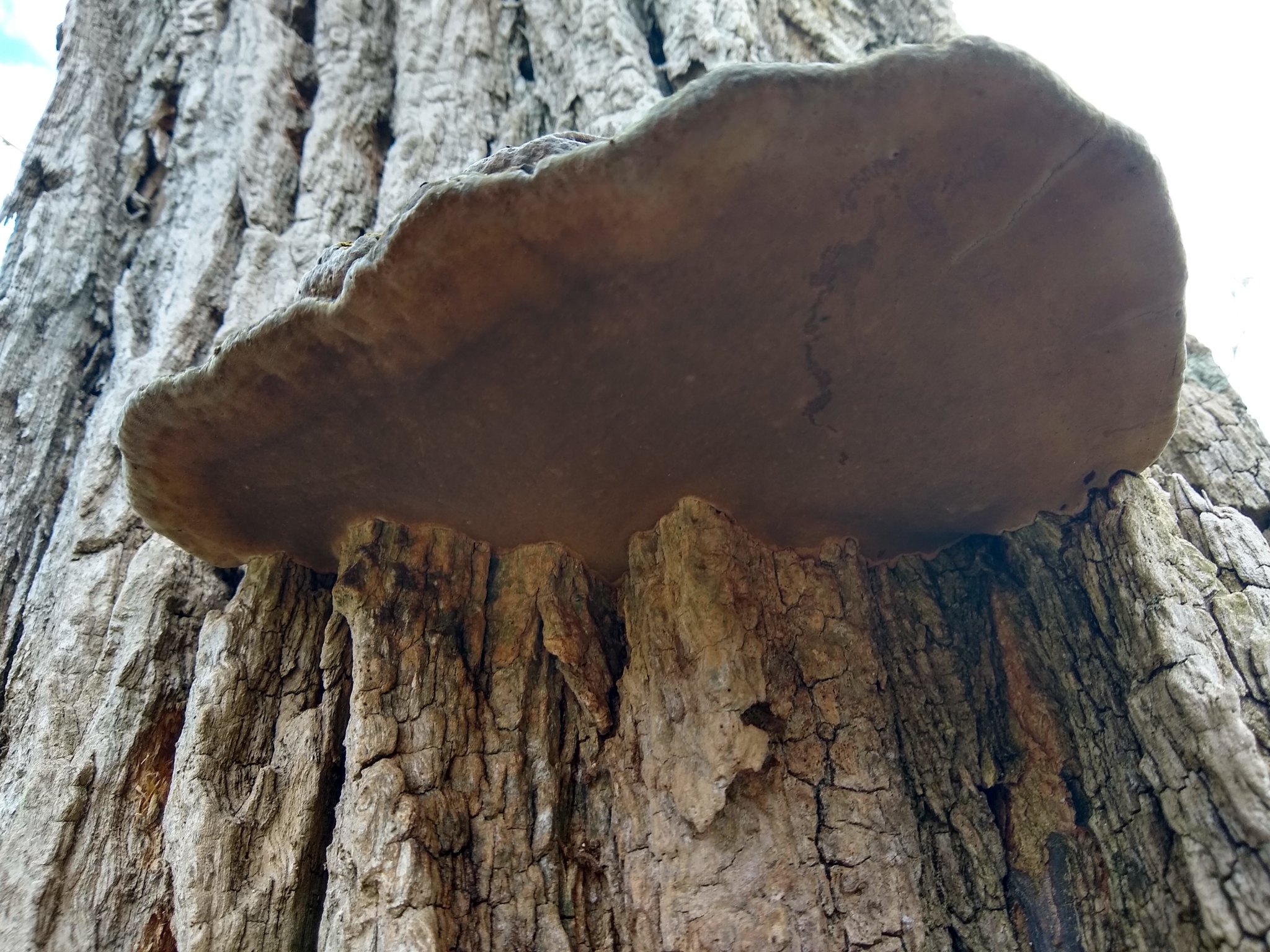
Cracked Cap Polypore in Baltimore Co., Maryland (4/17/2021). (c) wildluker, some rights reserved (CC BY-NC).
Map Snapshot


398 Records
Description
Cracked Cap Polypore is a relatively large, hoof-shaped shelf fungus. The cap is usually gray to dark brown with concentric bands marking annual growth. It is a parasite of Black Locust, but is also found on the dead wood of other hardwood trees. Cracked Cap Polypore is similar to Juniper Pocket Rot which infects junipers.
Where To Find
Can be found throughout Maryland.
Relationships
Parasite of Black Locust (L. Biechele, pers. comm.).
Citations
No citations linked for this taxon yet.
Eating mushrooms can be dangerous. One should do so only with expert advice and great care. MBP accepts no liability for injury sustained in consuming fungi or other biodiversity. Use of media featured on Maryland
Biodiversity Project is only permitted with express permission of the
photographer.
Cracked Cap Polypore growing in Baltimore Co., Maryland (2/20/2020).
View Record Details
Media by
Emilio Concari.
Cracked Cap Polypore on Black Locust in Howard Co., Maryland (8/26/2017). Determined by Jo Solem.
View Record Details
Media by
Kevin Heffernan.
Cracked Cap Polypore in Anne Arundel Co., Maryland (2/23/2021). (c) Matthew Beziat, some rights reserved (CC BY-NC).
View Record Details
Media by
Matthew Beziat.
A Cracked Cap Polypore on Black Locust in St. Mary's Co., Maryland (12/17/2016).
View Record Details
Media by
Bill Hubick.
A Cracked Cap Polypore on Black Locust in Somerset Co., Maryland (5/22/2015).
View Record Details
Media by
Lance Biechele.
Cracked Cap Polypore in Anne Arundel Co., Maryland (1/12/2021). (c) Matthew Beziat, some rights reserved (CC BY-NC).
View Record Details
Media by
Matthew Beziat.
Cracked Cap Polypore in Calvert Co., Maryland (2/23/2020). (c) johnbotany, some rights reserved (CC BY-NC).
View Record Details
Media by
John Hall.
Cracked Cap Polypore in Baltimore Co., Maryland (4/17/2021). (c) wildluker, some rights reserved (CC BY-NC).
View Record Details
Media by
wildluker via iNaturalist.
Cracked Cap Polypore on Black Locust in Talbot Co., Maryland (10/24/2015).
View Record Details
Media by
Rick Borchelt.
Cracked Cap Polypore on Black Locust in Frederick Co., Maryland (1/11/2020).
View Record Details
Media by
Emilio Concari.
Cracked Cap Polypore in Baltimore Co., Maryland (11/15/2019). (c) Emilio Concari, some rights reserved (CC BY-NC).
View Record Details
Media by
Emilio Concari.
Cracked Cap Polypore in Baltimore Co., Maryland (11/15/2019). (c) Emilio Concari, some rights reserved (CC BY-NC).
View Record Details
Media by
Emilio Concari.
Cracked Cap Polypore in Baltimore Co., Maryland (5/14/2021). (c) laurabankey, some rights reserved (CC BY-NC).
View Record Details
Media by
laurabankey via iNaturalist.
Cracked Cap Polypore in Calvert Co., Maryland (12/18/2016).
View Record Details
Media by
Mac Plant.
Cracked Cap Polypore on Black Locust in Calvert Co., Maryland (3/5/2016).
View Record Details
Media by
Bill Hubick.
Cracked Cap Polypore in St. Mary's Co., Maryland (5/27/2017).
View Record Details
Media by
Jim Brighton.
Cracked Cap Polypore in Howard Co., Maryland (3/16/2018). Determined by Bob and Jo Solem.
View Record Details
Media by
Sue Muller.
Cracked Cap Polypore in Washington Co., Maryland (9/16/2020). (c) Emily, some rights reserved (CC BY-NC).
View Record Details
Media by
Emily via iNaturalist.
Cracked Cap Polypore in Prince George's Co., Maryland (4/12/2019). Determined by Jo Solem.
View Record Details
Media by
Anne Looker.
A Cracked Cap Polypore on Black Locust in Baltimore City, Maryland (12/28/2015).
View Record Details
Media by
Bill Hubick.
Cracked Cap Polypore in Frederick Co., Maryland (11/16/2019). (c) Emilio Concari, some rights reserved (CC BY-NC).
View Record Details
Media by
Emilio Concari.
Cracked Cap Polypore in Baltimore City, Maryland (2/5/2021). (c) Matthew Beziat, some rights reserved (CC BY-NC).
View Record Details
Media by
Matthew Beziat.
Cracked Cap Polypore in Queen Anne's Co., Maryland (5/15/2017).
View Record Details
Media by
Wayne Longbottom.
Cracked Cap Polypore in Anne Arundel Co., Maryland (7/16/2020). (c) pmhabicht, some rights reserved (CC BY-NC).
View Record Details
Media by
pmhabicht via iNaturalist.
Cracked Cap Polypore in Prince George's Co., Maryland (9/29/2019). (c) eehamilton, some rights reserved (CC BY-NC).
View Record Details
Media by
eehamilton via iNaturalist.
Cracked Cap Polypore in Carroll Co., Maryland (1/16/2021). (c) Emilio Concari, some rights reserved (CC BY-NC).
View Record Details
Media by
Emilio Concari.
Cracked Cap Polypore in Carroll Co., Maryland (1/16/2021). (c) Emilio Concari, some rights reserved (CC BY-NC).
View Record Details
Media by
Emilio Concari.
Cracked Cap Polypore in Baltimore Co., Maryland (4/17/2021). (c) wildluker, some rights reserved (CC BY-NC).
View Record Details
Media by
wildluker via iNaturalist.
Source: Wikipedia
| Fulvifomes robiniae | |
|---|---|

| |
| Fulvifomes robiniae infecting black locust | |
Scientific classification 
| |
| Kingdom: | Fungi |
| Division: | Basidiomycota |
| Class: | Agaricomycetes |
| Order: | Hymenochaetales |
| Family: | Hymenochaetaceae |
| Genus: | Fulvifomes |
| Species: | F. robiniae
|
| Binomial name | |
| Fulvifomes robiniae | |
| Synonyms[2] | |
|
Synonymy
| |
| Fulvifomes robiniae | |
|---|---|
| Mycological characteristics | |
 | Pores on hymenium |
 | Cap is offset |
 | Hymenium attachment is not applicable |
| Lacks a stipe |
 | Spore print is yellow-brown |
 | Ecology is parasitic |
 | Edibility is inedible |
Fulvifomes robiniae, commonly called the cracked cap polypore, is a fungus of the family of Hymenochaetaceae. The fungus primarily infests black locusts, aided by openings caused by Megacyllene robiniae infestation, but also grows on various other trees such as Carya, oak, and Acacia. Cracked cap polypore is sympatric with most of its hosts. It has a brown spore print, leaving brown streaks on the tree below the fungus.[3]
The species was formerly considered part of the genus Phellinus, but was moved to the genus Fulvifomes when that genus was resurrected based on morphological and molecular phylogenetic evidence.[4]
References
[edit]- ^ Kuo, Michael. "Phellinus robiniae (MushroomExpert.Com)". www.mushroomexpert.com. Retrieved 22 November 2019.
- ^ "Phellinus robiniae". Mycobank. Retrieved 11 January 2025.
- ^ Roehl, Thomas (13 April 2018). "#081: Phellinus robiniae, the Cracked Cap Polypore". Fungus Fact Friday. Retrieved 22 November 2019.
- ^ Salvador-Montoya, Carlos A.; Popoff, Orlando F.; Reck, Mateus; Drechsler-Santos, Elisandro R. (1 March 2018). "Taxonomic delimitation of Fulvifomes robiniae (Hymenochaetales, Basidiomycota) and related species in America: F. squamosus sp. nov" (PDF). Plant Systematics and Evolution. 304 (3): 445–459. doi:10.1007/s00606-017-1487-7. Retrieved 11 January 2025.