

Map Snapshot


428 Records
Status
Description
Citations
No citations linked for this taxon yet.
Source: Wikipedia
| Epiaeschna heros | |
|---|---|

| |
Scientific classification 
| |
| Kingdom: | Animalia |
| Phylum: | Arthropoda |
| Clade: | Pancrustacea |
| Class: | Insecta |
| Order: | Odonata |
| Infraorder: | Anisoptera |
| Family: | Aeshnidae |
| Genus: | Epiaeschna |
| Species: | E. heros
|
| Binomial name | |
| Epiaeschna heros (Fabricius, 1798)
| |

| |

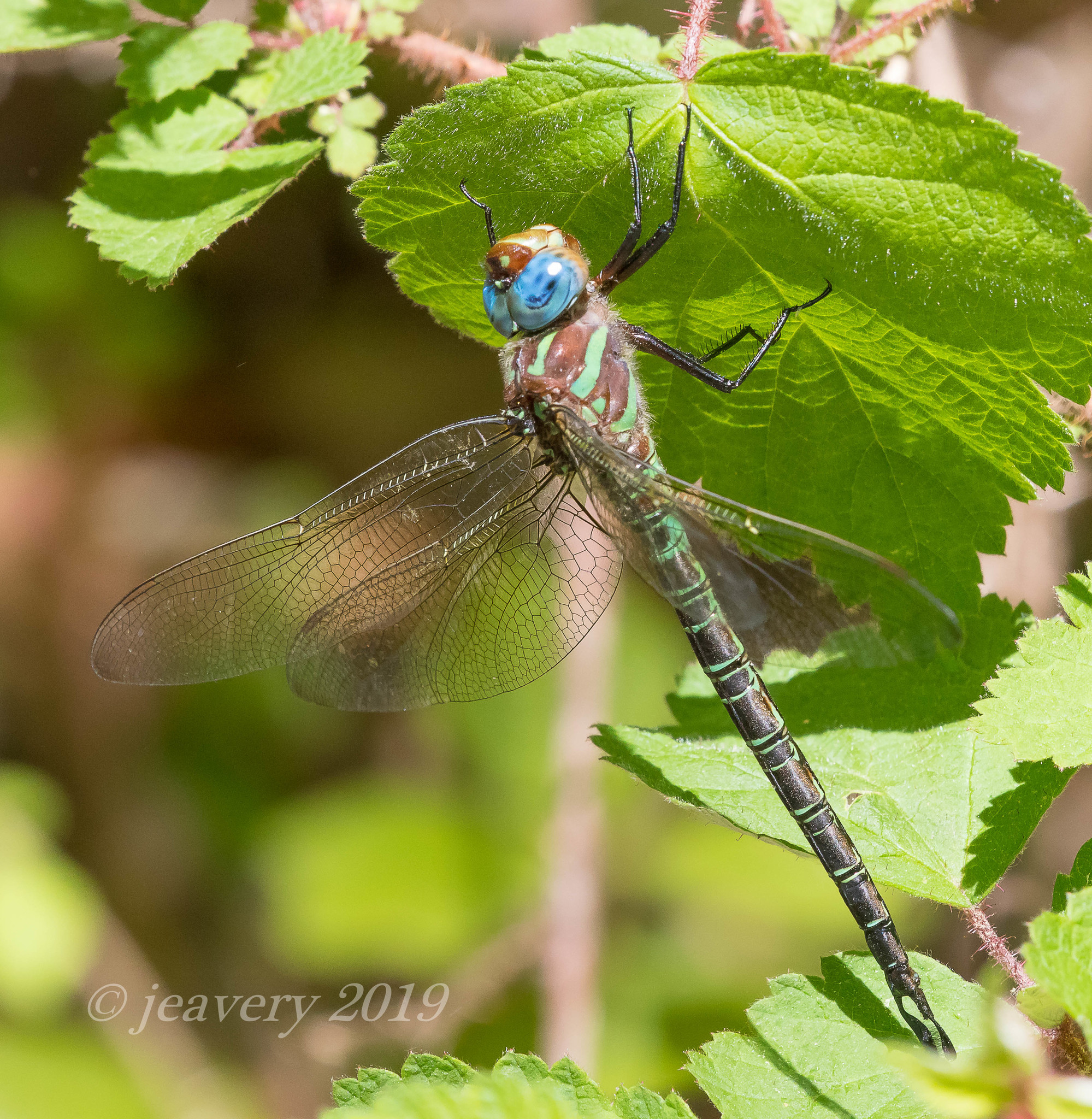
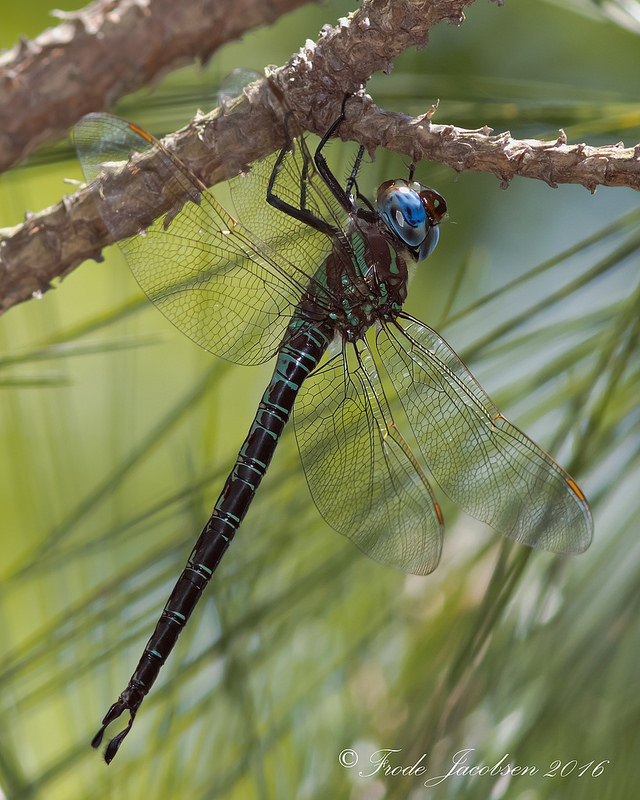
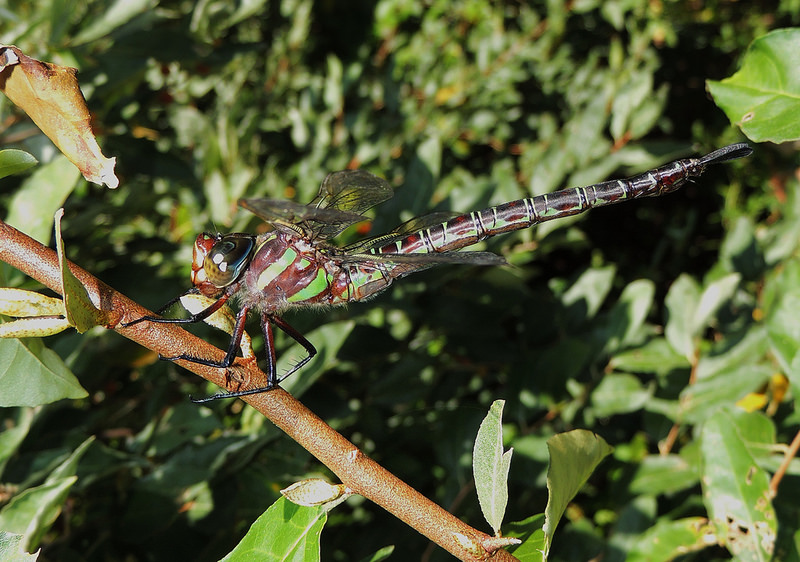
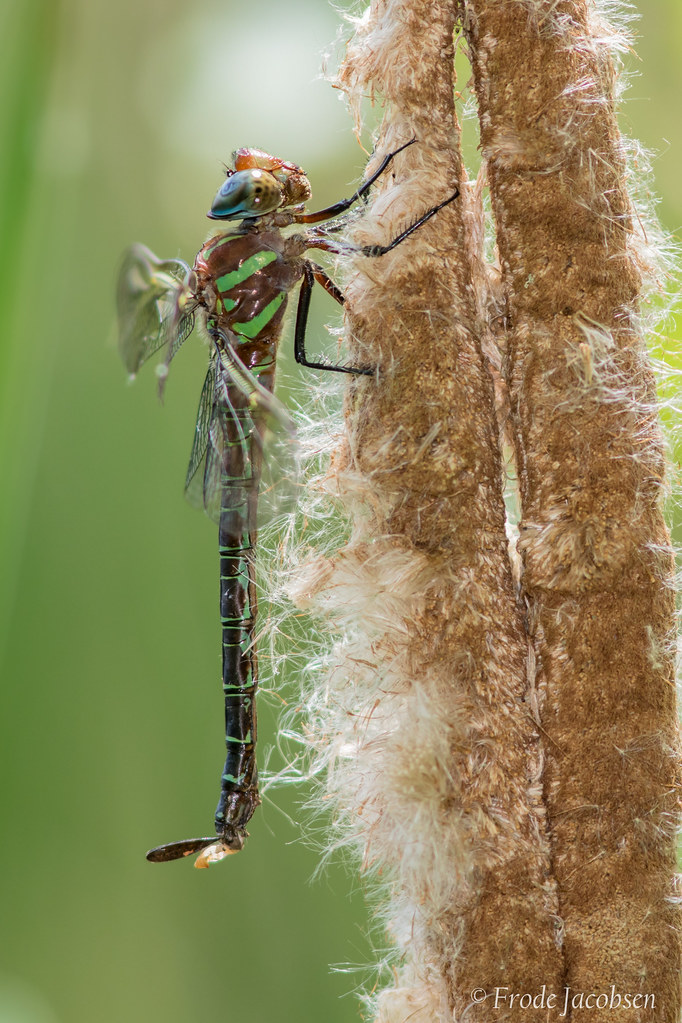
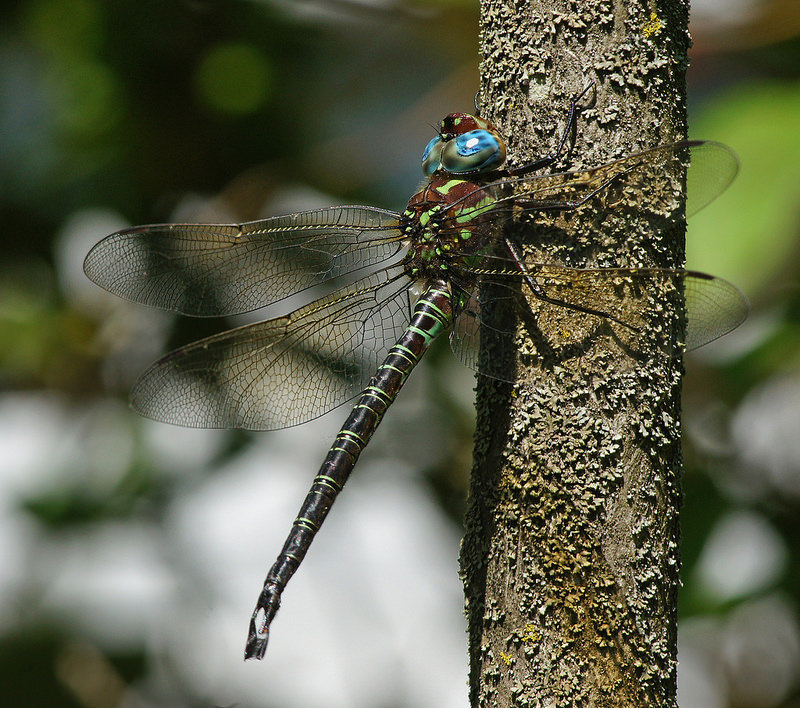
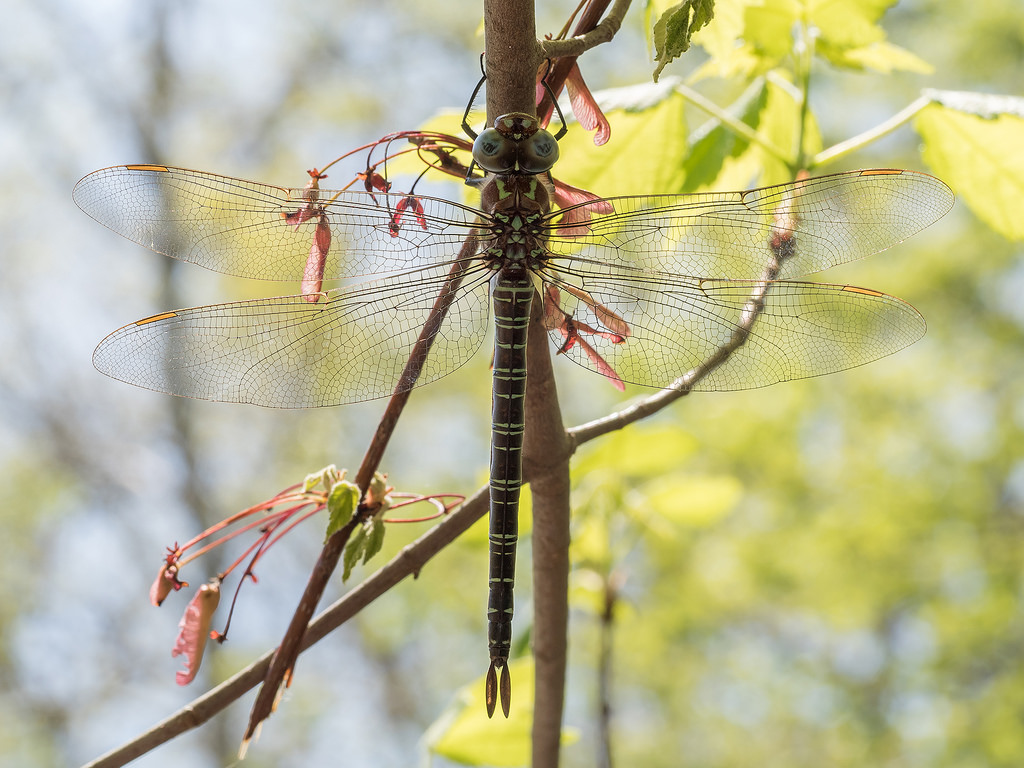
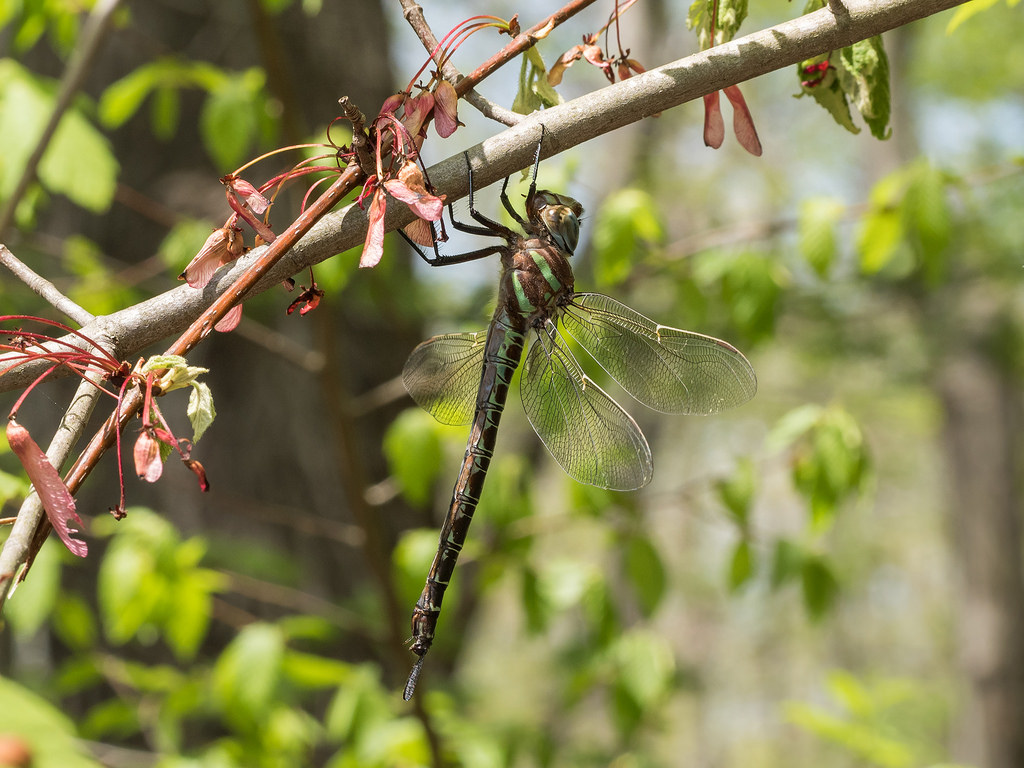
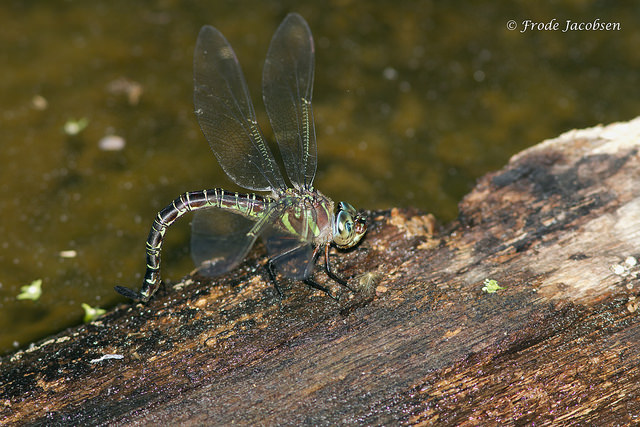
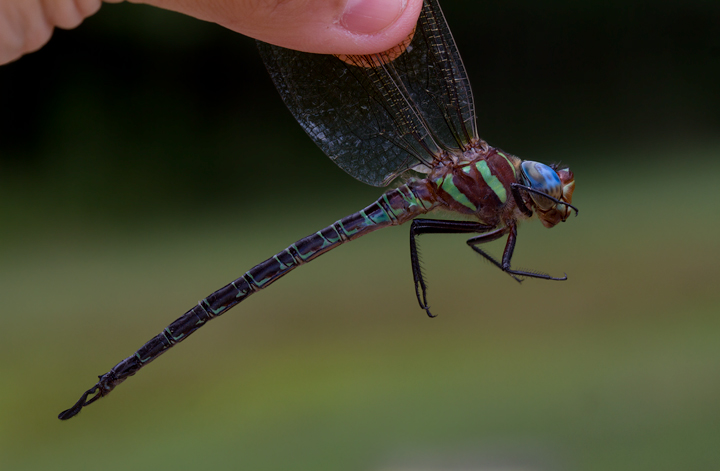
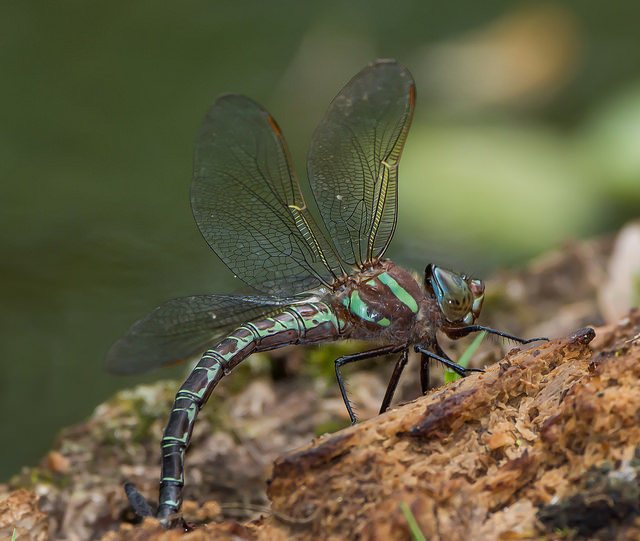
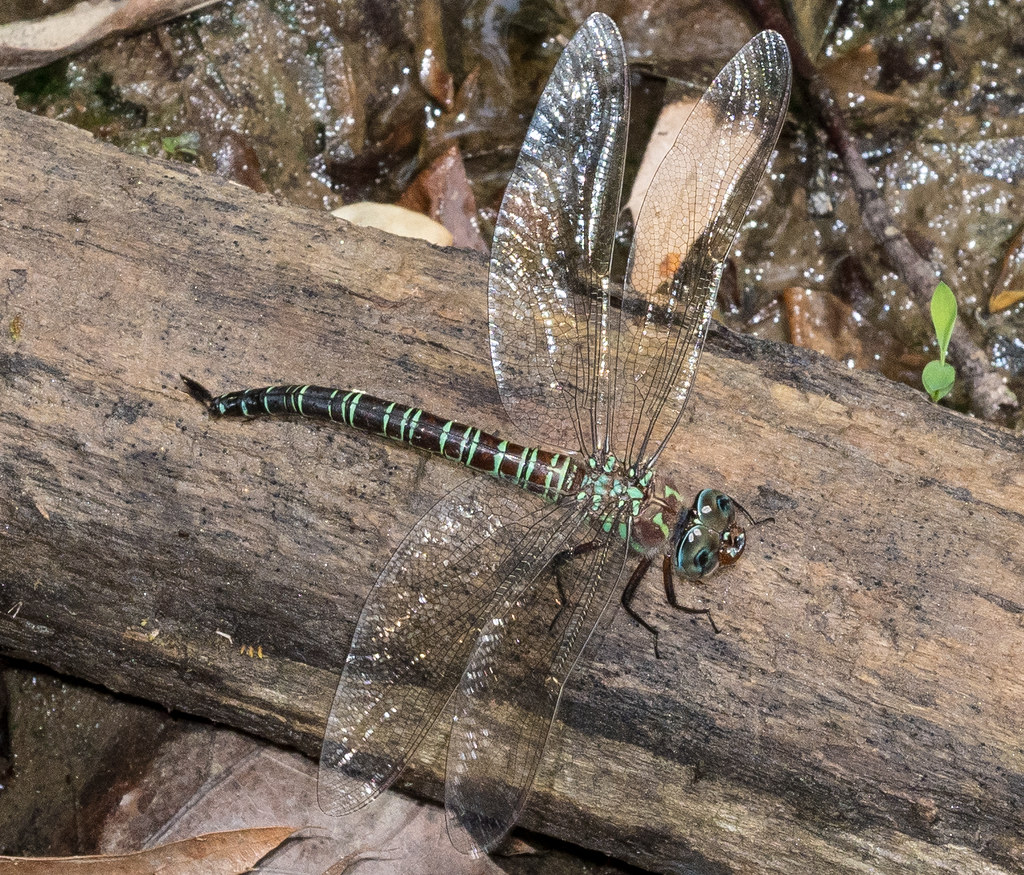
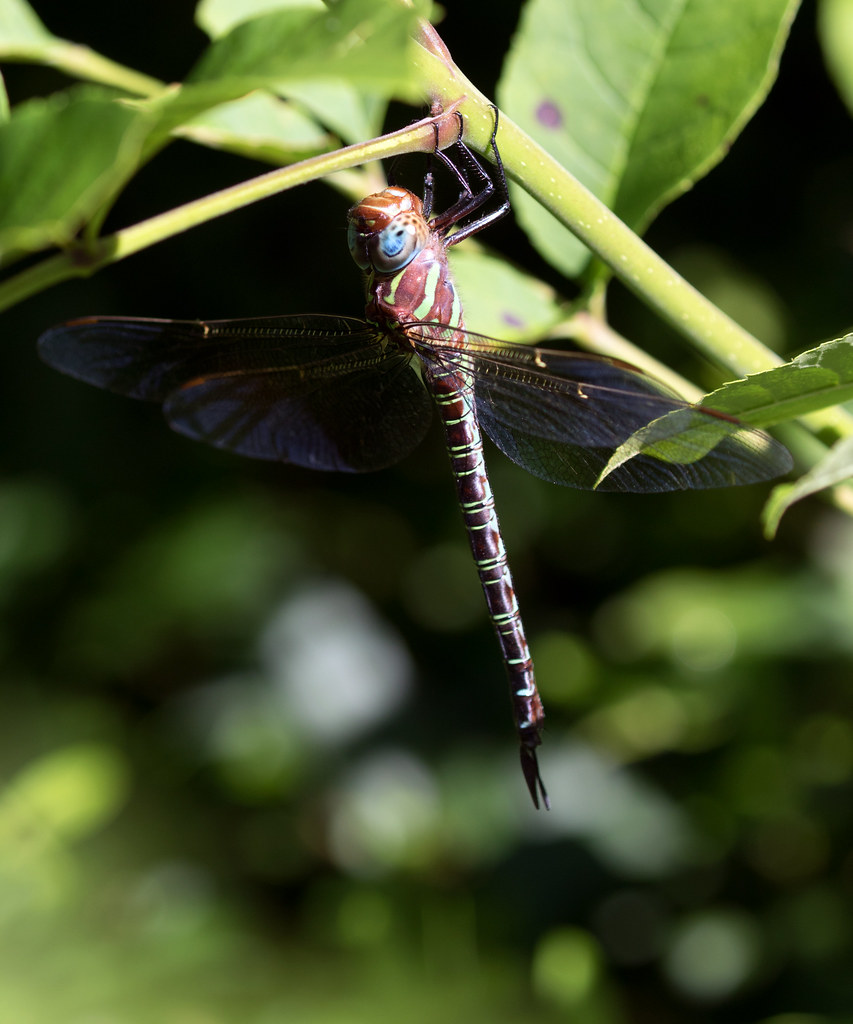
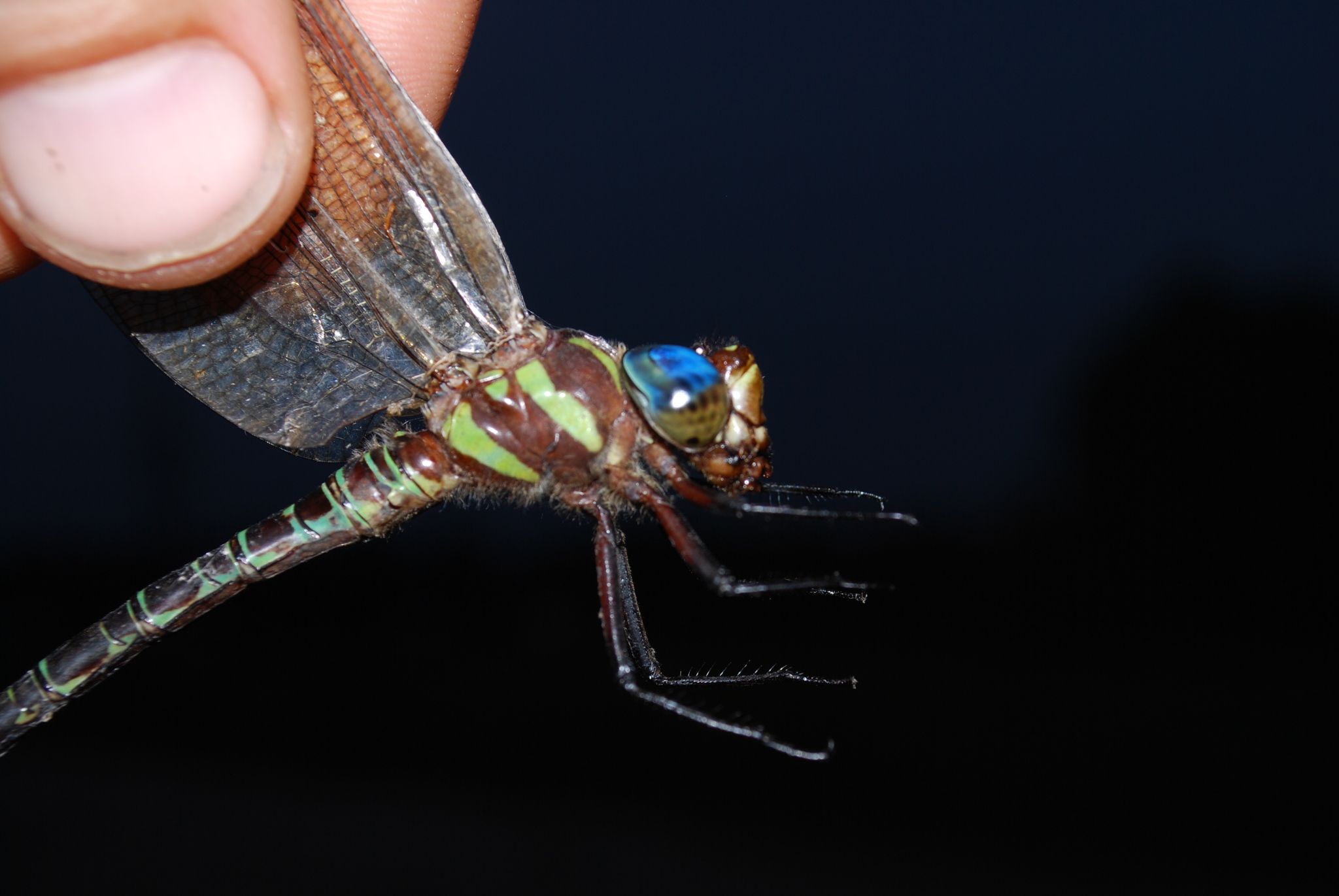
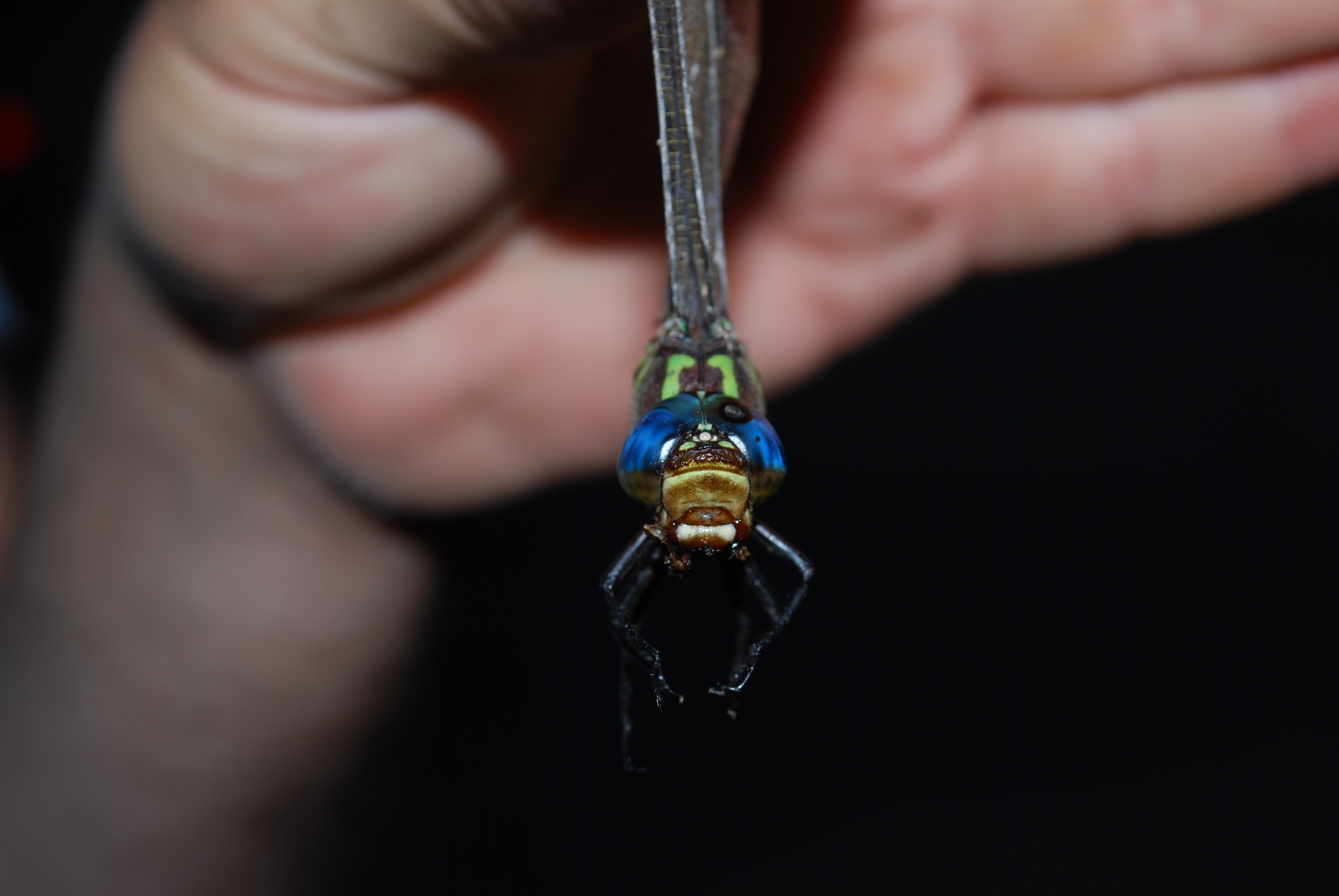
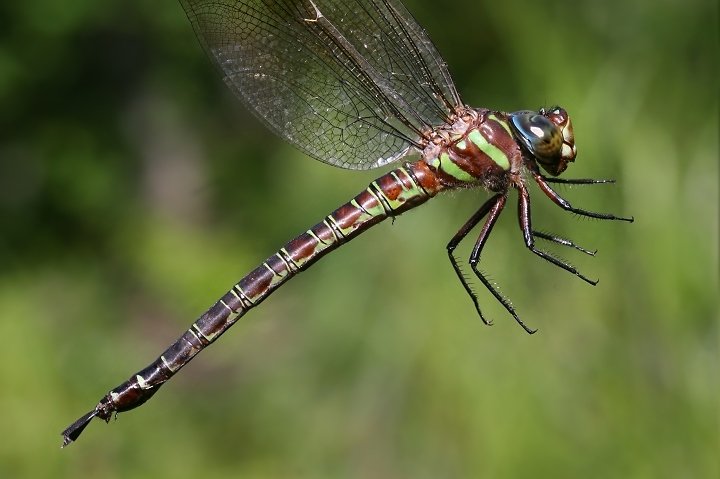
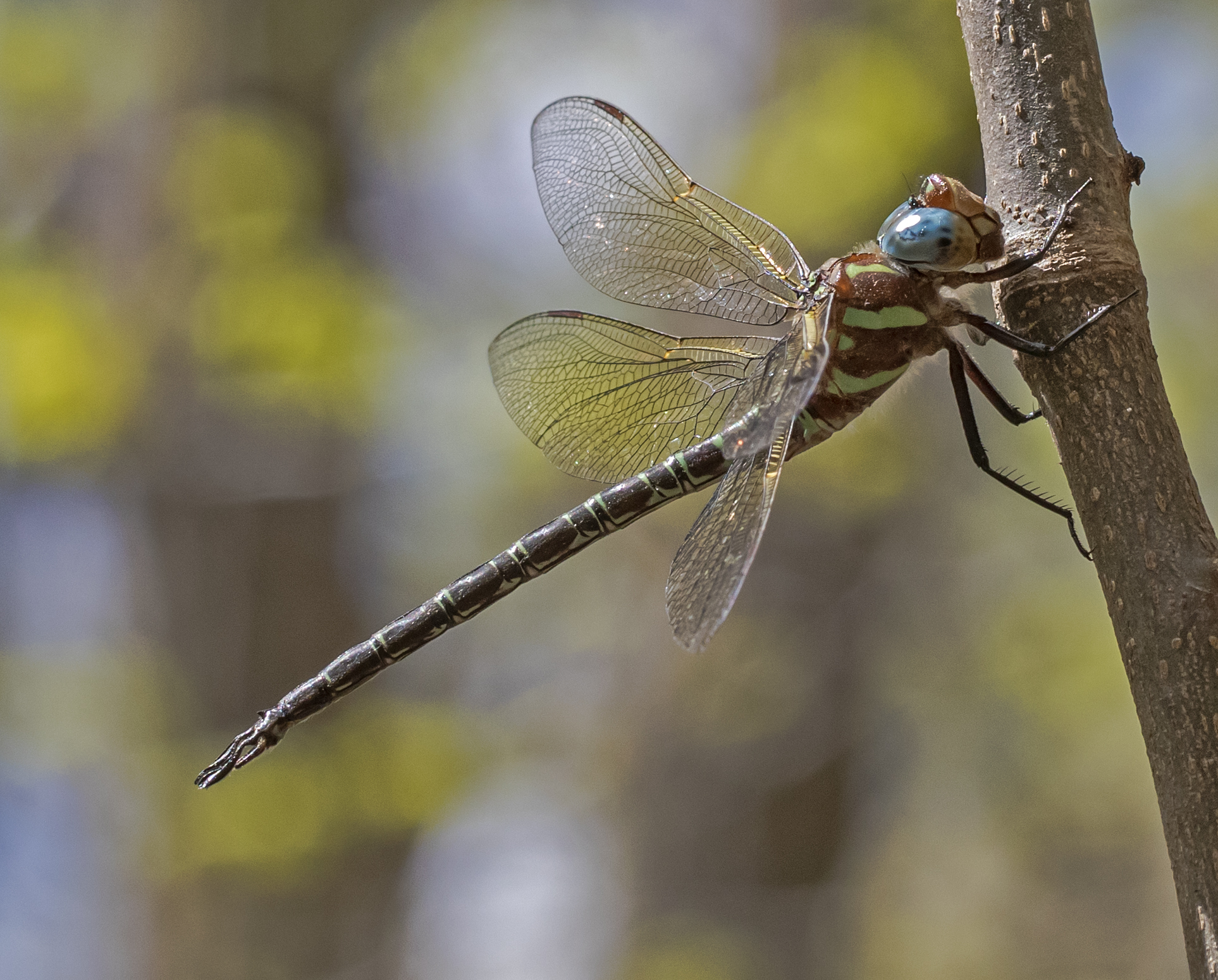
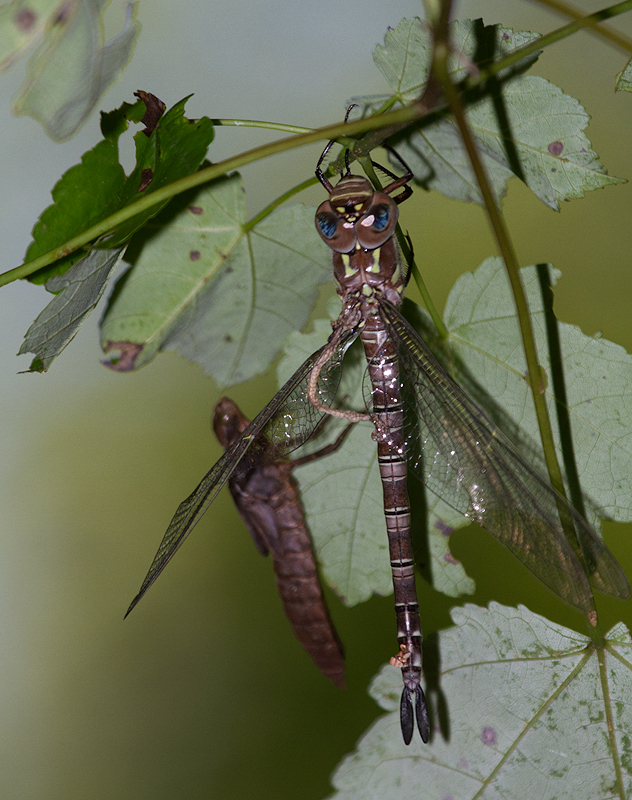
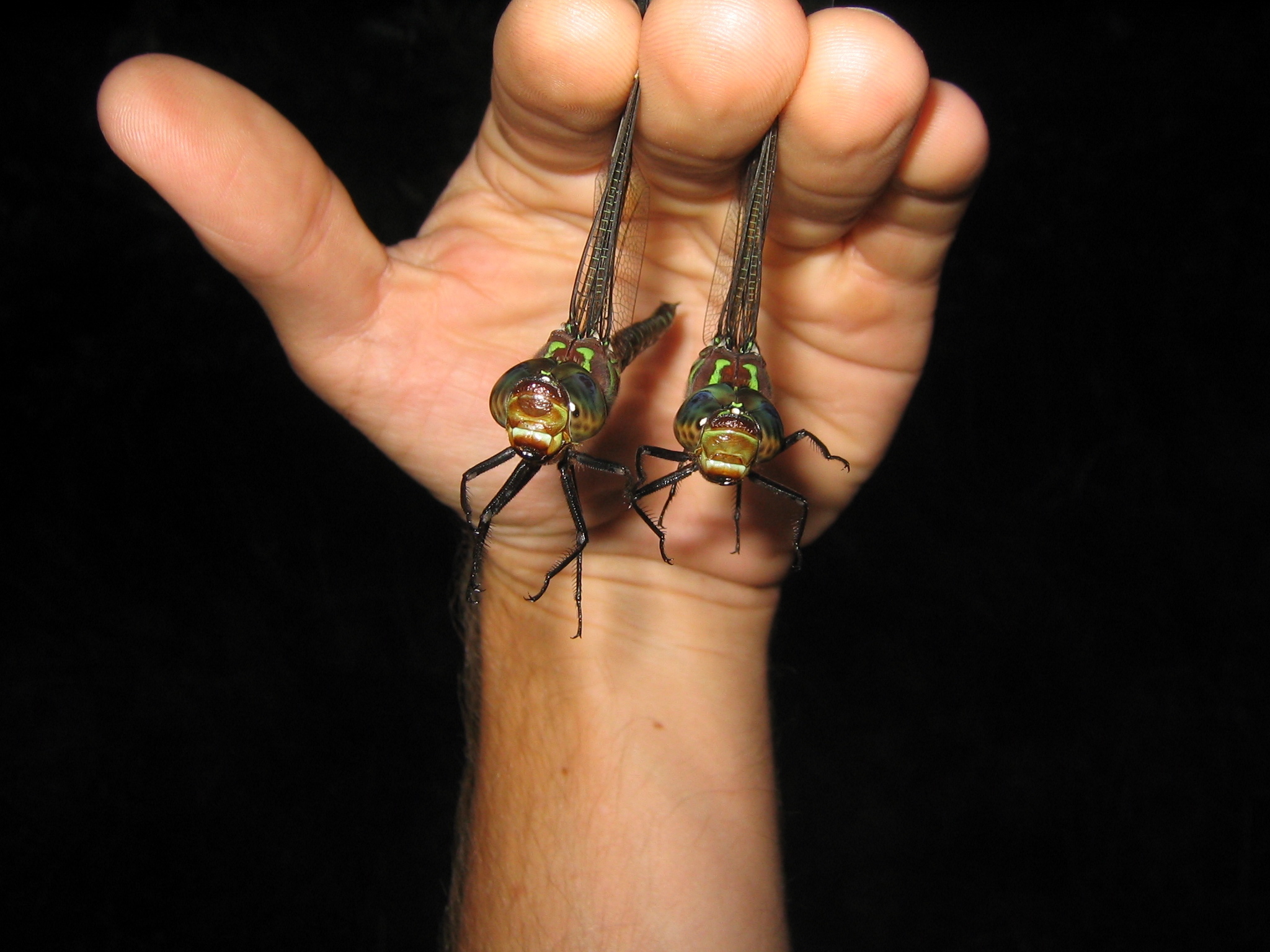
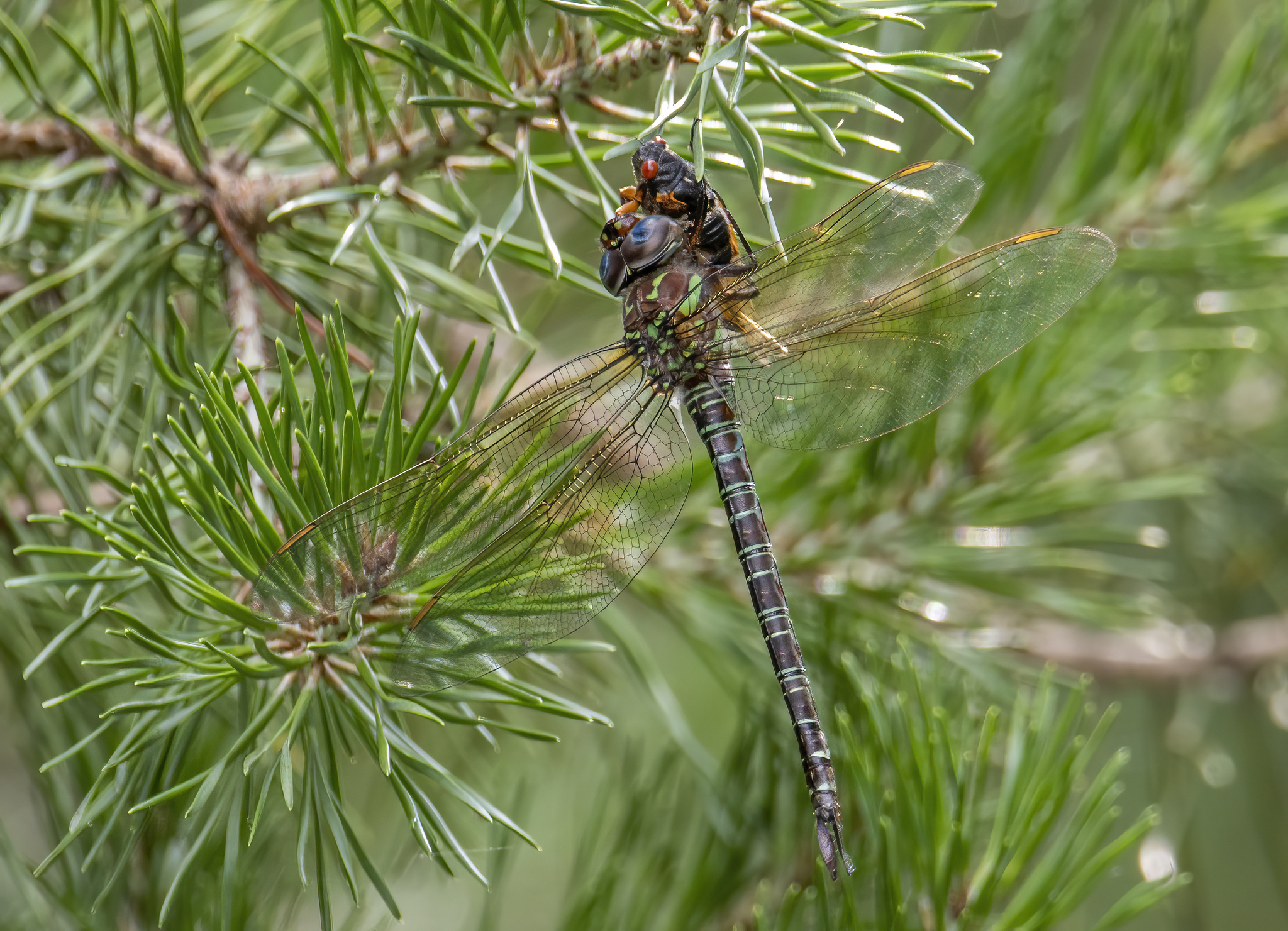
Epiaeschna heros, the swamp darner, is a species of darner in the dragonfly family Aeshnidae. It is found in eastern North America.[2][3][1][4] It is the only extant member of the genus Epiaeschna, a genus that is well-represented in fossil specimens found in Eurasia, suggesting a wider distribution during the mid-Cenozoic.[5]
The IUCN conservation status of Epiaeschna heros is "LC", least concern, with no immediate threat to the species' survival. The population is stable. The IUCN status was reviewed in 2017.[1][6][7]

The species has been witnessed feeding on Solenopsis invicta ants during nuptial flights.[8]
References
[edit]- ^ a b c Paulson, D.R. (2017). "Epiaeschna heros". IUCN Red List of Threatened Species. 2017 e.T48790596A65836129. doi:10.2305/IUCN.UK.2017-3.RLTS.T48790596A65836129.en. Retrieved 12 November 2021.
- ^ "Epiaeschna heros Report". Integrated Taxonomic Information System. Retrieved 2019-12-25.
- ^ "Epiaeschna heros". GBIF. Retrieved 2019-12-25.
- ^ "Epiaeschna heros species Information". BugGuide.net. Retrieved 2019-12-25.
- ^ Nel, André; Petrulevičius, Julian F. (2010-01-01). "Afrotropical and Nearctic genera of Odonata in the French Oligocene: biogeographic and paleoclimatic implications (Insecta: Calopterygidae, Aeshnidae)". Annales de la Société entomologique de France. Nouvelle Série. 46 (1–2): 228–236. doi:10.1080/00379271.2010.10697662. ISSN 0037-9271.
- ^ "Odonata Central". Retrieved 2019-07-02.
- ^ "World Odonata List". Slater Museum of Natural History, University of Puget Sound. 2018. Retrieved 2019-07-02.
- ^ Glancey, B. Michael (1981). "Two Additional Dragonfly Predators of Queens of the Red Imported Fire Ant, Solenopsis invicta Buren". The Florida Entomologist. 64 (1). Florida Entomological Society: 194–195. ISSN 0015-4040. JSTOR 3494614.
External links
[edit] Media related to Epiaeschna heros at Wikimedia Commons

 | This article related to Aeshnidae is a stub. You can help Wikipedia by adding missing information. |