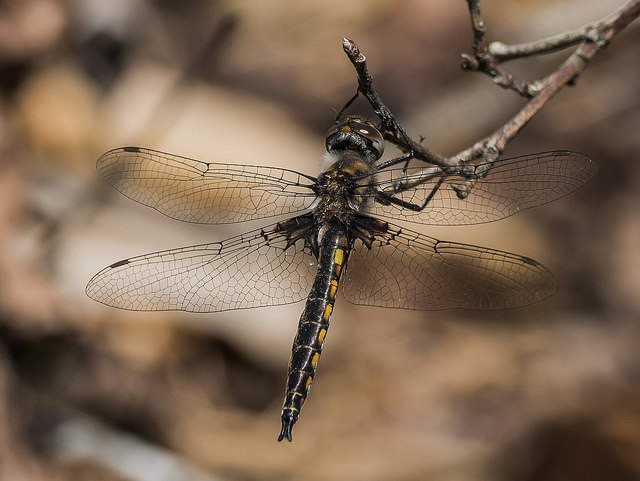
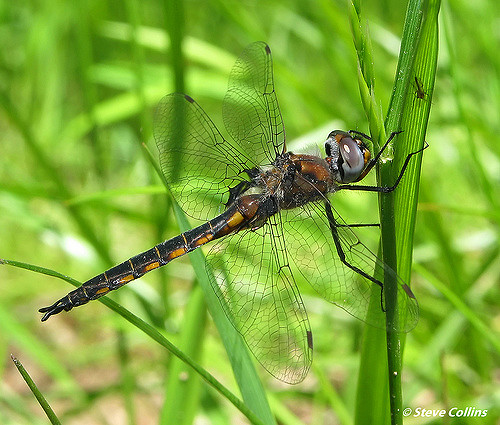
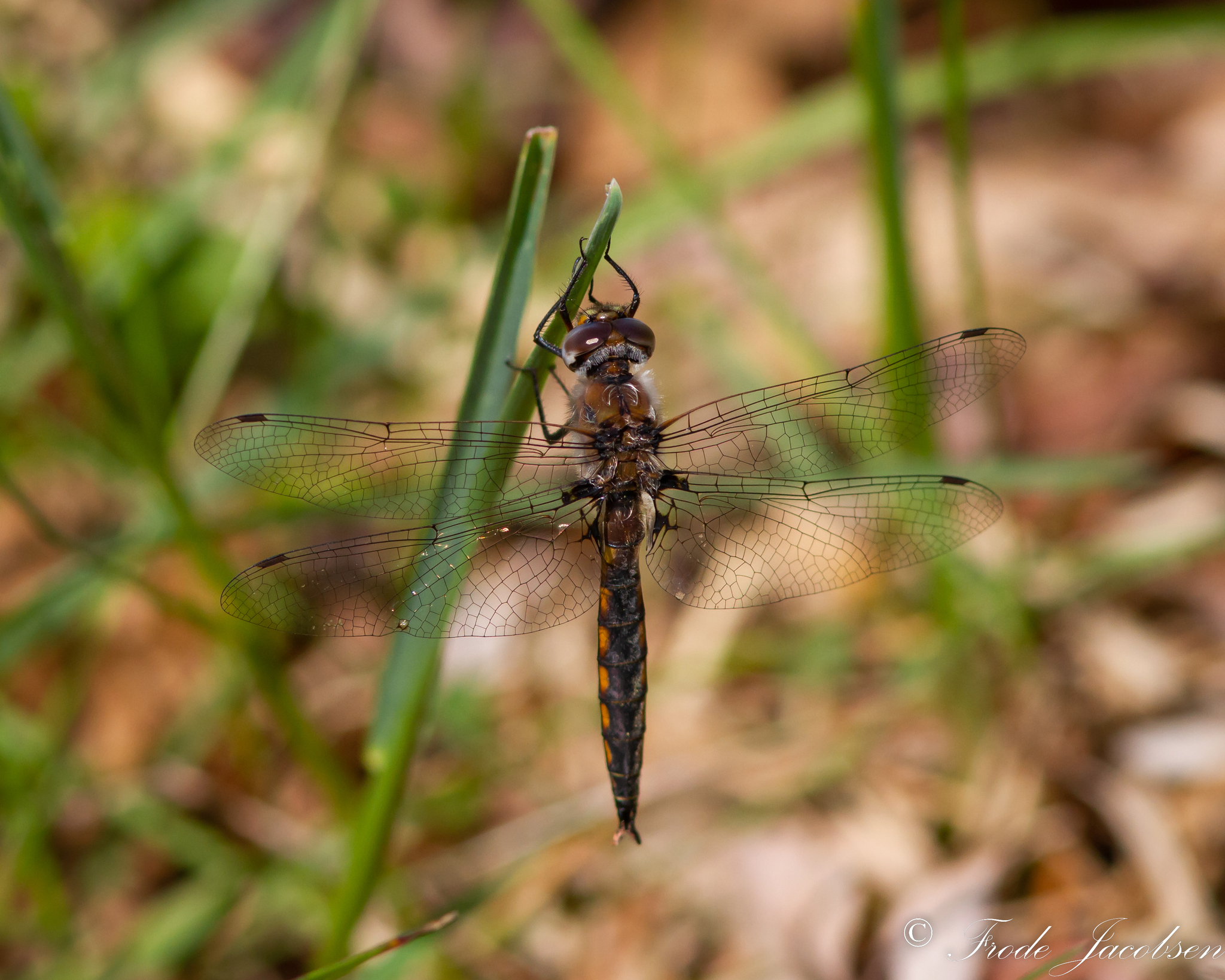
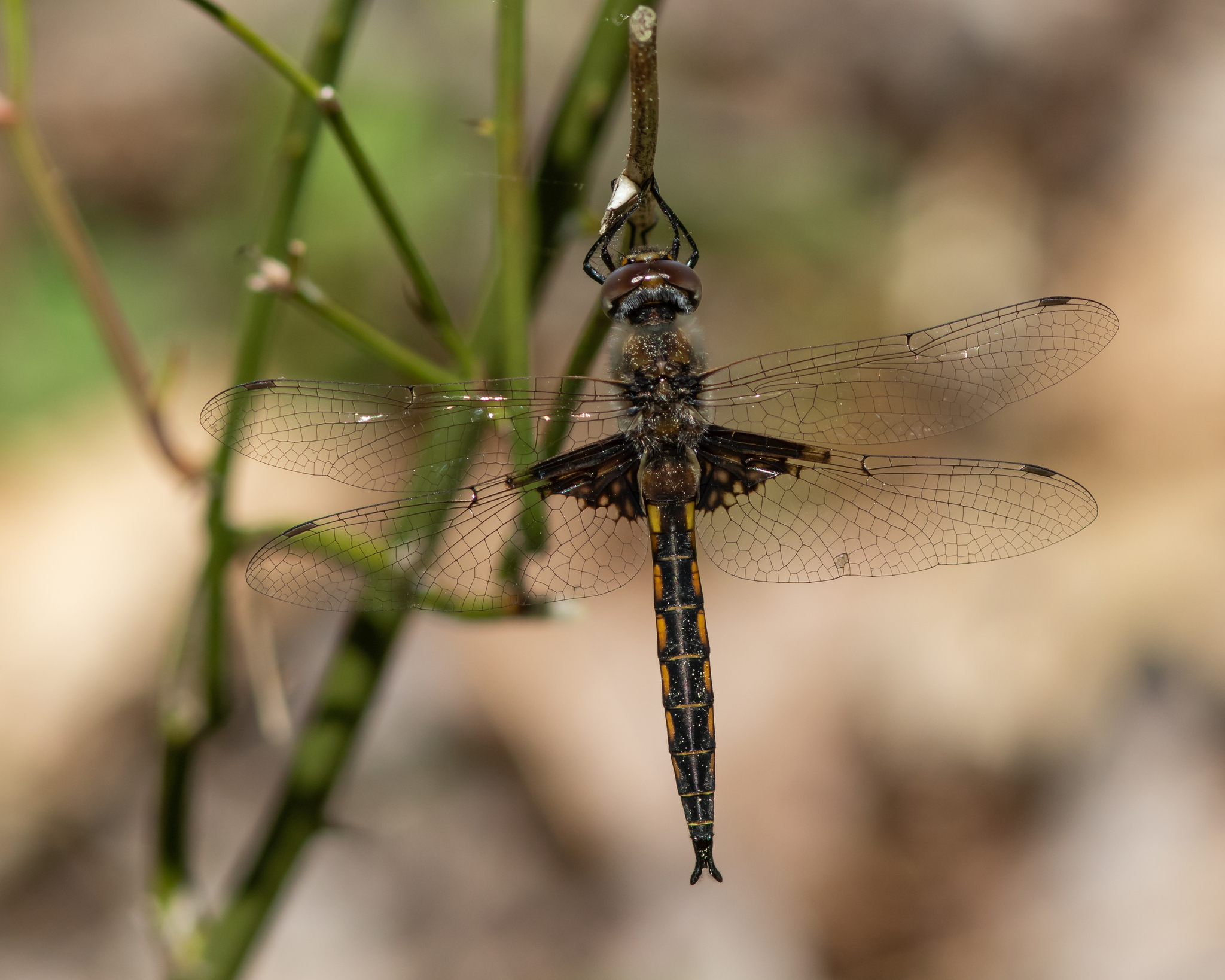
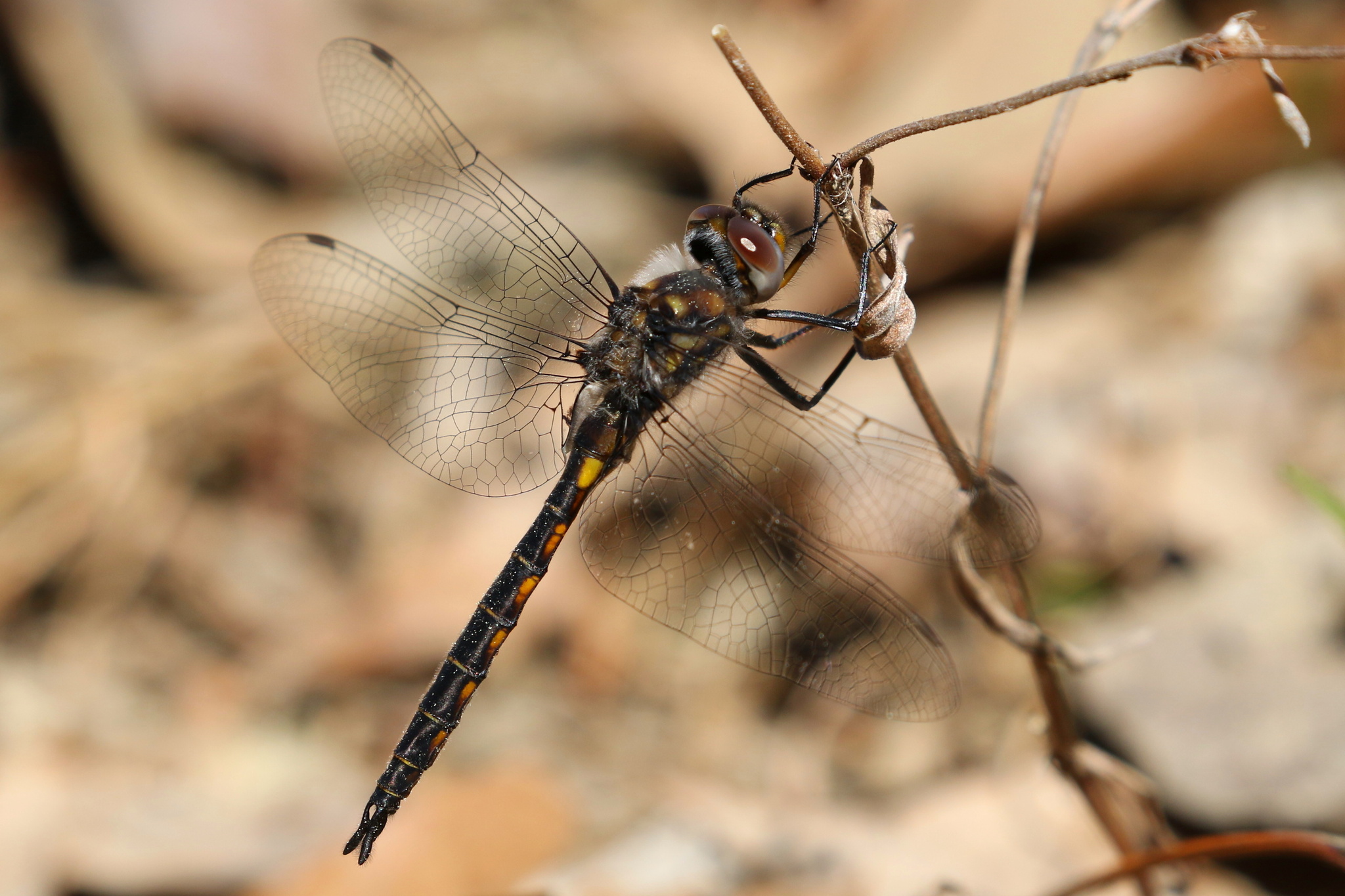
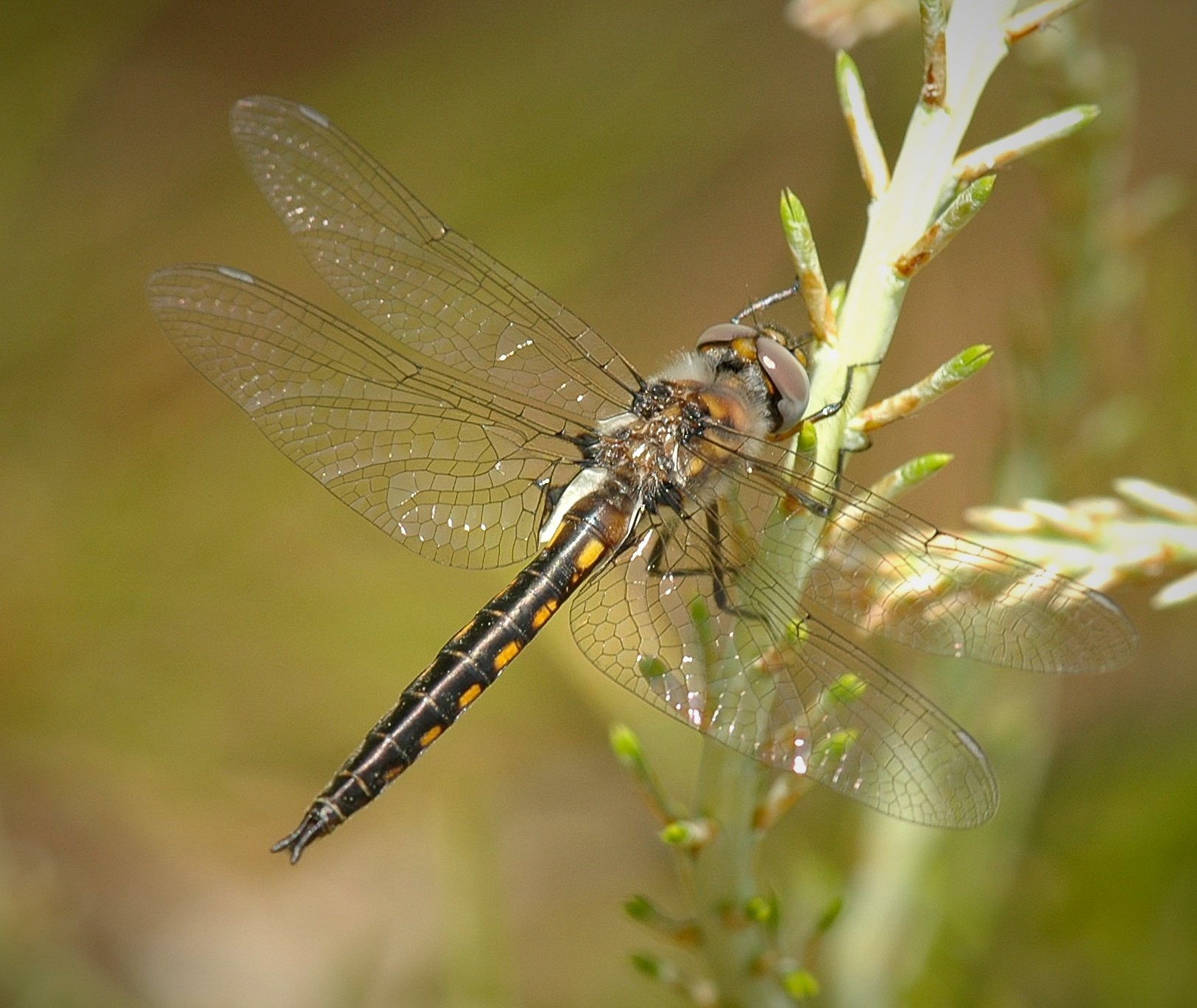
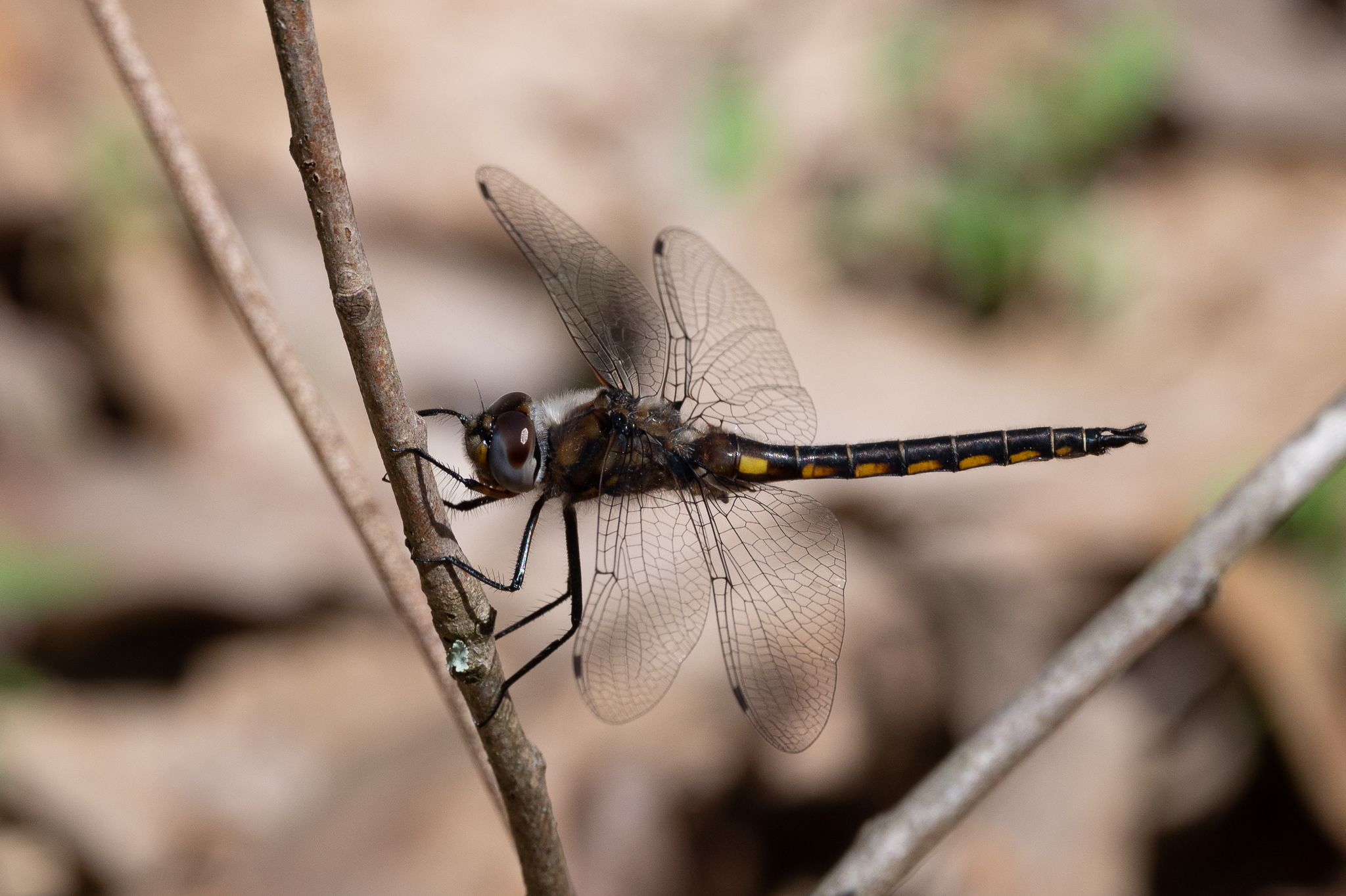
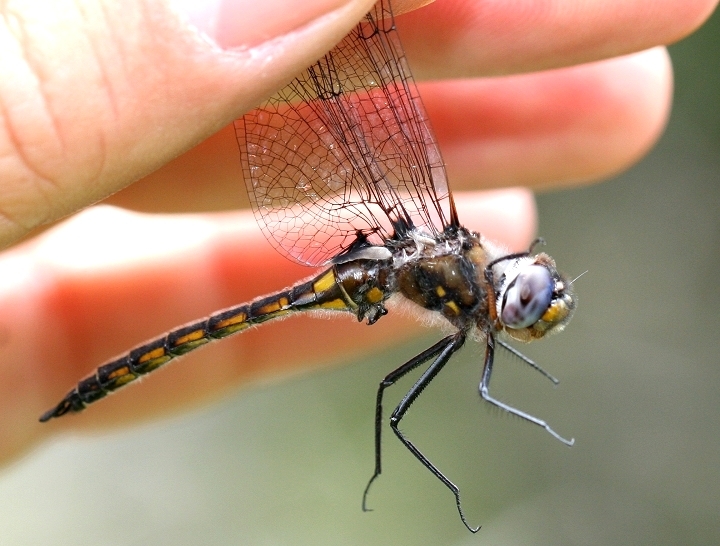
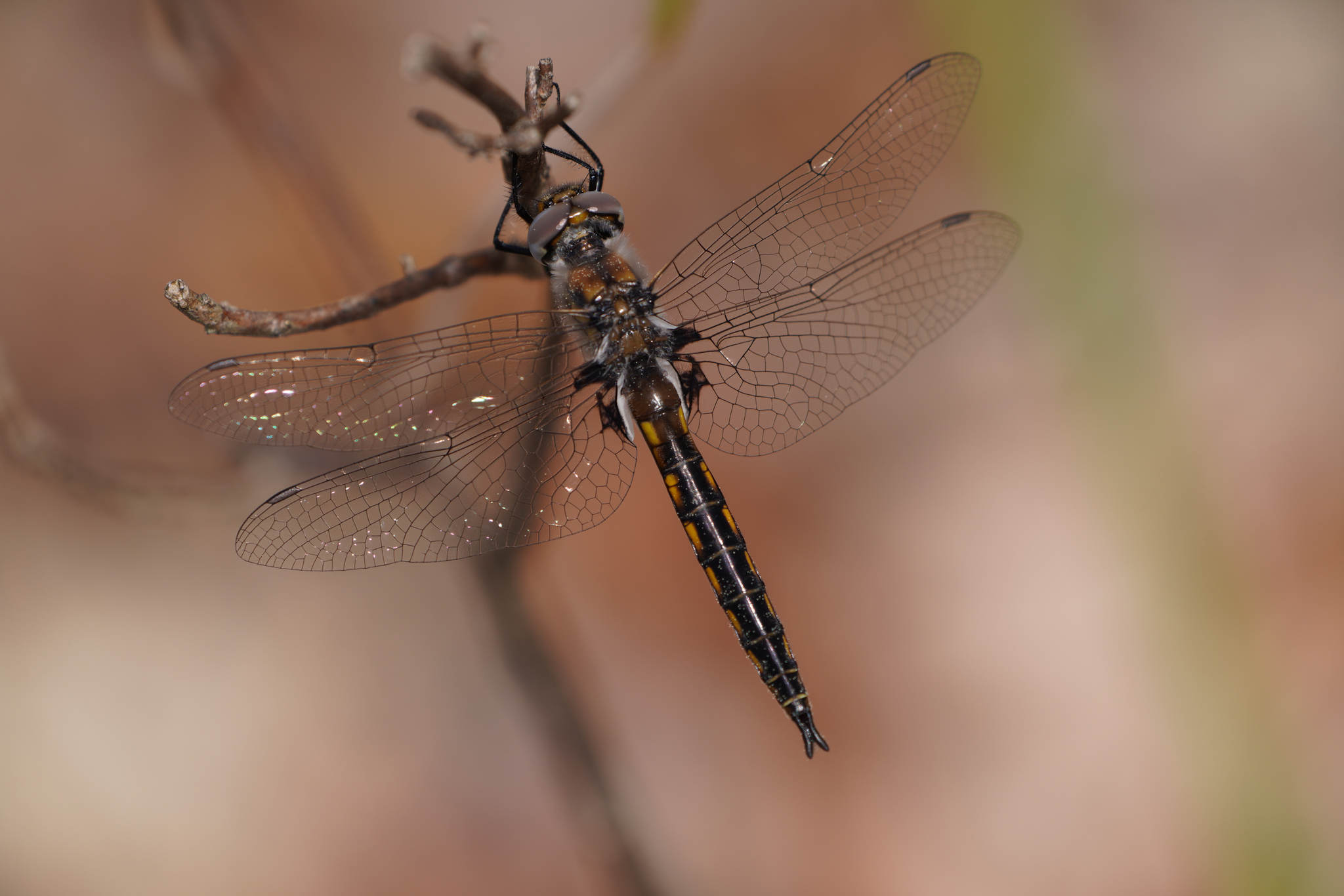
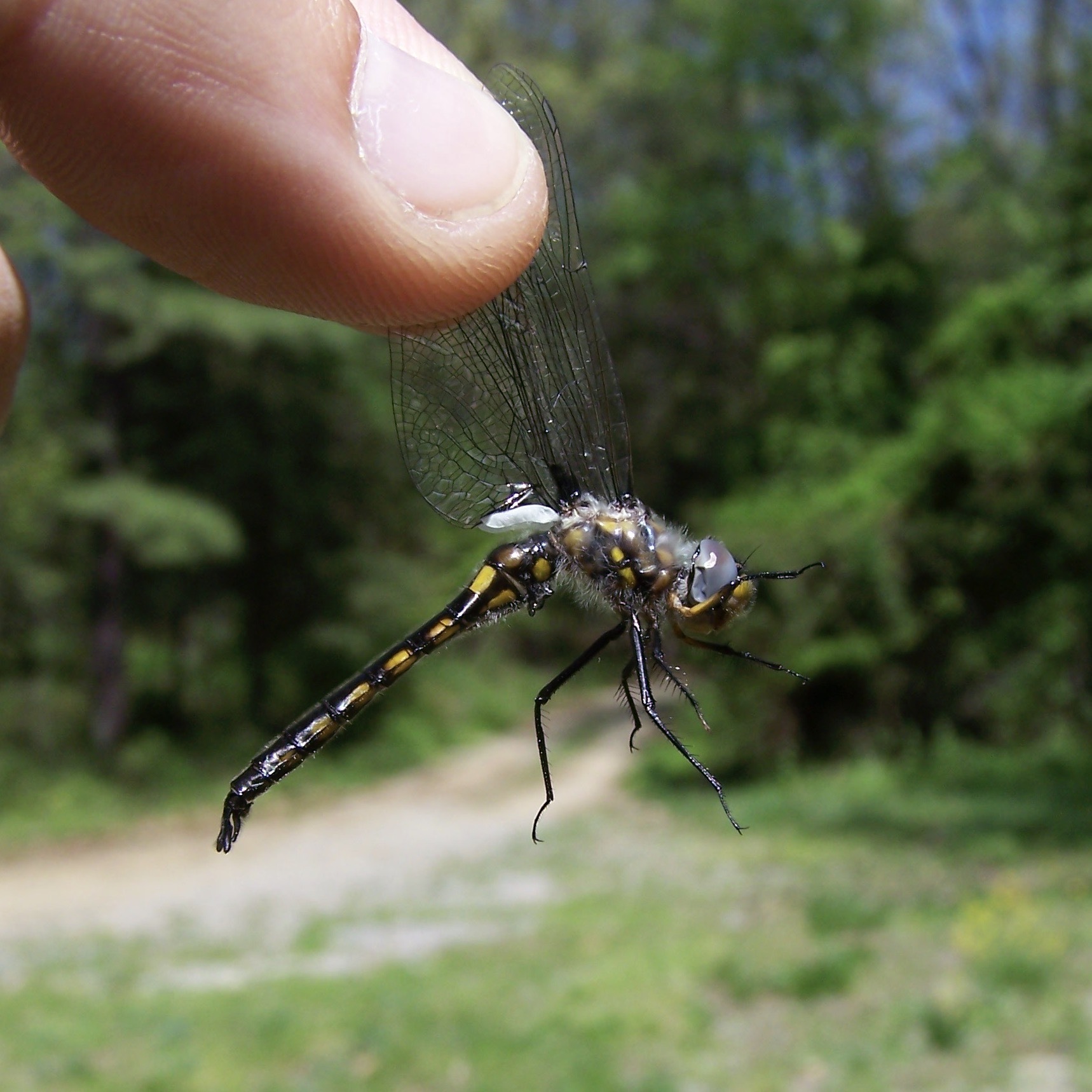
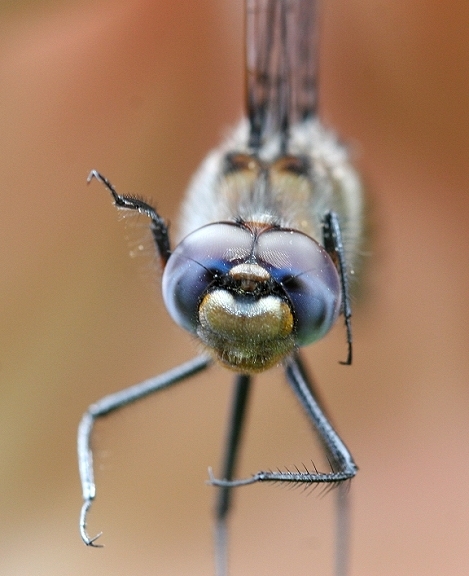
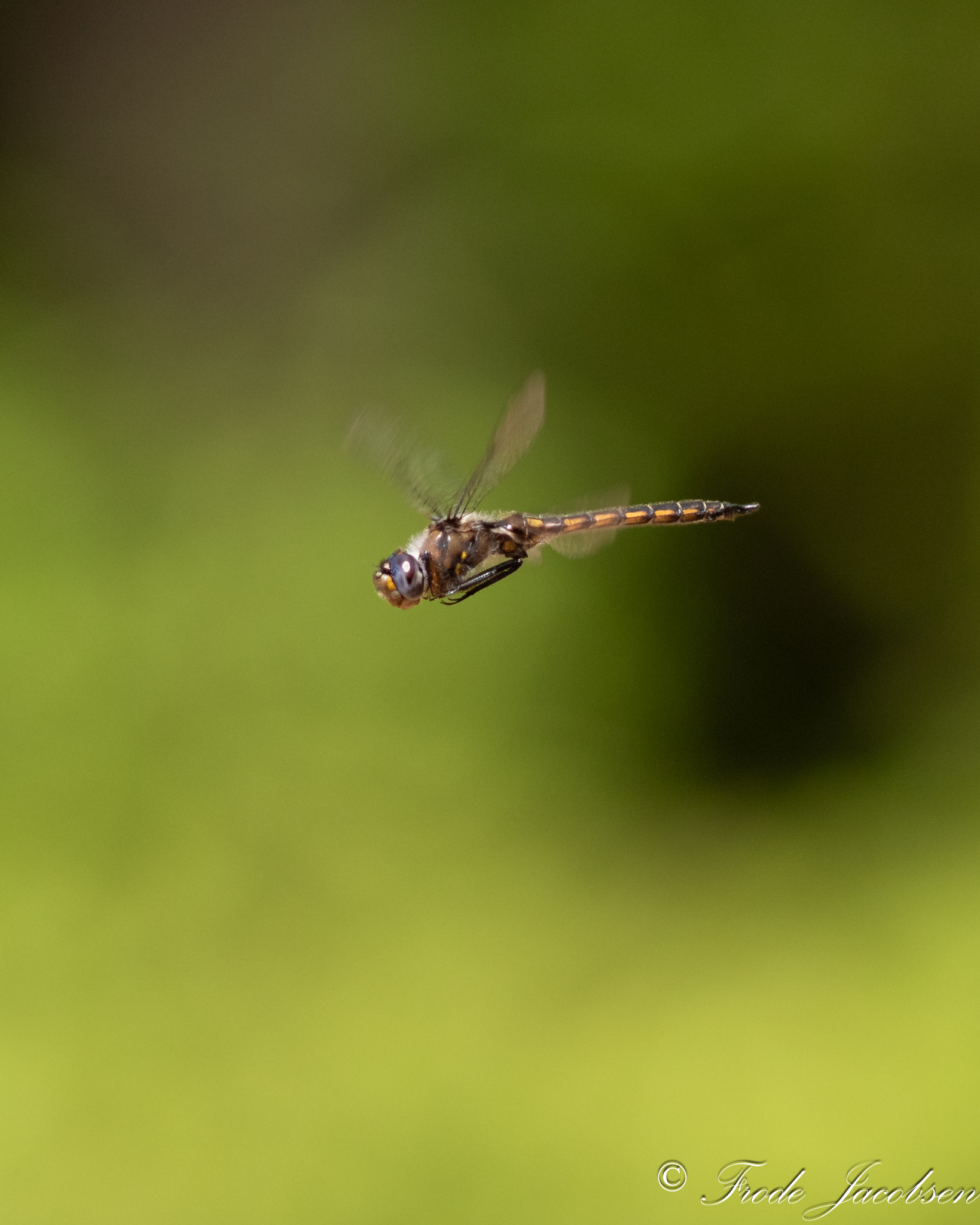
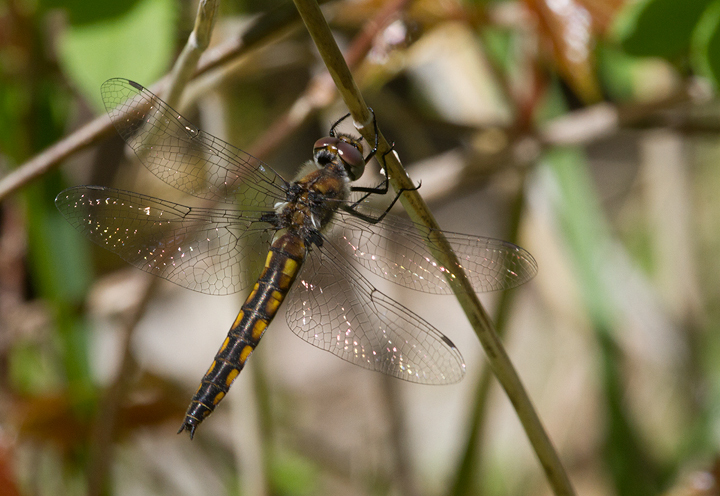
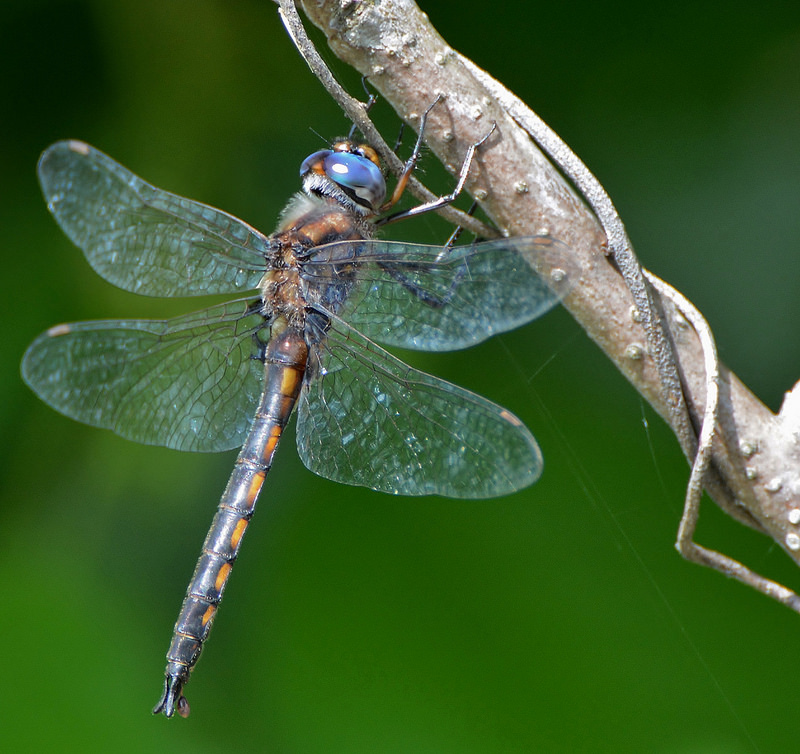
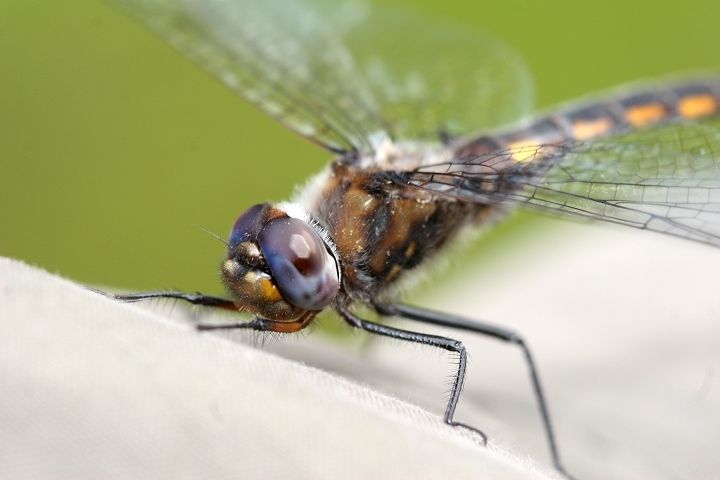
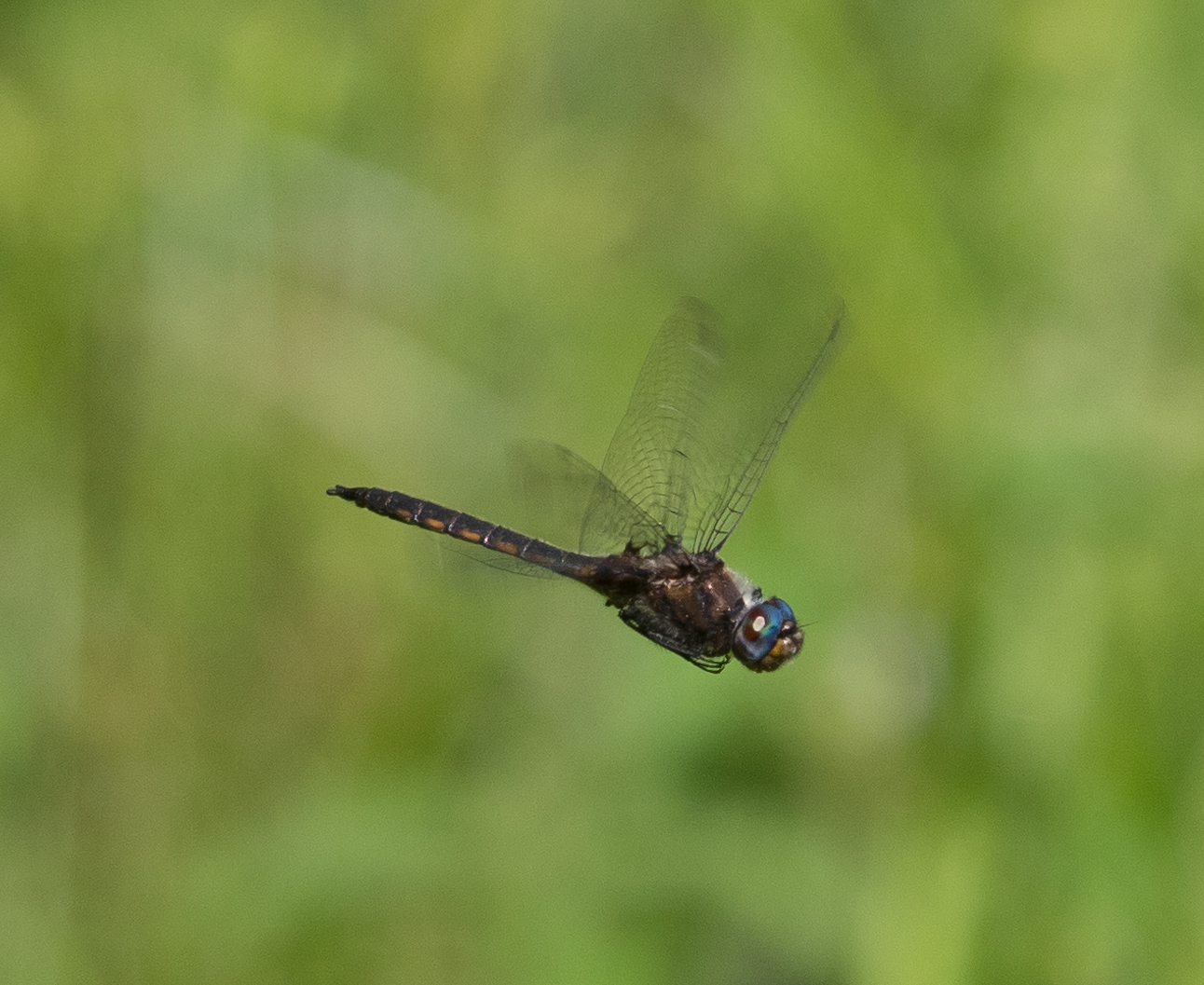
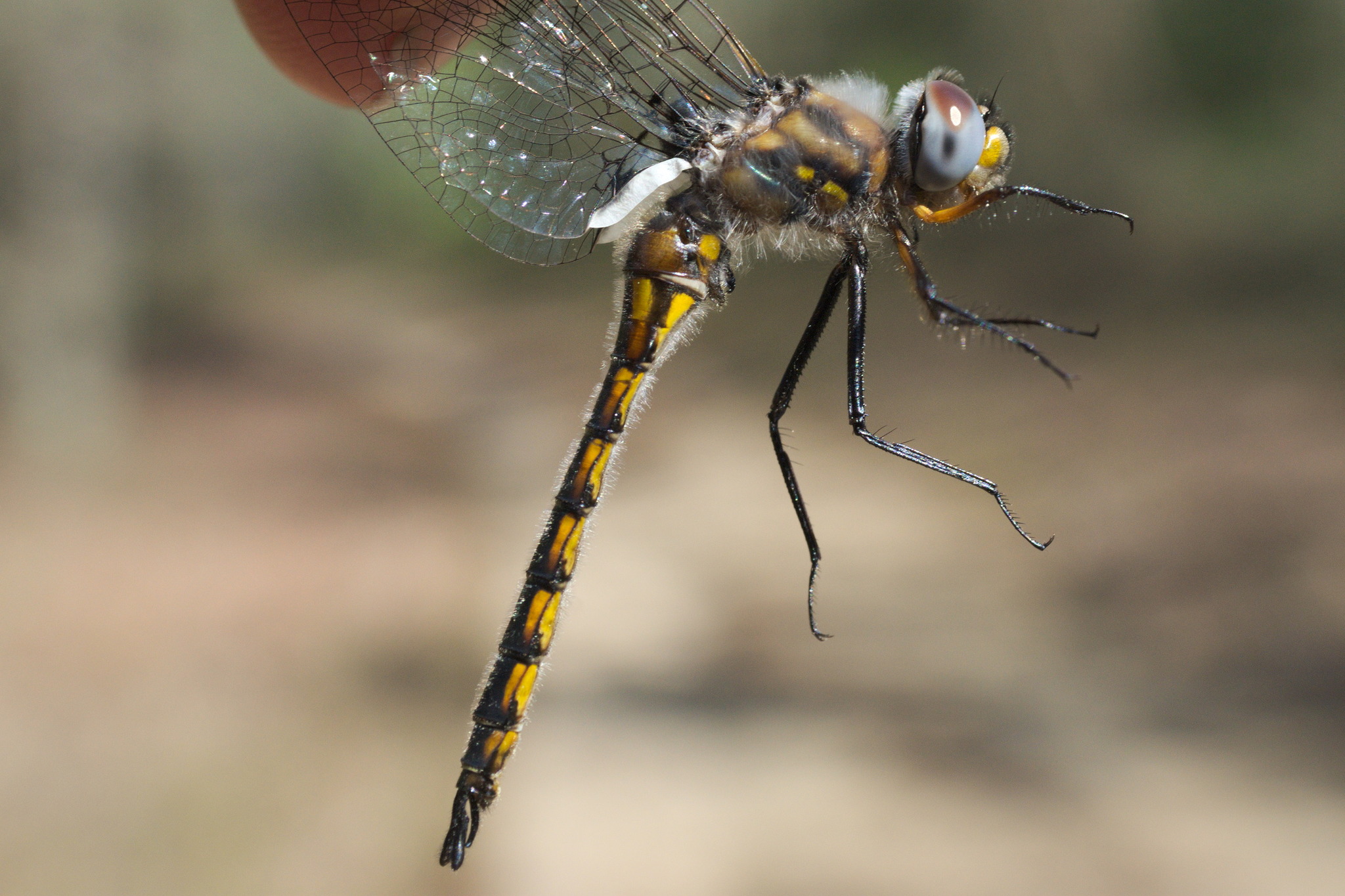
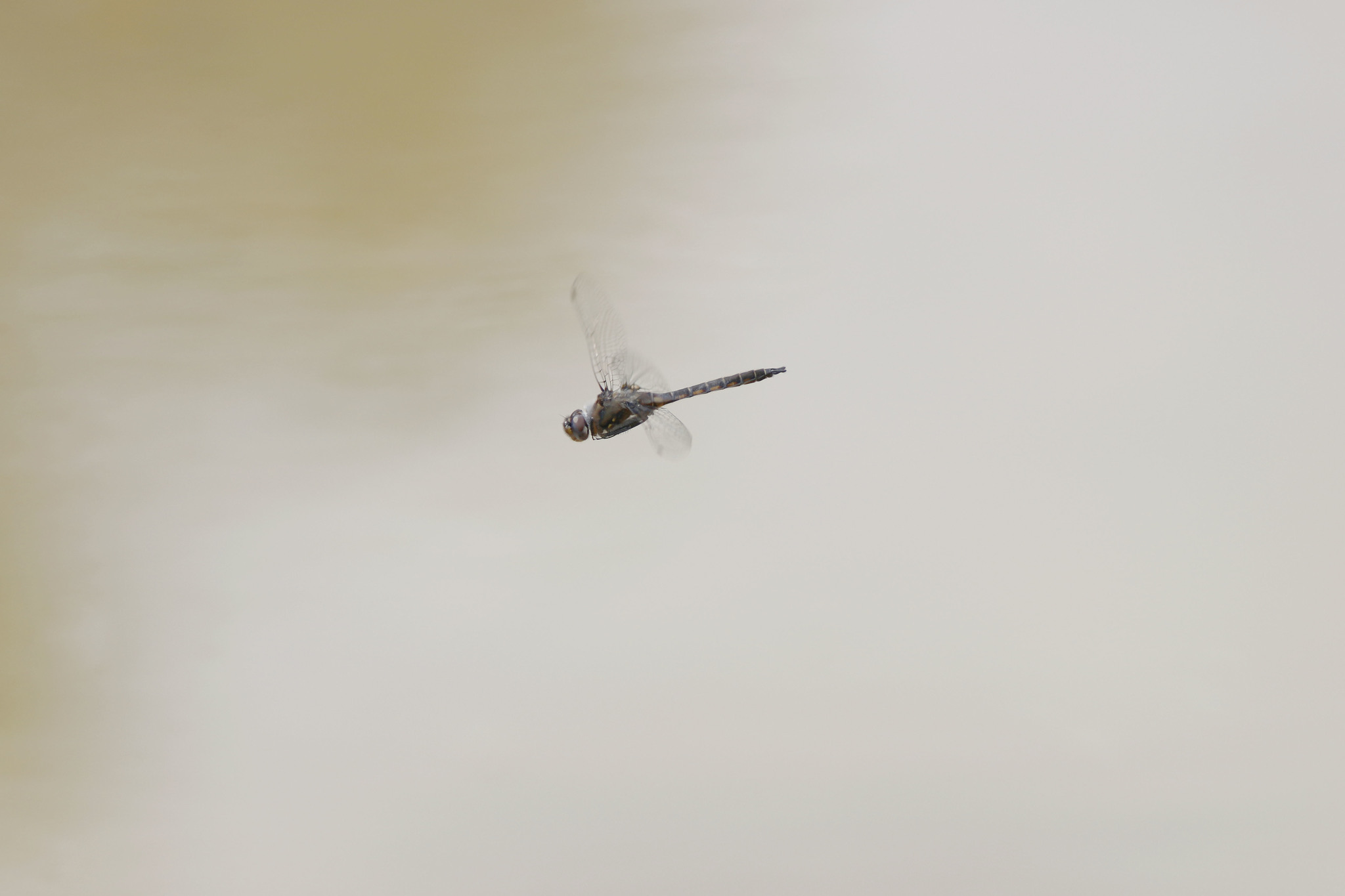
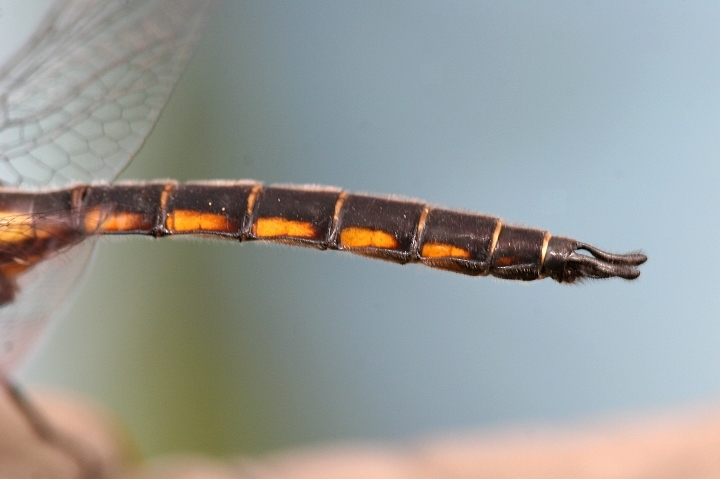
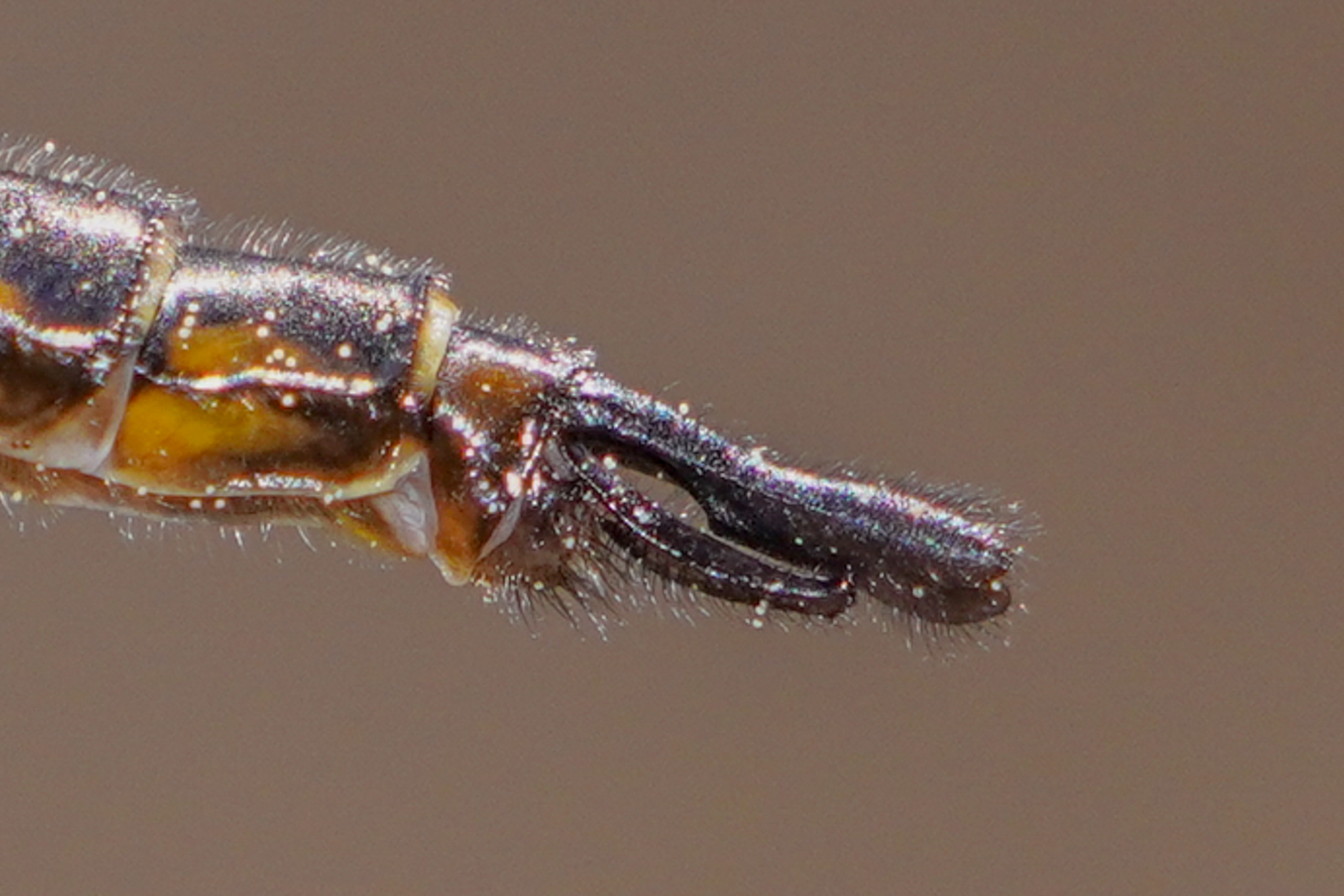
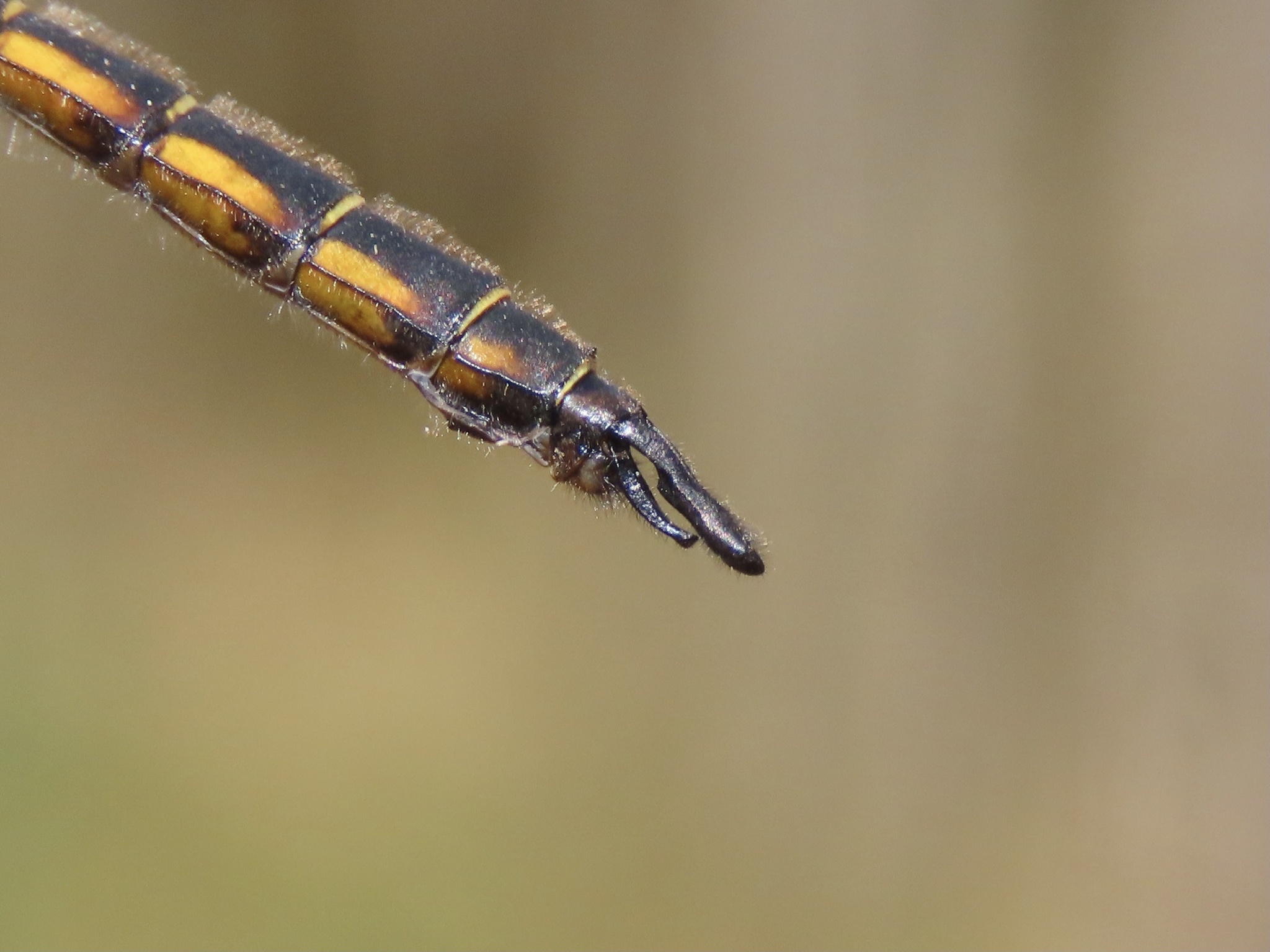
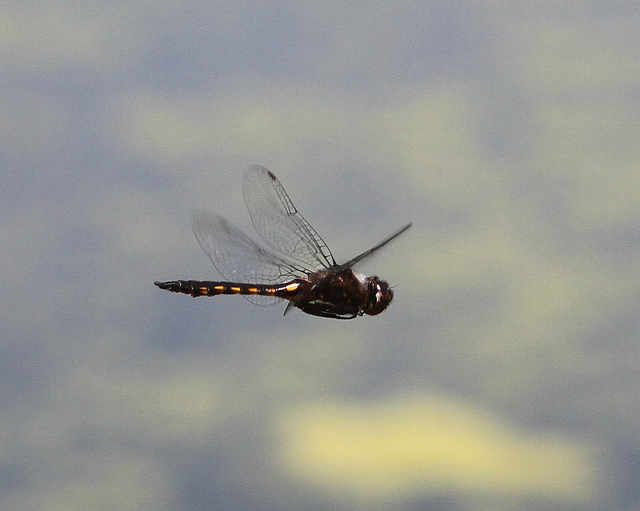
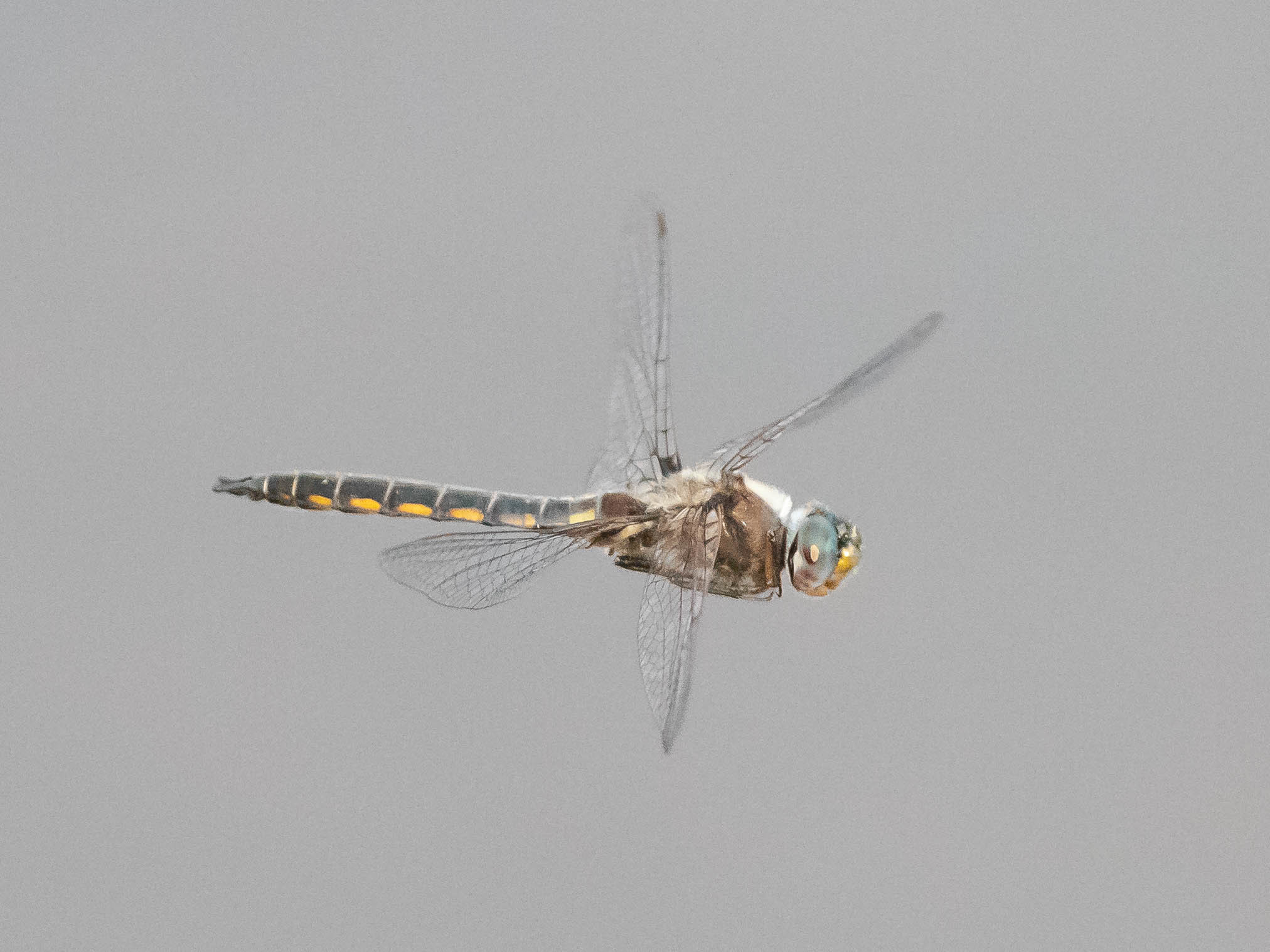
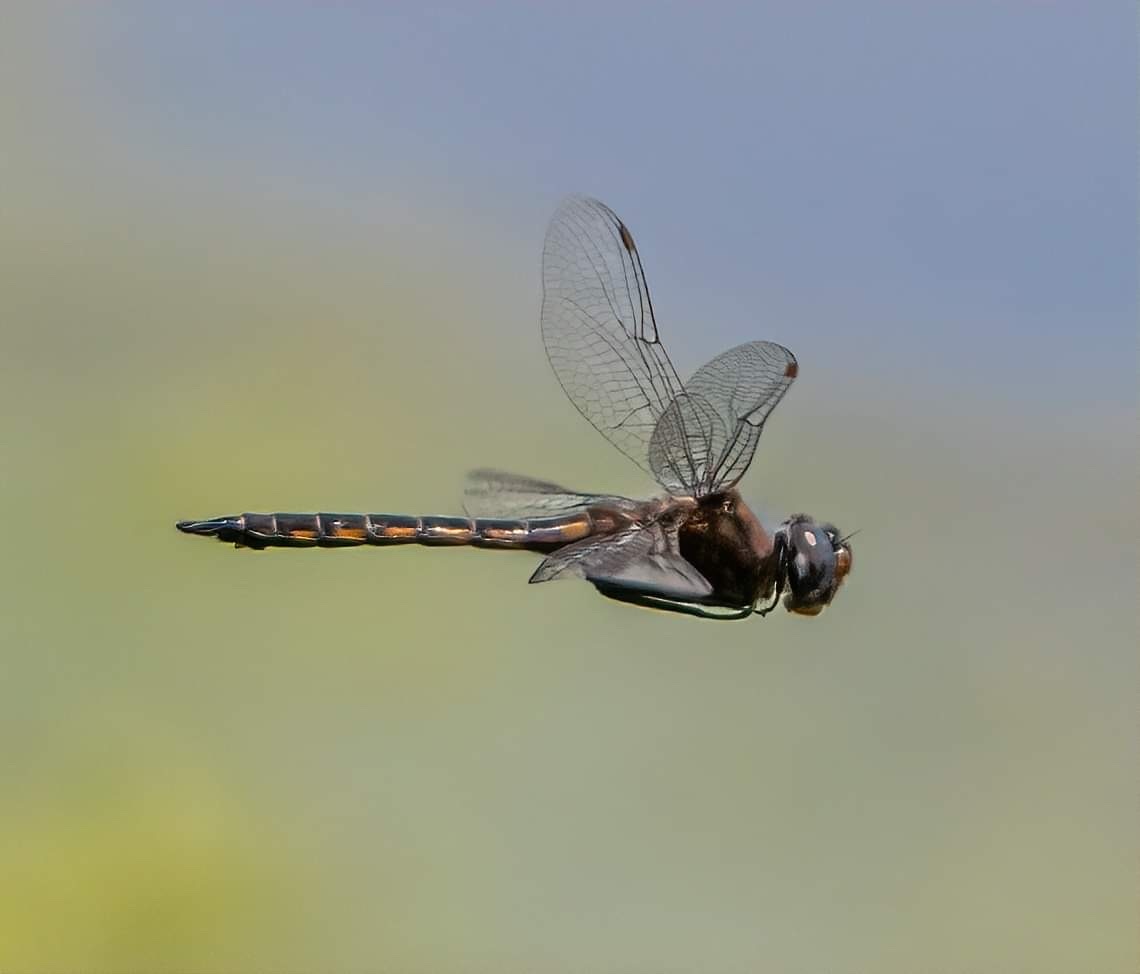
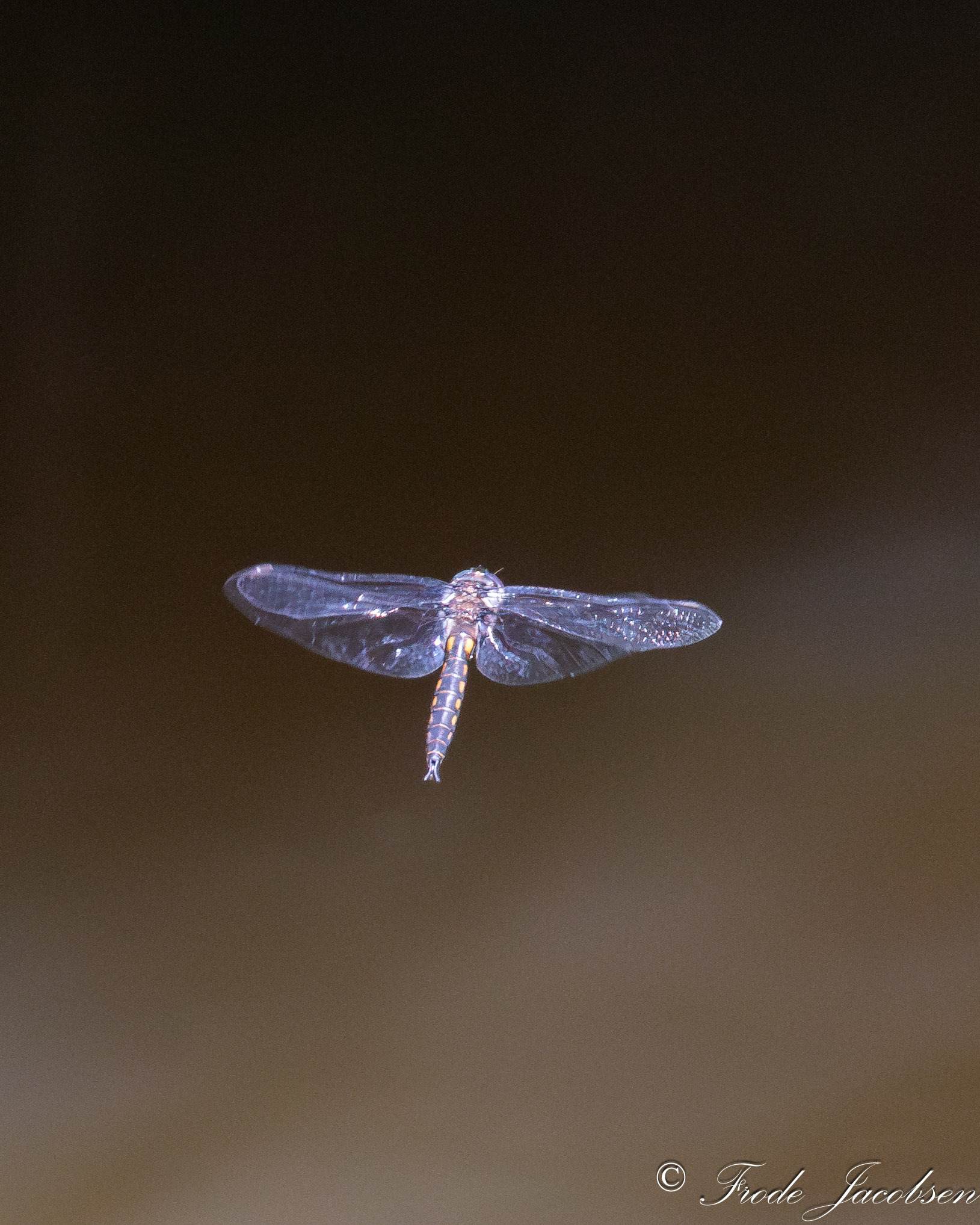
Common Baskettail (Epitheca cynosura) is very close in appearance to several other small Epitheca species in Maryland, but is the most widespread and ubiquitous one. This adaptable dragonfly will breed in a wide variety of ponds or slow streams (Paulson, 2011). Common Baskettail occurs statewide, and is often abundant (Richard Orr's The Dragonflies and Damselflies of Maryland and the District of Columbia).
Common Baskettail in Garrett Co., Maryland (6/11/2006). (c) Bill Hubick, all rights reserved.
View Record Details
Media by
Bill Hubick.
Common Baskettail in Anne Arundel Co., Maryland (5/5/2015). (c) Frode Jacobsen, some rights reserved (CC BY-NC)
View Record Details
Media by
Frode Jacobsen.
Common Baskettail in Anne Arundel Co., Maryland (4/20/2013). (c) Bill Hubick, all rights reserved.
View Record Details
Media by
Bill Hubick.
Common Baskettail in Garrett Co., Maryland (6/11/2006). (c) Bill Hubick, all rights reserved.
View Record Details
Media by
Bill Hubick.
Common Baskettail in Montgomery Co., Maryland (6/5/2021). (c) Jim Moore (Maryland), some rights reserved (CC BY-NC).
View Record Details
Media by
Jim Moore.
Common Baskettail in Caroline Co., Maryland (4/17/2011). (c) Mike Ostrowski, some rights reserved (CC BY-NC-SA).
View Record Details
Media by
Mike Ostrowski.
Common Baskettail in Prince George's Co., Maryland (5/9/2021). (c) Sergei Drovetski, all rights reserved.
View Record Details
Media by
Sergei Drovetski.
This is the most common baskettail within its range, hence the name.
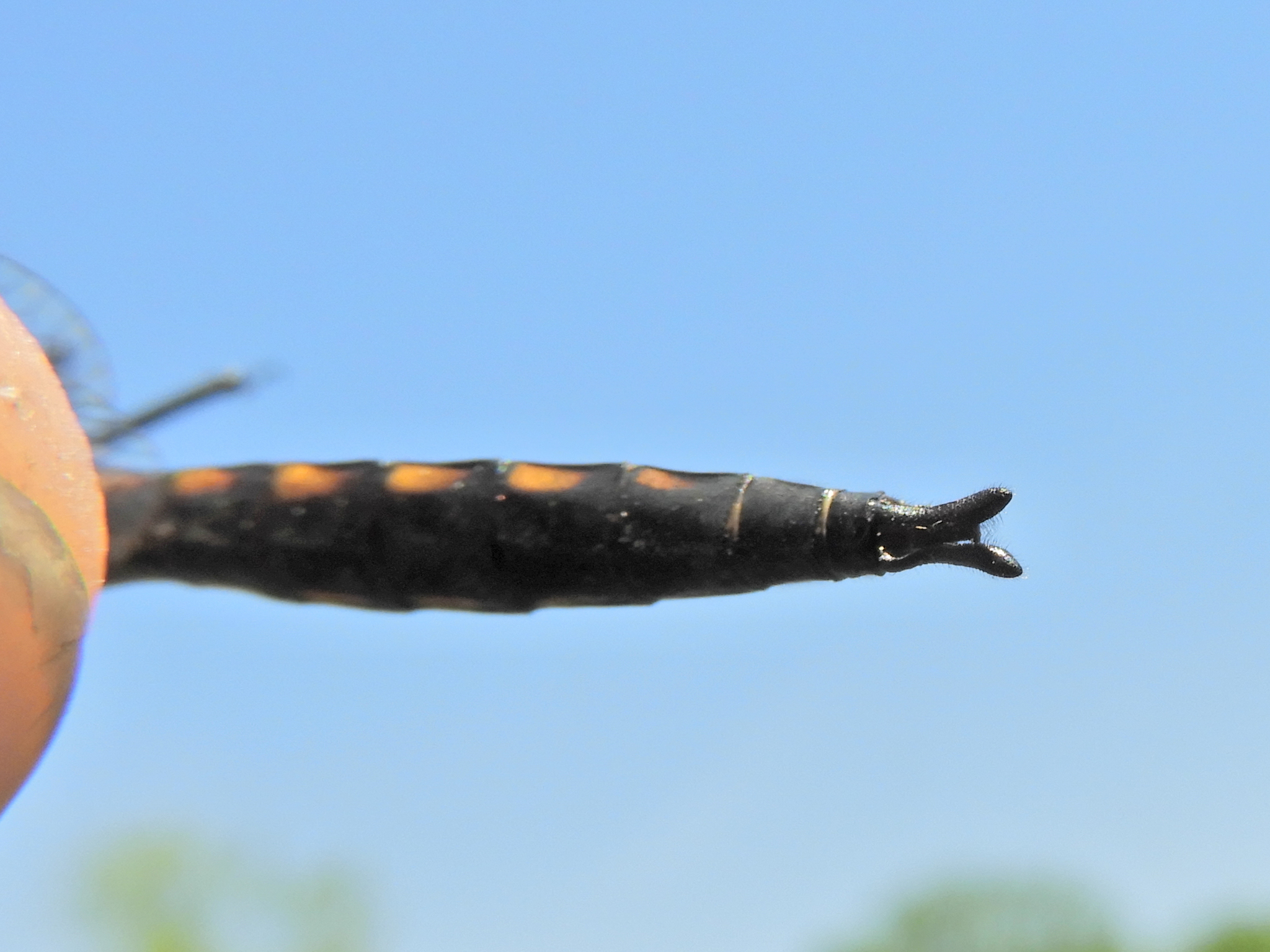
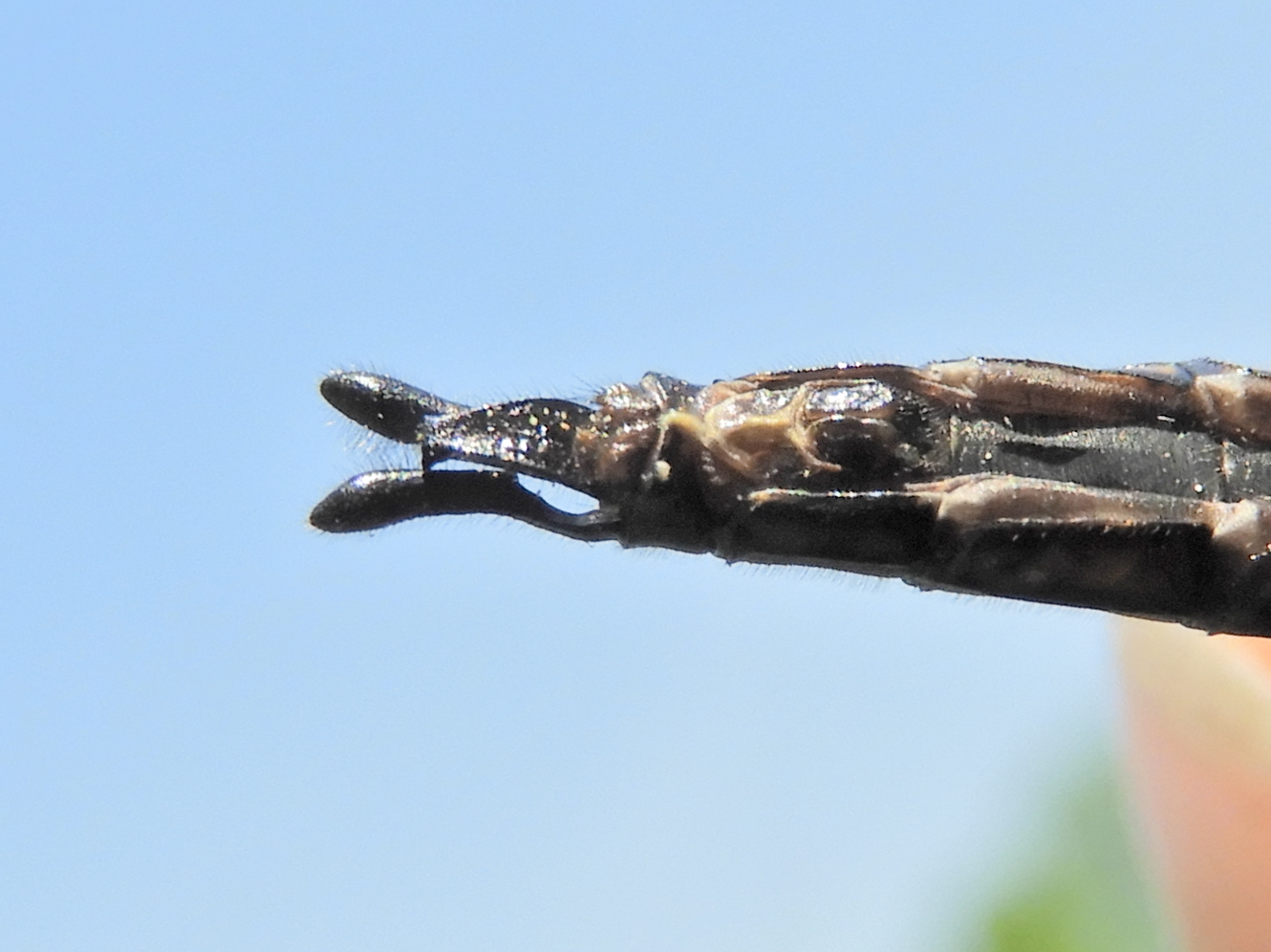
The scientific name, cynosura, means dog tail, and possibly refers to way the cerci at the end of the abdomen curve outward like a dog wagging its tail one way then the other.[4]
The thorax is brown and hairy.
Some specimens have a triangular spot at the base of the hindwing.[5]
Individuals are difficult to distinguish from the other species in this genus.
The caudal appendages (structures at the tip of the abdomen) differ between the species and
can be compared with known drawings or close-up photos.[6]
Their flight season can begin as early as January and extends to August.
They may also be seen October to December in north Florida.[7]